
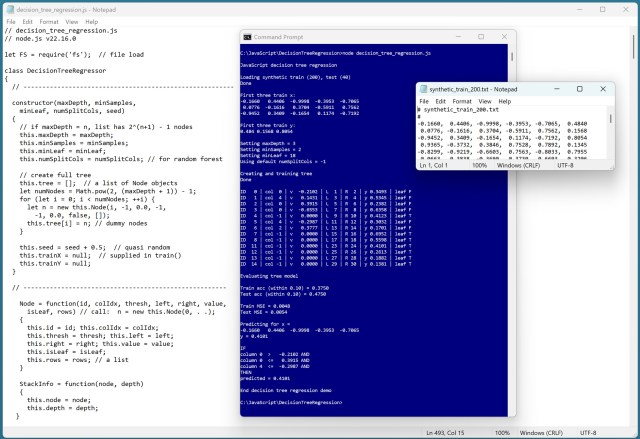
Decision tree regression predicts numeric values using if-then rules. JavaScript implementation demo shows high accuracy in predicting synthetic data.

Google launches controversial AI feature 'What People Suggest' for health advice from amateurs worldwide, amid scrutiny. Company touts potential of AI to improve global health outcomes through crowdsourced tips.

AI pioneer Demis Hassabis rose from child chess prodigy to Nobel prize contender. In 2016, DeepMind's AlphaGo defeated top Go player Lee Se-dol in a historic showdown, showcasing AI's potential in the ancient game.
Teens sue Elon Musk's xAI for using their photos in sexualized AI-generated images without consent, sparking first-of-its-kind lawsuit. Lawyer accuses xAI of profiting off child sexual abuse material despite knowing the dangers.
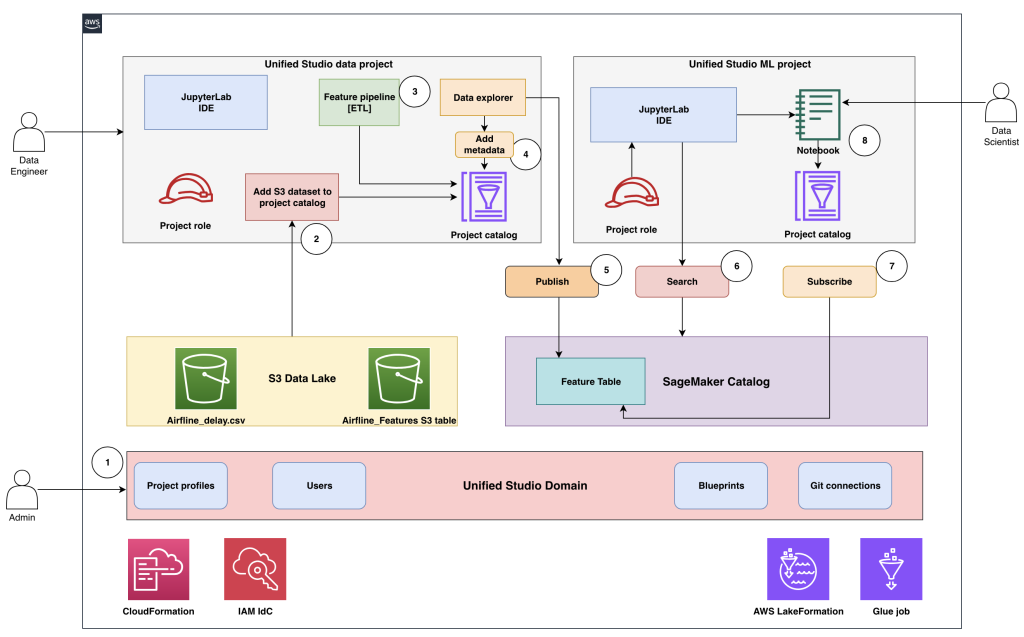
Amazon SageMaker offers SageMaker Unified Studio and SageMaker Catalog to address challenges in building and managing ML features at scale. By implementing an offline feature store, organizations can achieve consistent feature governance, accelerate ML experimentation, and reduce operational overhead.
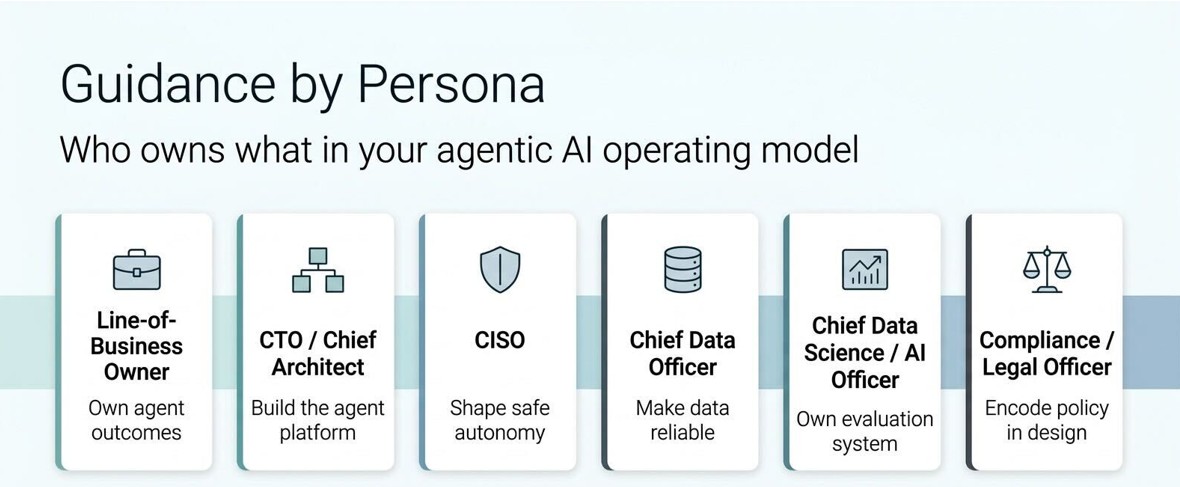
Part II of AWS Generative AI Innovation Center's series highlights key traits for organizations to succeed with agentic AI. Leaders must define clear roles, responsibilities, and metrics to ensure agentic AI is tied directly to business outcomes.
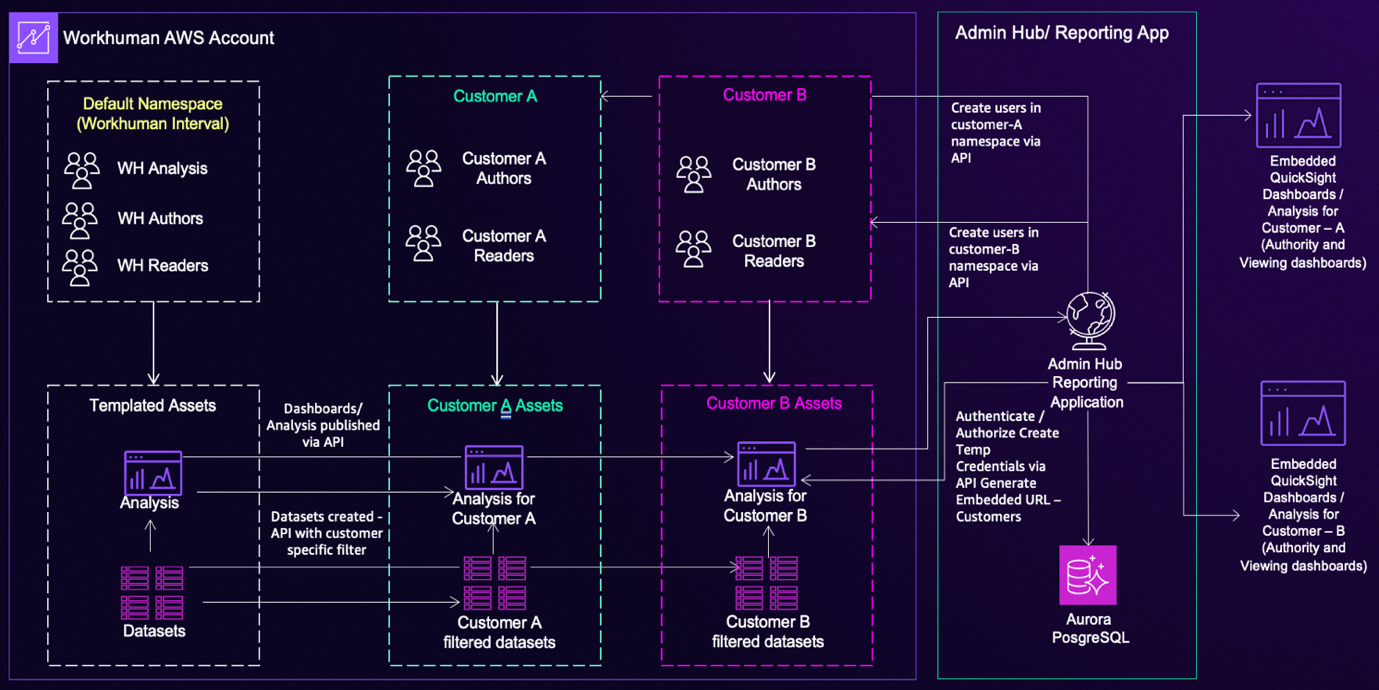
Workhuman transformed analytics delivery with Amazon QuickSight, providing custom reporting capabilities to 7M users worldwide. By empowering customers to create visualizations themselves, Workhuman improved operational efficiency and customer satisfaction.

AWS and NVIDIA announced expanded collaboration at NVIDIA GTC 2026 for AI solutions in production, including 1 million NVIDIA GPUs on AWS Regions. New Amazon EC2 instances with NVIDIA RTX PRO 4500 Blackwell Server Edition GPUs offer enhanced performance for various workloads.
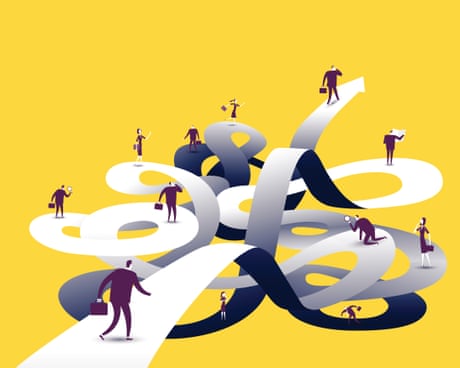
Atlassian layoffs spark AI job debate. Anthropic's AI tool Claude boosts developer productivity significantly.

Advocates propose a four-day work week to improve work-life balance and productivity by reducing meeting times and streamlining workflows. Despite its potential benefits, widespread adoption of this model has yet to occur.

Dr. Nafisa Baba-Ahmed urges universities to redefine student learning amidst AI concerns. AI industrializes academic shortcuts already prevalent, not invents them.
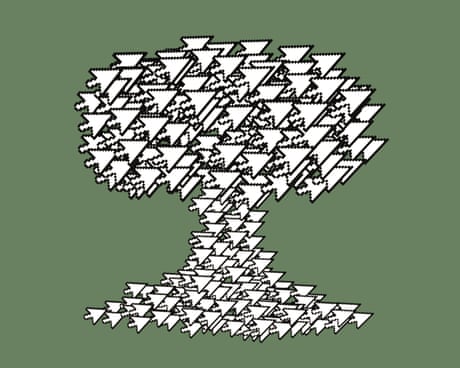
AI warfare escalates with precision weapons causing civilian casualties, highlighting the urgent need for regulation and ethical considerations. Israeli military's "fog procedure" exemplifies the dangerous consequences of using AI in combat, blurring the lines between deterrence and indiscriminate violence.

Farbod Mehr creates AI singer Nava, whose song resonates with Iranians amid turmoil in 2026. Nava's lyrics draw from poet Aref Qazvini, offering hope in the face of political unrest and foreign attacks.

AI chatbots may fuel delusional thinking in vulnerable individuals, as per Lancet Psychiatry study. Authors recommend clinical testing with mental health professionals.
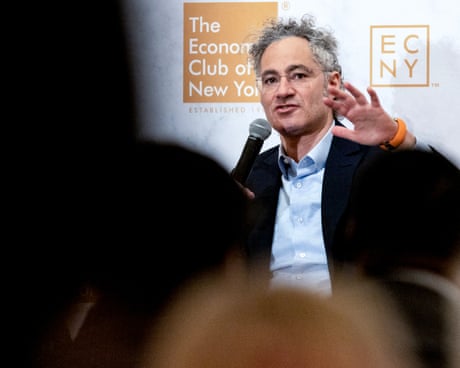
Palantir CEO predicts AI will impact electoral landscape, especially women voters. Is it a warning or a sales pitch?