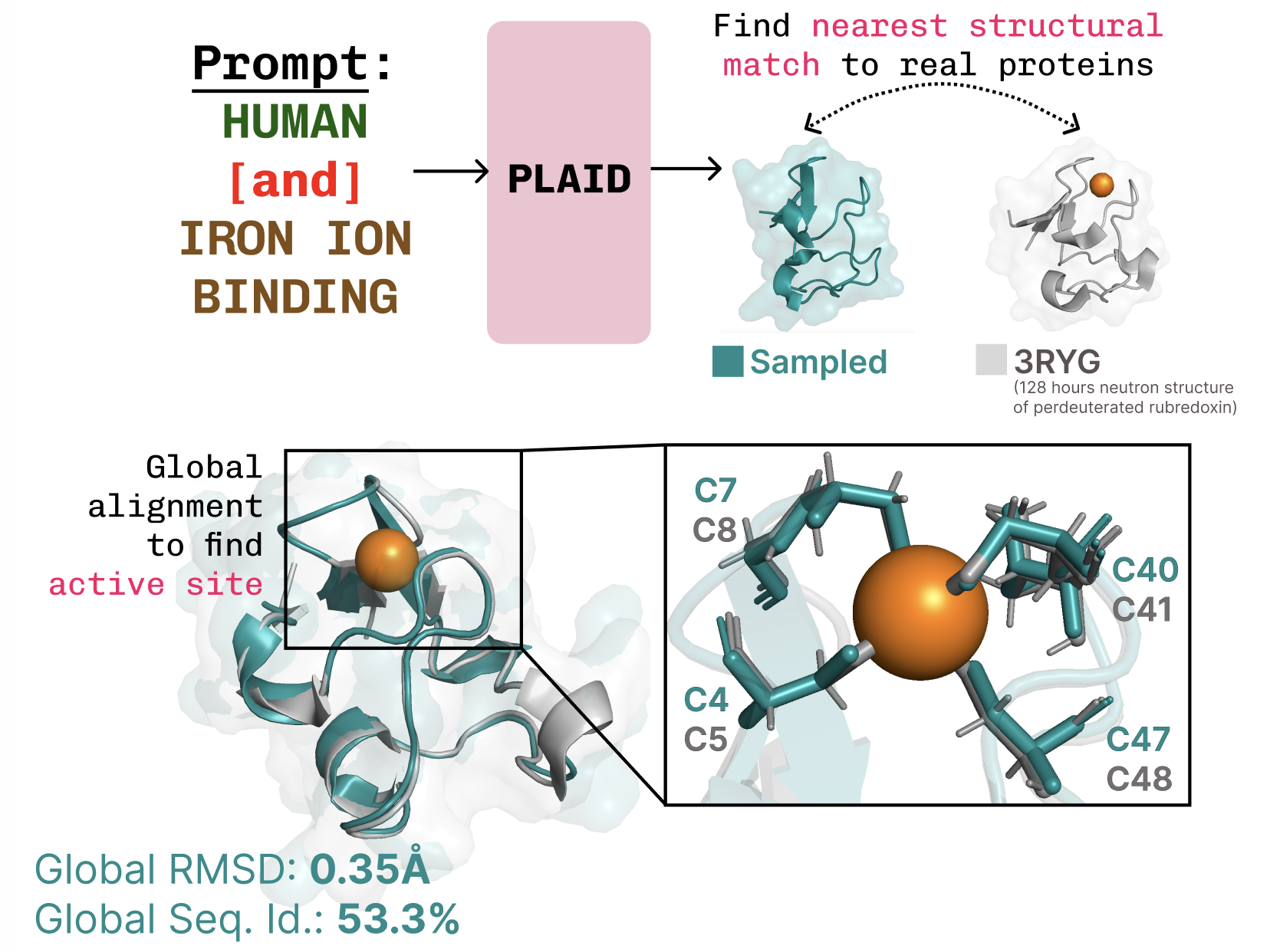
PLAID, a model that generates protein sequences and structures, reflects AI's role in biology. The model addresses challenges like all-atom generation and organism specificity, aiming to generate useful proteins efficiently.
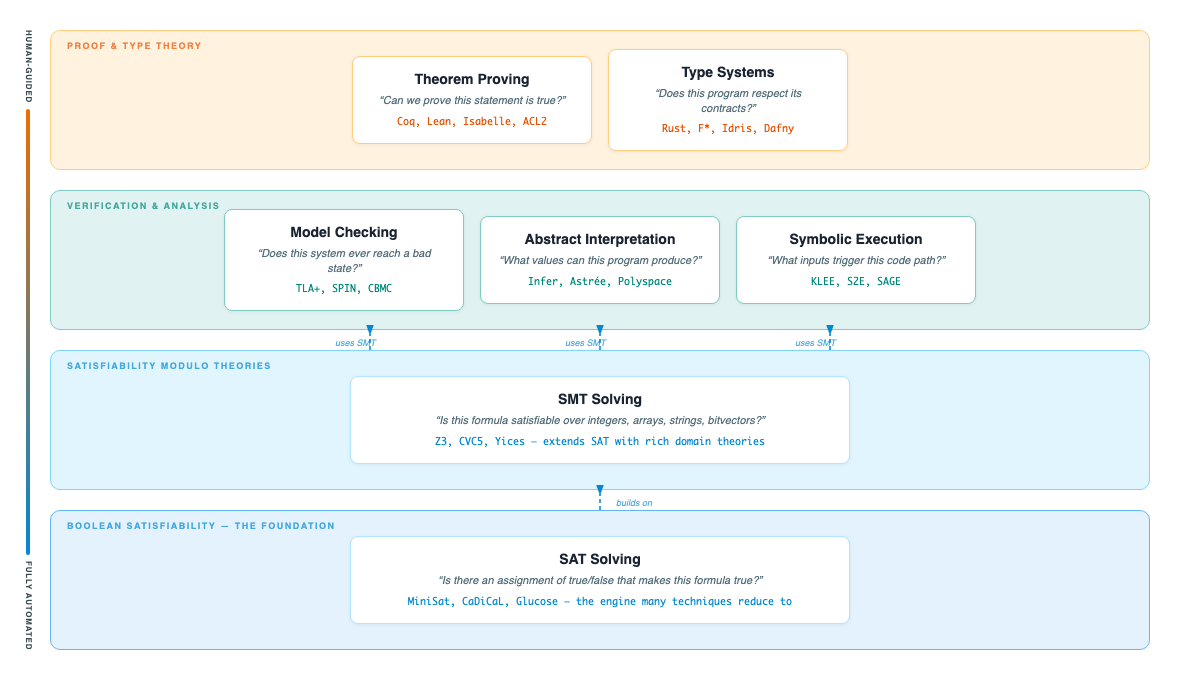
Automated Reasoning checks in Amazon Bedrock Guardrails ensure mathematically proven, auditable AI outputs for regulated industries. By using formal verification methods, compliance teams can achieve provably correct results, addressing the limitations of probabilistic AI validation.

Google introduces Skills in Chrome within Gemini, allowing users to save AI prompts as reusable workflows. This feature streamlines tasks across multiple tabs, offering a glimpse into the future of browser-level AI agents.
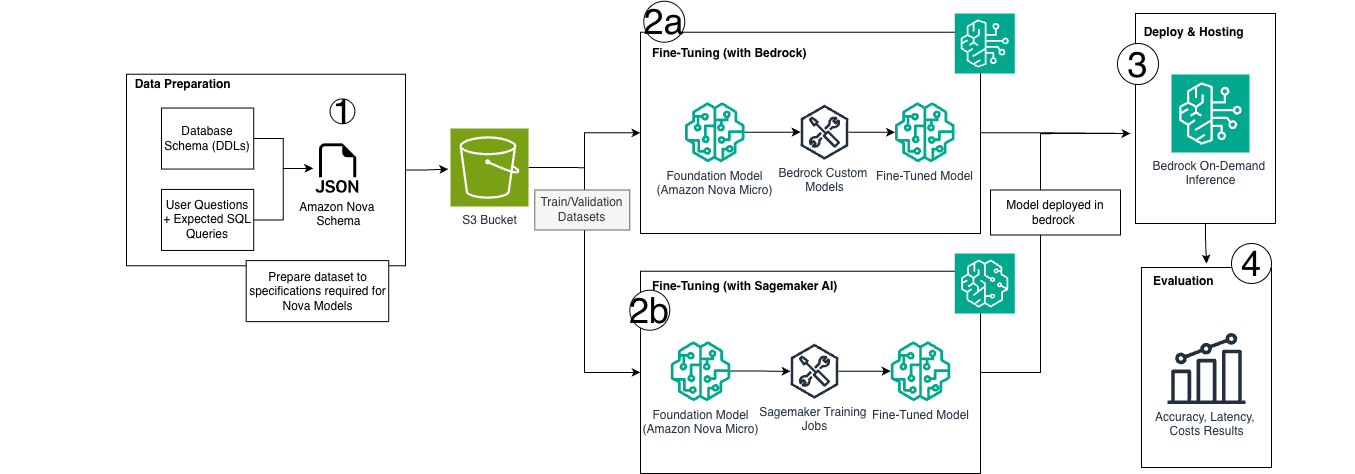
Text-to-SQL challenges are tackled with Amazon Bedrock and Nova Micro models, offering cost-efficient custom solutions. Fine-tuning LoRA adapters for custom SQL dialects ensures performance without persistent hosting costs.
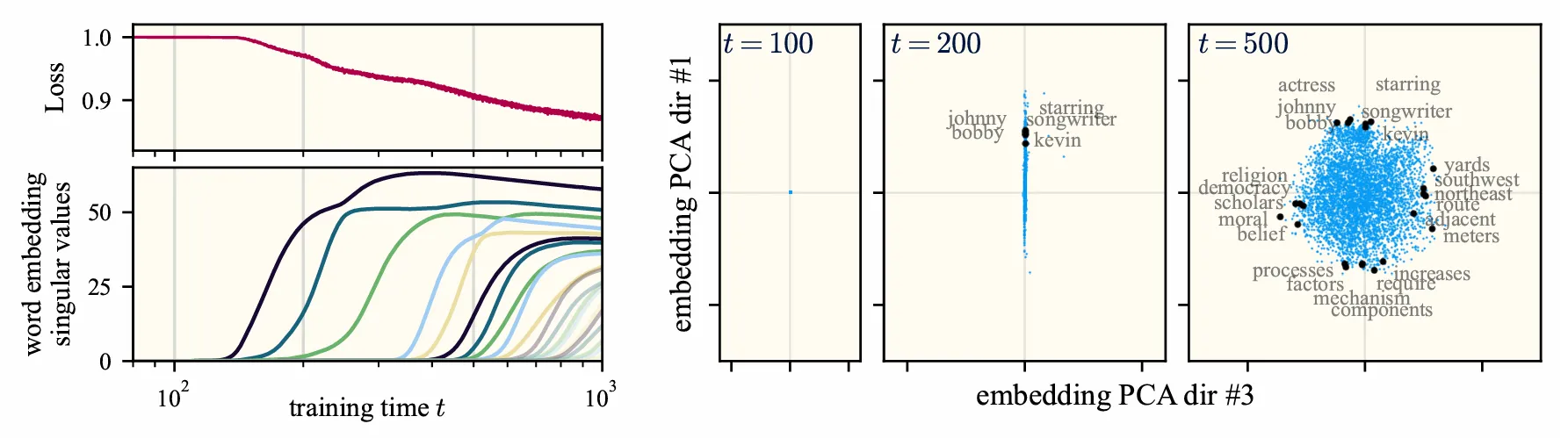
Researchers have uncovered the learning dynamics of word2vec, revealing its linear structure and sequential steps. The algorithm's minimal neural model provides insights into feature learning in advanced language tasks.
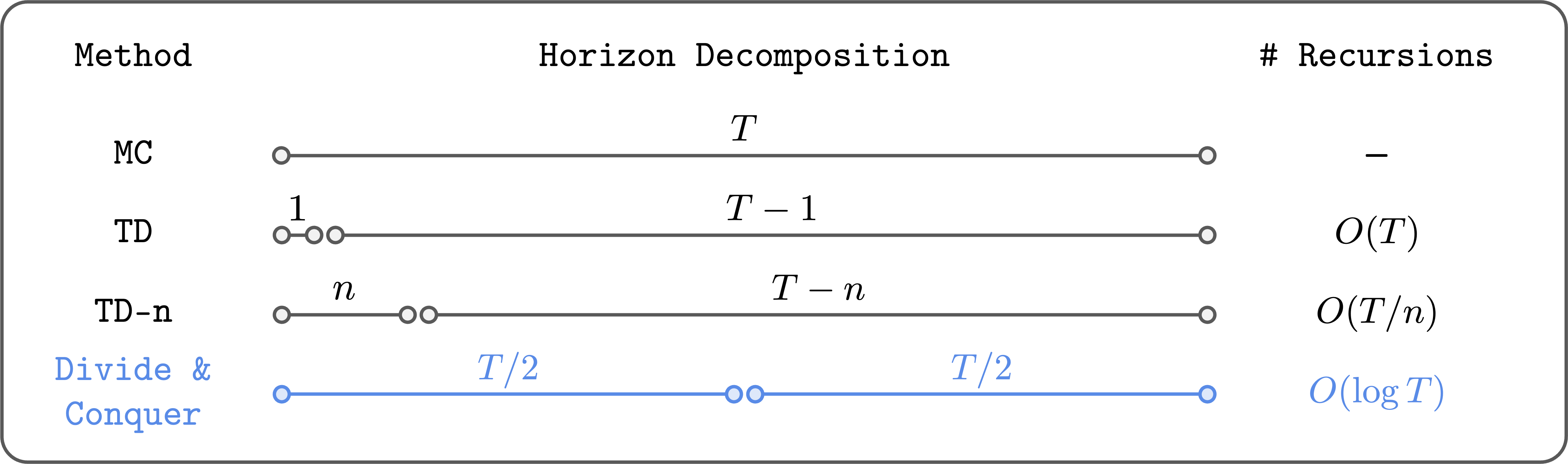
New divide and conquer RL algorithm challenges traditional TD learning, offering scalability to long-horizon tasks. Off-policy RL allows flexibility with old data, crucial for complex domains like robotics and healthcare.

Data, not algorithms, drives AI value. Companies like Amazon, Google, and Microsoft excel due to proprietary high-quality datasets. Data quality is crucial for AI success, making it the strategic asset for competitive advantage in the 21st century.
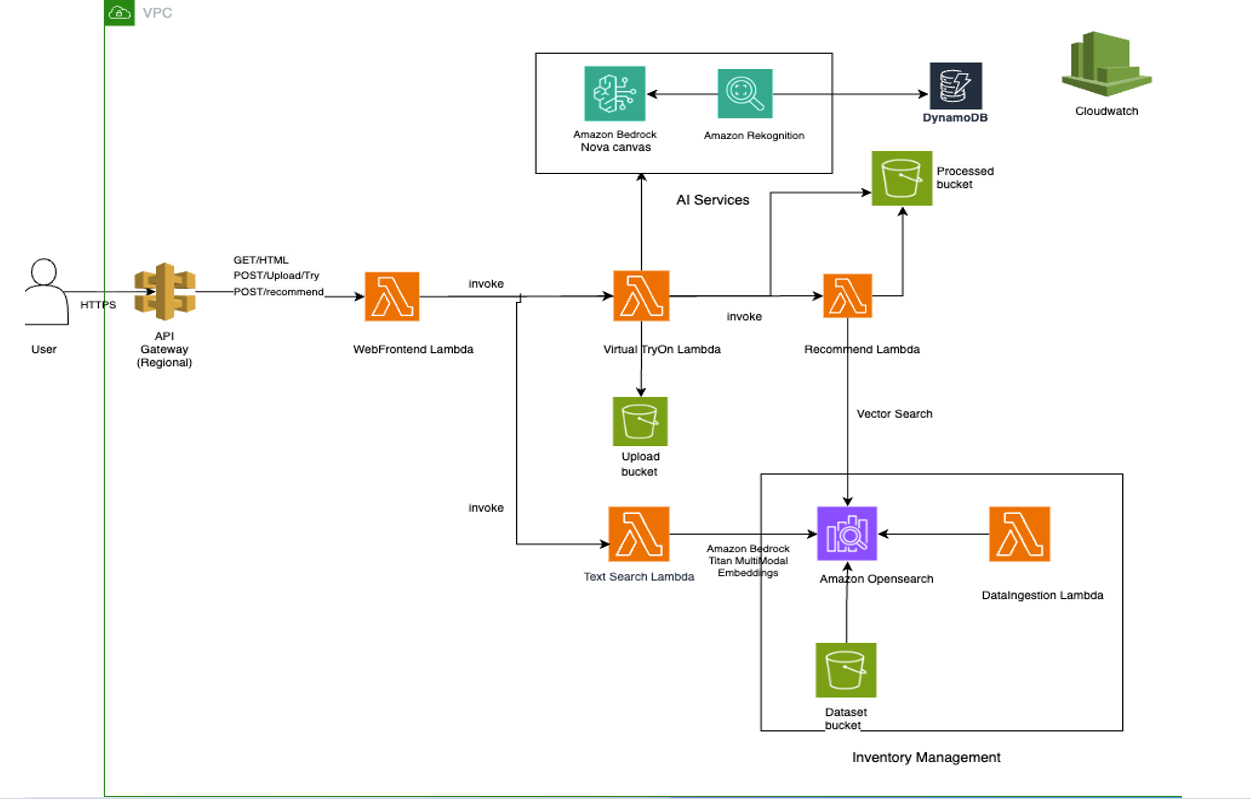
Retailers face challenges with online shopping, leading to increased returns and decreased confidence. Implementing virtual try-on technology with Amazon Nova Canvas and Rekognition can boost profitability and customer satisfaction. The AI-powered, serverless retail solution on AWS includes virtual try-on, smart recommendations, smart search, and analytics for a seamless online shopping experie...
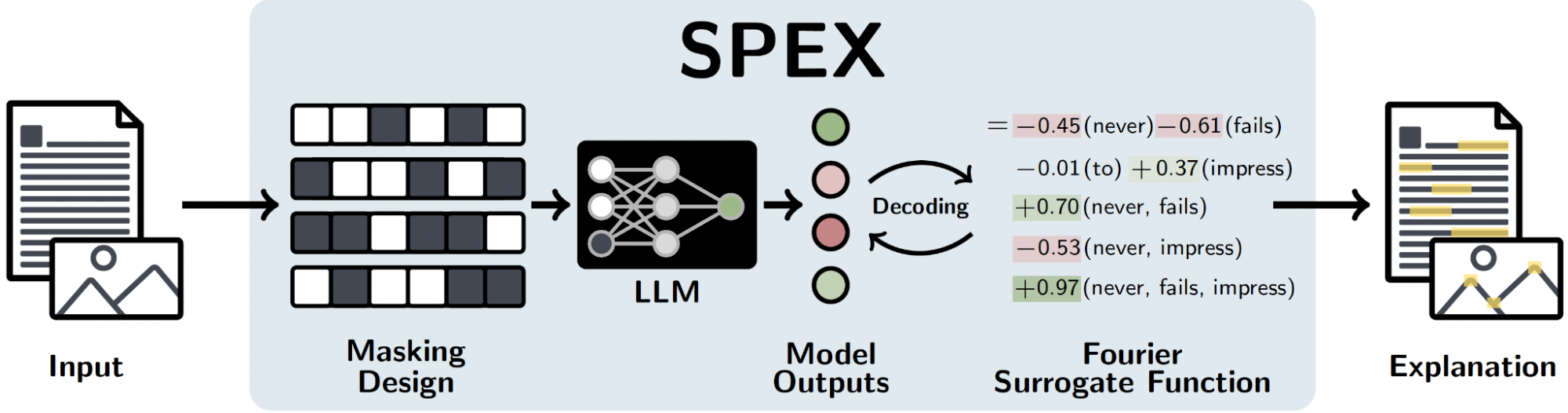
Understanding complex machine learning systems like Large Language Models (LLMs) is crucial for AI. New algorithms like SPEX and ProxySPEX aim to identify critical interactions at scale by measuring influence through ablation, isolating drivers of decisions with the fewest possible perturbations.
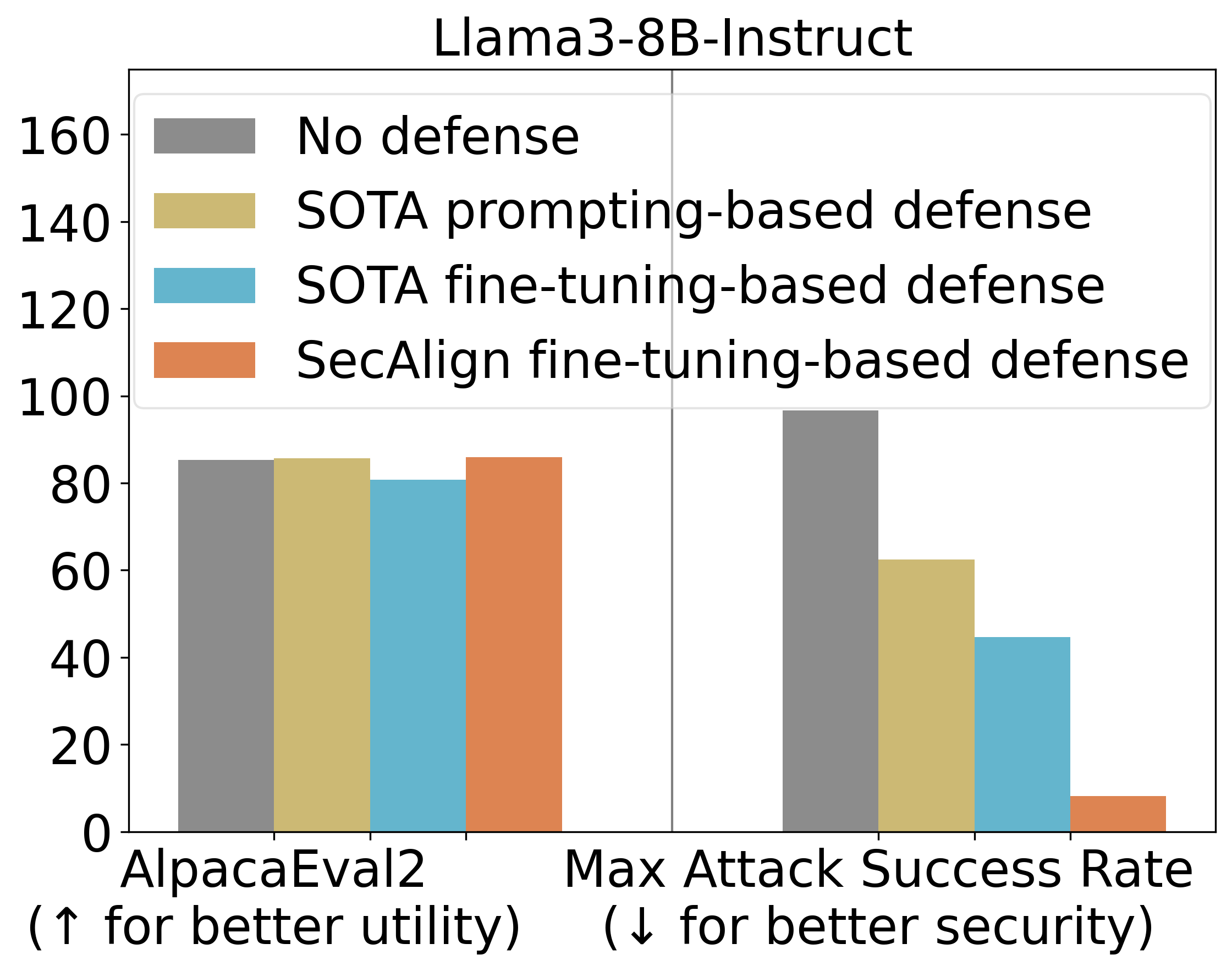
Recent advances in Large Language Models (LLMs) enable exciting integrated applications, but prompt injection attacks pose a major threat. StruQ and SecAlign are proposed defenses to mitigate prompt injection threats in LLM systems like Google Docs and ChatGPT.
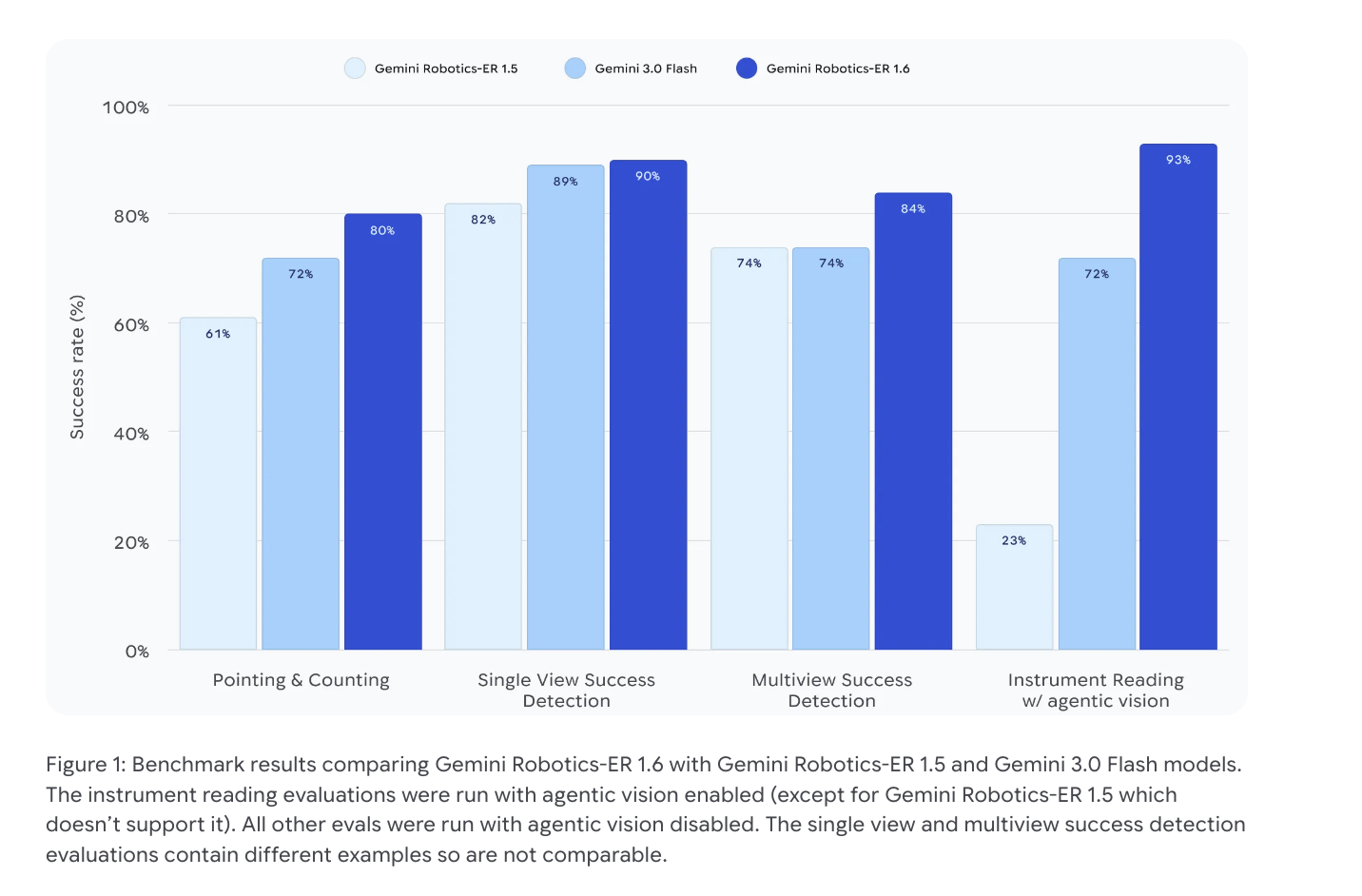
Google DeepMind introduces Gemini Robotics-ER 1.6, an upgrade enhancing robot reasoning capabilities for real-world tasks. The model acts as a high-level strategist, guiding physical actions through advanced spatial reasoning and instrument reading.

AI is now being used by companies for job interviews. Share your experience of AI-conducted interviews.
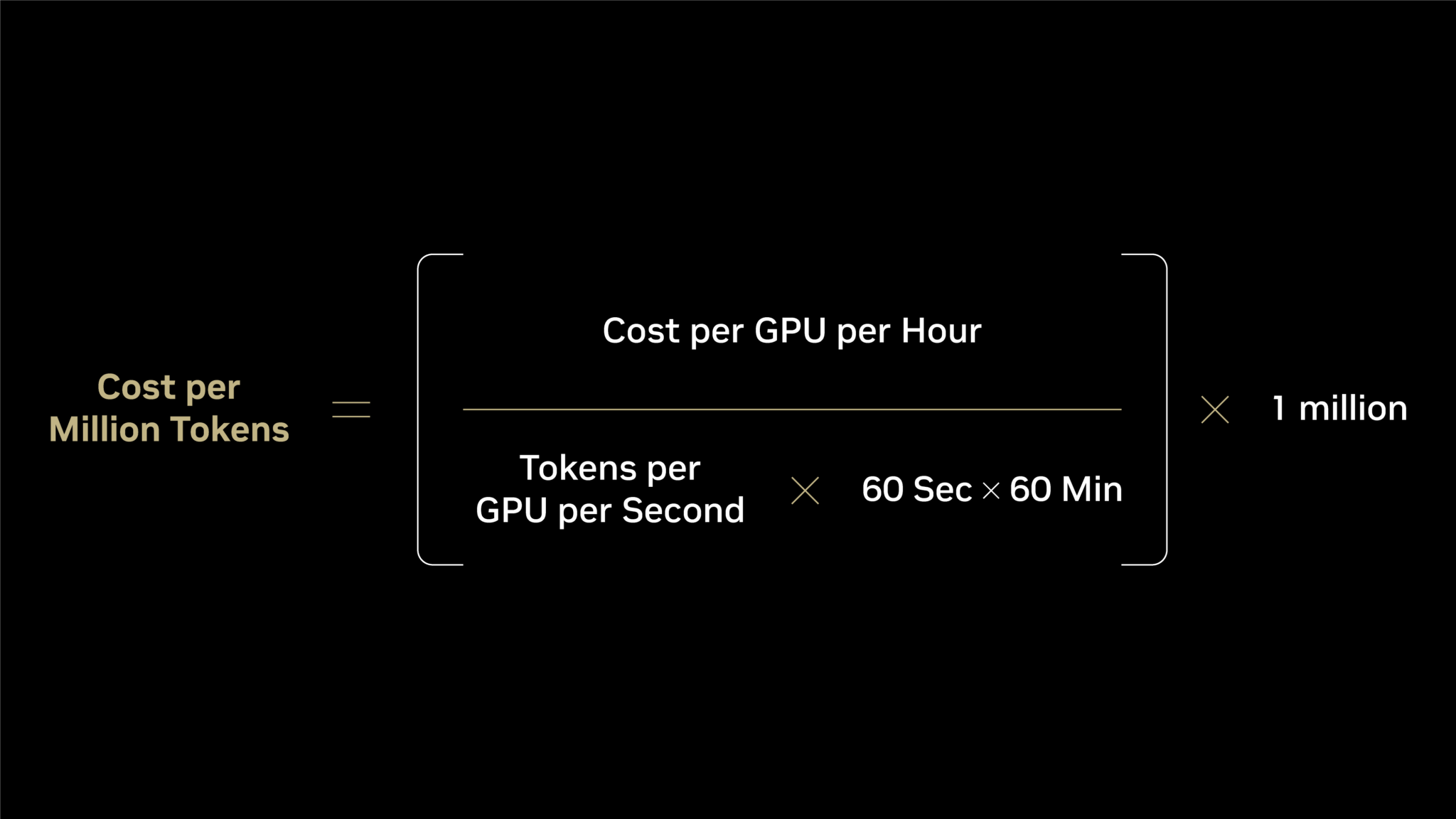
Data centers have shifted to AI token factories, focusing on cost per token rather than raw compute power. NVIDIA offers the lowest cost per token in the industry, maximizing revenue and profit margins.

AI tool assists BBFC in classifying UK HBO Max TV shows like The Pitt and Game of Thrones spinoff by flagging contentious scenes for human review. Tool helps identify compliance issues like violence, nudity, and bad language.
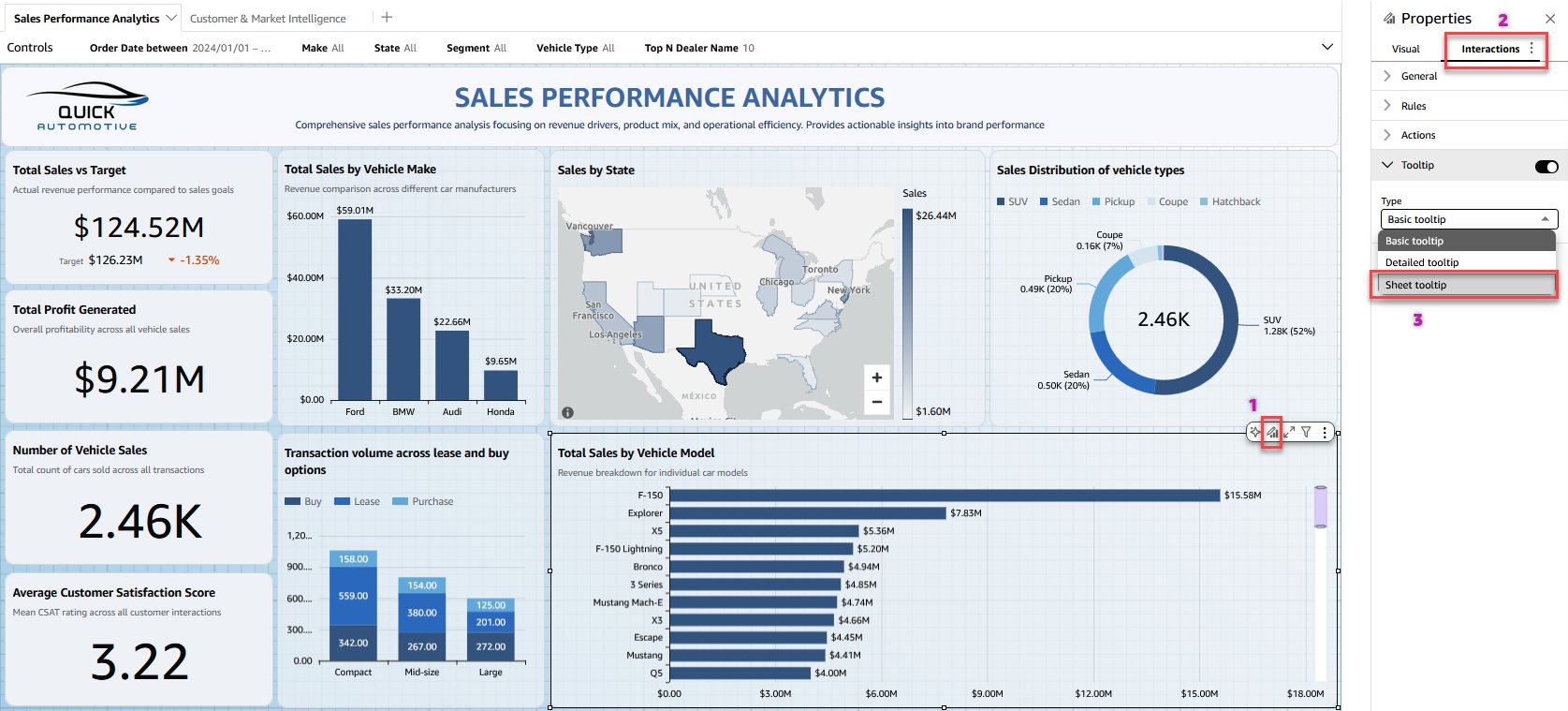
Amazon Quick Sight introduces sheet tooltips, allowing dashboard authors to create custom tooltip layouts with various visual components. This feature enhances data storytelling by providing dynamic, real-time information on hover, improving the overall user experience and insight delivery.