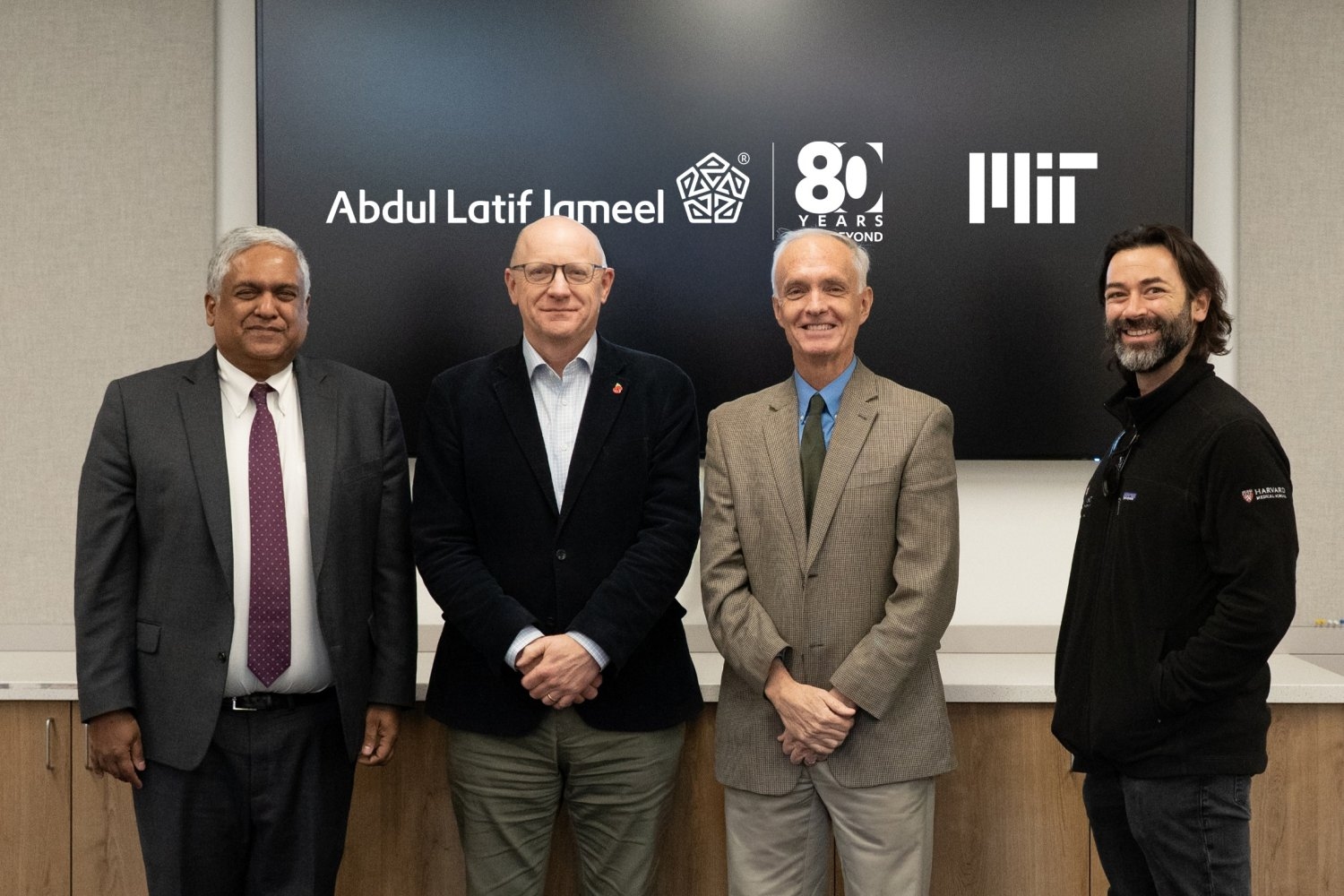
MIT's James J. Collins leads a $3 million project using AI and synthetic biology to combat antimicrobial resistance globally, sponsored by Jameel Research. The project aims to develop targeted antibacterials to address the rise of drug-resistant infections, with a focus on real-world impact.
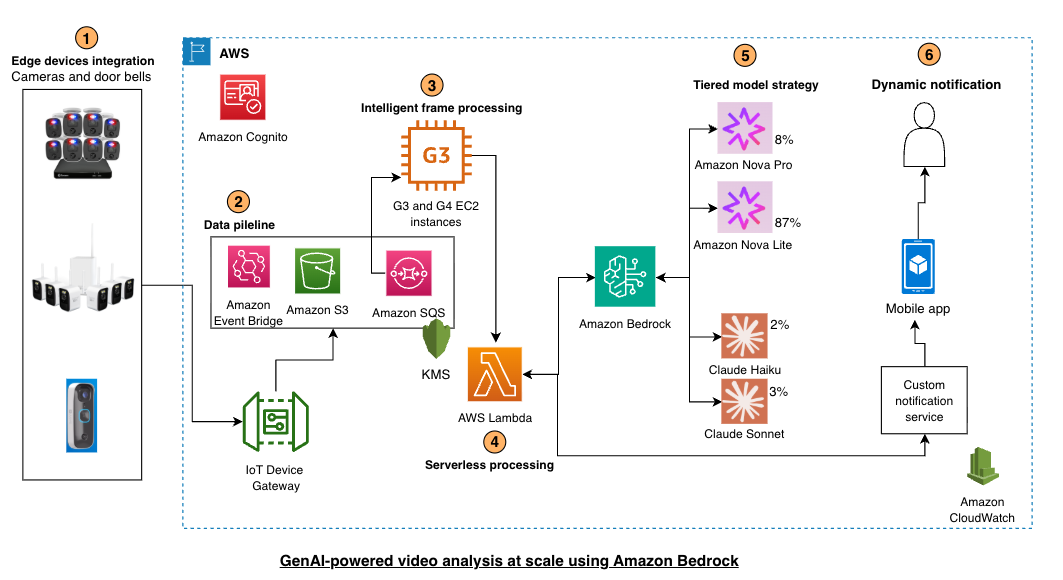
Swann Communications partnered with Amazon Web Services (AWS) to develop a multi-model generative AI notification system for IoT devices. This intelligent filtering system distinguishes between relevant security threats and false alerts, improving user experience and system effectiveness.

AI transcription tools used by councils in England and Scotland are inaccurately flagging suicidal ideation and producing gibberish in social work records. Keir Starmer praised the time-saving technology, but research reveals AI-generated hallucinations are a concerning issue in 17 councils.

AI startup Lunos used a $3,500 cowboy stunt to promote their launch in NYC. The viral content strategy drove online sales conversations.
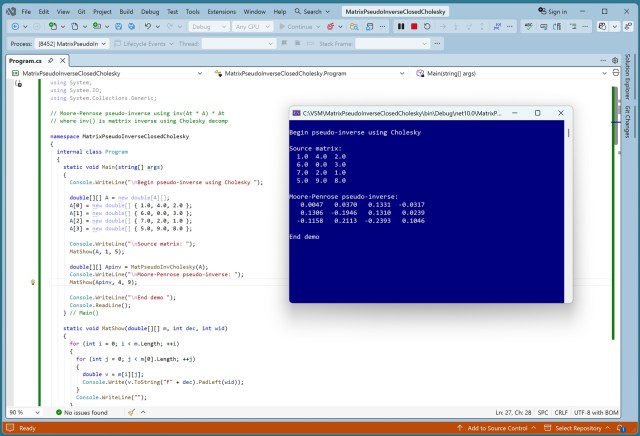
In machine learning, non-square matrix inverses can be computed using the Moore-Penrose pseudo-inverse or Cholesky decomposition. A demo in C# showcases the simpler Cholesky method, contrasting the complex SVD algorithm.

Citizen surveillance normalized as Bunnings adopts facial recognition tech, raising concerns about Australia's readiness for AI. Tribunal decision allowing Bunnings' use of intrusive AI highlights lack of privacy protection.

Moltbook, a social media site for AI agents, sparks debate on tech firms' claims of AGI and singularity. Critics worry about bots discussing religion and plotting against humanity, echoing billboards in San Francisco.
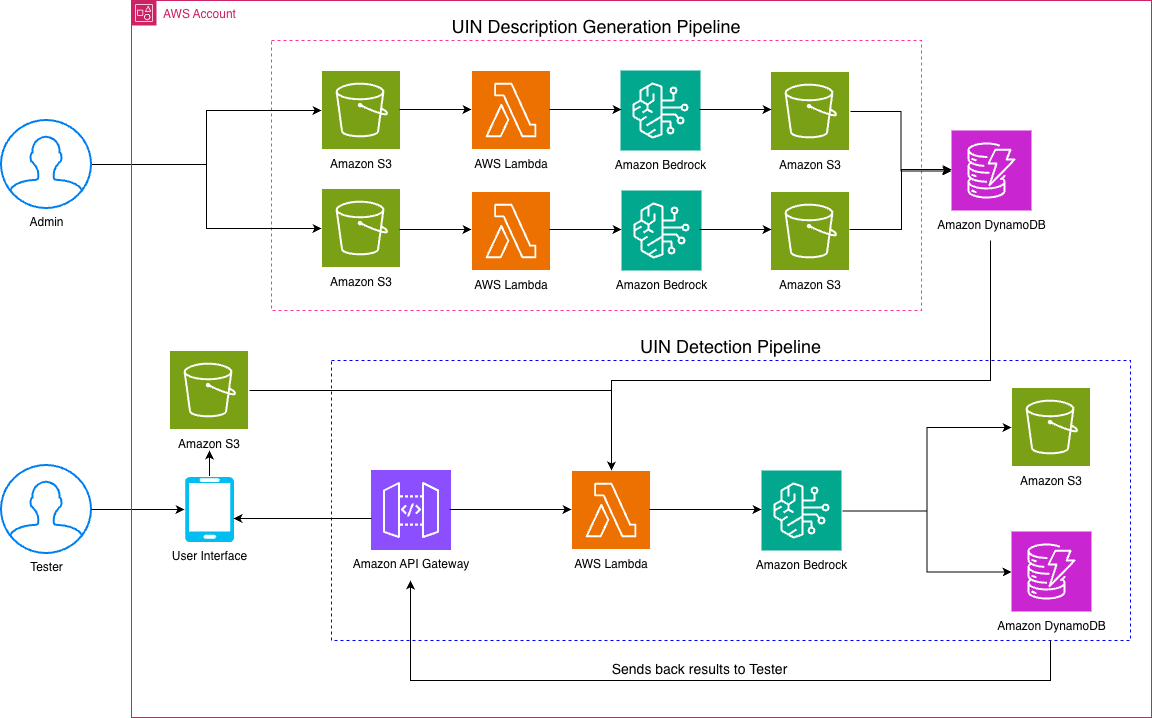
Amazon's GES team uses Amazon Nova models to automate operational readiness testing, reducing manual efforts and improving accuracy in fulfillment centers. The AI-powered image recognition solution streamlines verification processes, enhancing efficiency and precision in facility launches.
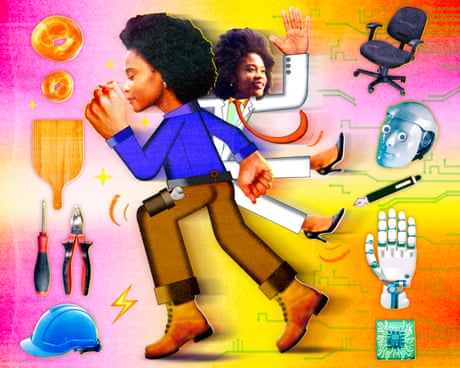
AI job losses prompt shift to traditional trades. Writer Jacqueline Bowman faces lower pay and editing AI-generated content.

Tech giants Alphabet, Amazon, Microsoft, and Meta plan to invest $600bn in AI. Persian Gulf countries seek AI sovereignty amid US instability.
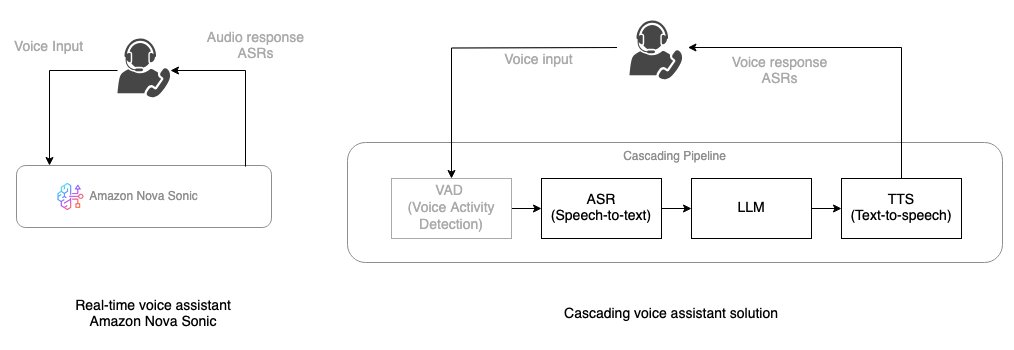
Voice AI agents like Amazon Nova Sonic are transforming digital experiences with real-time, human-like conversations. Compared to cascading architectures, Nova Sonic's end-to-end model offers faster response times and smoother interactions, enhancing user experience across industries.

Telstra to cut 200 jobs after $700m JV with Accenture, outsourcing to India for AI capabilities.
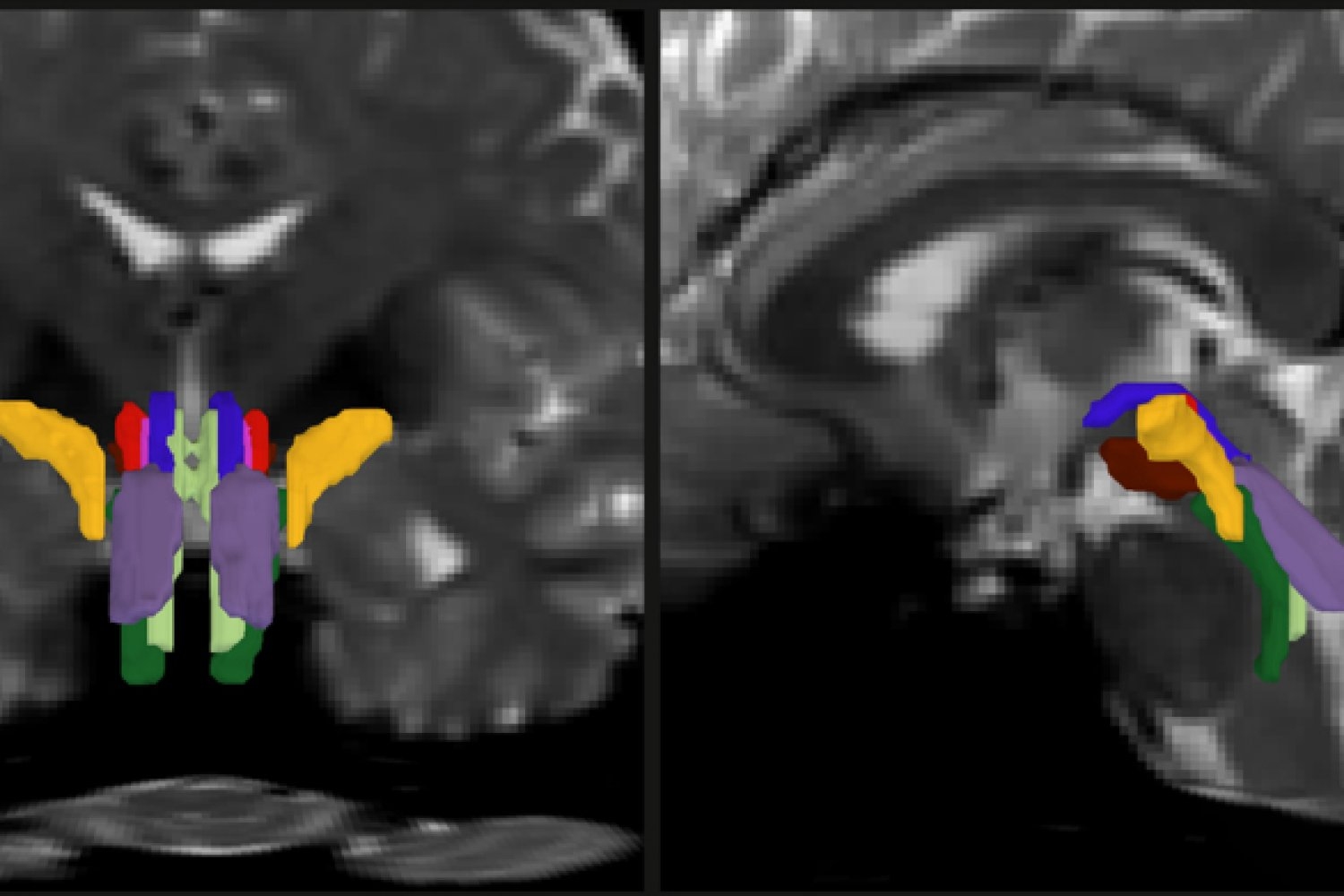
MIT, Harvard, and MGH researchers develop AI software, BSBT, to segment brainstem white matter fibers, revealing insights into neurodegenerative diseases and trauma. The study showcases BSBT's ability to track bundle healing in coma patients, offering new understanding of brainstem function and disorders.
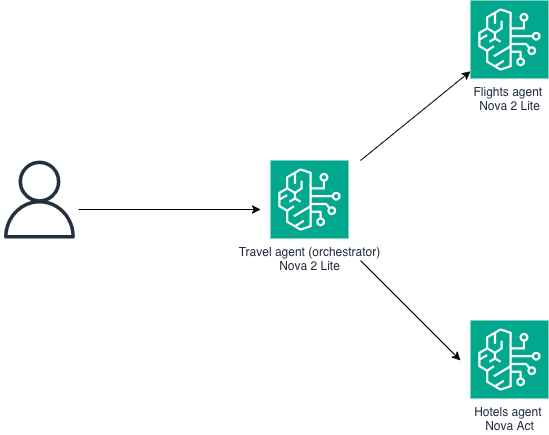
Amazon Bedrock's agent-to-agent collaboration transforms a single-agent setup into a multi-agent system, with Amazon Nova 2 Lite for planning and Amazon Nova Act for browser interaction. The solution splits tasks across agents, with the Travel Agent coordinating, the Flight Agent handling structured data, and the Hotel Agent managing dynamic elements, ensuring efficient and seamless workflow.
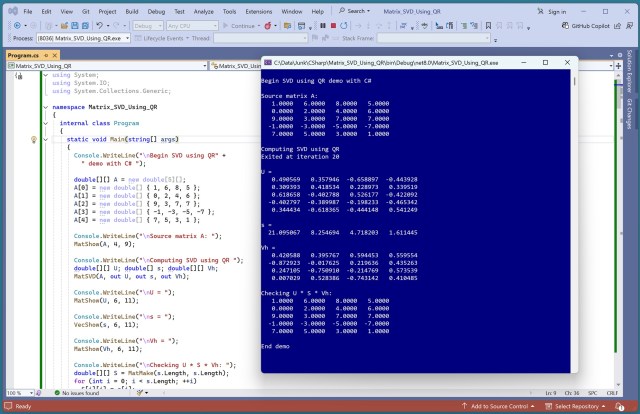
New technique approximates SVD using QR decomposition for simpler computation, yielding accurate results. Implementation in Python and C# languages shows promising results matching NumPy's svd() function.