SpaceX may merge with Tesla or partner with xAI before $1.5tn stock market flotation, reports say. Elon Musk exploring options to strengthen his global empire.
Left-of-centre thinktank IPPR calls for AI-generated news to have “nutrition” labels. Tech companies must pay publishers for content used.
Summary: Microsoft Visual Studio Magazine's January 2026 edition explores Quadratic Regression with SGD Training using C#. Quadratic regression enhances linear regression for handling complex data, offering better model interpretability despite slightly lower prediction accuracy compared to neural networks.
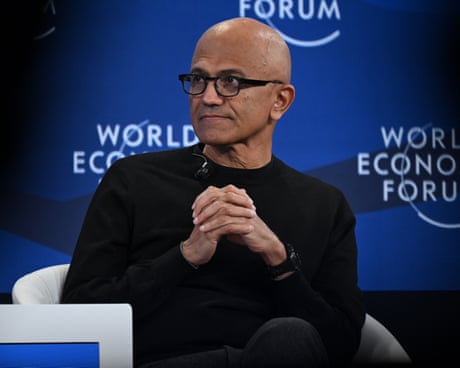
Microsoft reports $81.27bn in Q2 revenues, despite slowing cloud growth. Strong financial results show AI boom continues for the company.

Google DeepMind's AlphaGenome can analyze 1m DNA letters, aiding in identifying genetic drivers of disease for new treatments. The AI tool predicts how mutations impact gene control, offering insights on biological volume settings.
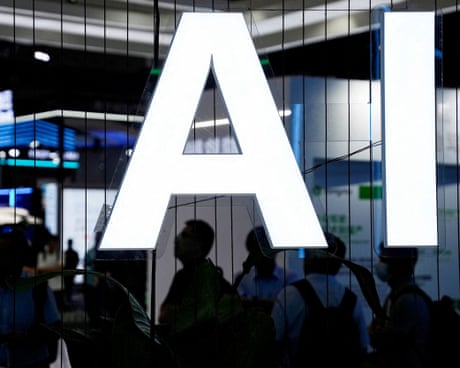
Alibaba's CEO envisions AI-driven intelligent revolution with AGI and ASI, unlocking human potential at unimaginable speeds. Beijing's AI policy focuses on real-life applications while Chinese companies articulate grand visions for the future.
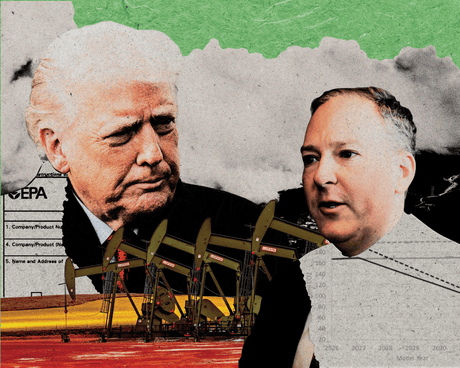
Critics slam EPA under Trump's second term for rolling back protections, supporting polluters. Agency shifts focus to coal, gas-guzzling cars, and AI, loosening pollution rules.
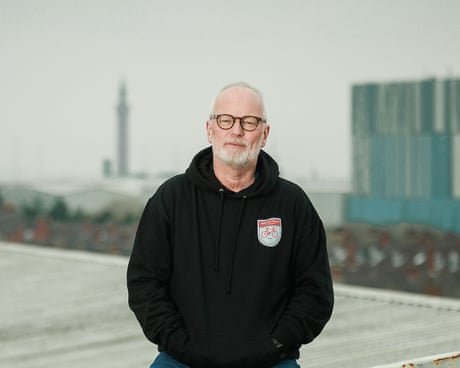
UK considers universal basic income to support workers affected by AI disruption, says investment minister Jason Stockwood. Lord Stockwood suggests concessionary arrangements for jobs lost due to technology.
UK competition watchdog proposes measures to give web publishers power to stop Google scraping content for AI Overviews, impacting revenue due to decreased click-through traffic to original journalism. News organisations aim to increase leverage to get paid if content is used in AI summaries, addressing concerns over Google's dominance in online search.

South Korea introduces comprehensive AI laws, facing criticism from tech startups and civil society groups. Companies must label AI-generated content, with strict regulations for high-impact AI systems.

UK technology secretary warns of job losses due to AI deployment, plans to train 10 million Britons in AI skills to adapt to workforce changes. Liz Kendall acknowledges concerns about potential redundancies in graduate entry jobs in industries like law and finance.
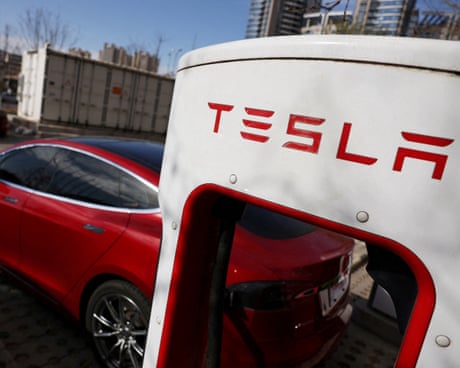
Tesla CEO Elon Musk announced the discontinuation of Model X and Model S production, signaling a shift away from electric cars. Despite revenue decline, high hopes for the Optimus robot helped the company beat forecasts.
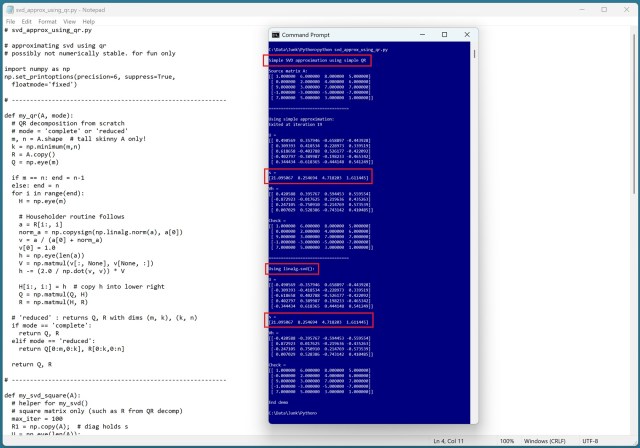
A simple, yet slow SVD approximation technique using QR decomposition in Python. Breaks down complex SVD computation into manageable sub-problems.

Ministers accept $1m from Meta for AI systems, raising concerns about UK's ties with 'Trump-supporting' tech firms. Mark Zuckerberg's company funds cutting-edge AI solutions for national security and defence.
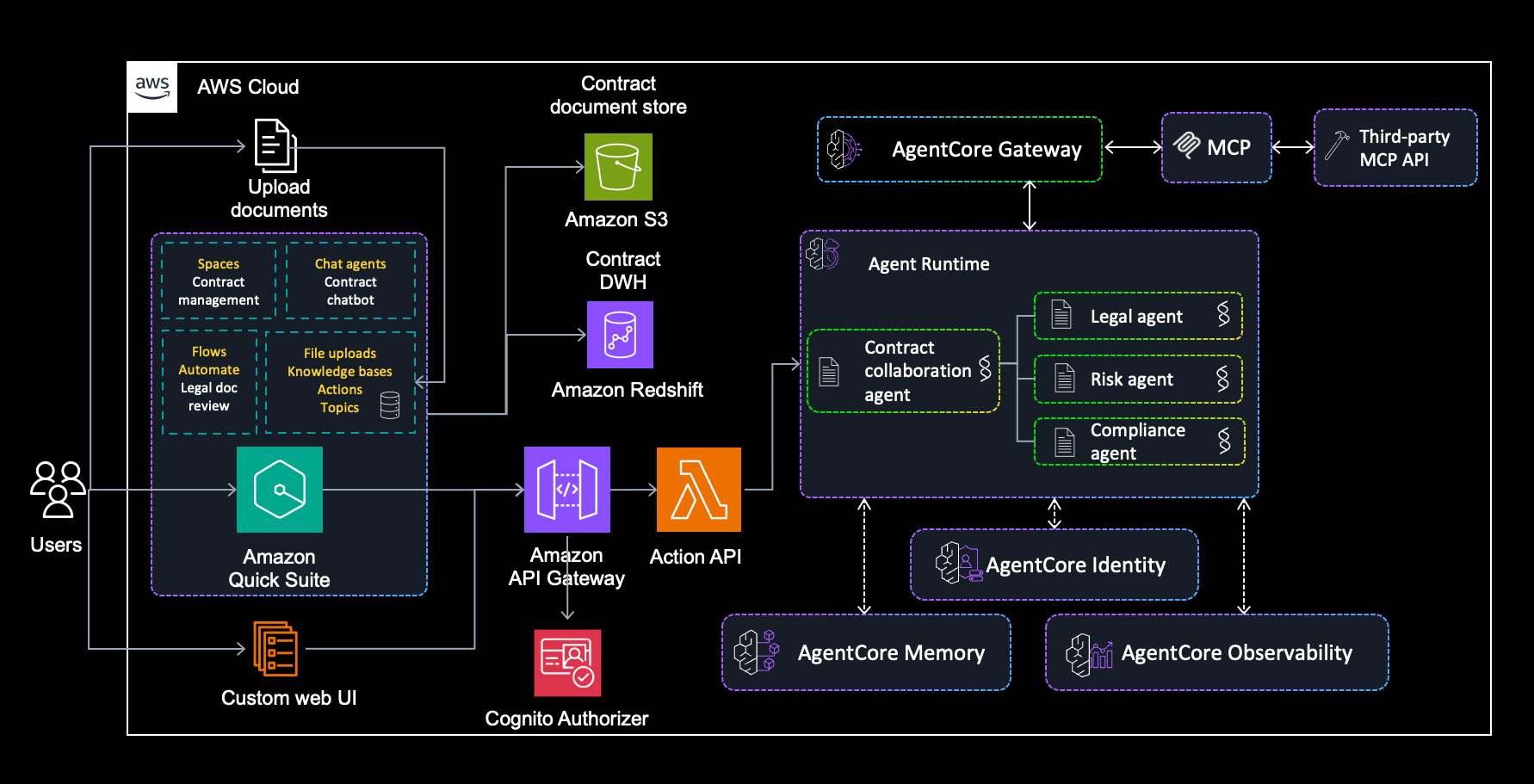
Amazon Quick Suite, augmented with Amazon Bedrock AgentCore, streamlines contract management with multi-agent collaboration for efficient analysis, risk assessment, compliance evaluation, and structured insights. The solution integrates specialized agents, such as legal, risk, and compliance agents, to automate contract processing and reduce review times from days to minutes, revolutionizing co...