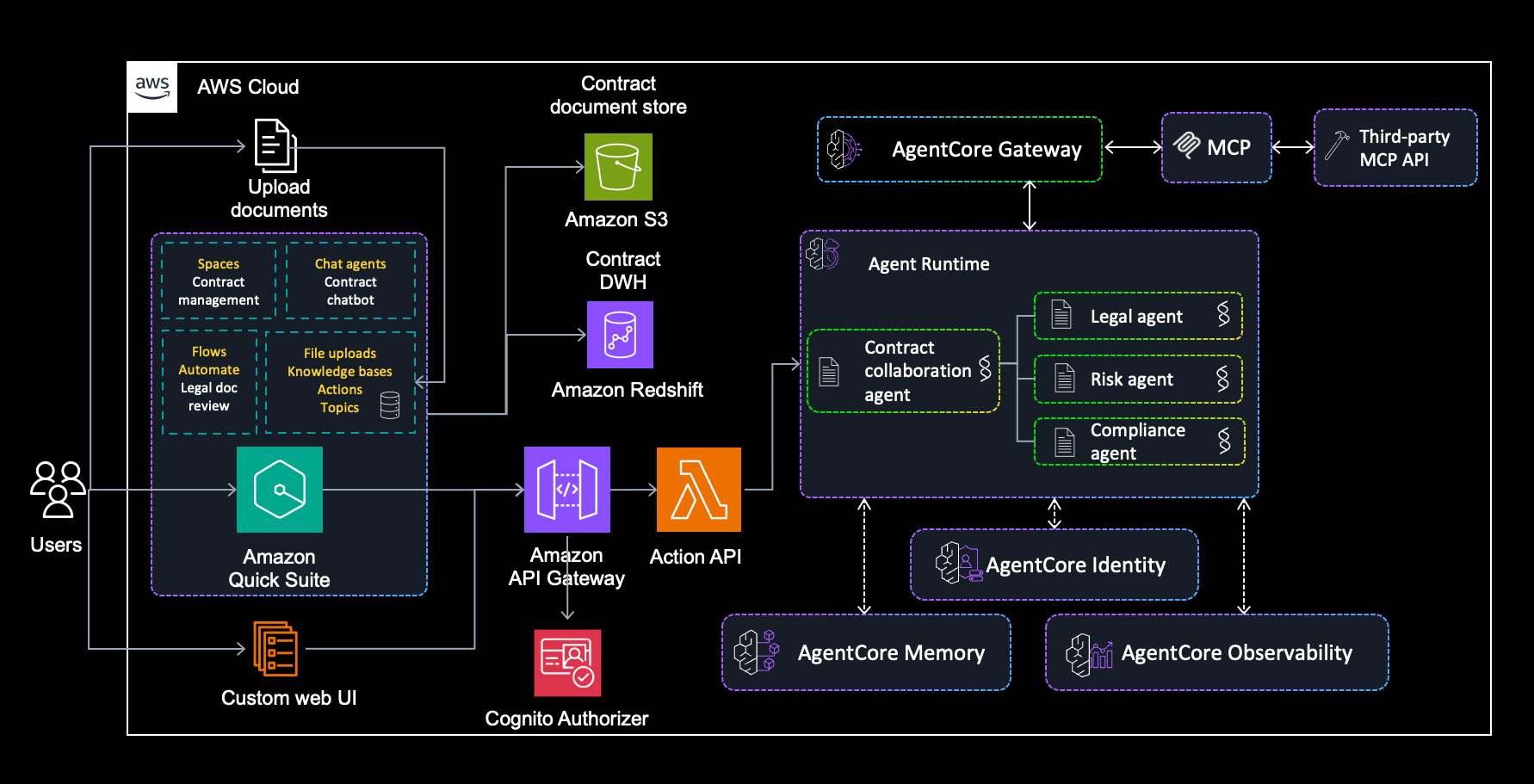
Amazon Quick Suite, augmented with Amazon Bedrock AgentCore, streamlines contract management with multi-agent collaboration for efficient analysis, risk assessment, compliance evaluation, and structured insights. The solution integrates specialized agents, such as legal, risk, and compliance agents, to automate contract processing and reduce review times from days to minutes, revolutionizing co...
Dario Amodei warns of AI power in 'The adolescence of technology', urging awareness of risks and societal impact. Britons fear job loss to AI in next 5 years, as Anthropic CEO questions humanity's readiness for AI advancement.

Just Eat introduces AI voice assistant in UK app to simplify food choices, with global expansion planned. Customers can now receive personalized meal recommendations without having to browse menus, tackling 'choice overload'.
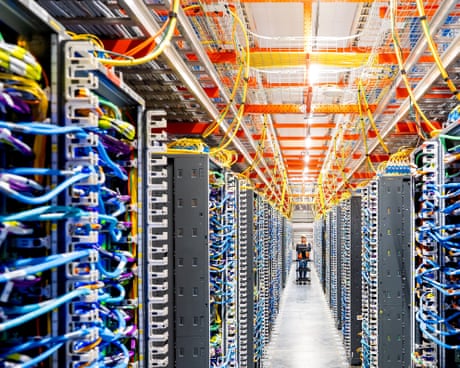
Tech leaders discuss AI's potential at Davos while AI startups face drama. Tesla's success in Texas due to autonomous driving laxity.

British AI startup Synthesia, known for realistic video avatars, sees valuation soar to $4bn. 70% of FTSE 100 are clients.
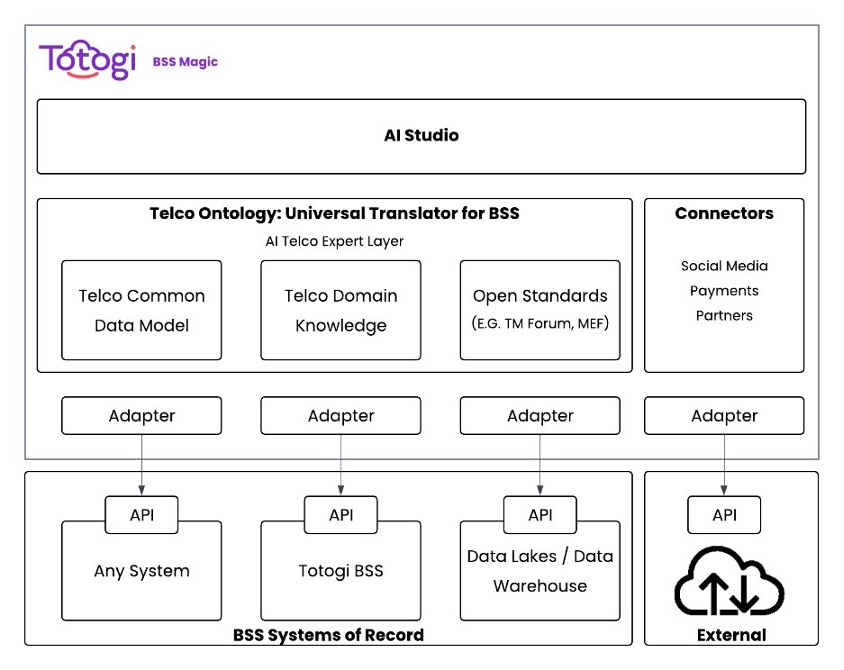
Totogi's BSS Magic streamlines telco change request processing with AI, cutting processing time from 7 days to hours. By leveraging AI and a multi-agent framework, Totogi helps telcos modernize systems without vendor dependencies or lengthy implementations.

NHS England to trial AI and robot-assisted care for faster lung cancer detection. All smokers and ex-smokers to be offered screening by 2030.

Over 70% of UK teens fear starting their careers in the current economic climate, with 1 in 4 young adults feeling they may fail in life, citing AI and lack of work experience as key concerns - King's Trust survey.
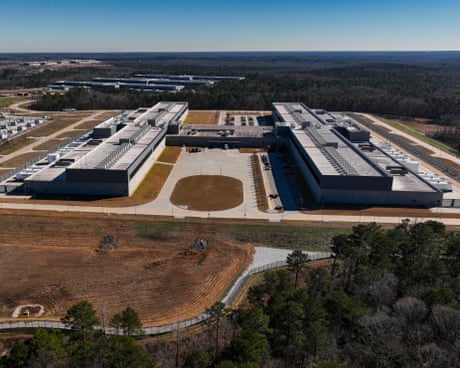
Georgia lawmakers propose first statewide moratorium on new datacenters in US. Maryland and Oklahoma also exploring bans amidst environmental concerns.
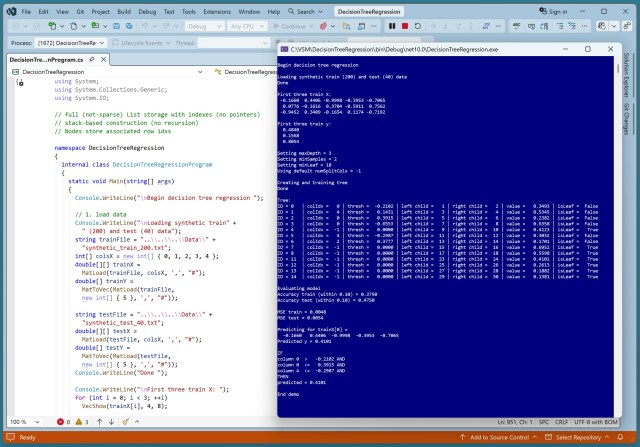
Decision tree regression predicts values using if-then rules in C#. A neural network generated the synthetic data for training and testing.
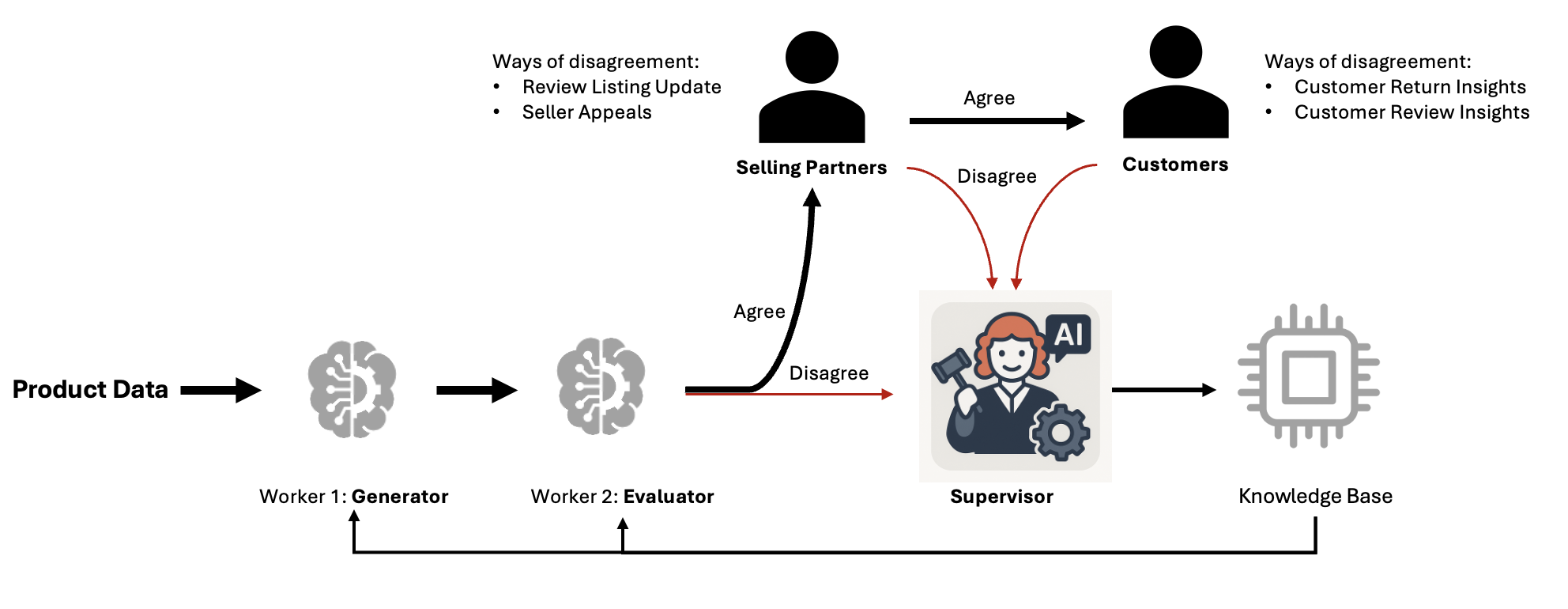
Amazon Catalog Team built self-learning AI system for catalog enrichment, improving accuracy & reducing costs at scale using Amazon Bedrock. Multiple smaller models process routine cases through consensus, invoking larger models only when disagreements occur, leading to decreased costs and increased quality.

AI threatens Australian journalism, favoring US/European media over local sources in Microsoft Copilot summaries, creating news deserts. University of Sydney research shows only 1/5 of Copilot responses include Australian media links.
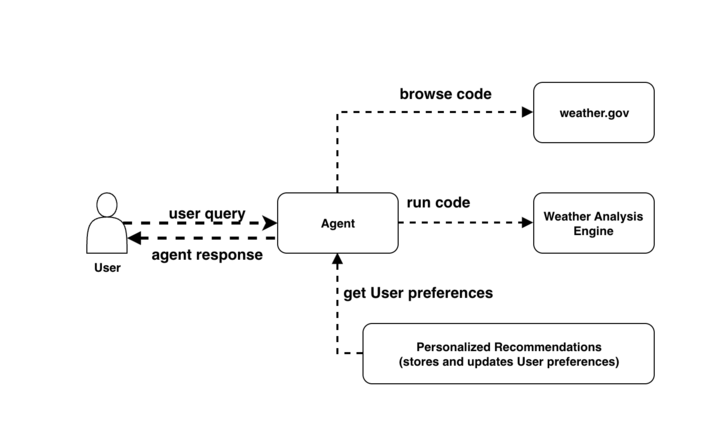
Agentic AI relies on Infrastructure as Code (IaC) for efficient deployment and management, ensuring reliability and scalability. Amazon Bedrock AgentCore now supports IaC frameworks like AWS CDK and Terraform for seamless provisioning of AI agent infrastructure.
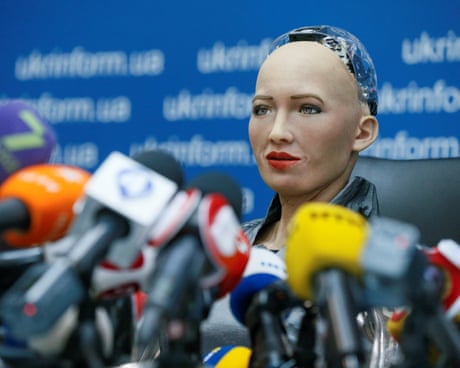
Elon Musk envisions a future with "more robots than people," but trade unions stress the importance of human connection for children's well-being. Tech risks losing social acceptance unless it improves people's lives.

Survey by Randstad shows UK workers fear job loss due to AI, while 66% of employers invest in AI, with 56% promoting AI tools.