
MIT researchers have developed agile flying microrobots that mimic insects' flight, reaching speeds comparable to biological counterparts. The AI-based controller enables the robot to perform gymnastic flight paths, increasing speed and acceleration significantly.

MIT researchers developed a dynamic approach for large language models (LLMs) to allocate computational effort based on question difficulty, improving efficiency and accuracy. This method allows smaller LLMs to outperform larger models on complex problems, potentially reducing energy consumption and expanding applications.

MIT Energy Initiative (MITEI) researchers develop Macro, a new modeling tool for infrastructure planners in the energy sector. Macro allows for better prediction and preparation for future energy needs, considering new technologies, policies, and minimizing costs while maximizing value for everyone.

GPs in the UK increasingly rely on AI tools like ChatGPT for appointment summaries and diagnoses, despite potential risks. Lack of regulation raises concerns about safety and potential legal issues for doctors.

AI-produced music is taking over charts, with fake bands and impersonations causing controversy. Record labels are fighting back against AI-generated tracks.

Spotify Wrapped alienates us from our musical memories, urging us to embrace a corporate scorecard. Take back ownership of your taste and reflect on the records that truly resonate with you.

Silicon Valley faces pushback as consumers rethink upgrades. AI in government shows promise and pitfalls. ChatGPT under fire for dangerous advice.

Hundreds of TikTok accounts generate AI content, amassing 4.5bn views in a month, including controversial material. Researchers found 354 accounts posting 43,000 AI-generated videos, covering anti-immigrant and sexualized content.

AI has become ubiquitous, transforming industries and economies. Beware the risks of creating superintelligent AI, as warned by Yudkowsky and Soares.

OpenAI's CEO declares "code red" to enhance ChatGPT amid fierce competition from Google's Gemini 3. The San Francisco-based startup faces a pivotal moment in improving its chatbot technology.

Massive heat from constant server operation drives increasing power demand in Australian datacentres. Energy use may surpass electric vehicles by 2030, with a projected tripling of power demand in the next five years.

AI and robotics will transform the world, impacting economy, warfare, and more. Super-intelligent AI could replace humans in controlling the planet.

Anthropic's chief scientist warns of AI autonomy's potential 'intelligence explosion' by 2030. Humanity faces a crucial decision on granting self-training power to AI systems, risking loss of control.
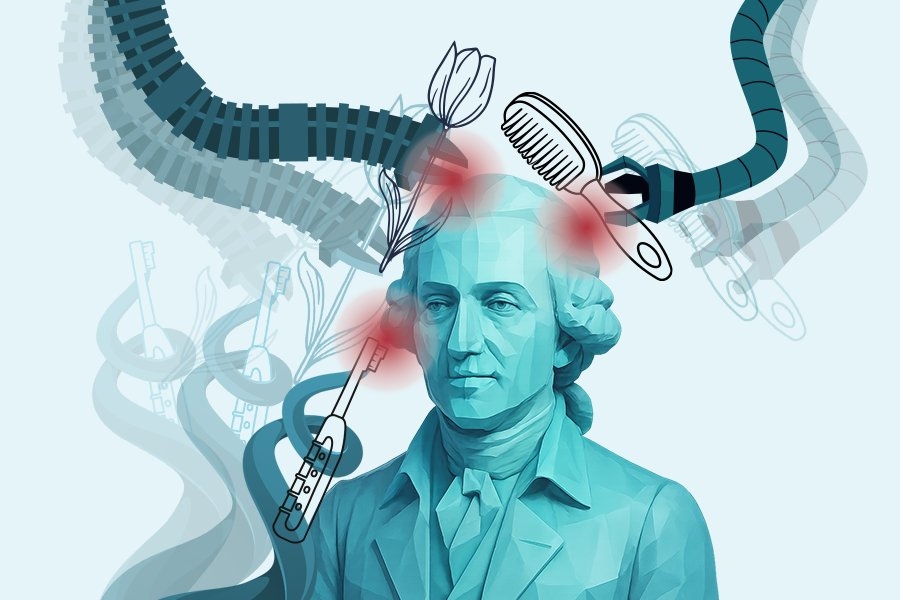
MIT researchers develop safe control strategies for soft robots to interact with humans and delicate objects. New framework blends nonlinear control theory with physical modeling for “contact-aware safety,” ensuring robots achieve tasks without causing harm.
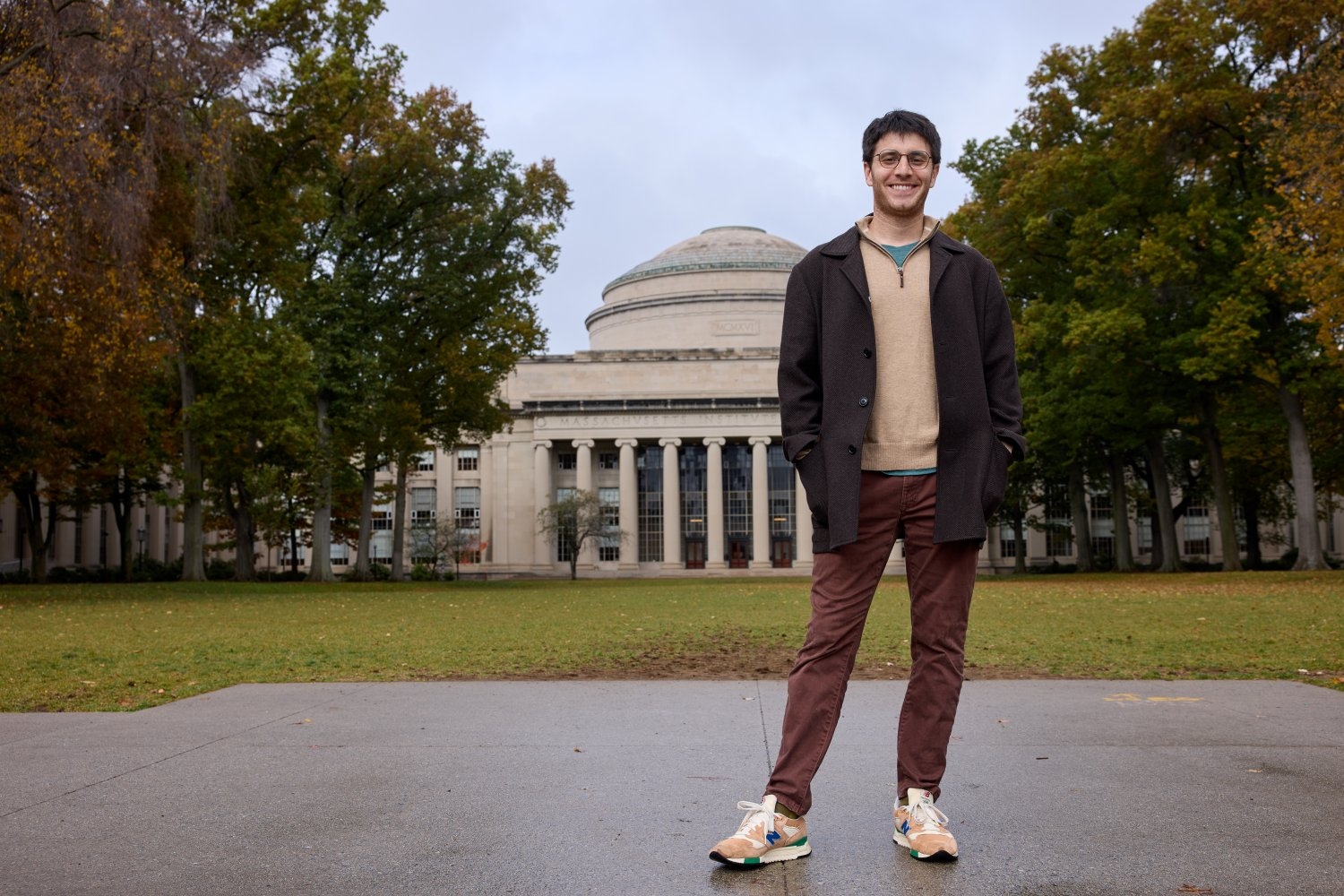
MIT PhD candidate Benjamin Manning explores designing AI agents to act on behalf of people and shape markets. His research aims to accelerate social scientific discovery by simulating human responses with AI, potentially revolutionizing research methods.