
Quantum sensing, satellite tracking, and AI drive an arms race in detection, urging Australia to reassess its defense strategy. History warns of apex predators falling to new technology like the Gatling gun and battleship.
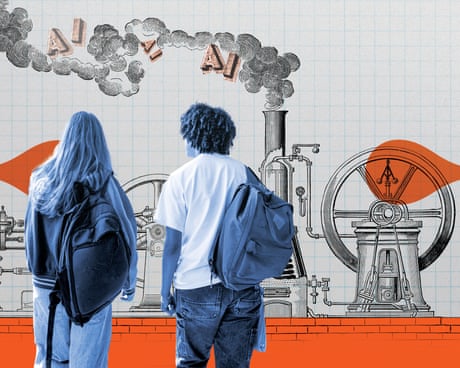
OpenAI CEO Sam Altman highlights the transformative power of AI in education, offering unprecedented opportunities for students. ChatGPT, released by OpenAI in November 2022, is changing how students learn and shaping the future they will graduate into.

Amazon Bedrock Custom Model Import allows seamless integration of customized models like Llama, Mistral, and Qwen with serverless experience and automatic scaling. Log probability support enhances model evaluation, confidence scoring, and filtering techniques, providing insights into model behavior for improved AI applications.
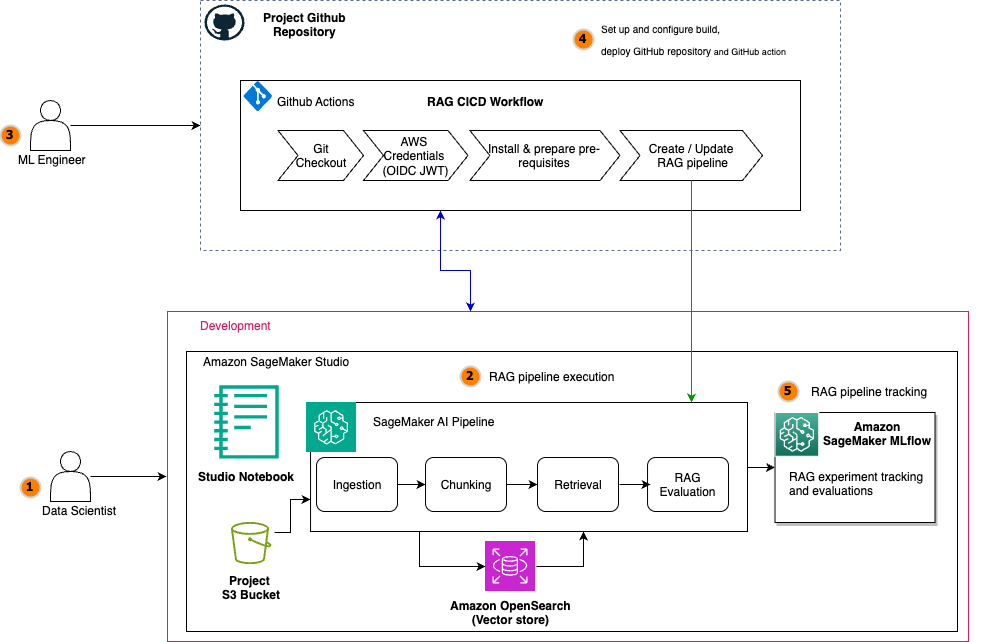
RAG development involves testing numerous configurations, leading to manual management challenges. Amazon SageMaker AI streamlines RAG lifecycle, enhancing collaboration and operational efficiency.
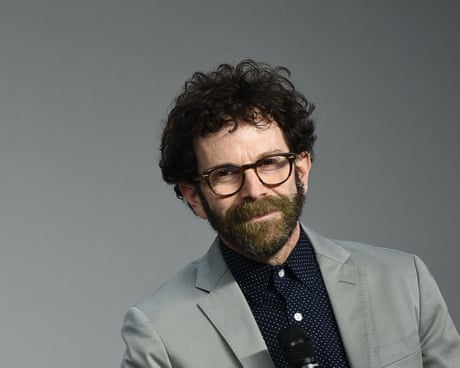
Charlie Kaufman struggles to get a movie made, despite past successes like Eternal Sunshine of the Spotless Mind. Facing setbacks and sleepless nights, the acclaimed director remains determined to defy the 'Hollywood machine'.
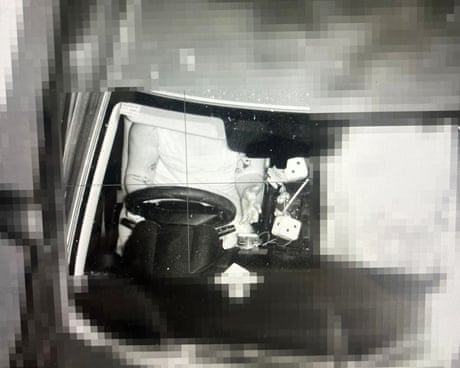
Isabel fined 3 times in 1 week in Sydney for seatbelt offenses, totaling $1,200+. Surprised by the fines, she received 9 demerit points.

Anthropic's Claude 4 Sonnet model debuts on Amazon Bedrock, offering enhanced capabilities over the previous version. Organizations must migrate to avoid deprecation, benefiting from increased context window, native reasoning mechanisms, and advanced tool use.

AI raters face tough conditions, low pay, and unclear tasks in training chatbots. Rachael Sawyer's job as a writing analyst turned into rating AI-generated content for Google's Gemini.
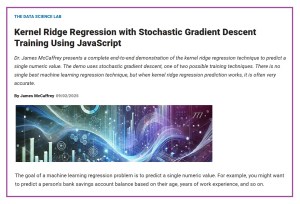
Article highlights Kernel Ridge Regression (KRR) for predicting numeric values. KRR uses a kernel function to measure data similarity, with training options including kernel matrix inverse and stochastic gradient descent (SGD).
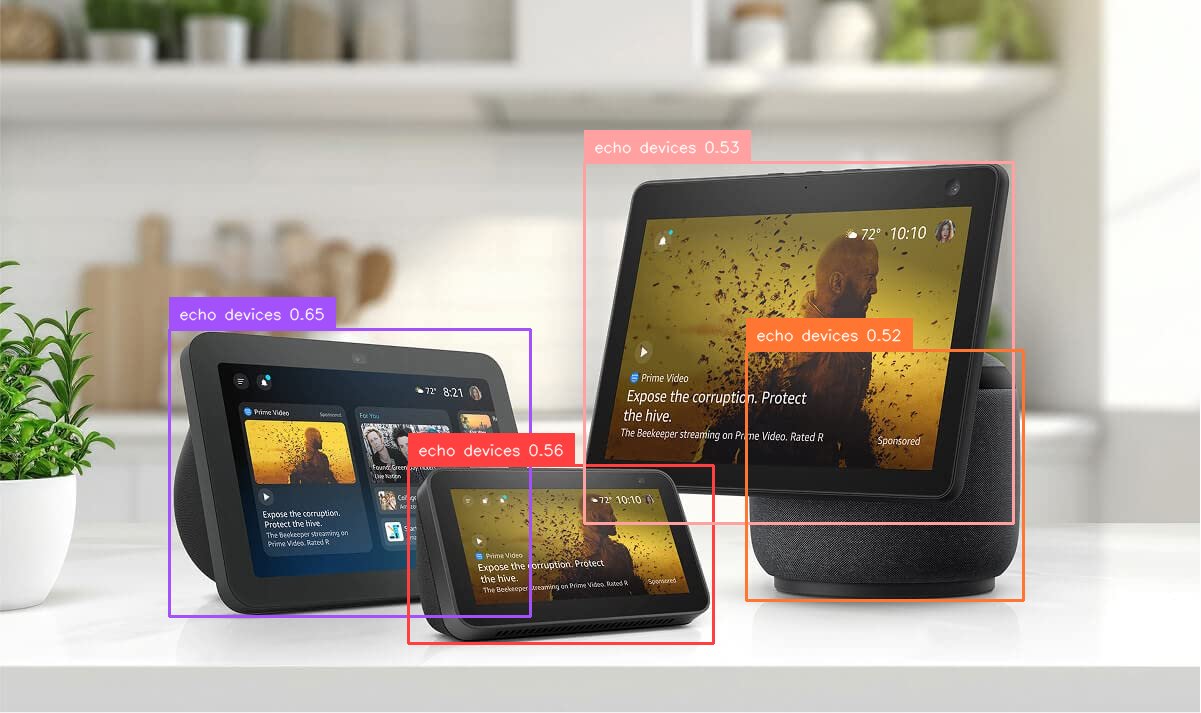
Open-set object detection (OSOD) enhances real-world video analysis by detecting both known and unknown objects, adapting to user-defined targets without retraining. Amazon Bedrock Data Automation uses OSOD to extract insights from video content, supporting frame-level detection and customizable output for precision.
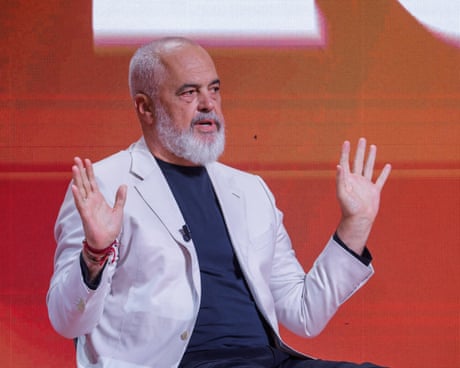
Albanian PM Rama introduces Diella, a digital assistant, to combat corruption in public tenders. Diella, the first AI cabinet minister, guides users through government services online with voice commands.
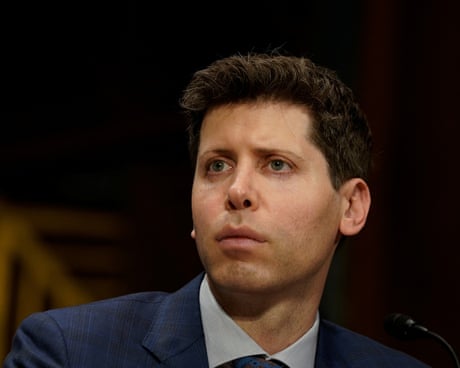
Sam Altman suggests ChatGPT could alert authorities when users discuss suicide, potentially saving lives. Up to 1,500 people per week may be confiding in the bot before taking drastic actions.
Stewart MacInnes urges criminalizing AI content creation without disclosure to combat deepfakes. Marcus Beard warns of societal trust erosion with the rise of sophisticated deepfake technology.
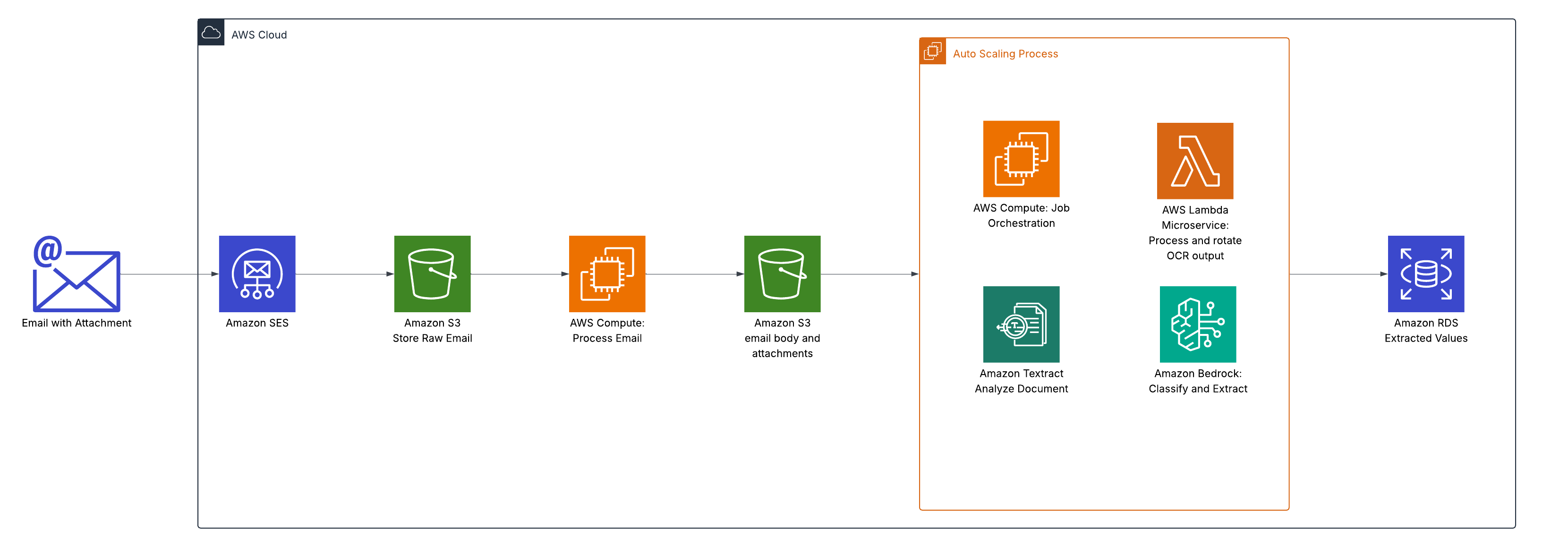
Oldcastle APG partnered with AWS to streamline their document processing workflow using Amazon Bedrock and Amazon Textract. By automating the handling of 100,000-300,000 ship tickets monthly, they significantly improved accuracy and reduced manual effort, showcasing a scalable solution for similar challenges in document processing.

MIT selected by DOE/NNSA to establish CHEFSI, a research center focused on simulating extreme environments for national security and space exploration. Harnessing exascale supercomputers, CHEFSI aims to advance predictive modeling of high-enthalpy fluid-solid interactions for resilient engineering systems.