
Cloudian, co-founded by Michael Tso ’93, is revolutionizing data storage for AI systems, simplifying access and processing with seamless data flow between storage and GPUs. Tso’s background in parallel computing at MIT has driven Cloudian’s success in creating scalable storage systems that meet the demands of the AI revolution.

Former CNN correspondent Jim Acosta interviews AI-generated avatar of Parkland shooting victim Joaquin Oliver, sparking controversy. Acosta asks avatar: "What happened to you?"
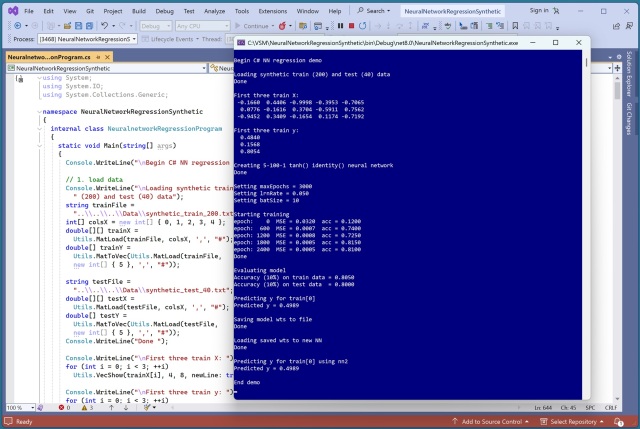
Refactored C# neural network regression design enhances efficiency by moving seed value to Train() method for better initialization. Demo showcases improved accuracy and model prediction capabilities post-refactor.

MIT researchers developed Meschers tool to represent "impossible" objects in 2.5D, enabling artists and scientists to create physics-breaking designs. This approach helps study unique geometries while preserving optical illusions, unlocking new shapes for computer graphics.
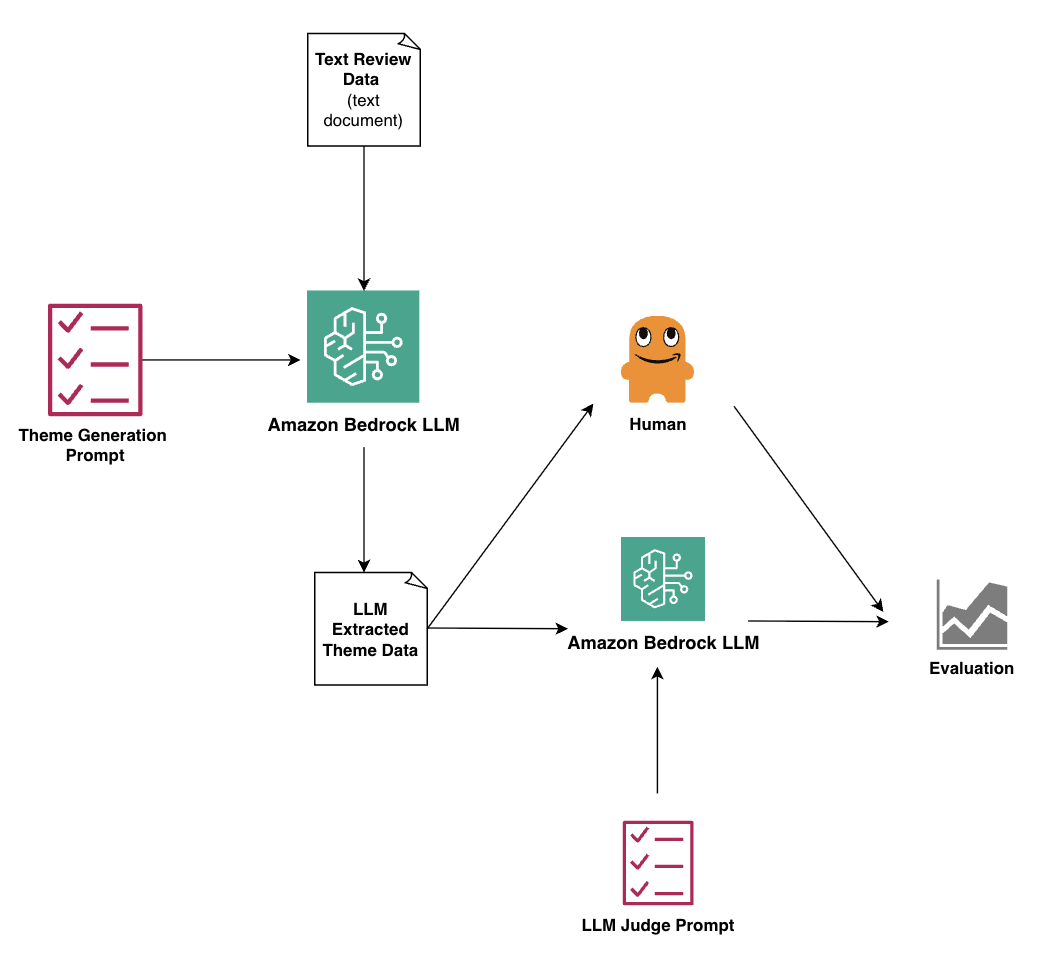
AI models as a jury system to analyze and validate customer feedback responses is revolutionizing traditional manual analysis methods. Amazon Bedrock's large language model (LLM) system offers a scalable solution to ensure accurate and relevant text analysis, reducing time and resource constraints in data processing.
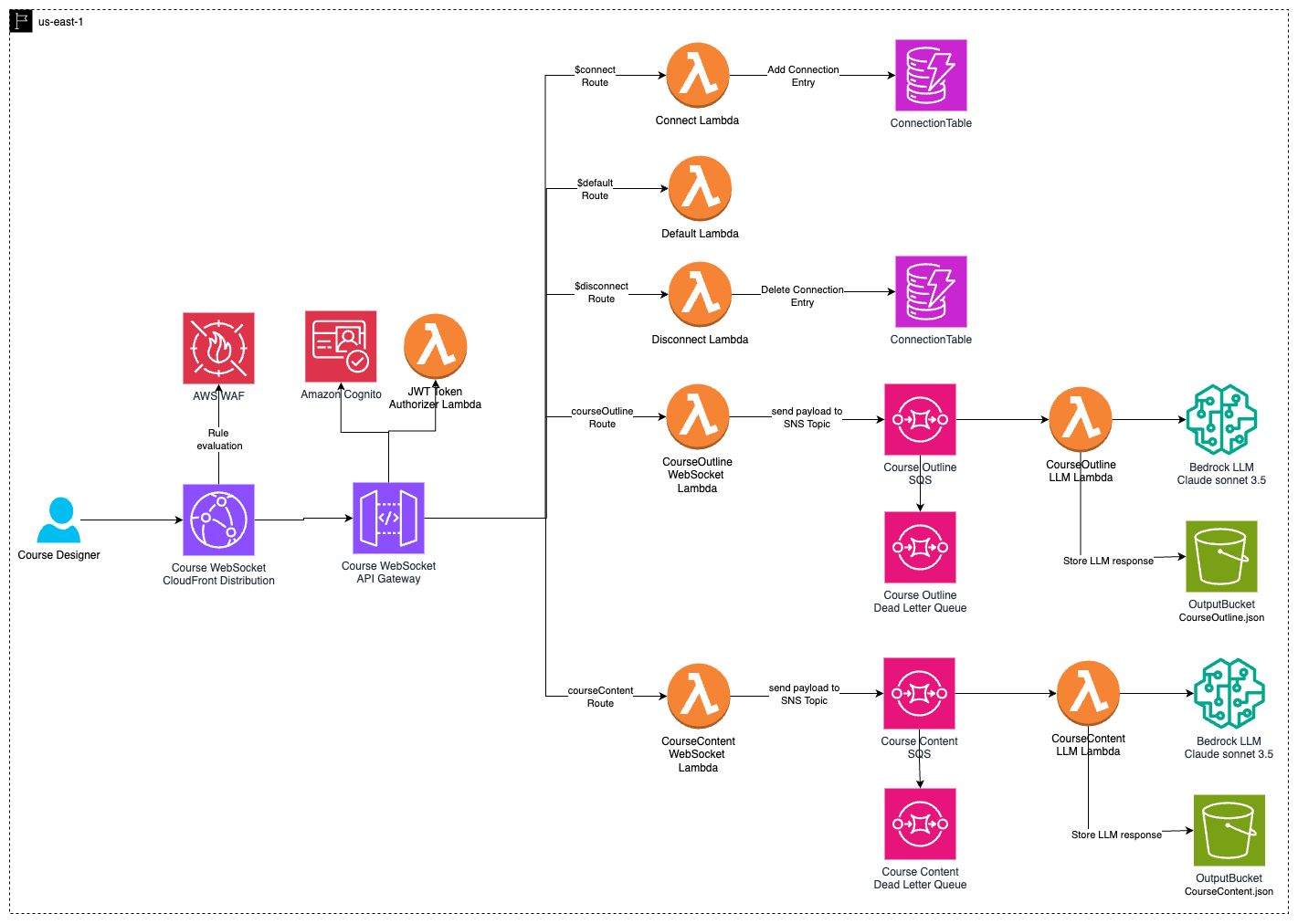
Generative AI-powered systems, like Anthropic's Claude 3.5 through Amazon Bedrock, streamline course material development, reducing faculty workload and enhancing educational quality. Utilizing a variety of AWS services, this technical solution automates content creation tasks, making educational content development more efficient, scalable, and responsive to modern learning needs.

Handmade. com enhances product descriptions with AI-driven automation, improving SEO and seller experience. By utilizing Amazon Bedrock and OpenSearch Service, Handmade. com streamlines content creation for a diverse range of hand-crafted goods, supporting global growth and real-time feedback.
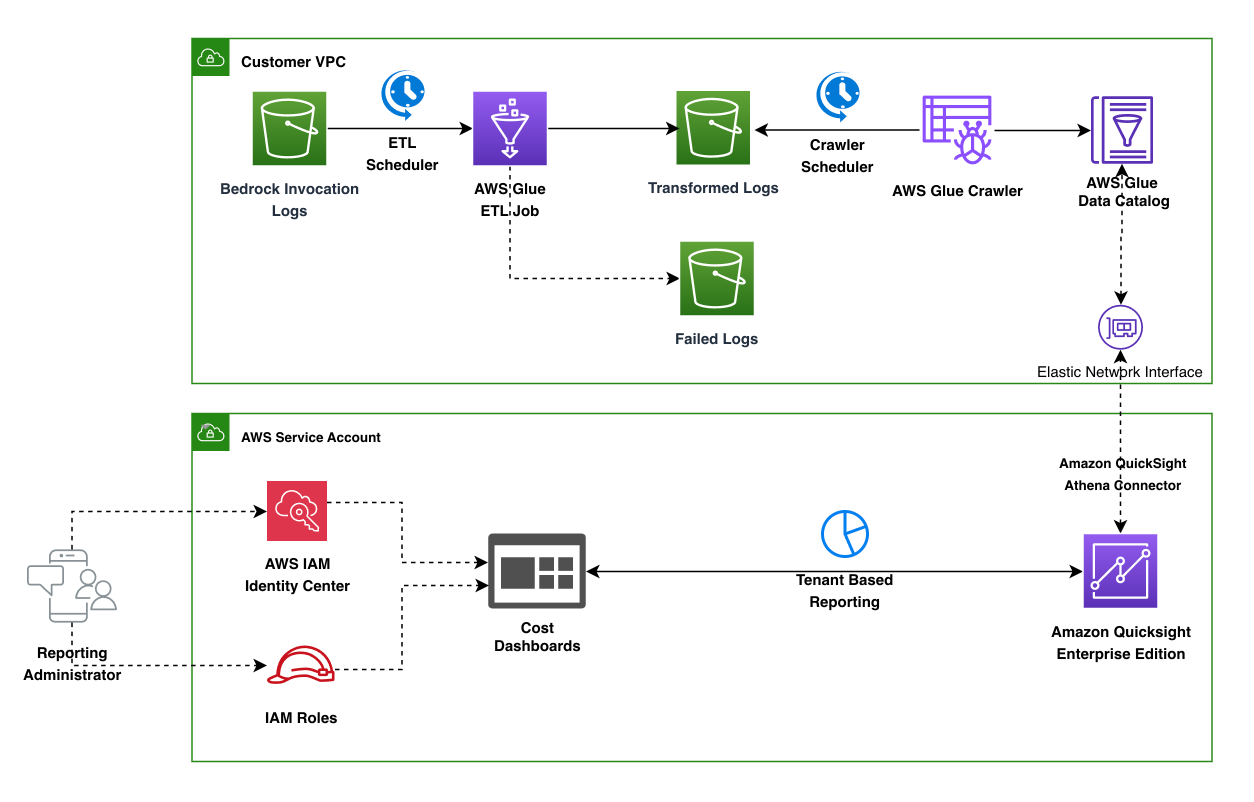
Amazon Bedrock's Converse API offers a solution for tracking and optimizing model usage by passing tenant-specific identifiers. Application inference profiles in AWS help automate budget alerts and enforce spending guardrails, reducing financial risks in large-scale multi-tenant environments.

Google DeepMind's Demis Hassabis sees AI as a game-changer for productivity and abundance. Hassabis, a former chess prodigy, now leads the tech giant's AI arm in a groundbreaking revolution.

In the digital age, inequalities between the global north and south must be addressed to prevent perpetuation. Lack of inclusion of the global south in AI discussions risks economic and geopolitical disadvantages.

Innovation isn't just for the wealthy - "frugal tech" is changing the game. Genuine pioneering technologies empower people without imposing top-down solutions.

Federal treasurer emphasizes need to address impact of AI on labor market in book with former NBN CEO, urging balance for worker benefit. 'Changing Jobs: The Fair Go in the New Machine Age' explores implications of rapid technological change for Australian workers.
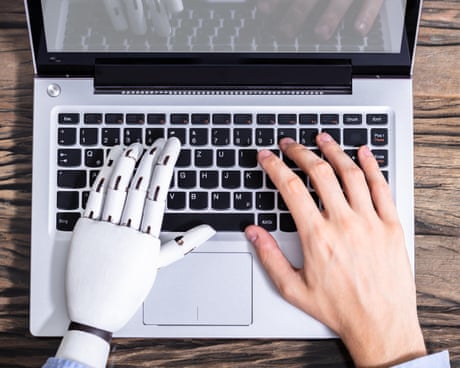
AI chatbots designed for engagement and affirmation can lead users into conspiracy theories and emotional harm. Tragic incidents in Belgium and Florida highlight the potential dangers of reliance on chatbots for mental health support.

Tech giants outspend US gov on AI in 2025, investing $155bn. Silicon Valley set to ramp up spending to hundreds of billions.
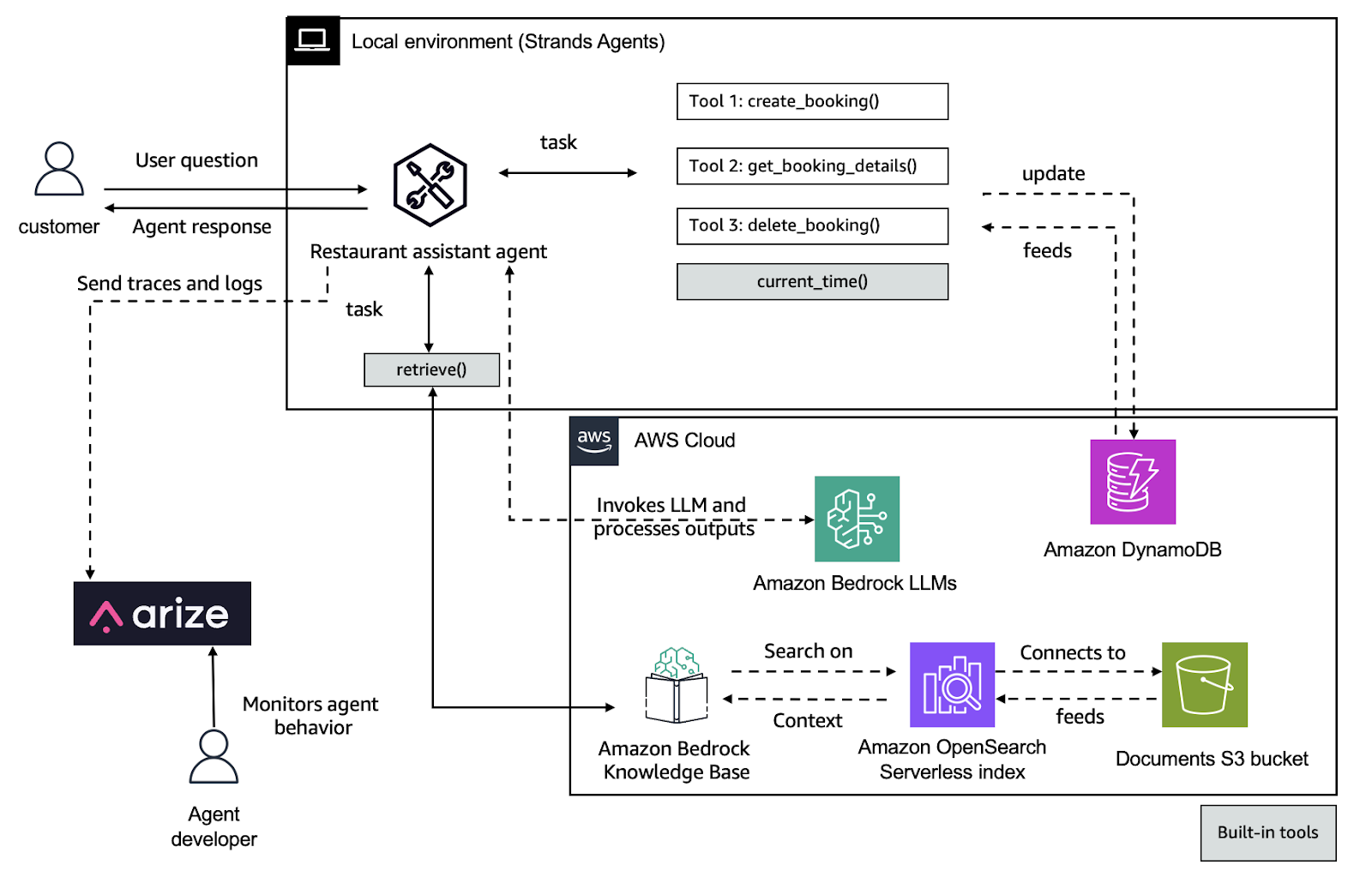
Agentic AI applications based on large language models are unpredictable, leading to challenges like hidden failure modes and tool integration complexity. Arize AX helps organizations trace and evaluate AI agent tasks to ensure correctness and trustworthiness in agentic workflows.