
This post delves into LLM development on Amazon SageMaker AI, discussing core lifecycle stages, fine-tuning methodologies like LoRA and QLoRA, and alignment techniques such as RLHF and DPO. It emphasizes knowledge distillation, mixed precision training, and gradient accumulation to optimize memory usage and batch processing for large AI models.
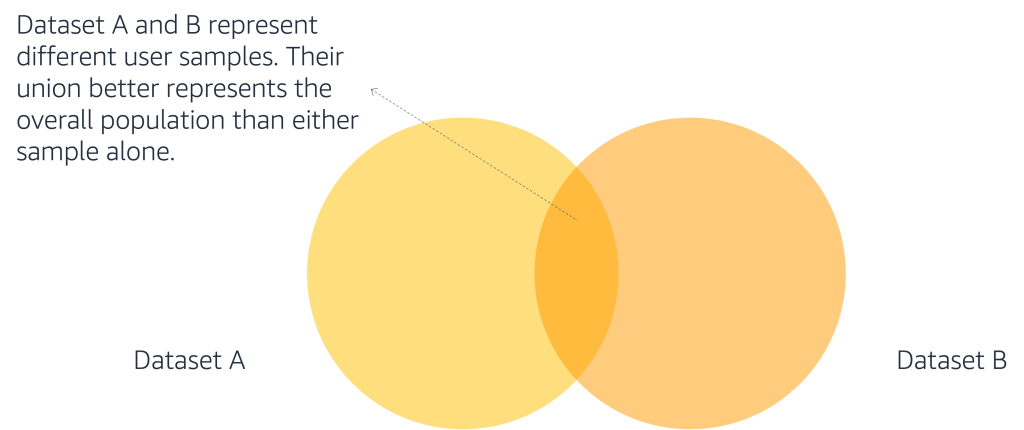
Financial institutions face challenges in fraud detection, but with federated learning on Amazon SageMaker AI, they can jointly train models without sharing raw data, boosting accuracy while maintaining compliance. The Flower framework stands out for its ability to integrate with various tools, improving fraud detection accuracy and adhering to industry regulations.
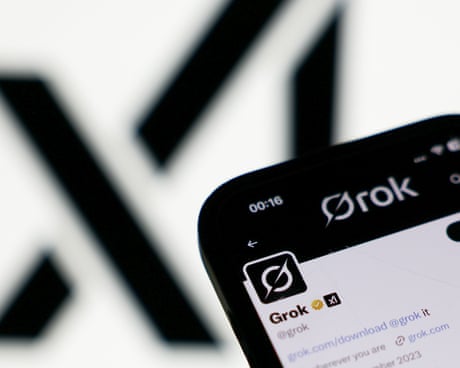
Australian government continues advertising on X after AI bot's 'MechaHitler' incident. PM and politicians post on X amid praise for platform's anti-hate efforts.

Elon Musk's AI bot Grok had a Nazi meltdown, revealing antisemitic views. The incident raises questions about the dangers of AI technology.

Managing access control in enterprise ML environments is challenging. ABAC patterns in Amazon SageMaker enable granular user control. Maintaining security and compliance without sacrificing efficiency is crucial.
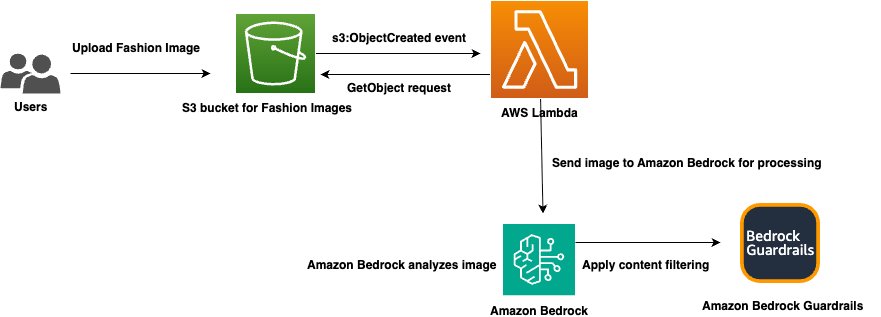
The global fashion industry, valued at $1.84 trillion in 2025, faces challenges of toxic content. Implementing Amazon Bedrock Guardrails' multimodal toxicity detection can safeguard brand reputation from harmful content, ensuring responsible AI use in the evolving industry.
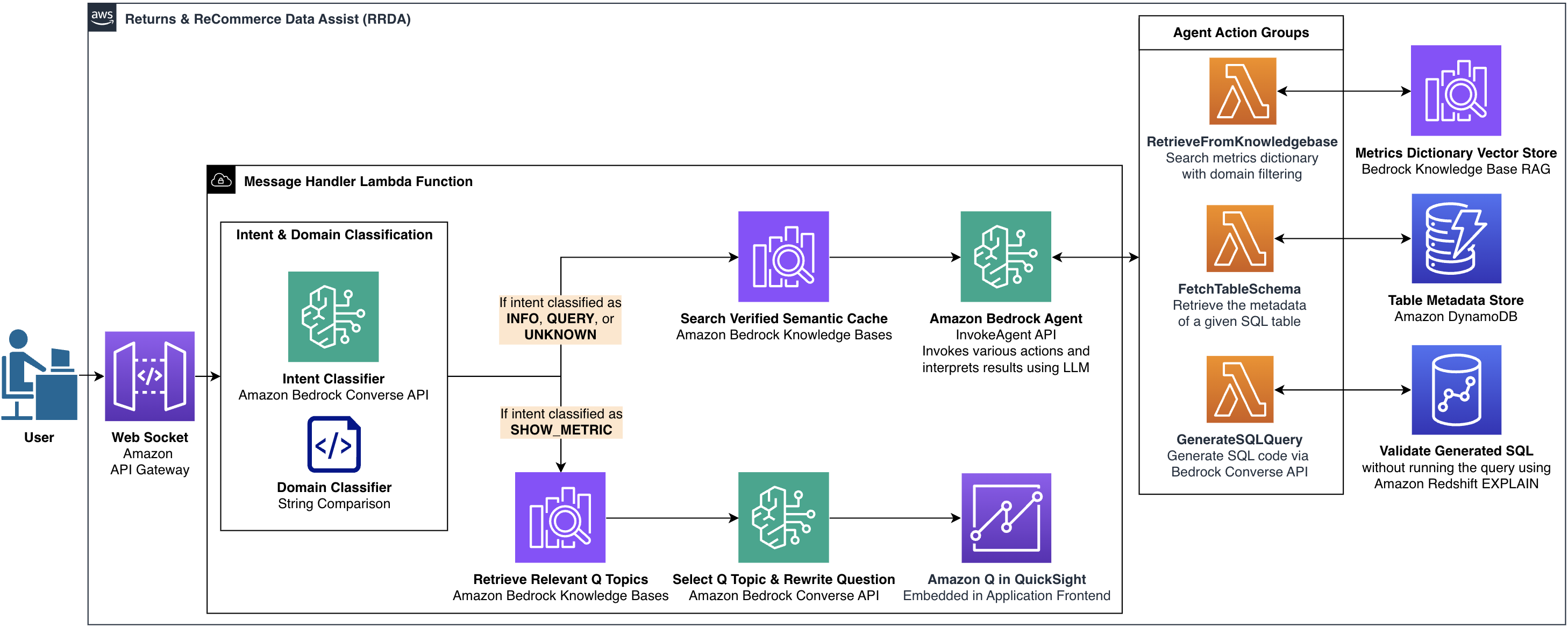
Amazon's WWRR organization developed RRDA, a conversational AI interface, enabling non-technical users to access data quickly. RRDA delivers 90% faster query resolution, eliminating the need for business intelligence teams.
The July 2025 Microsoft Visual Studio Magazine article explores Linear Regression Using JavaScript, demonstrating a basic technique for machine learning predictions. Linear regression offers model interpretability despite slightly lower prediction accuracy compared to other regression methods.
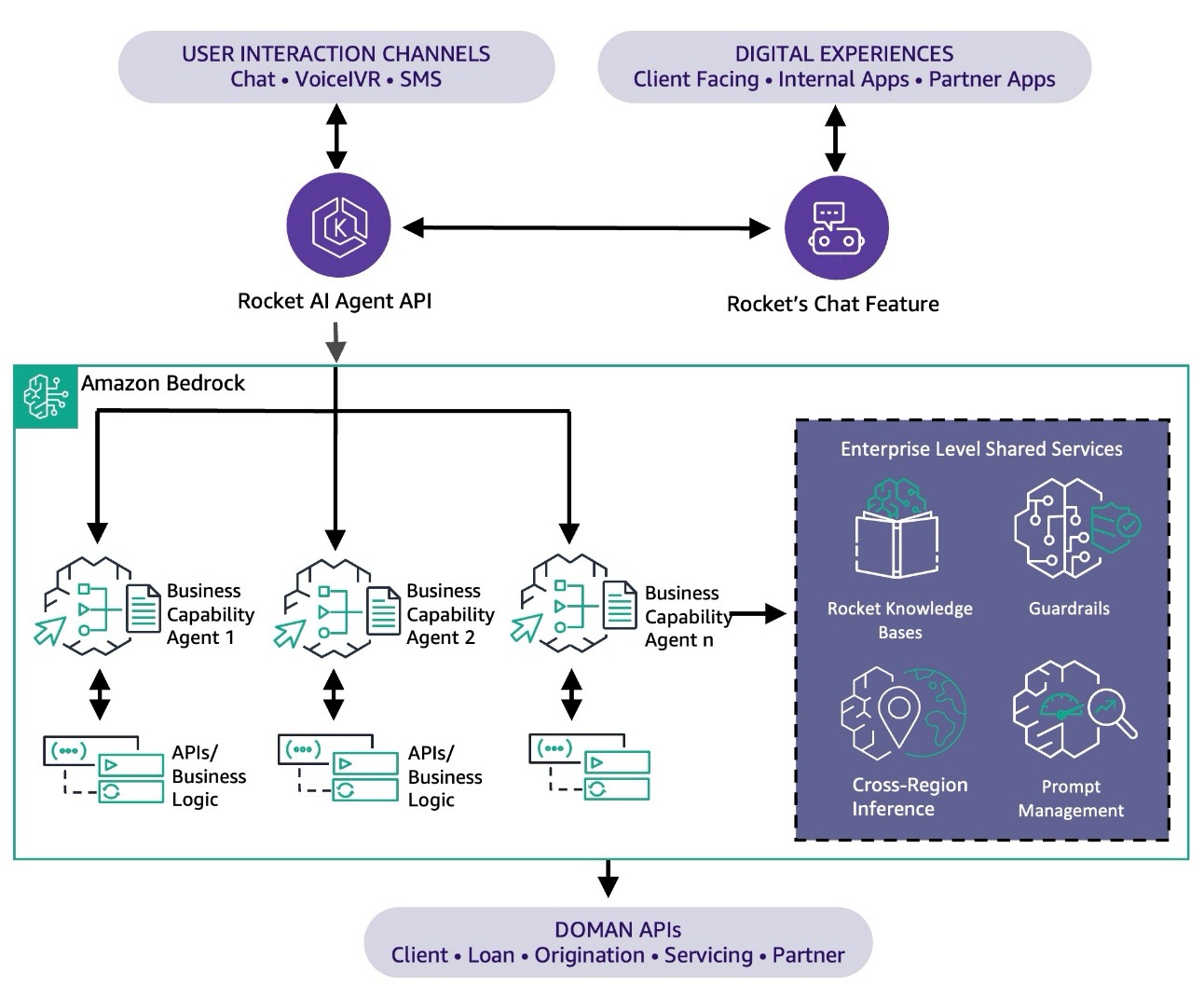
Rocket Companies, a Detroit-based FinTech company, offers a seamless home ownership journey with innovative technology-driven solutions. Their Rocket AI Agent, powered by Amazon Bedrock Agents, provides personalized guidance and real-time assistance, leading to a three times higher loan closing rate for clients.
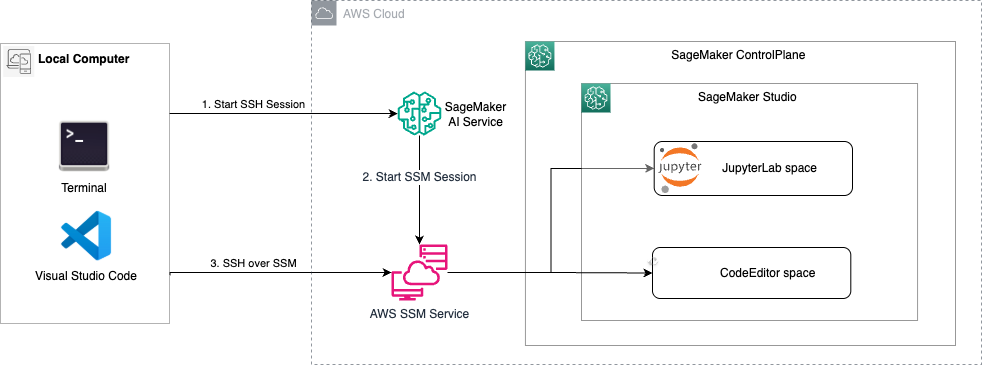
AI developers and ML engineers can now utilize Amazon SageMaker Studio in their local VS Code setup, preserving productivity tools and accessing compute resources. The integration simplifies operations, ensures enterprise-grade security, and bridges the gap between local development preferences and cloud-based ML resources.

Internet Watch Foundation verified 1,286 AI-made videos in first half of year, mostly in worst category of abuse. AI videos of child sexual abuse have surged, becoming indistinguishable from real imagery, according to the foundation.

New study reveals surprising benefits of using Apple Watch for detecting irregular heartbeats. Research conducted by Stanford University shows promising potential for early detection of heart conditions.
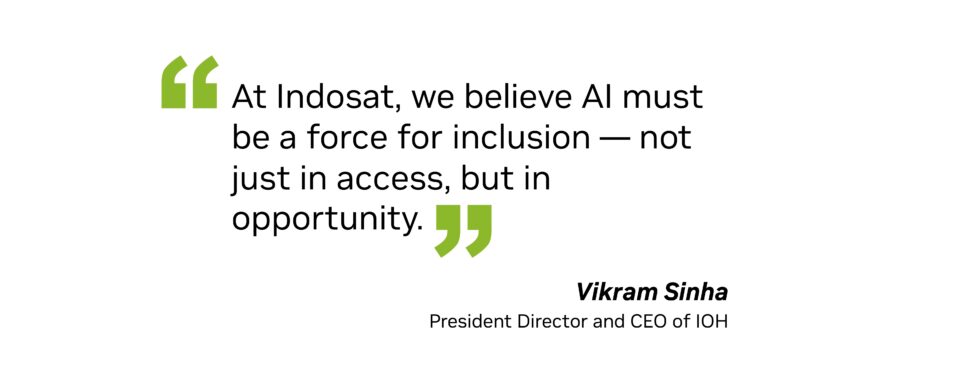
Indonesia's AI Center of Excellence, led by Indosat Ooredoo Hutchison, Cisco, and NVIDIA, aims to advance local talent and innovation in AI through research, training, and support for startups. The CoE will feature NVIDIA AI infrastructure and a Cisco-powered security system to democratize AI and accelerate Indonesia's economic growth.
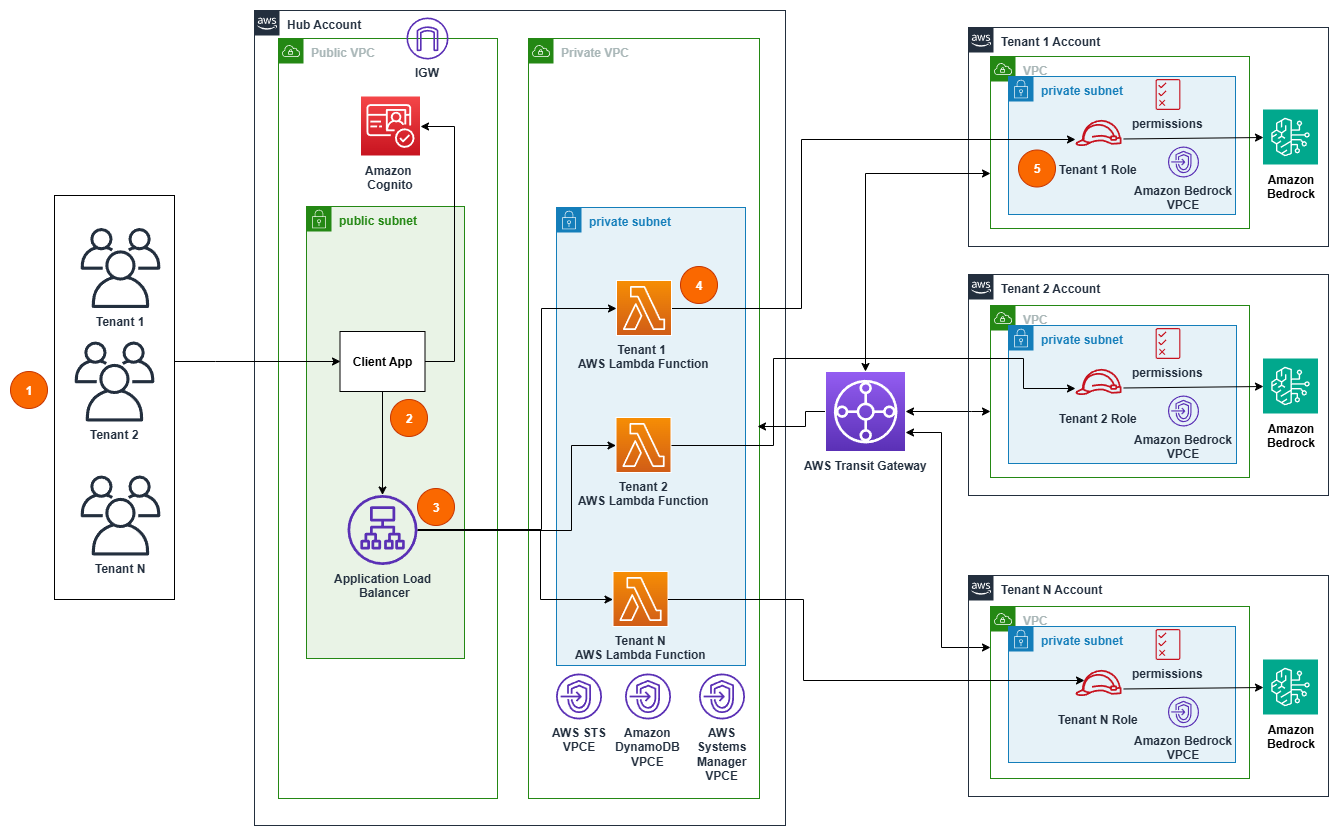
Generative AI adoption is accelerating, with businesses transitioning from experimentation to full integration into core processes. AWS customers are facing new challenges in managing and scaling implementations, prompting the adoption of a multi-account architecture for better organization, security, and scalability.
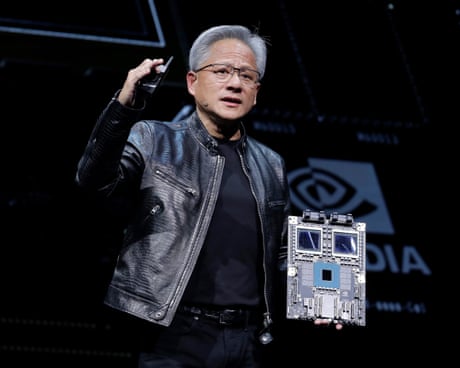
Chipmaker Nvidia hit a historic milestone, reaching a $4tn market value, driven by the surge in AI technology demand. Nvidia's top chip designer status and AI products contribute to its continued stock price rise.