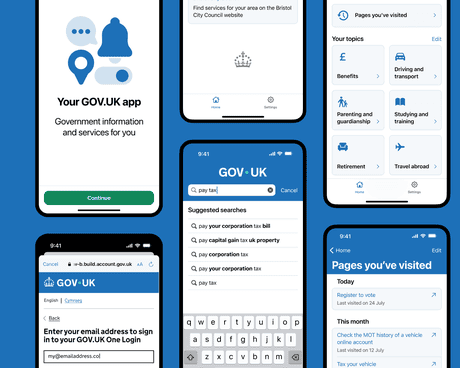
UK citizens can now download the gov.uk app for streamlined interactions with the government, featuring AI chatbot and digital driving licences. App's limited functions and design issues acknowledged by cabinet minister.

YouTube channels exploit AI to generate fake content about Sean 'Diddy' Combs trial, attracting millions of views for profit. Indicator and The Guardian uncover digital deception involving celebrity misinformation.

NHS to use AI for patient safety in mental health and maternity services, aiming to catch safety issues early. 10-year plan includes early warning system to detect potential scandals and trigger urgent inspections.

Students are turning to ChatGPT in a rapidly changing education system. AI tools are being used for cheating in assessments, but also to assist with research and essay structure.
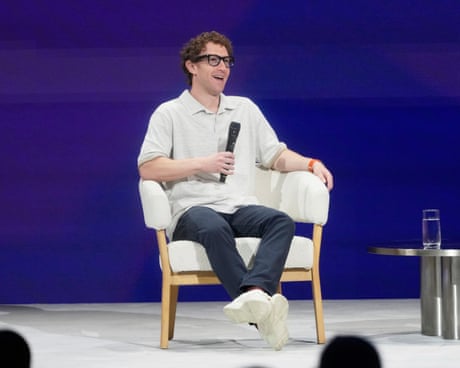
Meta CEO plans to offer $100m pay packages to poach AI talent, a move dubbed 'crazy' by OpenAI's Sam Altman. Mark Zuckerberg targets top engineers globally in Meta's bid to attract AI experts, sparking buzz in Silicon Valley.

M3gan 2.0 shifts from horror to action in a bid for blockbuster status, with mixed results. The sequel retains the original's humor but struggles with pacing and stakes.

Republicans aim to prevent AI regulations, risking 1bn tons of CO2 emissions in the US over a decade, Harvard researchers warn. Unrestrained AI growth threatens to worsen climate crisis, with massive electricity consumption contributing to planet-heating emissions.

NHS plans DNA tests for all babies to assess disease risk with AI, raising concerns about informed consent and privacy. Infants' genetic data could be stored and used by unknown corporations without parental knowledge.
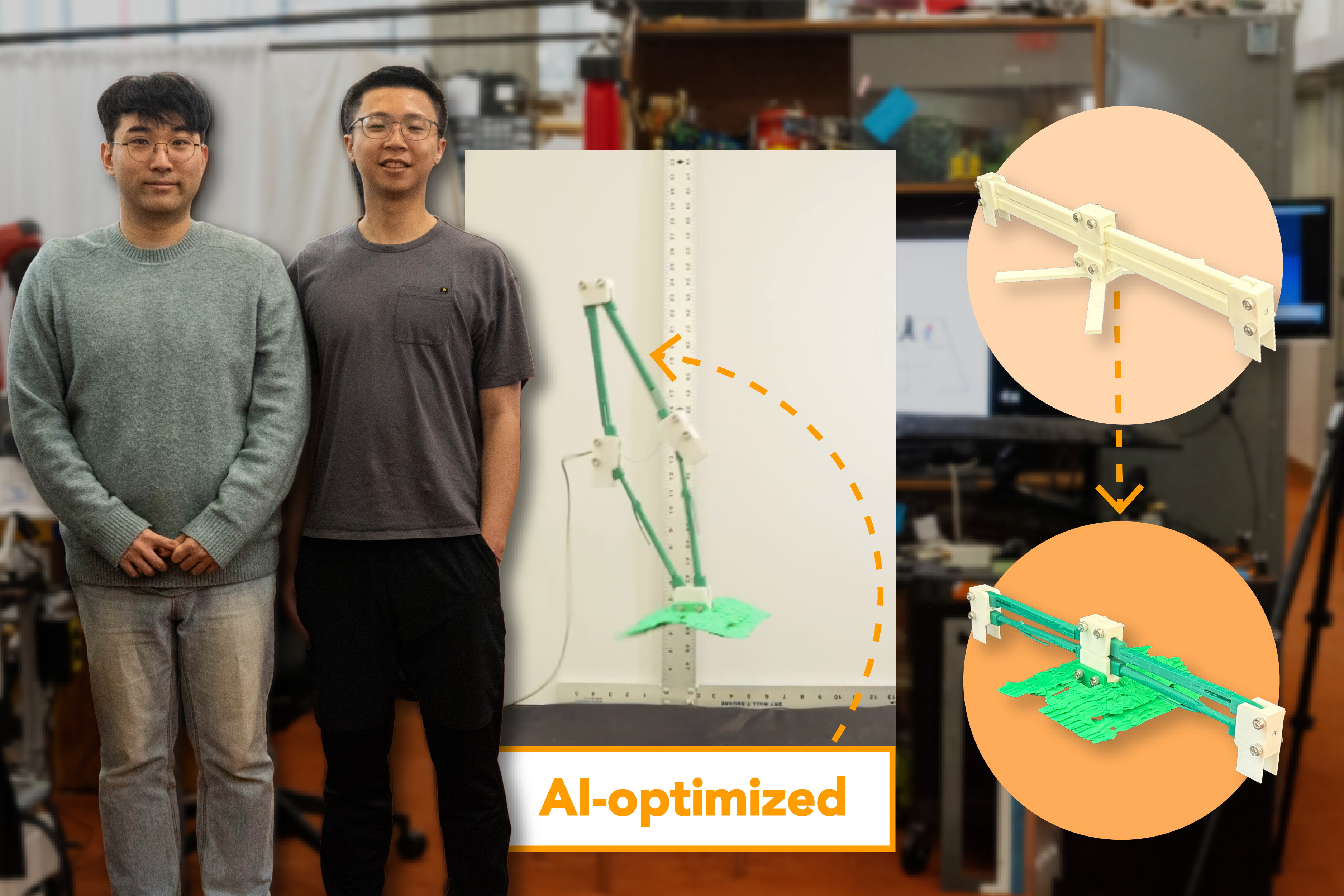
Generative AI models like OpenAI’s DALL-E can spark new designs. MIT’s CSAIL used GenAI to create robots that jump 41% higher.
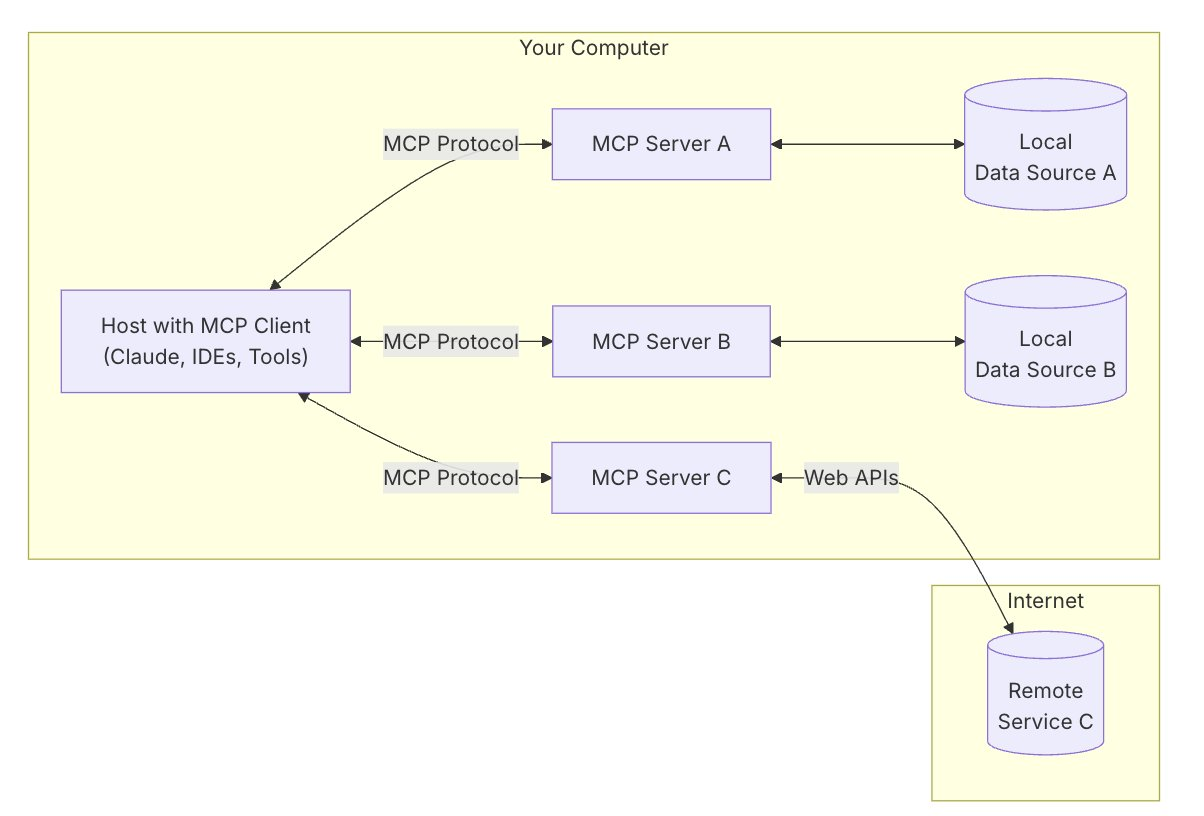
Amazon Q Developer CLI with Model Context Protocol (MCP) simplifies AWS cost analysis with generative AI, offering quick, accurate optimization recommendations. The MCP server connects Amazon Q to specialized servers, like the AWS Cost Analysis MCP, for detailed cost estimates using real-time AWS pricing data.

MIT and Mass General Brigham team up with Analog Devices Inc. to launch the MIT-MGB Seed Program, aiming to advance human health research with interdisciplinary collaborations. The program will fund joint projects, combining expertise in AI, machine learning, and clinical research to drive transformative changes in patient care.

Industry-backed risk analyst Tony Cox is using AI to challenge health experts on pollution dangers. Cox aims to scan research for false correlations with causation.

Experimenting with a hybrid training technique combining SGD and PSO for Kernel Ridge Regression yielded promising results, though not significantly better than traditional methods. KRR utilizes a kernel function to predict numeric values, with techniques like Cholesky and SGD used for training.
Google's carbon emissions up 51% due to AI, datacentre growth. Company struggles to reduce scope 3 emissions.

Generative AI sparks concerns in gaming as players reject AI-generated art, impacting developers' work and reception. Even non-users face backlash, raising questions on the future of AI in video games.