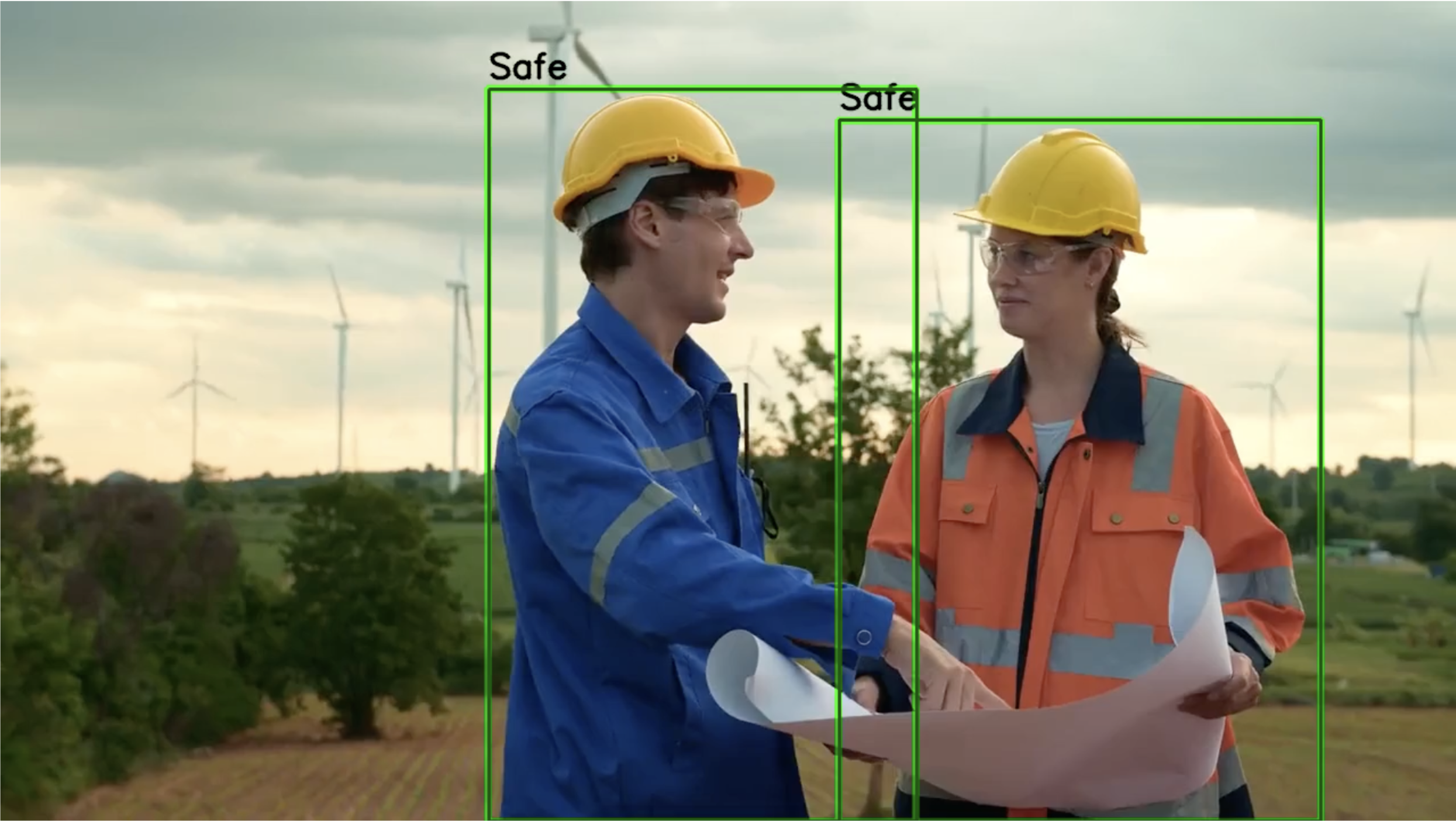
SiMa.ai and AWS collaborate for efficient ML model deployment at the edge with Amazon SageMaker AI and Palette Edgematic. Detect human presence and safety equipment in real-time on edge devices for enhanced workplace safety with optimized object detection models.

Learn how to create an AI journal using LlamaIndex for advice. Implement a seek-advice flow with design patterns for significant improvements.

Scuderia Ferrari HP and AWS partner to revolutionize pit stop analysis with machine learning, optimizing performance and efficiency in Formula 1®. AWS helps modernize the process, automating video and telemetry data synchronization, leading to faster analysis and error detection.

The Monty Hall Problem challenges common intuition in decision making. By examining different aspects of this puzzle in probability, we can improve data decision making. Stick with the original choice or switch doors? The answer may surprise you.

Quantization reduces memory usage in large language models by converting parameters to lower-precision formats. EoRA improves 2-bit quantization accuracy, making models up to 5.5x smaller while maintaining performance.
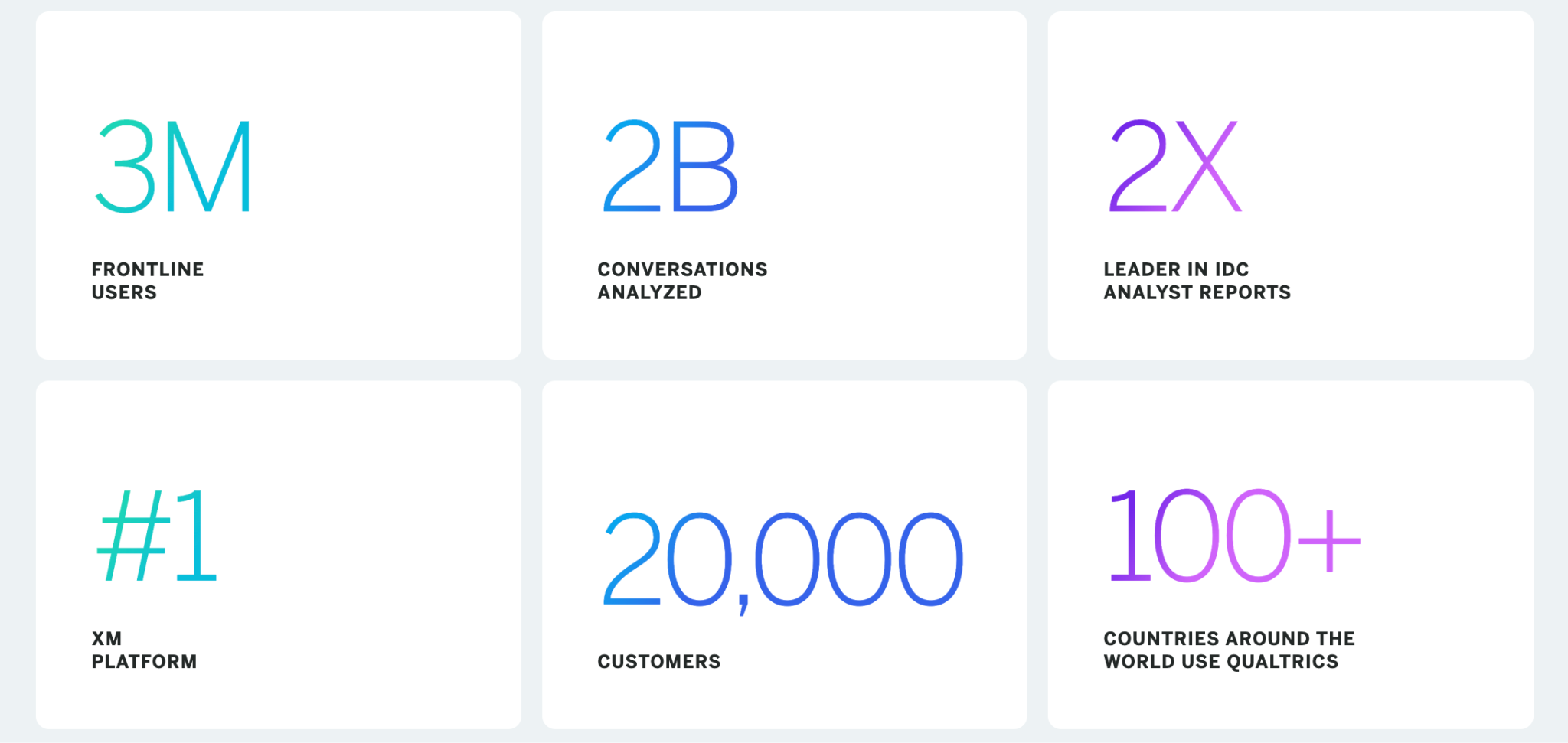
Qualtrics pioneers Experience Management (XM) with AI, ML, and NLP capabilities, enhancing customer connections and loyalty. Qualtrics's Socrates platform, powered by Amazon SageMaker, drives innovation in experience management with advanced ML technologies.
An article on Pure AI simplifies AI Large Language Model Transformers using a factory analogy, making it accessible for non-engineers and business professionals. The analogy breaks down the process into steps like Loading Dock Input, Material Sorters, and Final Assemblers, offering a clear understanding of how Transformers work.

Maths skills are crucial for research-based roles at companies like Deepmind and Google Research, while industry roles require less depth. Higher education correlates with higher earnings in machine learning.

The UAE and US sign agreement for AI campus, sparking concerns over Chinese influence. Deal made during Trump's Middle East visit.

Mark Zuckerberg promotes AI for friendships, envisioning a future where people befriend systems instead of humans. Online discussions about relationships with AI therapists are becoming more common, blurring the line between real and artificial connections.

Bagging and boosting are essential ensemble techniques in machine learning, improving model stability and reducing bias in weak learners. Ensembling combines predictions from multiple models to create powerful models, with bagging reducing variance and boosting iteratively improving on errors.
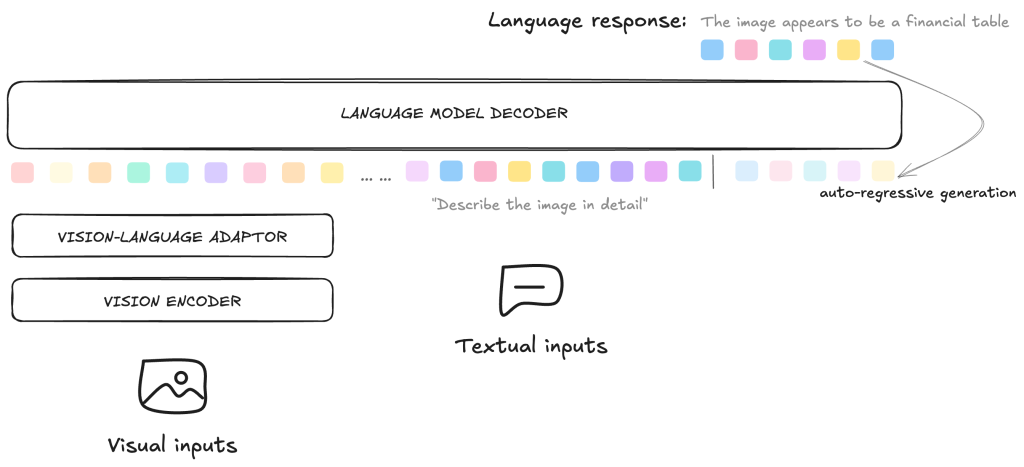
Banks struggle with inefficiencies in document processing, but Apoidea Group's AI-powered SuperAcc solution reduces processing time by over 80%. SuperAcc's advanced information extraction systems streamline customer onboarding, compliance, and digital transformation in the banking sector.
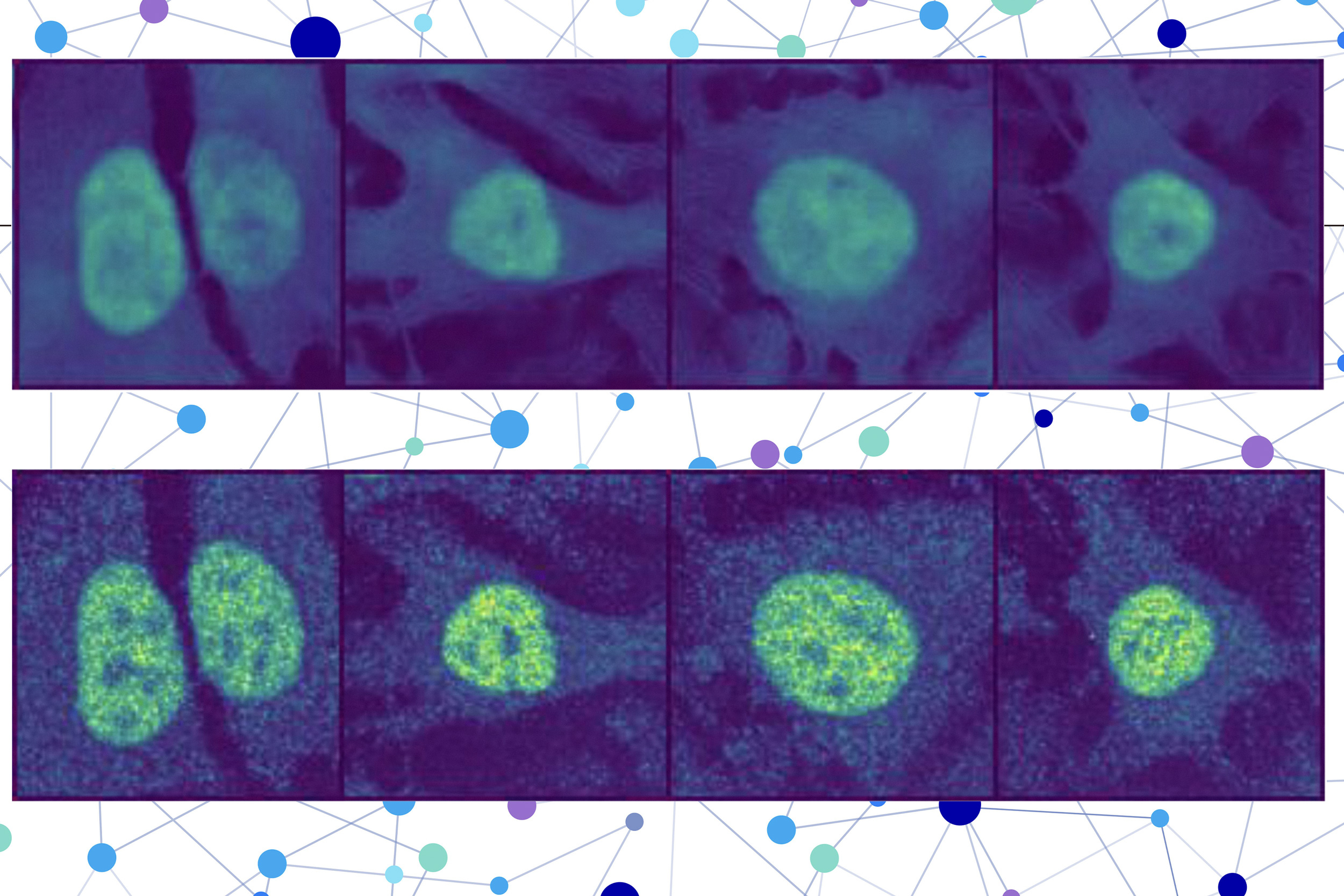
New computational approach predicts protein locations in cells, aiding in disease diagnosis and drug target identification. MIT, Harvard, and Broad Institute researchers develop method for single-cell protein localization using AI models.

Data scientist highlights importance of benchmarks in data science projects. Benchmarks ensure performance improvements and aid in client communication and model selection.

Google DeepMind introduced AlphaEvolve, an AI system that evolves code, discovering new algorithms for coding and data analysis. Using Genetic Algorithms and Gemini Llm, AlphaEvolve prompts, mutates, evaluates, and breeds code for optimal solutions.