
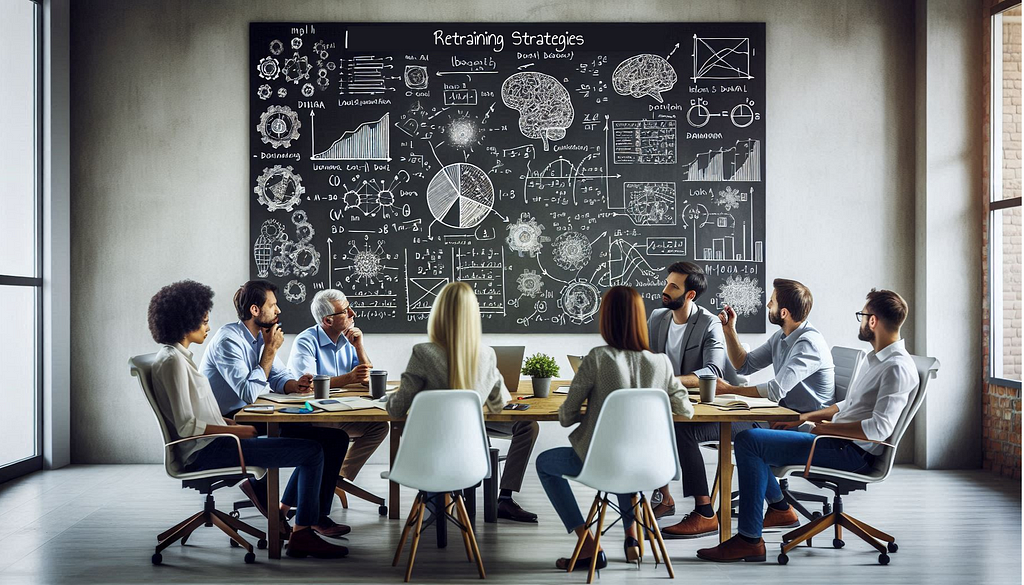
Data drift and concept drift are crucial factors impacting ML model performance over time. Understanding and addressing these issues is key to maintaining model accuracy and effectiveness. Retraining strategies play a vital role in mitigating performance degradation caused by changing data patterns and relationships.
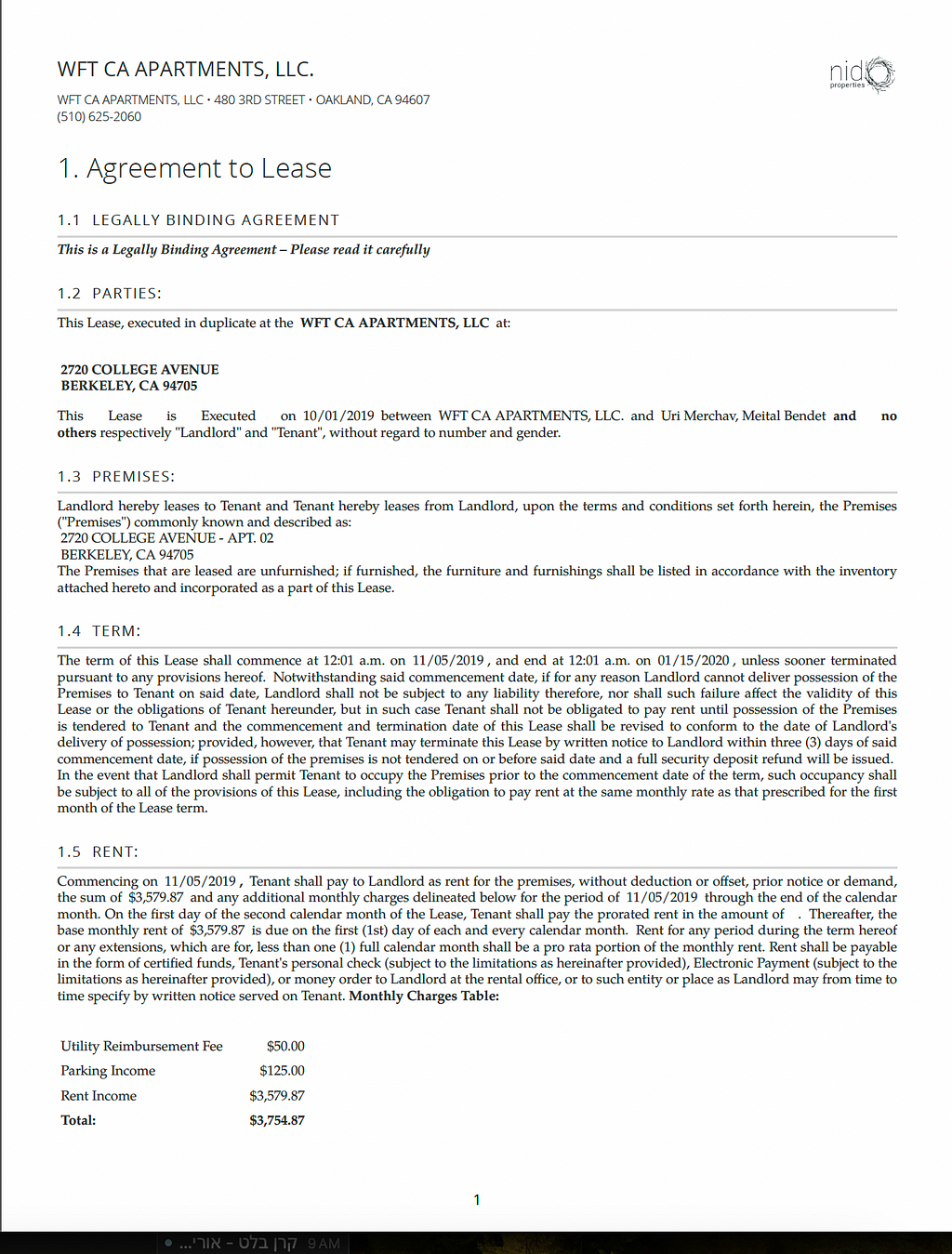
Explanations in AI outputs can be unnecessary, but crucial for accuracy and actionable insights. DocuPanda offers a solution by extracting key information from complex documents, enhancing efficiency and clarity.

Mark Cuban, billionaire and campaign surrogate for Kamala Harris, addresses AI, taxes, and memes. Cuban draws on his diverse experience and confronts Trump-supporting billionaires like Elon Musk.
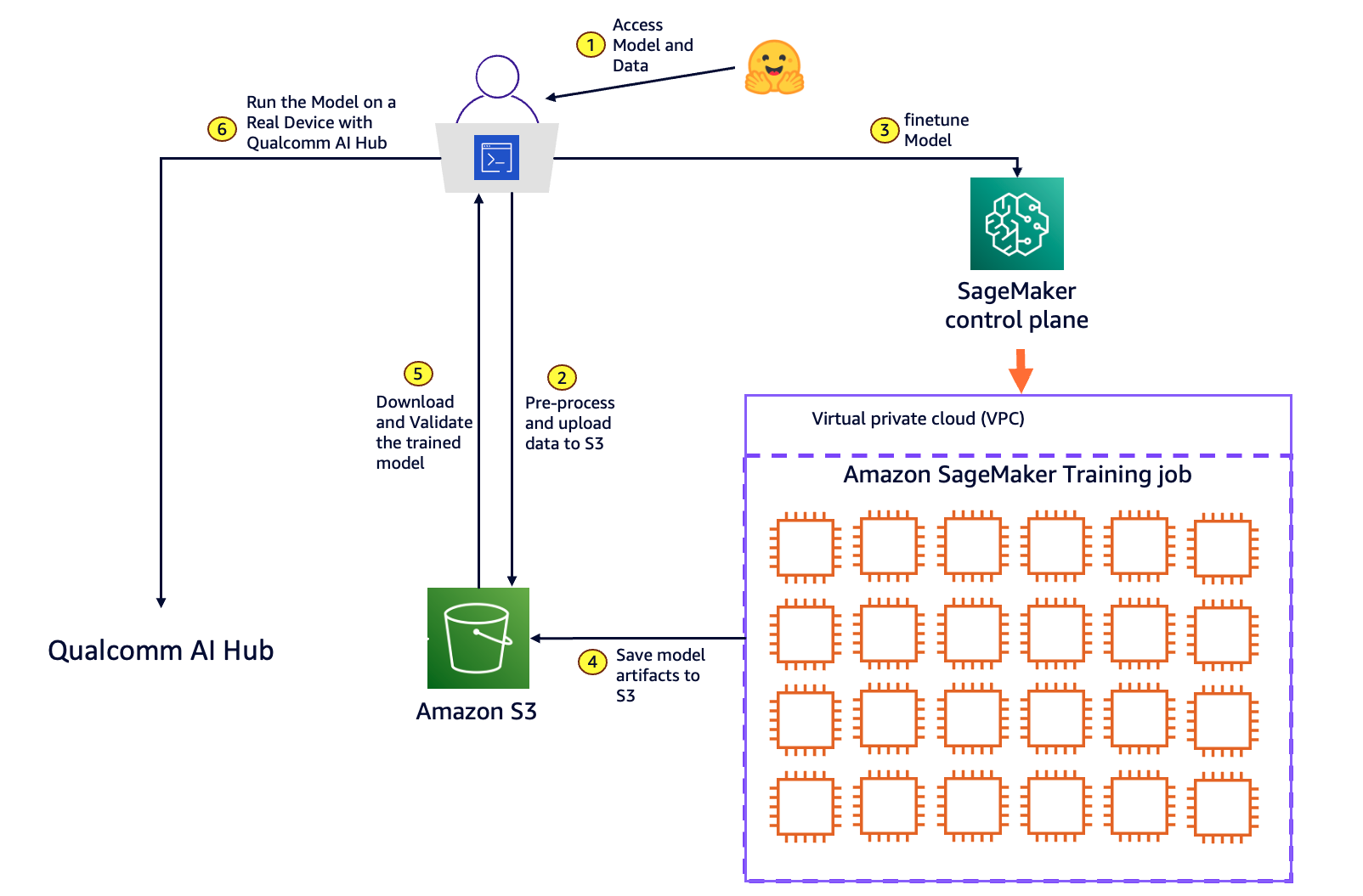
Innovative solution by Qualcomm & Amazon SageMaker enables end-to-end model customization & deployment at the edge. Developers can BYOM & BYOD for optimized machine learning solutions targeting on-device deployment.
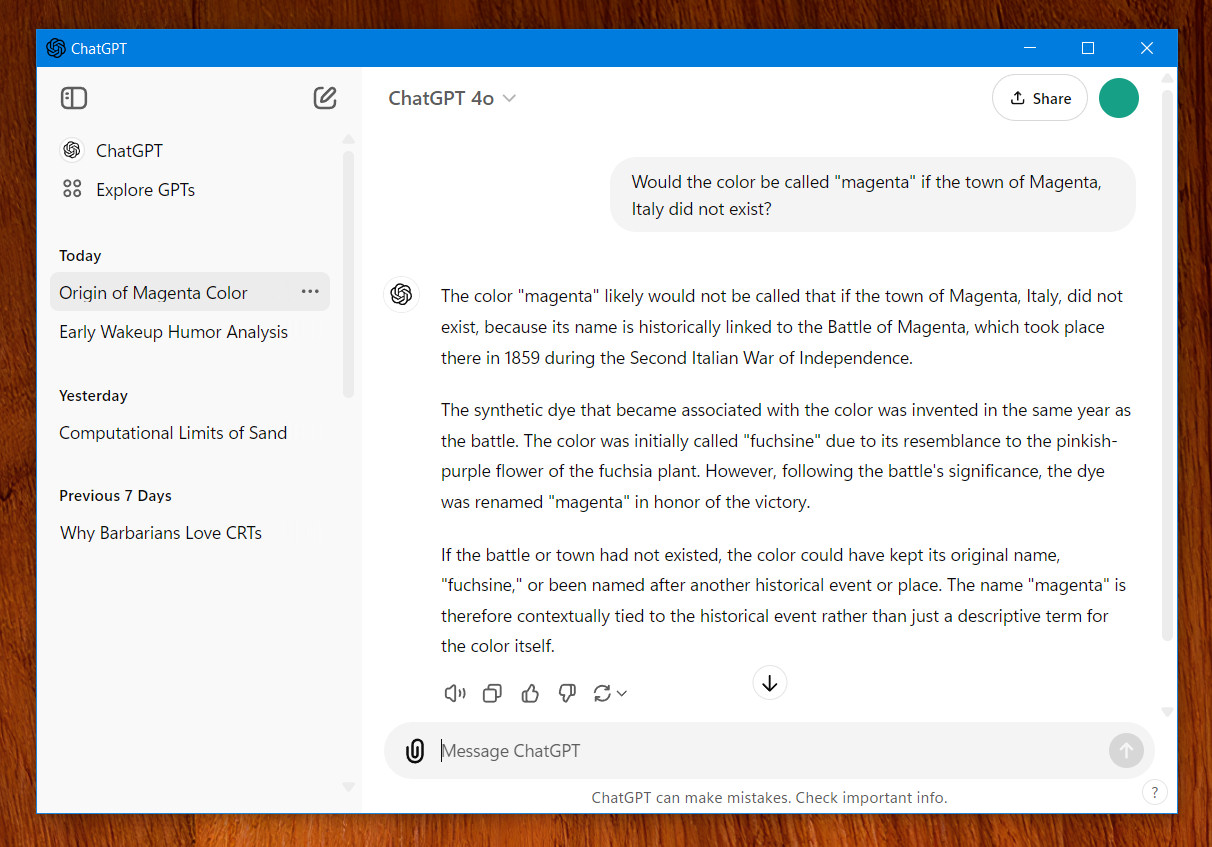
OpenAI releases early Windows version of ChatGPT app for subscribers, positioning it as a beta test. Users can access various models, generate images with DALL-E 3, and analyze files.
Firms seek right to take vital data for AI systems, raising concerns about privacy. Author uses pickpocket analogy to highlight potential dangers of opt-out data regime.
Illegal AI-generated child sexual abuse imagery is increasingly sophisticated and prevalent on the open web, reaching a tipping point, warns the Internet Watch Foundation. Amount of AI-made illegal content online in the past six months surpassed total for previous year.

"Transforming RAG systems into LEGO-like reconfigurable frameworks by Gao et al. (2024) simplifies understanding and designing diverse RAG solutions using modular components." "The structured approach breaks down RAG systems into six key components, providing flexibility and clarity in building and navigating the RAG process."
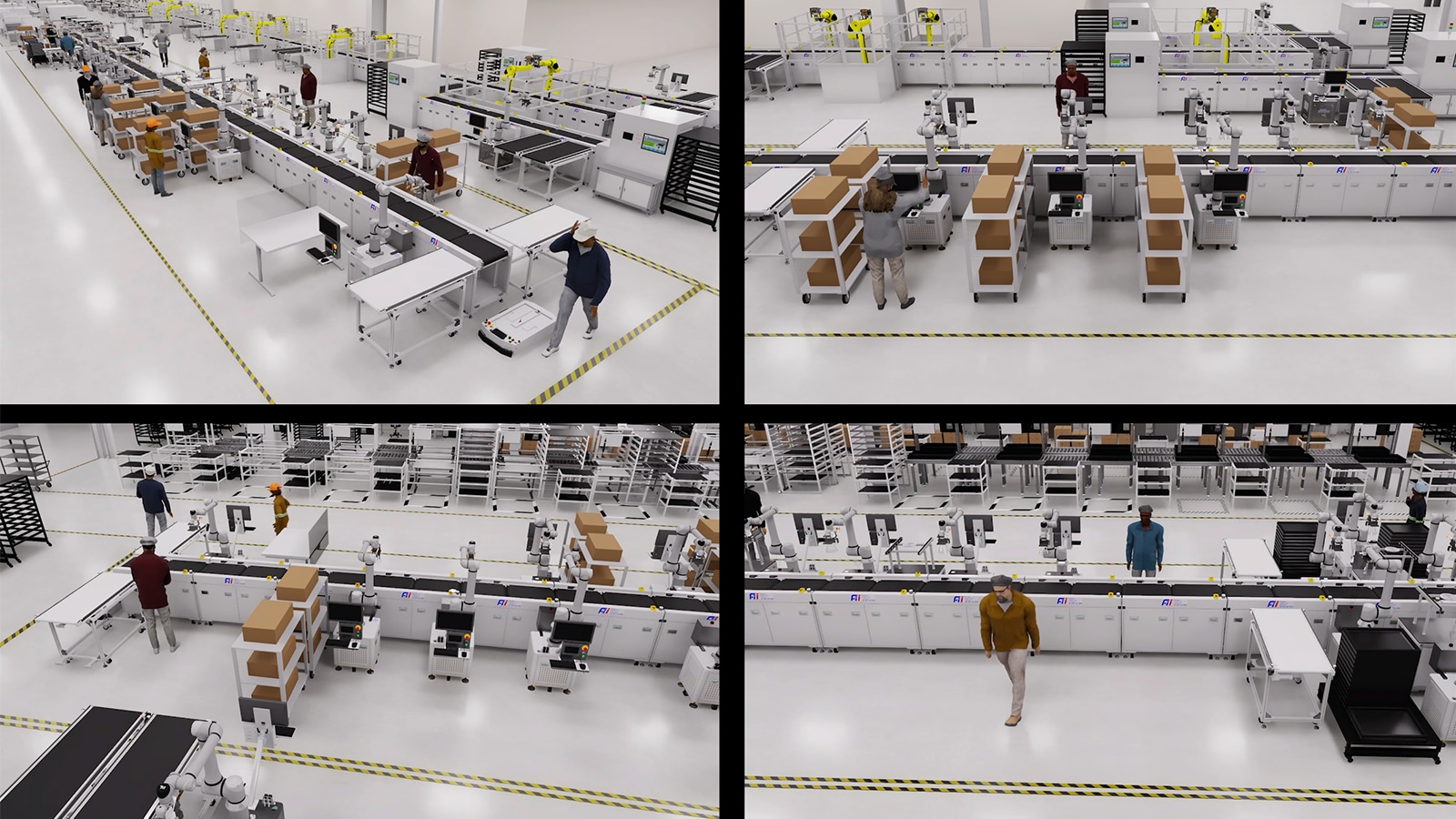
Siemens and NVIDIA lead in sustainable manufacturing with digital twin technology, reducing emissions and improving energy efficiency. Challenges include silos between departments and data management, but digital twins are breaking barriers and driving sustainability efforts.

Methodologists are interdisciplinary problem solvers who use multiple approaches to find the best solutions. They have a curious mindset, learn quickly, and think creatively to tackle complex problems in innovative ways.
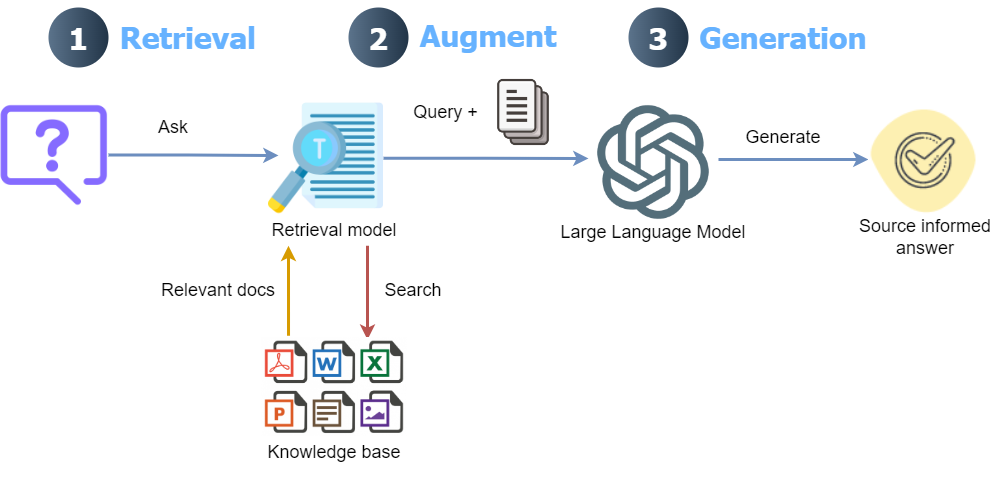
Large language models (LLMs) have limitations in answering specific queries. Retrieval Augment Generation (RAG) solutions integrate external documents to guide LLMs for more accurate responses, with Anthropic's method showing significant performance improvement.
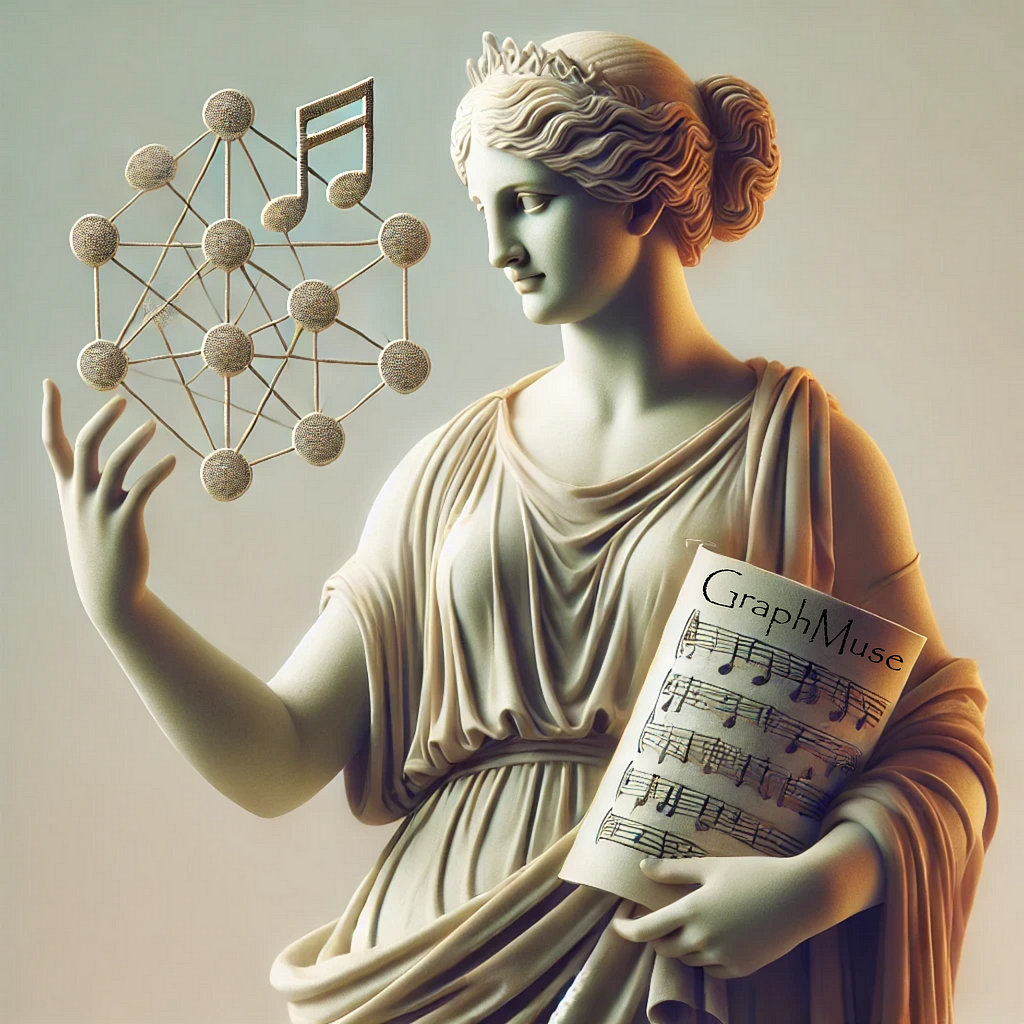
GraphMuse Python library utilizes Graph Neural Networks for music analysis, connecting notes in a score to create a continuous graph. Built on PyTorch and PyTorch Geometric, GraphMuse transforms musical scores into graphs up to x300 faster than previous methods, revolutionizing music analysis.
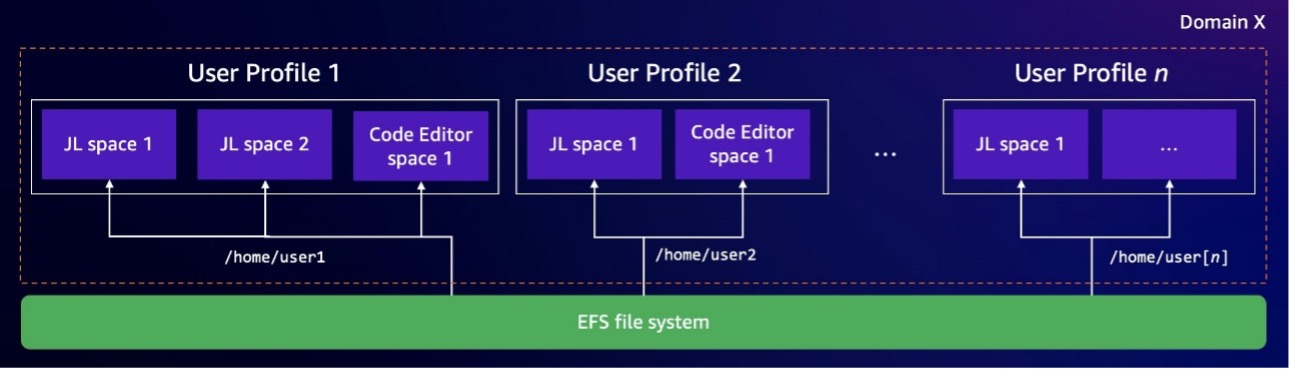
Amazon SageMaker Studio offers integrated IDEs like JupyterLab and RStudio for efficient ML workflows. Users can set up private spaces with Amazon EFS for seamless data sharing and centralized management, enabling individual storage and cross-instance file access.

Google DeepMind's AI system generates group statements from individual views, aiding in bridging culture war divisions. Experts believe this technology can help people find common ground by reflecting majority and minority perspectives.

The Alan Turing Institute shifts focus, may cut jobs as it streamlines projects.UK's AI institute plans to reduce projects, potentially leading to staff layoffs.