
Researchers at MIT and Boston Children’s Hospital developed E(3)-Pose, a deep learning model that tracks fetal brain motion during MRI scans to improve image quality and accuracy. The model embeds physics principles to enhance brain orientation identification, aiding in early detection of abnormalities in fetal brain development.

Amazon SageMaker JumpStart offers a curated catalog of AI models, templates, and notebooks, streamlining ML model selection to deployment. Leading providers like Alibaba, NVIDIA, and Google contribute diverse models for model discovery, deployment, and customization.

Amazon Bedrock now supports structured outputs for all Anthropic Claude models, ensuring schema-compliant JSON responses. This eliminates the need for custom parsing and post-processing, making tasks like data extraction and contract analysis more efficient and reliable.
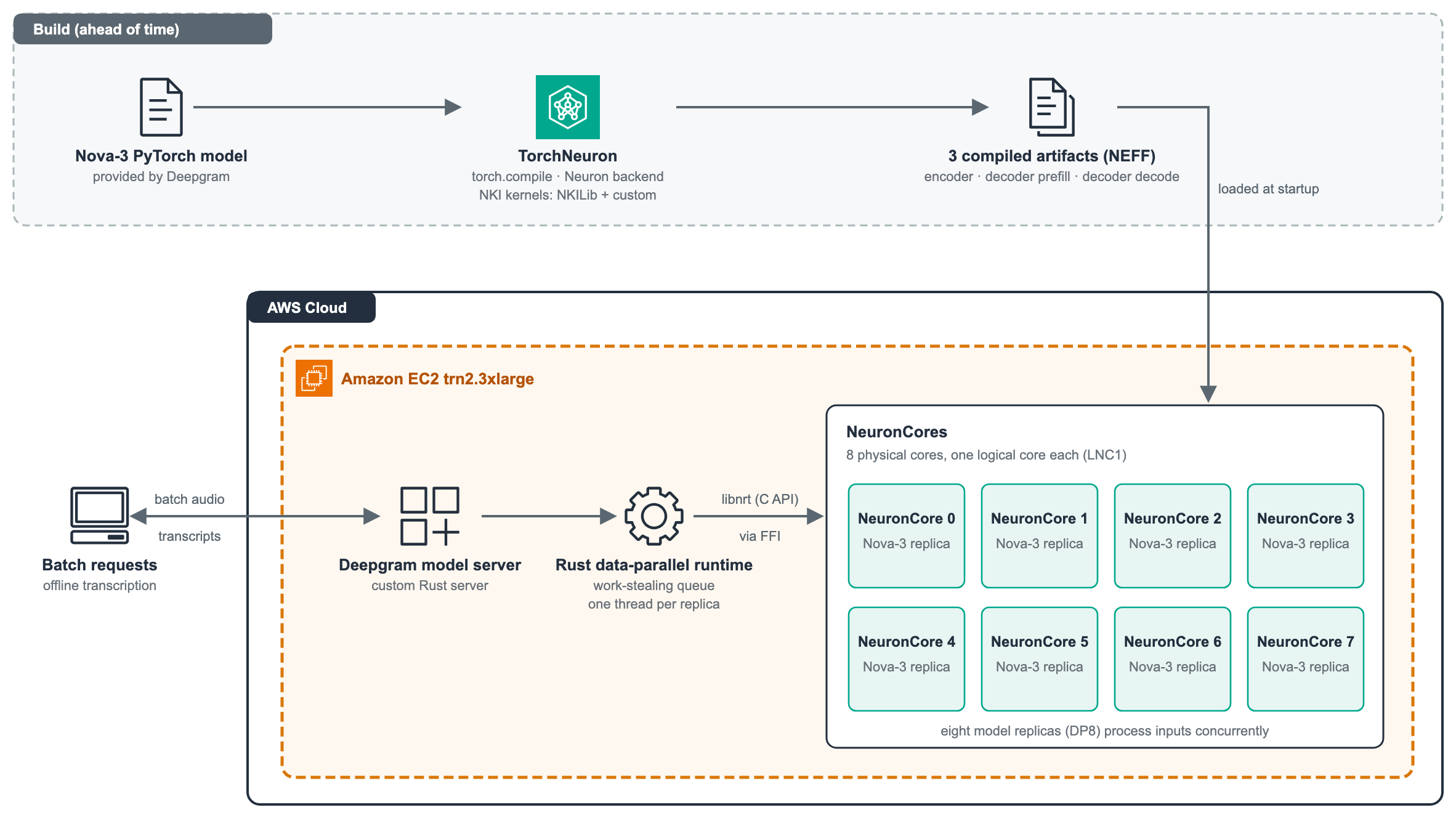
Deepgram leverages AWS AI chips to enhance efficiency, processing 11-70% more audio per dollar for customers. Deepgram and AWS collaborate to optimize Nova-3 on Trainium2, improving inference for speech-to-text models.

TwelveLabs releases Pegasus 1.5 on Amazon Bedrock, a video language model transforming video into structured metadata. Pegasus 1.5 offers time-based metadata, multimodal prompting, and on-the-fly processing, enhancing video analysis capabilities.
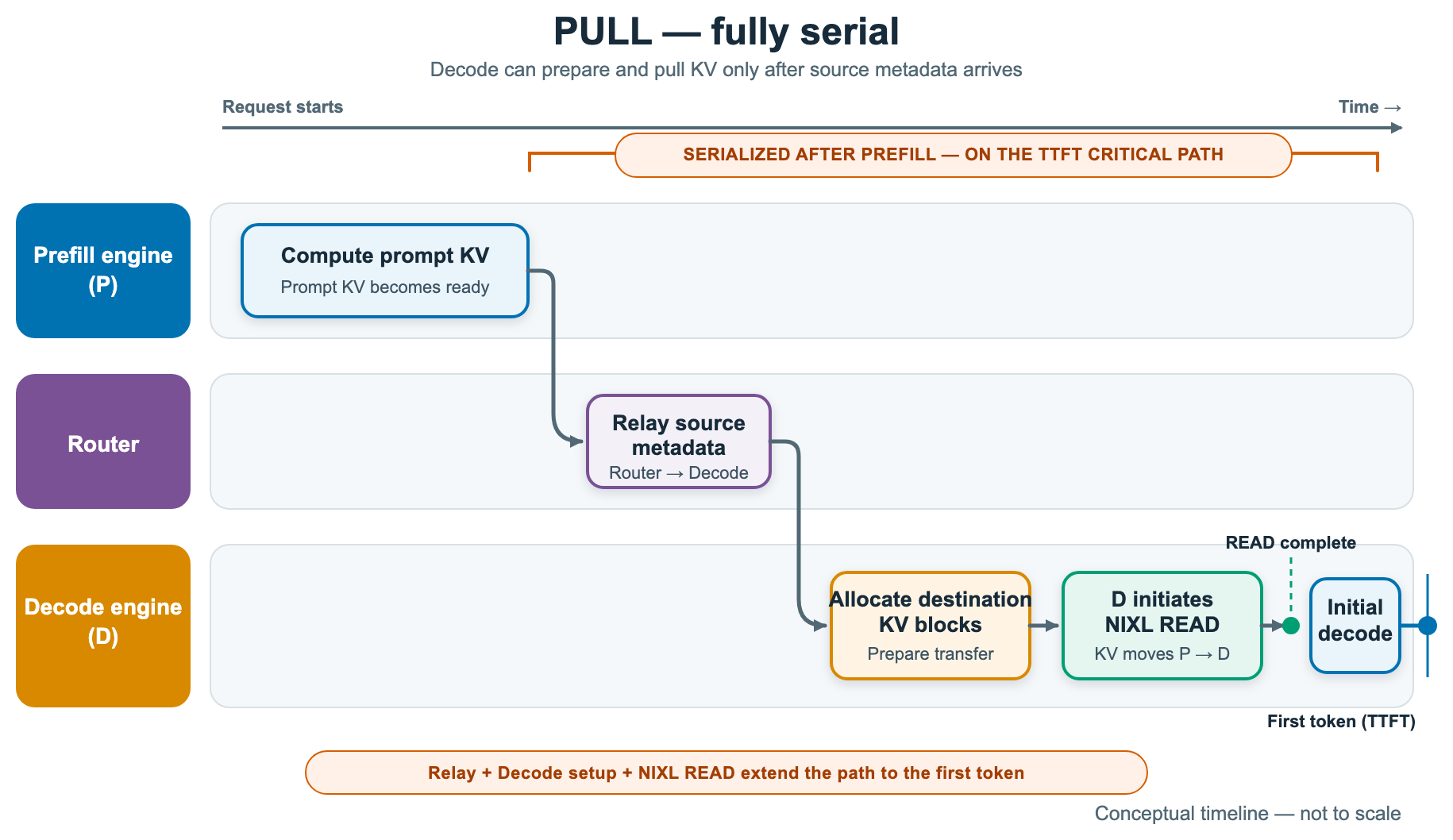
vLLM introduces push-based NIXL connector for efficient KV transfer, reducing TTFT and improving TPOT in LLM inference. Benchmark shows up to 3x better TTFT and 30% better TPOT with push mode on Amazon EC2 P5en instances using Qwen3-32B model.

German Chancellor Friedrich Merz and NVIDIA CEO Jensen Huang discuss Germany's AI roadmap at Kraftwerk, emphasizing AI applications in manufacturing and automotive. Germany aims to merge engineering expertise with AI technology, collaborating with NVIDIA to advance industrial AI models and establish a cutting-edge ecosystem in Europe.

NVIDIA RTX Spark laptops, with powerful AI capabilities, now available for $2,399 from top PC makers. Jensen Huang surprises fans at launch events in Berlin, sparking excitement worldwide.

MIT researchers developed a multimodal AI model combining 3D structures with language to improve material design. The model outperformed text-only models in identifying promising materials for applications like solid-state lithium-ion batteries.
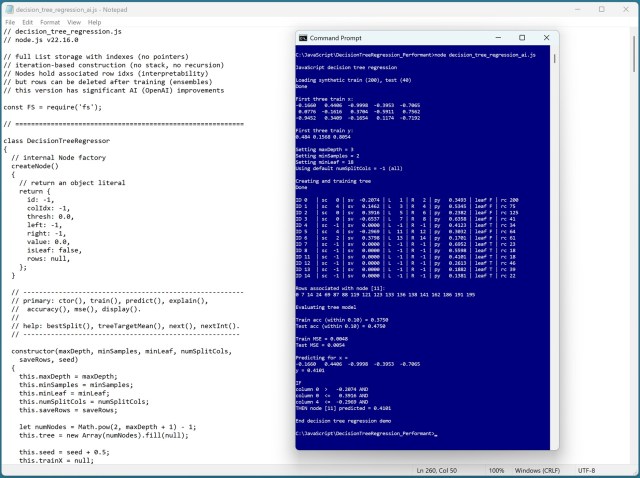
AI helped improve JavaScript decision tree regression, finding edge cases and suggesting performance enhancements. New version created after 16 hours of challenging work, with synthetic data demo showcasing improved accuracy and efficiency.

Kendall Square Association's 18th Annual Meeting focused on community innovation, AI's impact on society, and the importance of liberal democracy. Keynote speaker Daron Acemoglu emphasized the need for new innovations to address growing challenges and the value of collaboration in Kendall Square.
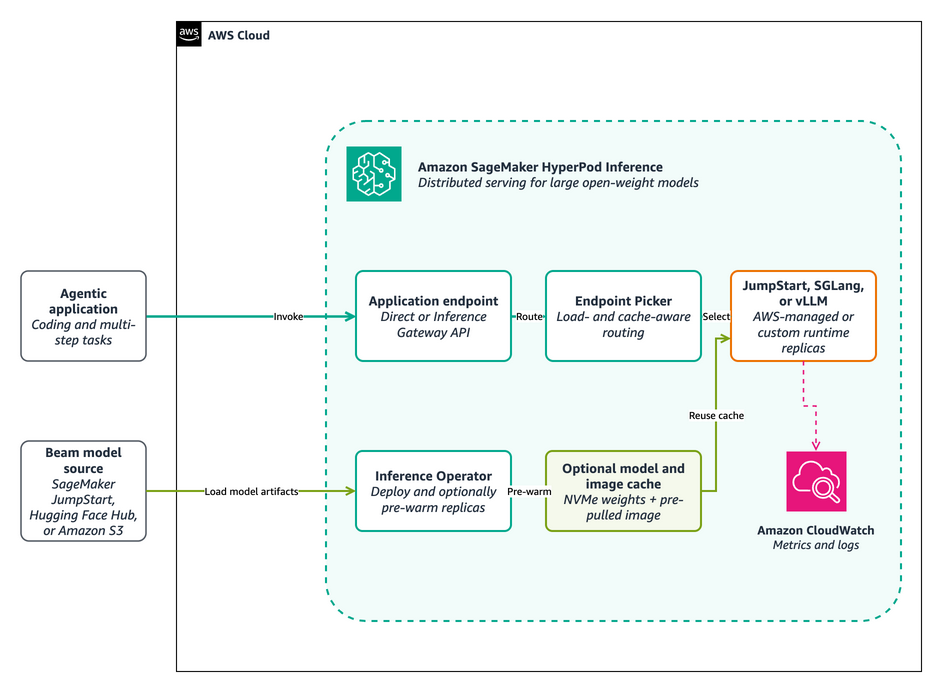
Reflection AI introduces Beam, an open-weight model for agentic coding and long-horizon tasks. Beam's 501 billion total parameters and 23 billion active parameters shape its deployment on AWS, offering developers control and customization options.
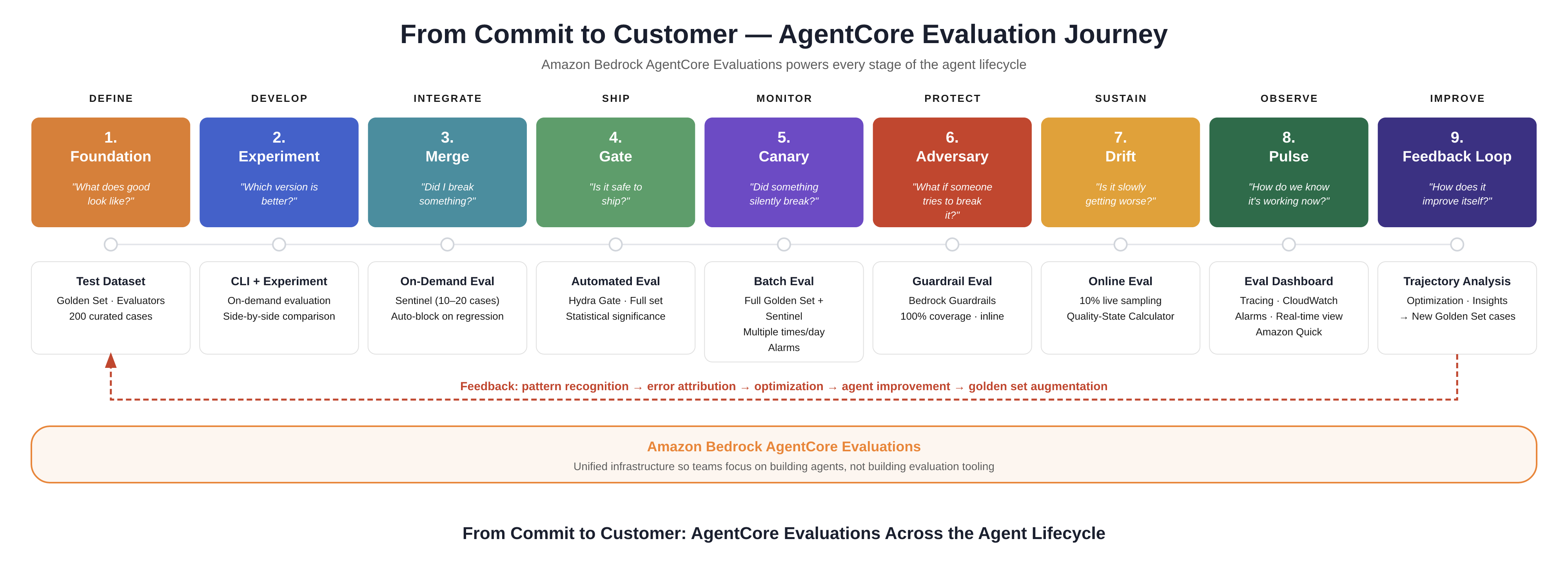
AI agents must maintain quality to avoid broken relationships with users. Amazon Bedrock AgentCore ensures accurate, fluent responses for business decisions at scale.

Corporate leaders prioritize sustainability, but face challenges in converting commitment into action. MIT report shows commitment to sustainability high, but tariff uncertainty hinders progress in long-term sustainability planning.
CopilotKit released CLiF, a platform for continual learning from full-stack trajectories, capturing user actions to improve AI agents. CLiF targets pains slowing agent teams, providing skills, evals, and datasets to enhance performance.