
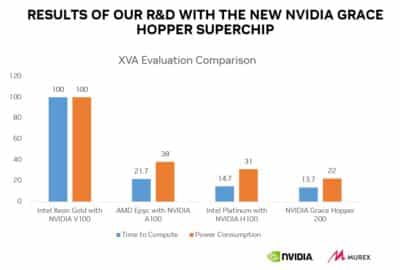
Murex, a Paris-based trading software company, is testing NVIDIA's Grace Hopper Superchip for faster and more energy-efficient risk calculations. Grace Hopper offers significant performance improvements, including a 4x reduction in energy consumption and a 7x increase in speed for XVA calculations.

Showrunner allows users to generate episodes with prompts, bridging the gap between shows seamlessly, enhancing viewer engagement. This innovative feature by Netflix could revolutionize binge-watching habits, offering a continuous stream of personalized content.

OpenAI signs deals with The Atlantic and Vox Media to license editorial content for ChatGPT training, sparking backlash from writers and unions. Unions express alarm and concern over lack of transparency and potential impact on members' work and ethical considerations.
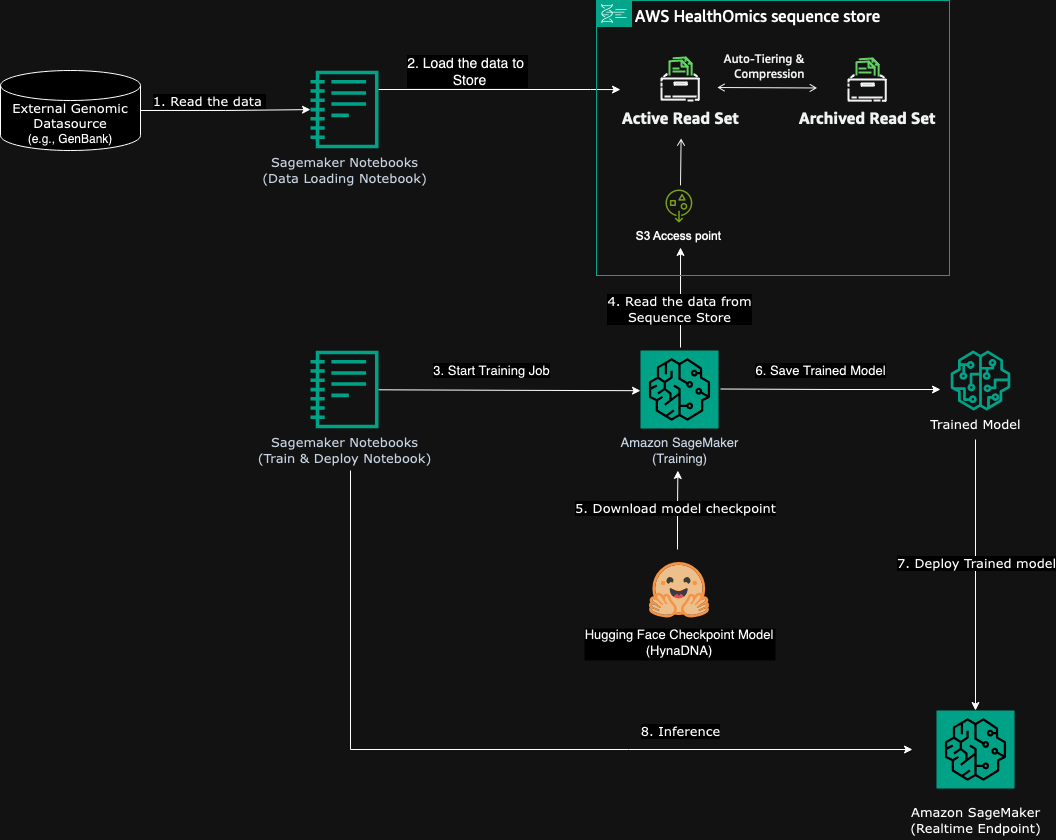
Genomic language models like HyenaDNA use transformer architecture to interpret DNA language for insights in genomics, healthcare, and agriculture. AWS HealthOmics storage and Amazon Sagemaker enable cost-effective training and deployment of these models, driving innovation in precision medicine and biotechnology.

Anthropic AI explores extracting interpretable features using Sparse Autoencoders, aiming to break down 'polysemanticity' in neural networks. Prof. Tom Yeh's handiworks beautifully explain the workings of these mechanisms.

Google to refine AI-generated search result summaries after bizarre and inaccurate answers. Company restricts searches and limits satire content.
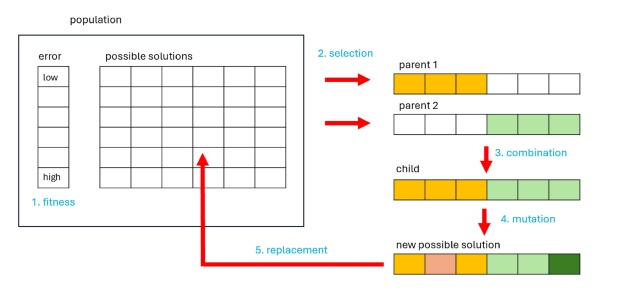
Evolutionary Algorithms (EAs) have limited math foundation, leading to lower prestige and limited research topics compared to classical algorithms. EAs face barriers due to simplicity, resulting in fewer rigorous studies and less exploration potential.
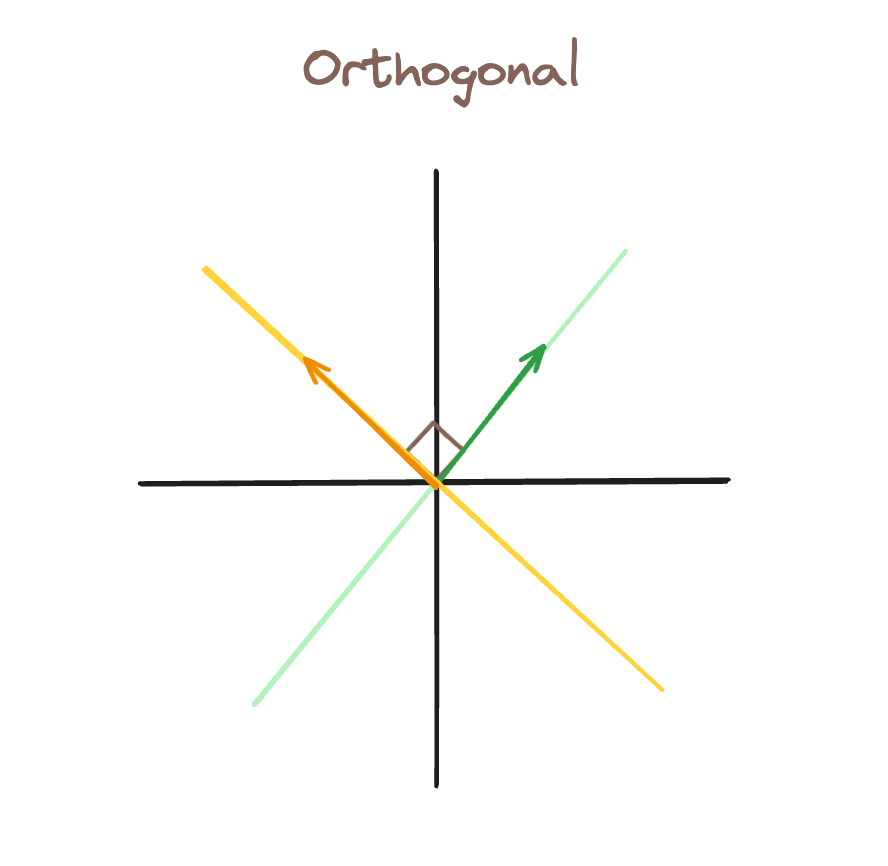
Anthropic's recent paper delves into Mechanistic Interpretability of Large Language Models, revealing how neural networks represent meaningful concepts via directions in activation space. The study provides evidence that interpretable features correlate with specific directions, impacting the output of the model.
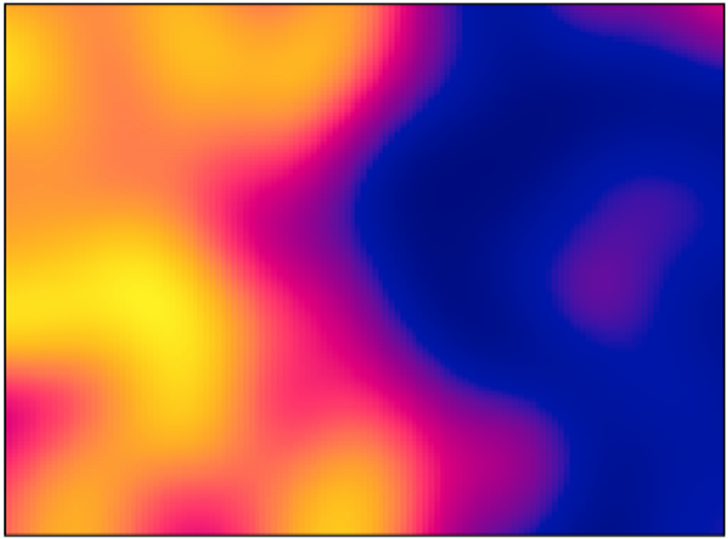
Neuroscientist introduces spatstat for spatial analysis of cell distribution in the brain. Point pattern analysis (PPA) allows for detailed examination of cell spatial distribution, offering reproducible insights.

An AI-generated graphic depicting refugee tents in Rafah becomes viral during Israel-Gaza war, with over 45m shares on Instagram. The image also gains traction on TikTok and Twitter, reaching millions of views and retweets.
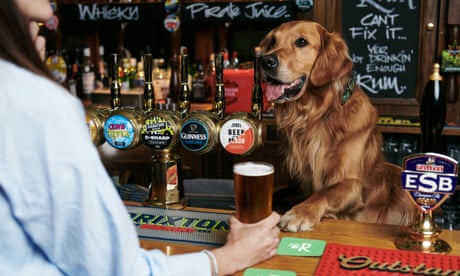
AI may enable real interspecies communication, as Tel Aviv University joins $10m Coller Dolittle Challenge. Scientists invited to create two-way conversations with animals in groundbreaking competition.
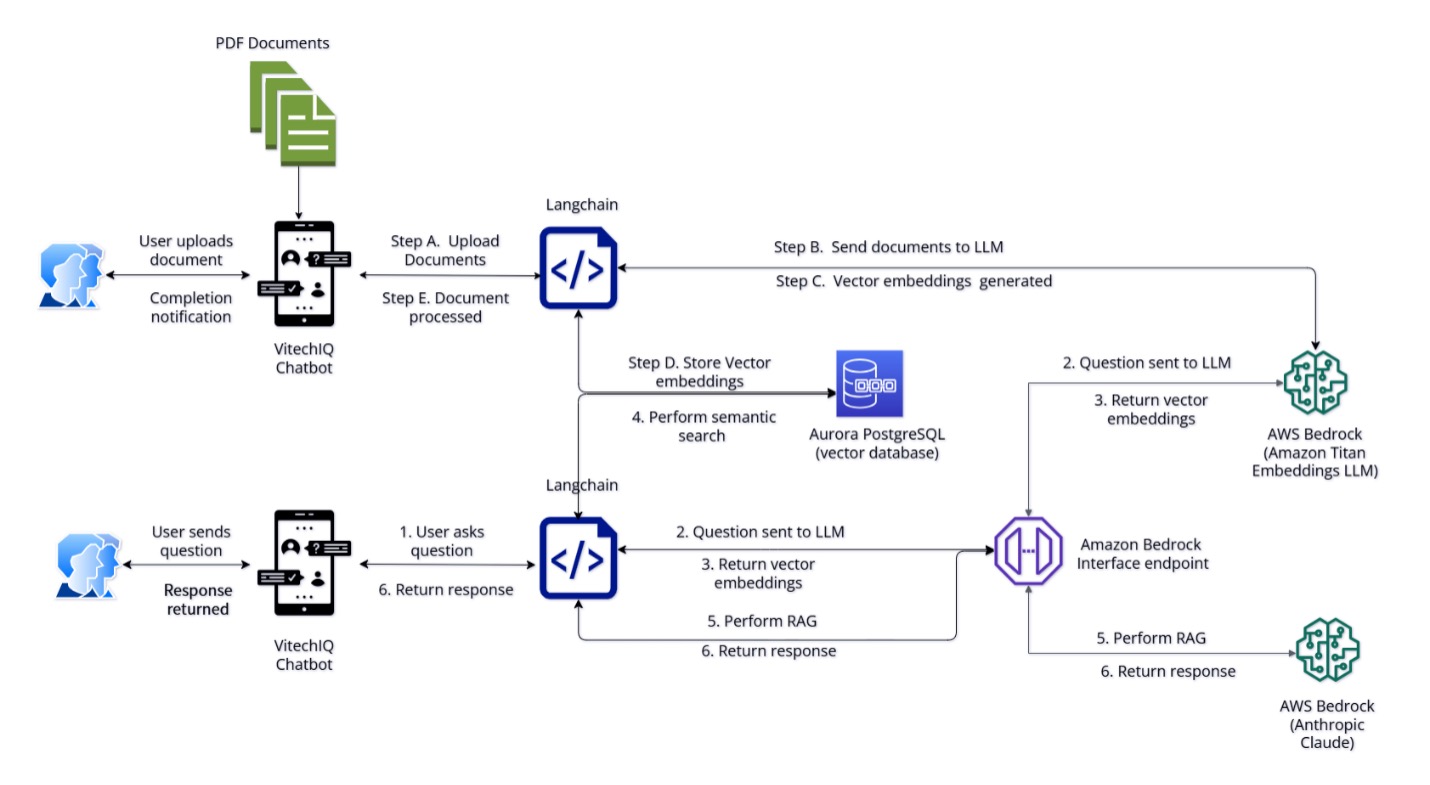
Vitech partners with Amazon Bedrock to create VitechIQ, an AI-powered chatbot for internal documentation retrieval. Amazon Bedrock offers fully managed Knowledge Bases for AI-driven chatbots like VitechIQ.
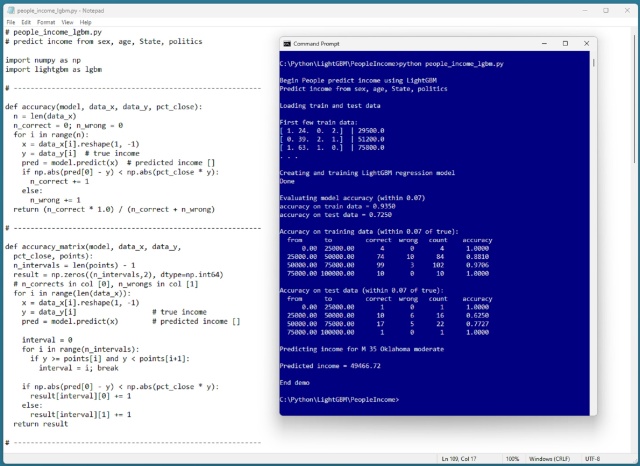
A LightGBM regression model predicts income accuracy within intervals, demonstrating the model's effectiveness with synthetic data. The model showcases accuracy for various income ranges, highlighting the importance of specifying target value proximity for correct predictions.

Major tech companies like Google, Microsoft, and Meta form UALink group to develop new AI accelerator chip interconnect standard, challenging Nvidia's NVLink dominance. UALink aims to create open standard for AI hardware advancements, enabling collaboration and breaking free from proprietary ecosystems like Nvidia's.

Big tech's datacentres are major contributors to global greenhouse emissions, overshadowing commercial flights. Research shows energy-guzzling technologies like ChatGPT have significant environmental costs.