
OpenAI, creator of ChatGPT, faces backlash over considering allowing adult content creation with its AI, undermining its safety mission. Critics argue that the proposal contradicts the company's commitment to producing safe and beneficial AI.

MIT researchers developed a control algorithm for reconfigurable soft robots that can autonomously learn to change shape for specific tasks. The method outperformed other algorithms, showing promise for future adaptable robots in healthcare, wearables, and industry.

TikTok introduces digital watermarking to identify AI-generated content from other platforms, enhancing existing security measures. Users will now be able to distinguish between content created using TikTok's AI tools and generated material uploaded from external sources.

Article on LightGBM for multi-class classification in Microsoft Visual Studio Magazine demonstrates its power and ease of use, with insights on parameter optimization and its competitive edge in recent challenges. LightGBM, a tree-based system, outperforms in contests, making it a top choice for accurate and efficient multi-class classification tasks.
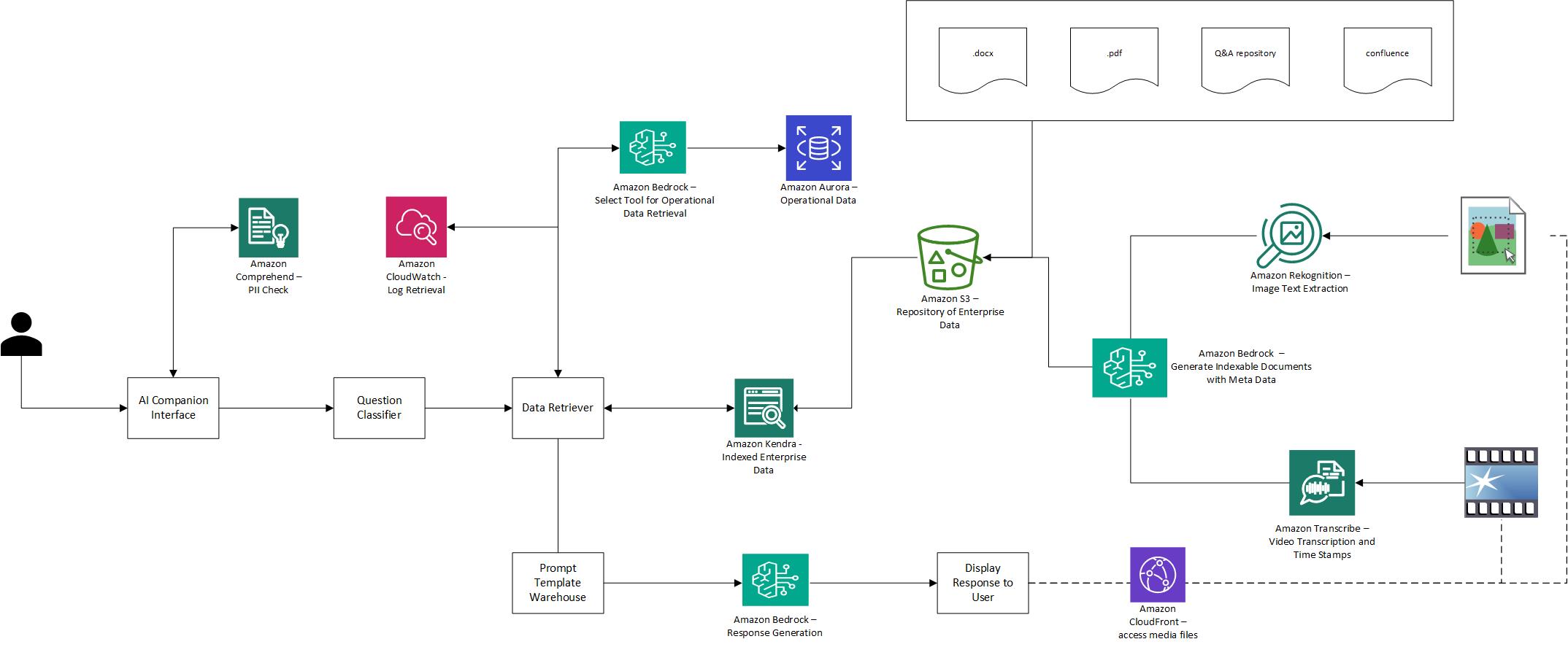
Verisk uses generative AI in FAST platform to enhance efficiency and profitability for insurance clients. Their AI companion provides 24/7 support and tailored responses, freeing up staff for innovation.

Google DeepMind's latest AlphaFold program can predict protein behavior, aiding advancements in antibiotics, cancer therapy, and crop resilience. The breakthrough promises insights into biological machinery for various applications, from medicine to agriculture.

Elon Musk's lawsuit against OpenAI and Sam Altman sees judge removed due to challenge under California law allowing removal of biased judges. California Code of Civil Procedure 170.6 grants plaintiffs and defendants one peremptory challenge to ensure an impartial trial.

Critical vulnerabilities in F5's BIG-IP Next Central Manager expose top networks to intrusion. Hackers target appliances used by Fortune 50 companies for load balancing and encryption.

AI tools accelerated by NVIDIA RTX enhance video editing in DaVinci Resolve 19, streamlining workflows with new AI features. Resolve's AI-powered effects, including IntelliTrack AI point tracker and UltraNR for noise reduction, are optimized for NVIDIA RTX PCs, boosting performance by 2x.

NVIDIA CEO urges embracing AI advancements showcased in futuristic avatars demo at ServiceNow event in Las Vegas. Avatars powered by cutting-edge AI technologies promise to enhance customer service interactions and revolutionize enterprise operations.
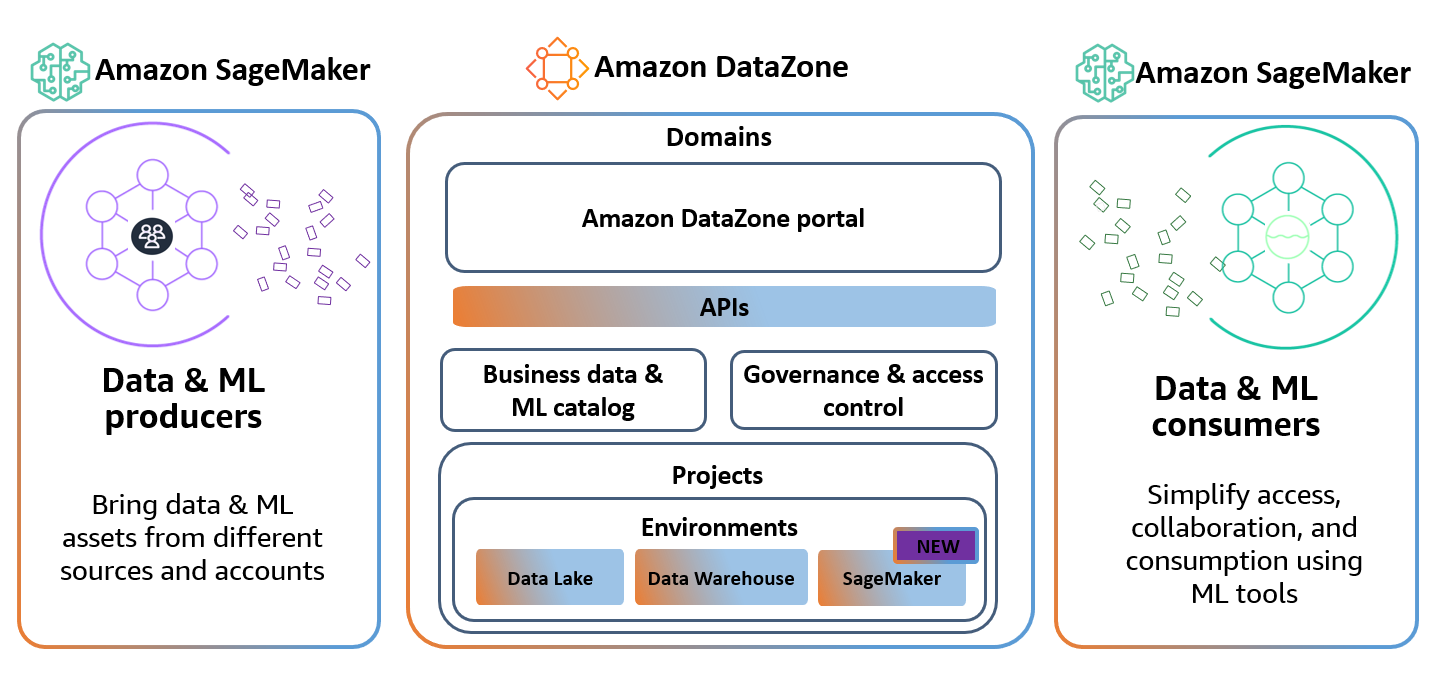
Amazon SageMaker and Amazon DataZone have integrated to streamline ML governance, collaboration, and data management for businesses. The new capabilities include project management, infrastructure management, and asset governance to simplify the ML lifecycle.
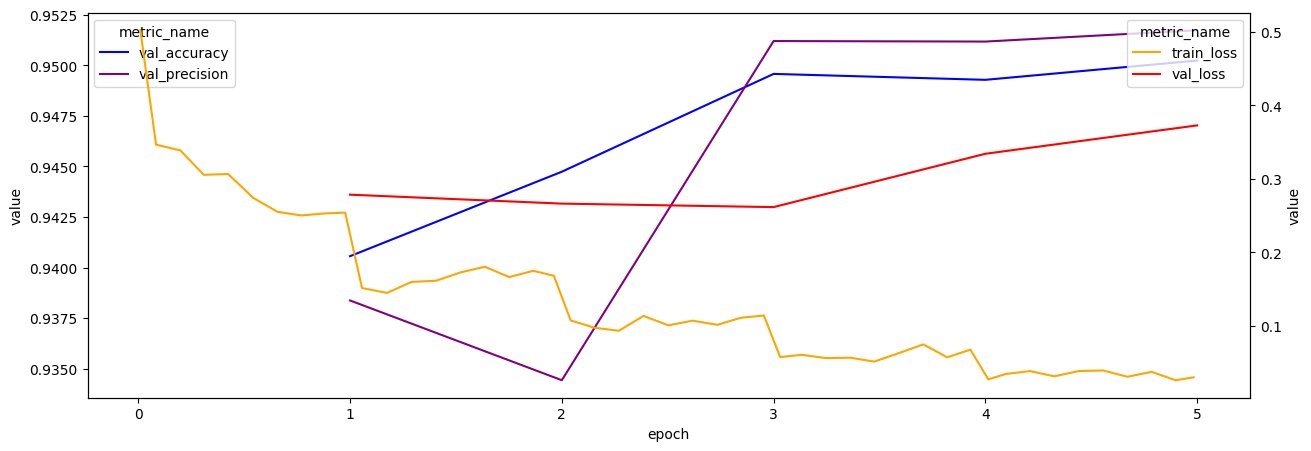
Amazon SageMaker JumpStart offers pre-trained models and algorithms for quick ML model training and deployment, including text classification with Hugging Face. Transfer learning allows fine-tuning of pre-trained models on custom datasets for efficient training even with limited data.
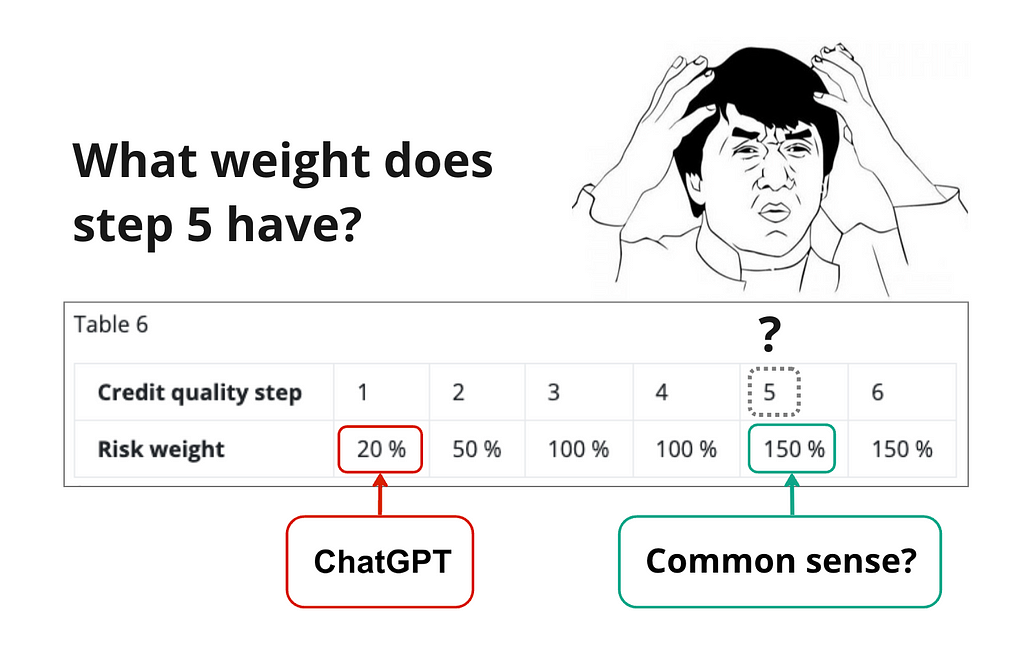
Large Language Models (LLMs) like ChatGPT impress in generic topics but struggle in specialist domains like finance due to lack of real understanding. Artificial Intelligence (AI) is often Artificial Imitation of Intelligence (AII) in complex fields, leading to potential harm and financial losses.

Geodata management for efficient search in real-world apps is crucial. Creating indexes on coordinate columns can accelerate search processes significantly.

MARSOC tests Ghost Robotics' Q-UGVs for recon, arms from Onyx Industries. Armed with Onyx's SENTRY RWS, robots can detect targets globally.