
Corporate leaders prioritize sustainability, but face challenges in converting commitment into action. MIT report shows commitment to sustainability high, but tariff uncertainty hinders progress in long-term sustainability planning.
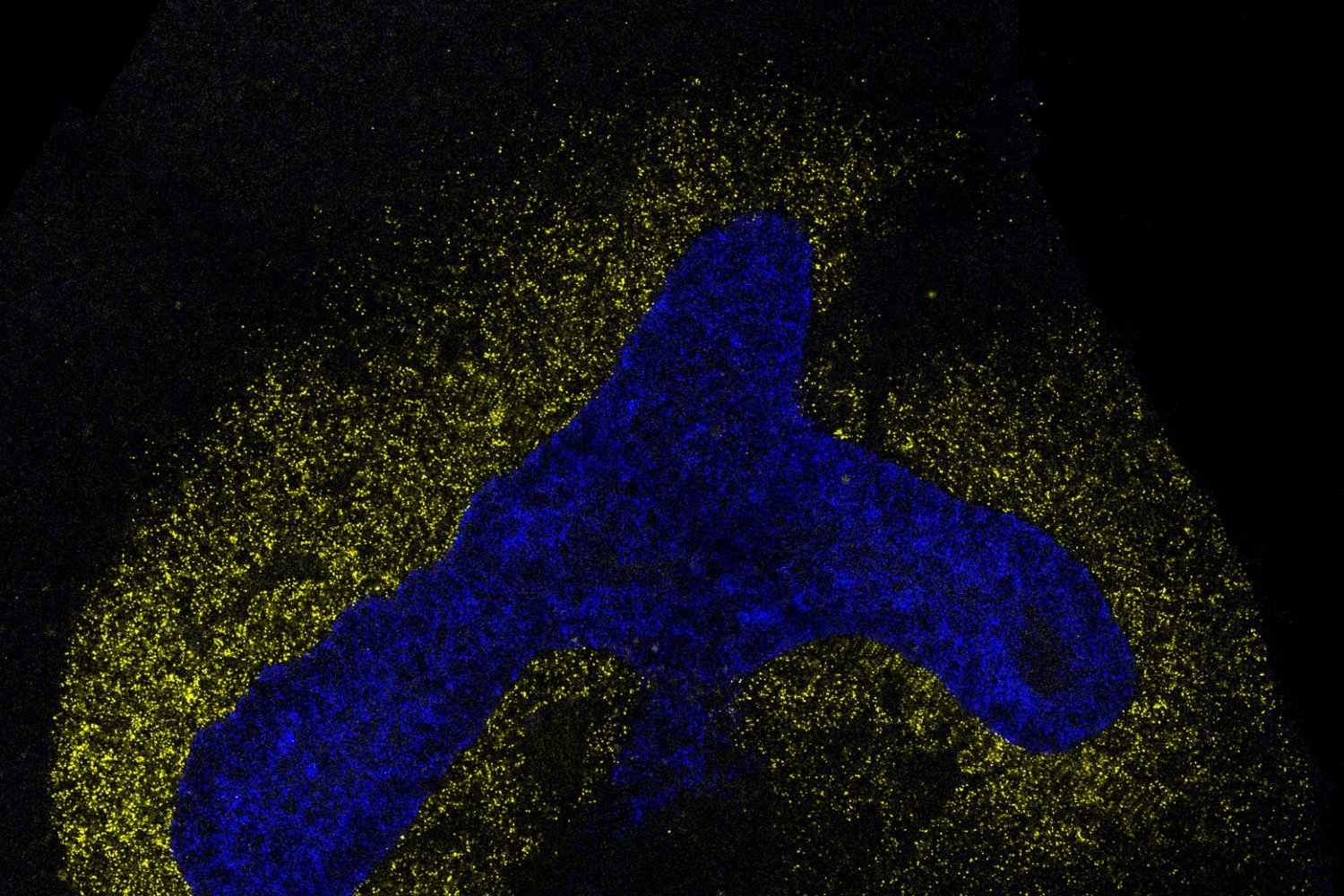
Researchers at MIT and Whitehead Institute have discovered unique "fingerprints" left by signaling pathways in cells, enabling them to reconstruct cell signaling histories across different cell types using artificial intelligence-driven model IRIS. This breakthrough could revolutionize stem cell engineering for regenerative medicine and enhance the creation of organoids for studying diseases an...
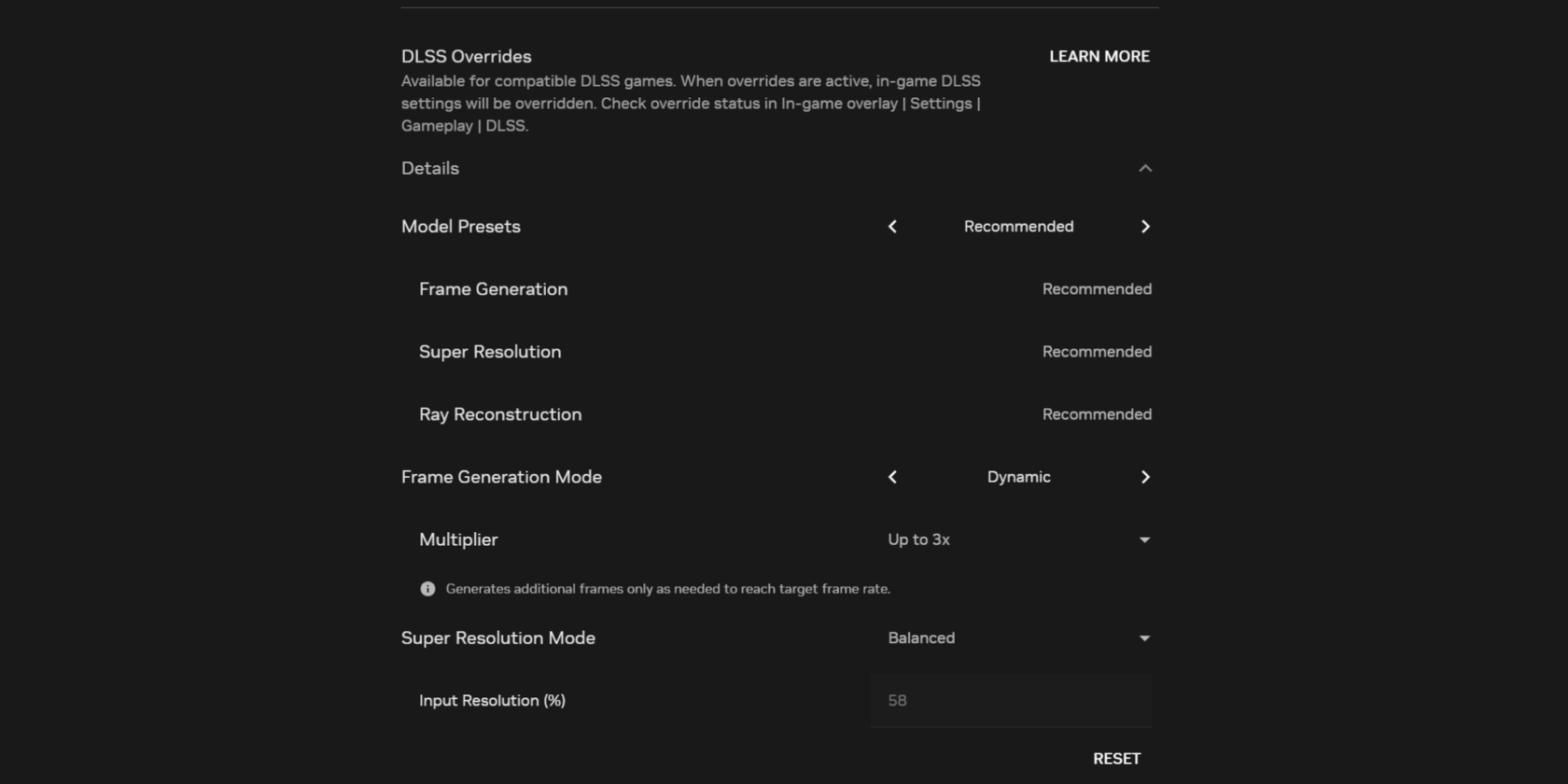
NVIDIA introduces DLSS 4.5 controls on GeForce NOW for enhanced gaming experience. Enshrouded 1.0 and Warhammer 40,000: Boltgun 2 now available for streaming on GeForce NOW.
CopilotKit released CLiF, a platform for continual learning from full-stack trajectories, capturing user actions to improve AI agents. CLiF targets pains slowing agent teams, providing skills, evals, and datasets to enhance performance.
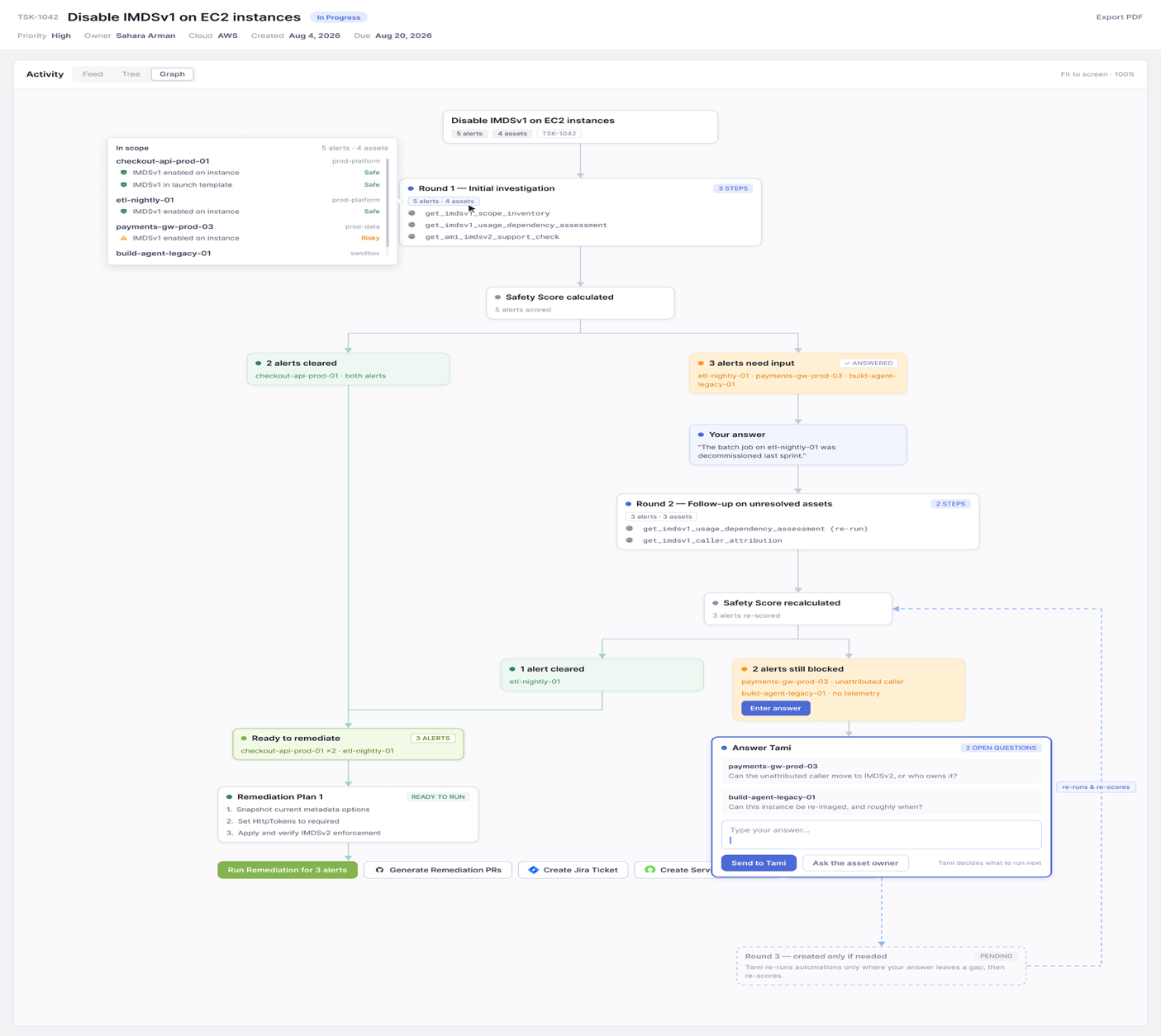
Tamnoon's Tami automates cloud security remediation, reducing critical exposures by over 90% in 90 days with zero production issues. The AI-powered platform streamlines investigation, prioritization, and safe remediation across AWS, Azure, and Google Cloud environments.
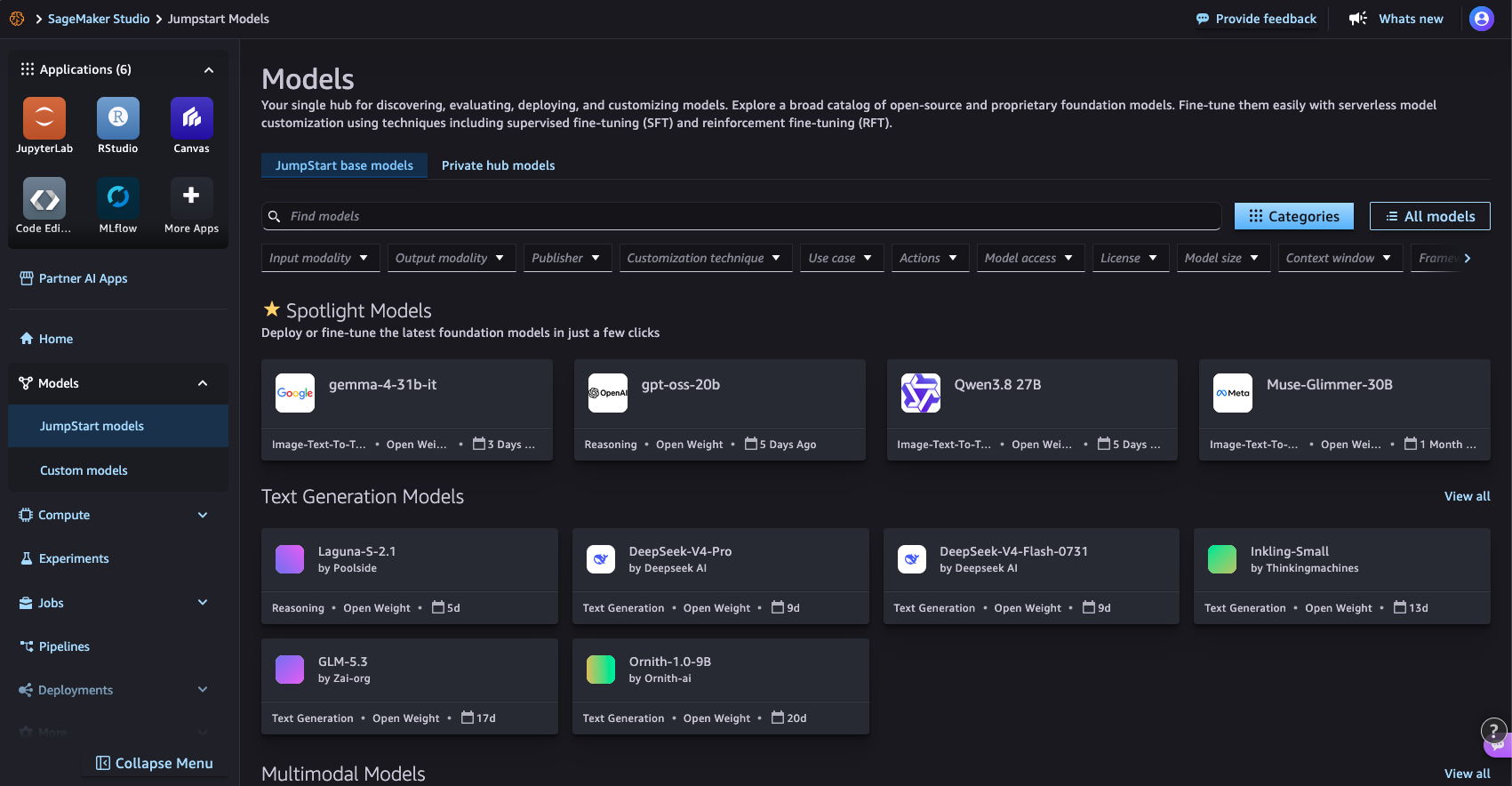
Amazon SageMaker JumpStart simplifies model deployment and testing, offering pre-trained models and optimized configurations. New improvements in 2026 streamline model discovery and deployment, including deep link integration for Hugging Face models.
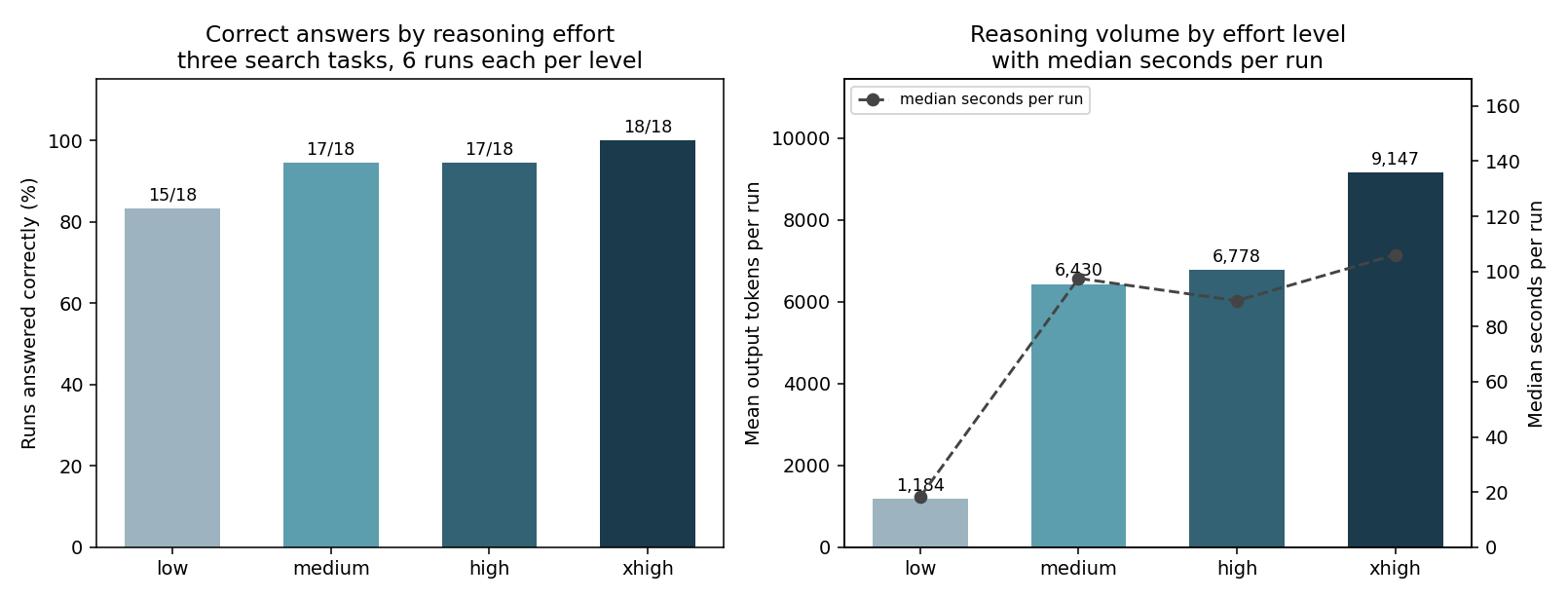
SpaceXAI's Grok 4.7 is now on Amazon Bedrock, offering advanced AI models for complex tasks. Grok 4.7 excels in verifying its work and managing longer contexts, showing significant performance improvements over its predecessor.
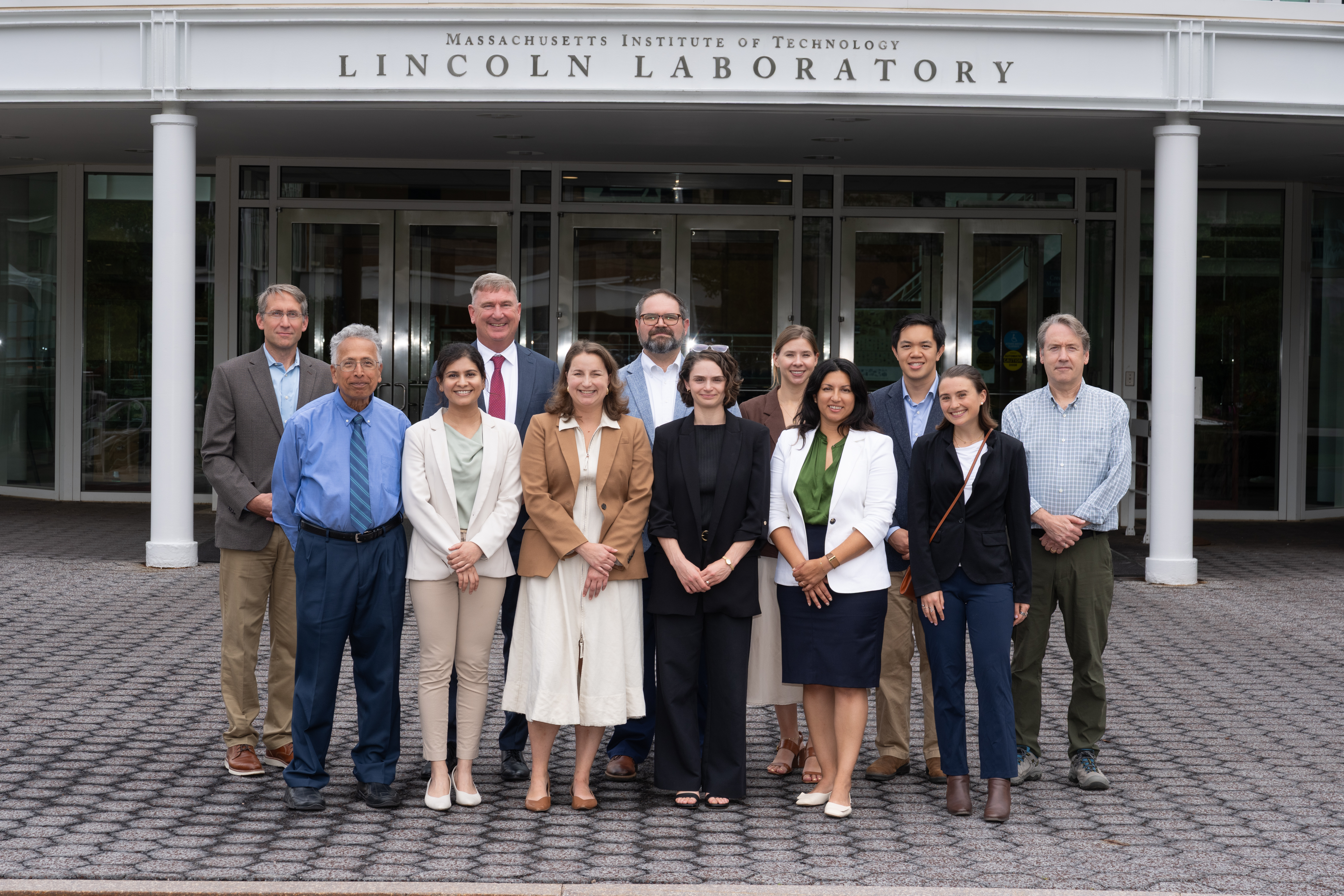
MIT Lincoln Laboratory hosted the NSCEB to discuss strengthening national biodefense capabilities. NSCEB's report calls for $15 billion federal investment to maintain U.S. leadership in biotechnology.
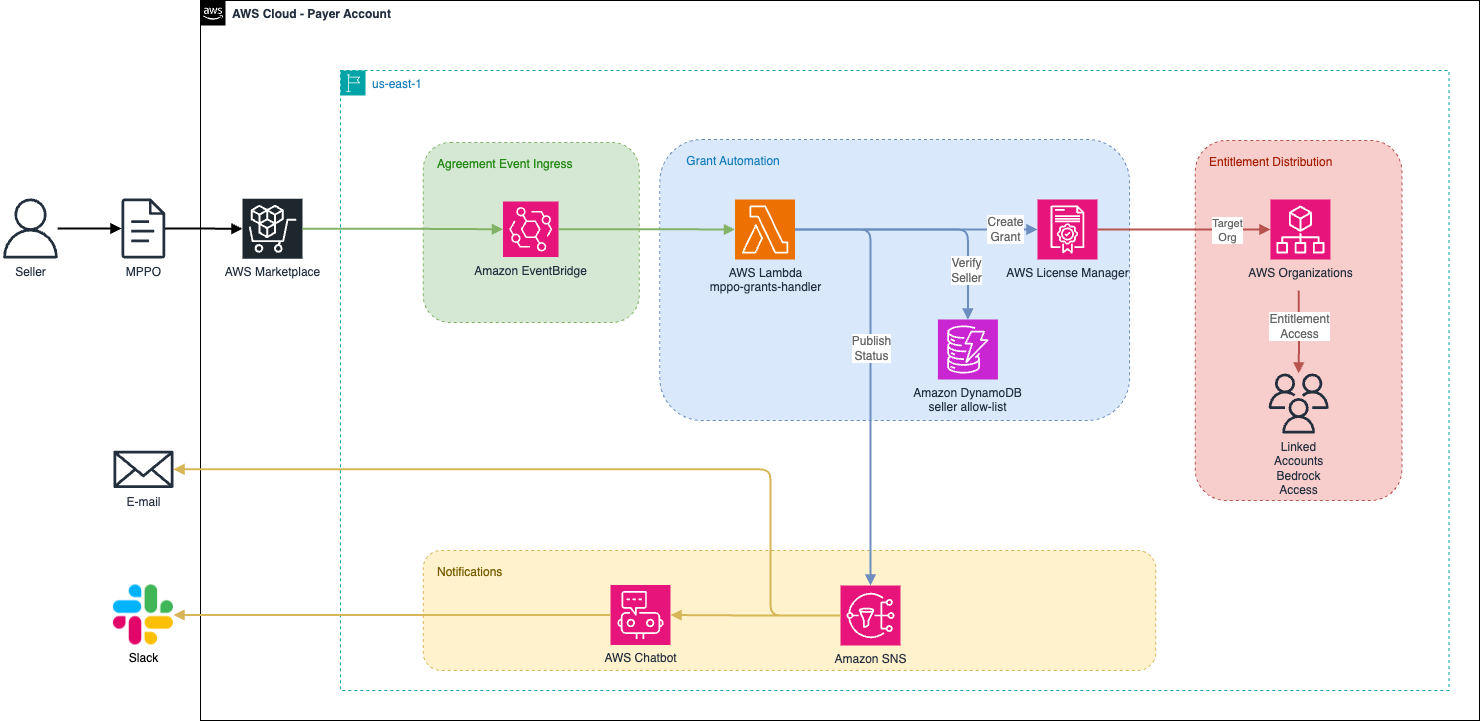
Amazon Bedrock simplifies multi-account access to third-party AI models via managed entitlements. Two activation methods are outlined: a lightweight script for one-time fixes and CDK automation for ongoing processing.
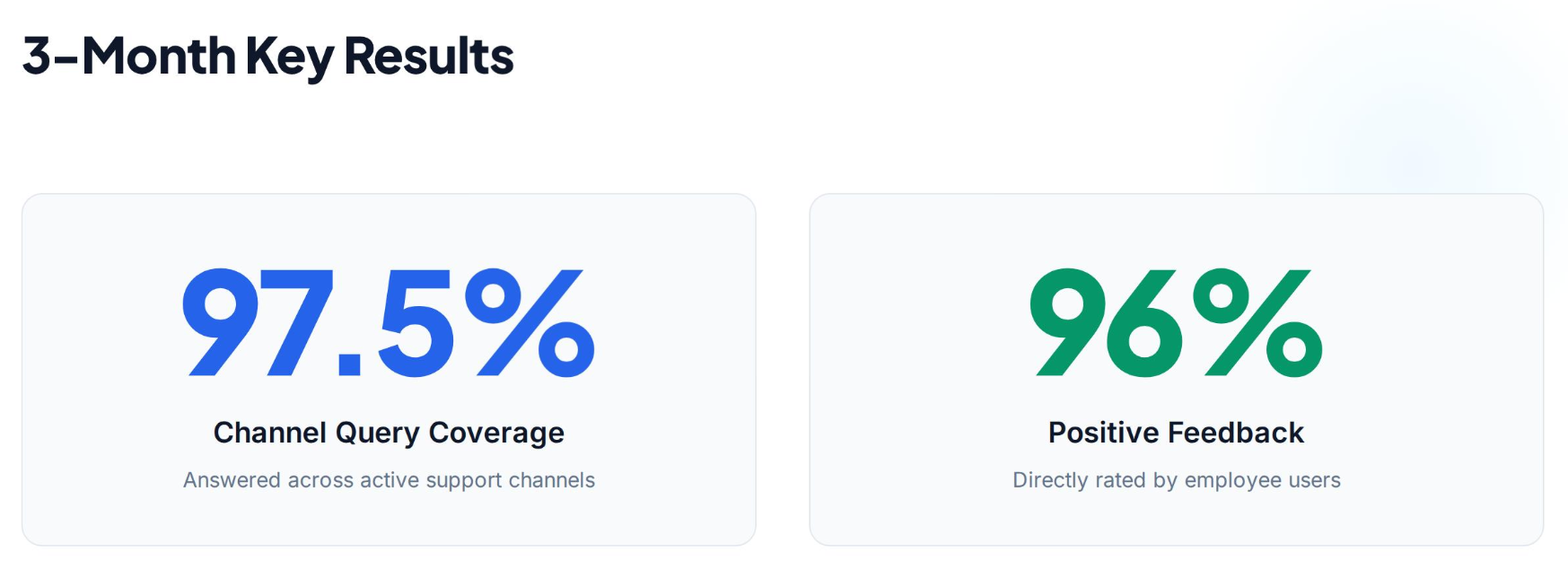
ShipStation Global Engineering team created Deckhand, an AI-powered IT help desk agent for Slack, to efficiently resolve routine IT inquiries. Deckhand achieved a 97.5% resolution rate and 96% positive feedback, streamlining IT support for global teams.
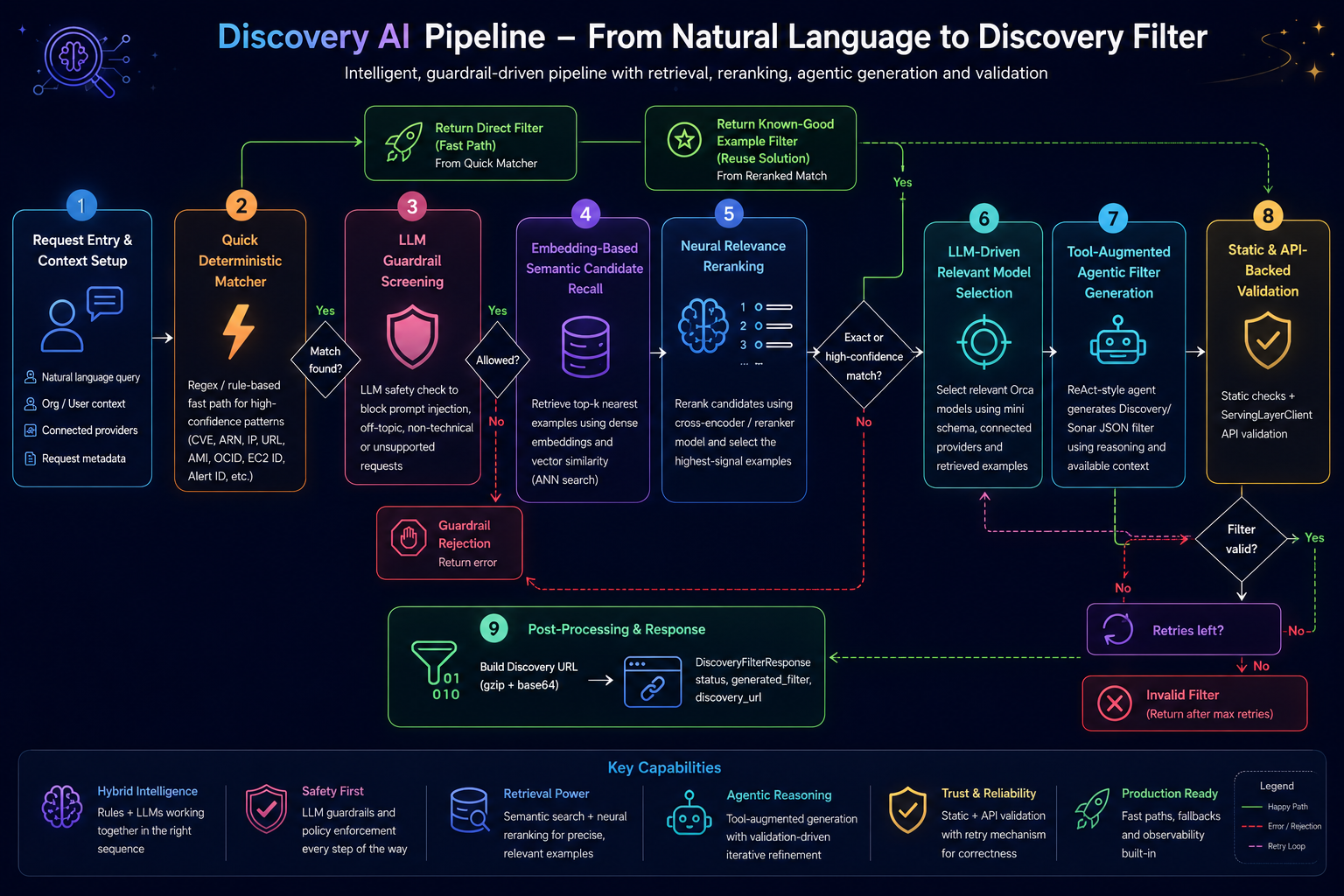
Orca Security's Discovery AI simplifies cloud security queries with natural language, reducing costs and latency significantly. The tool converts plain text into valid Sonar queries, bridging the gap between natural language and structured queries for over 900 cloud models.
AI is challenging accountability in public feedback, says MIT professor Deb Roy. MIT Center for Constructive Communication emphasizes trust in civic dialogues using AI.
Artificial neural networks can reorganize themselves to learn tasks like humans. MIT scientists argue that networks should be able to self-organize, like the brain, to provide insights into biological learning for therapies and brain-computer interfaces.
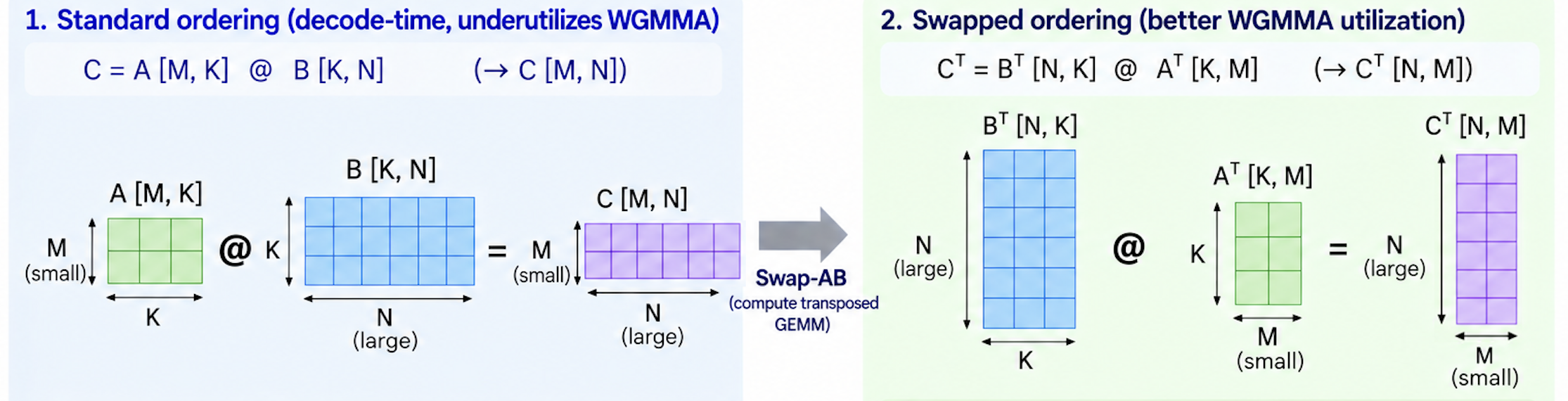
Fused MoE optimizes large language model operations, reducing latency and costs. NVIDIA Hopper architecture utilizes WGMMA for peak tensor processing throughput.
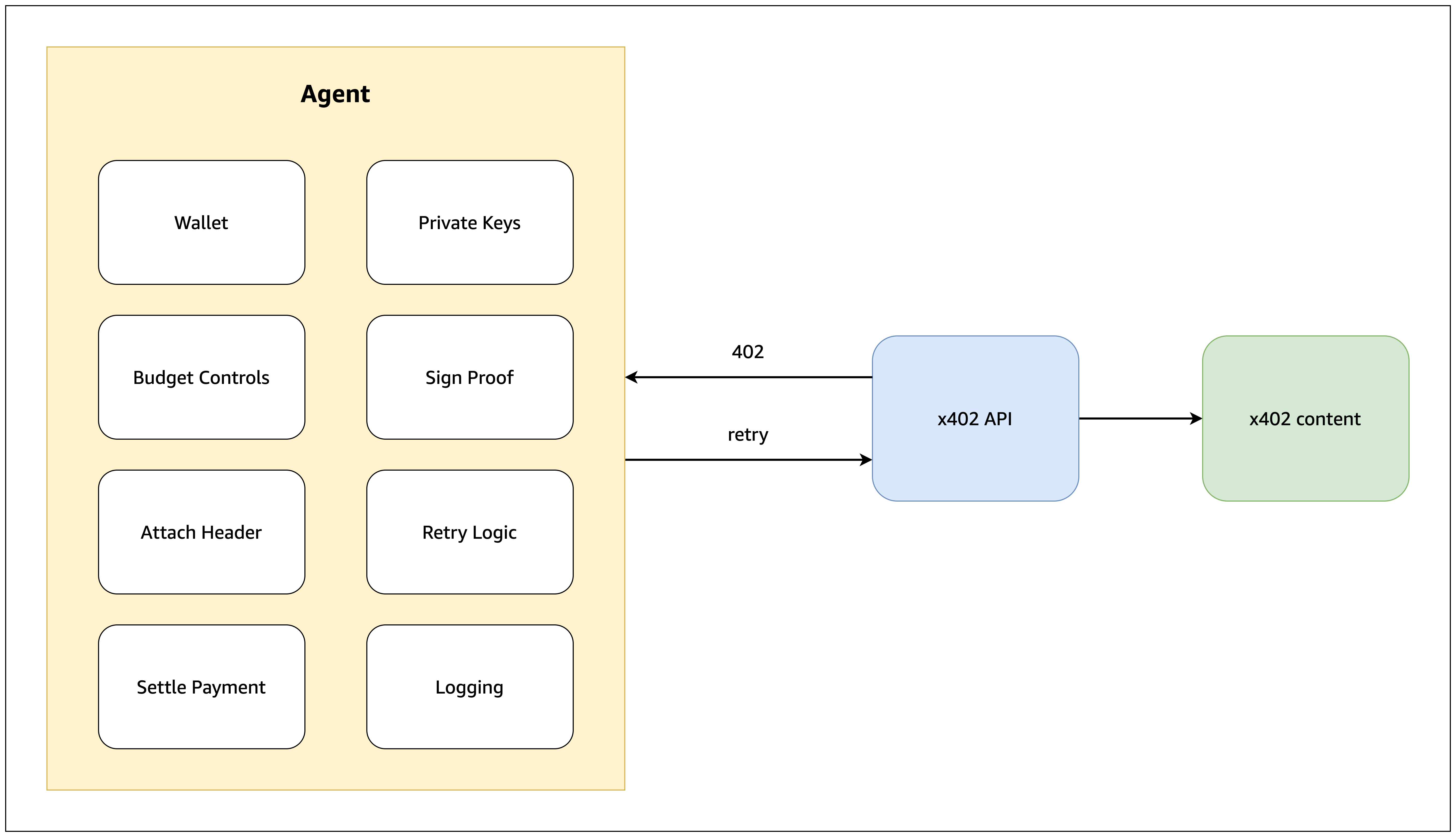
AI agents struggle with accessing priced web resources, encountering HTTP 402 Payment Required. Anchor Browser with Agentic Payments automates machine-to-machine payments, now available on AWS Marketplace, enabling seamless transactions for AI agents.