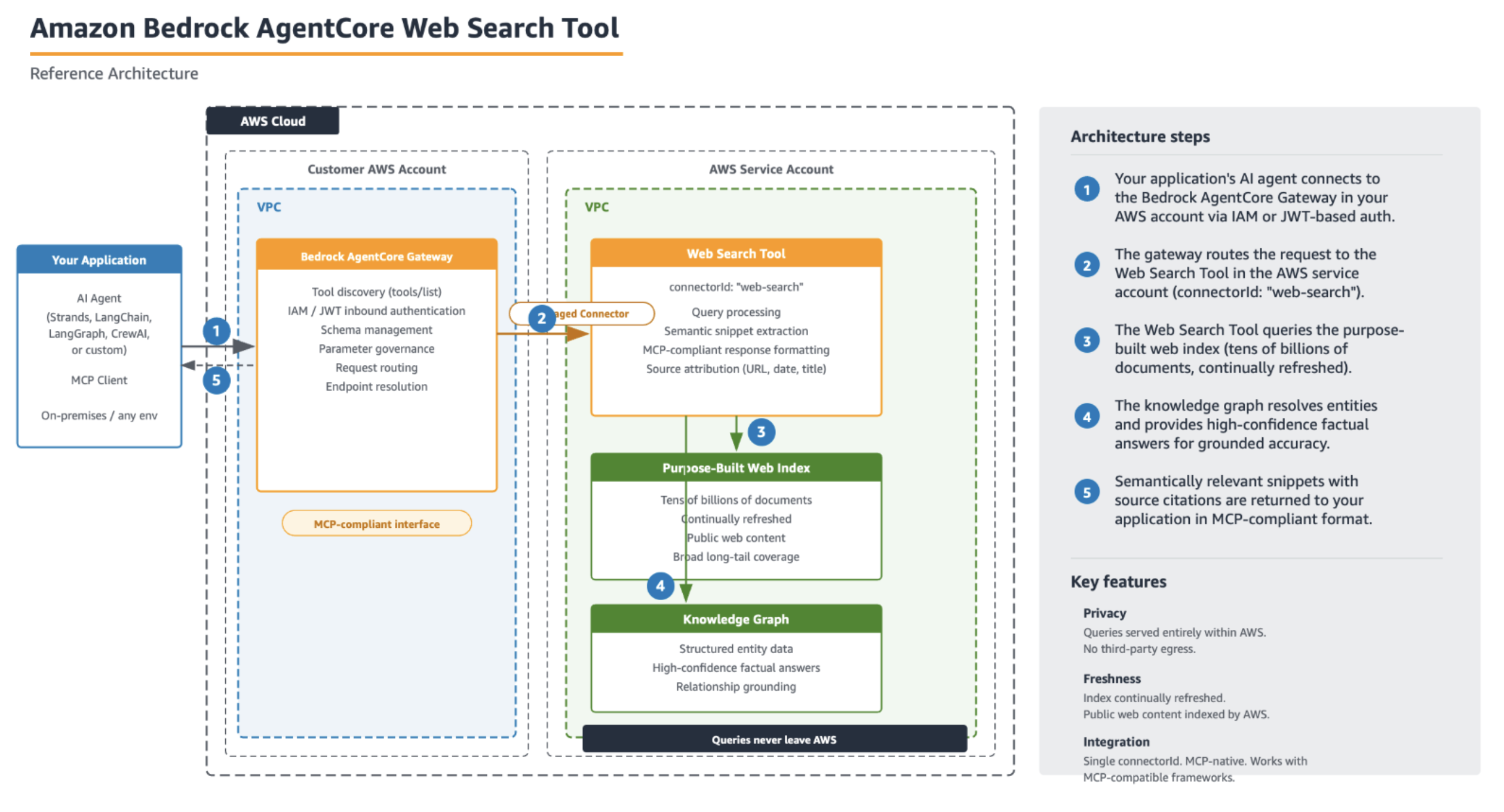
Amazon Bedrock AgentCore offers a fully managed web search capability, allowing AI agents to access real-time information from a purpose-built web index maintained by Amazon. This addresses the limitation of static knowledge, providing fresh, relevant data without the need for complex infrastructure or maintenance.
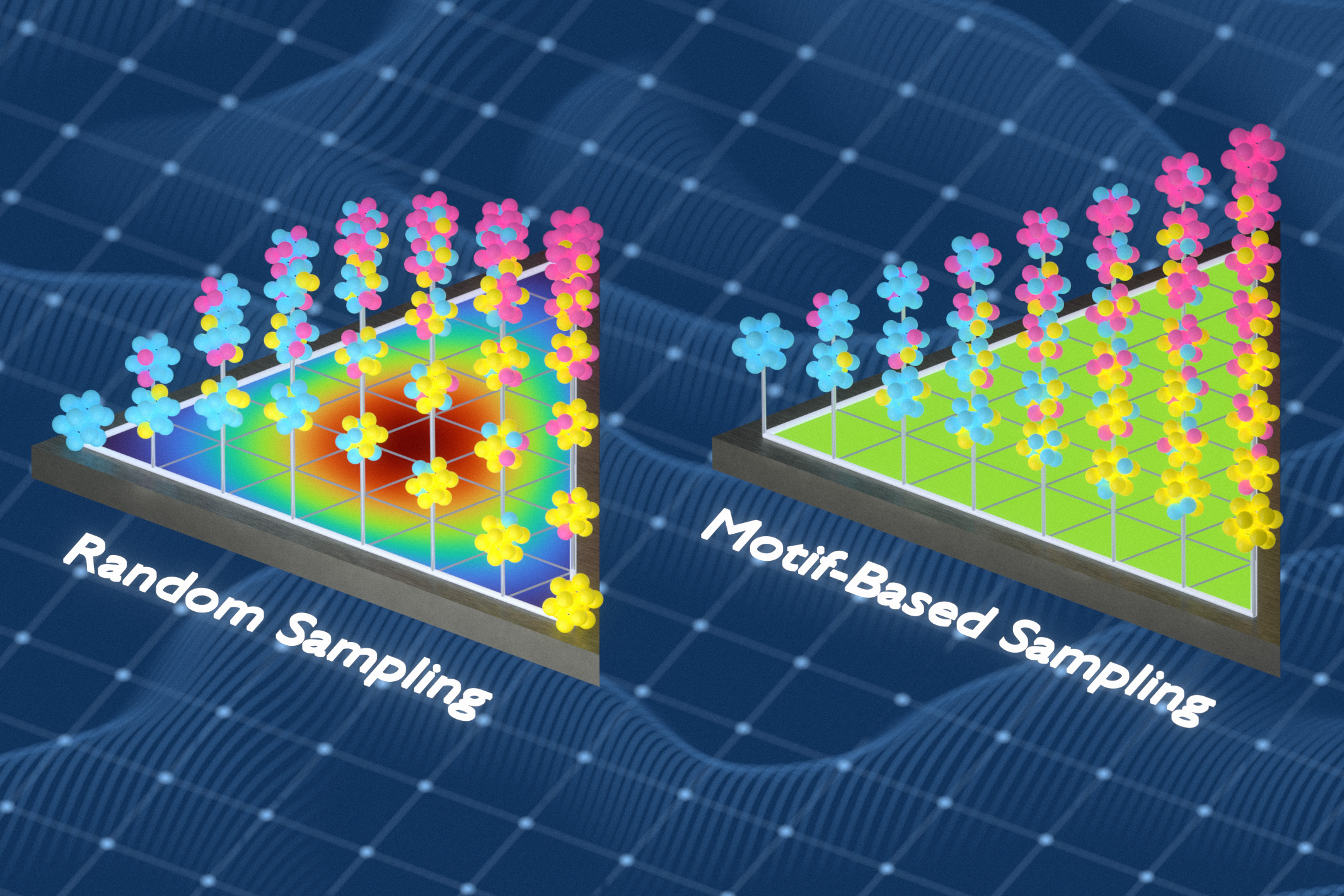
MIT researchers have developed a machine-learning model to accurately predict behavior of metals, enhancing materials innovation. The approach can be adapted for other materials, opening doors for new sustainable steels and aerospace materials.
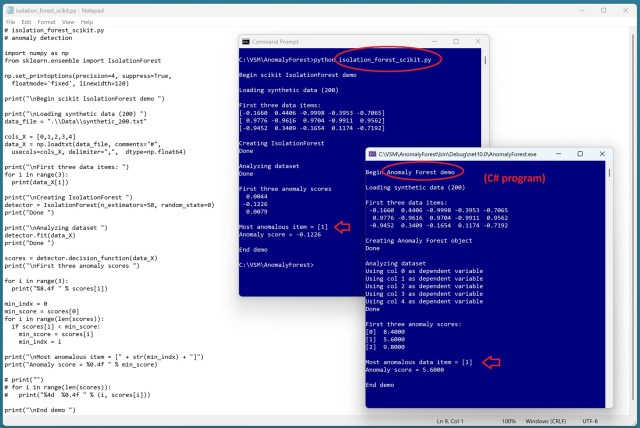
The scikit-learn IsolationForest module detects anomalies using decision trees. An Anomaly Forest in C# confirmed its accuracy on synthetic data.
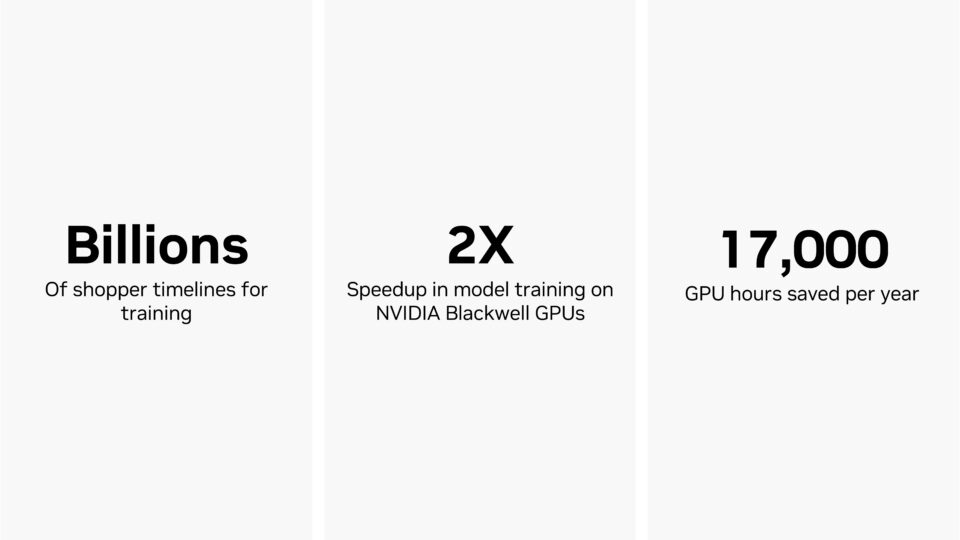
AI is transforming advertising operations at Cannes Lions, with Alembic, AWS, Criteo, and others showcasing how NVIDIA technologies enable autonomous operations and smarter bidding at enterprise scale. Alembic's Causal AI platform and AWS's AI-powered bidding are revolutionizing marketing initiatives and adtech industry with faster, accurate, and affordable solutions.
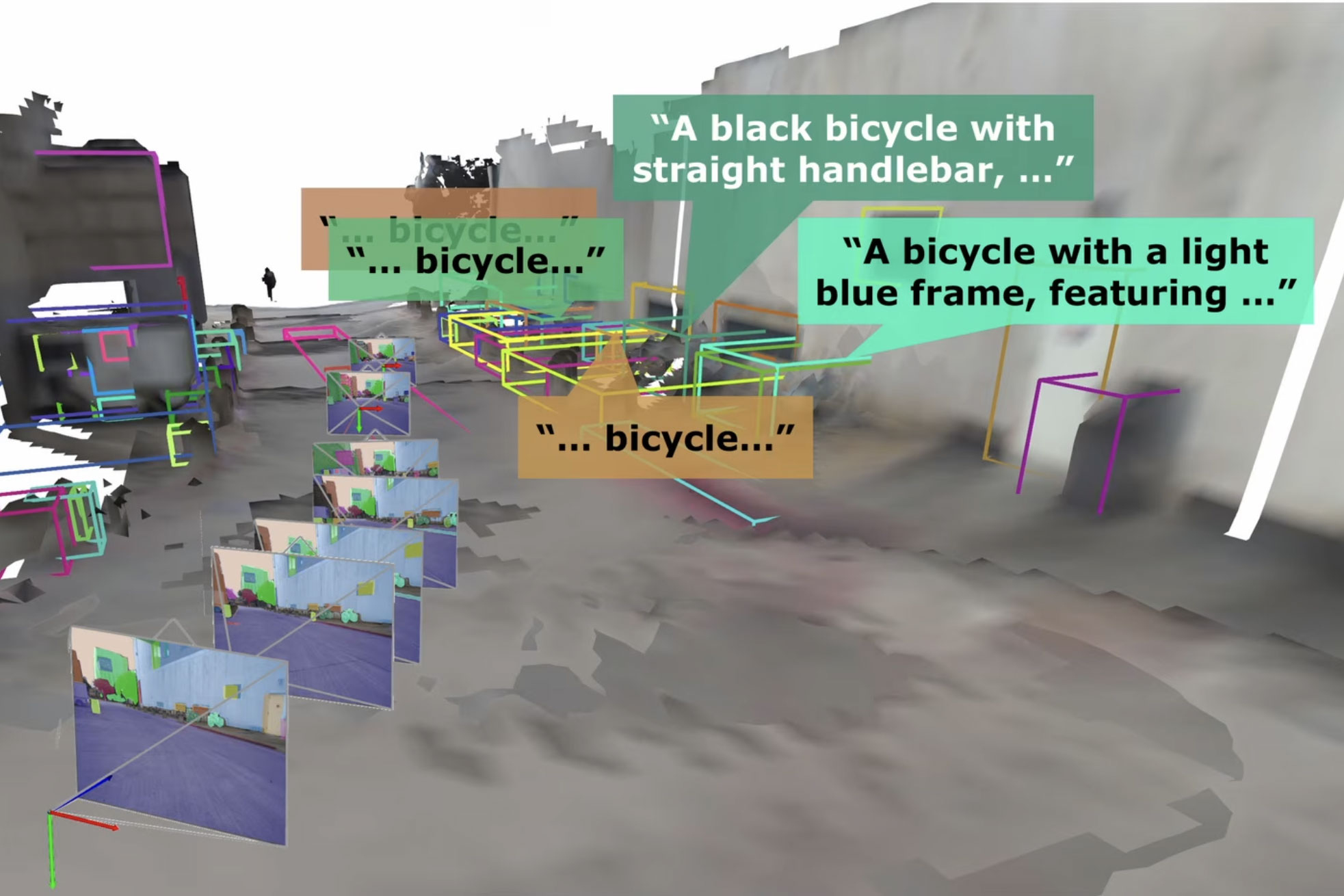
MIT researchers have created a memory framework allowing robots to recall detailed mental models of large-scale environments, aiding human-robot collaboration. This new method combines advanced map representations with rich environment descriptions, enabling robots to answer complex queries in real-time.
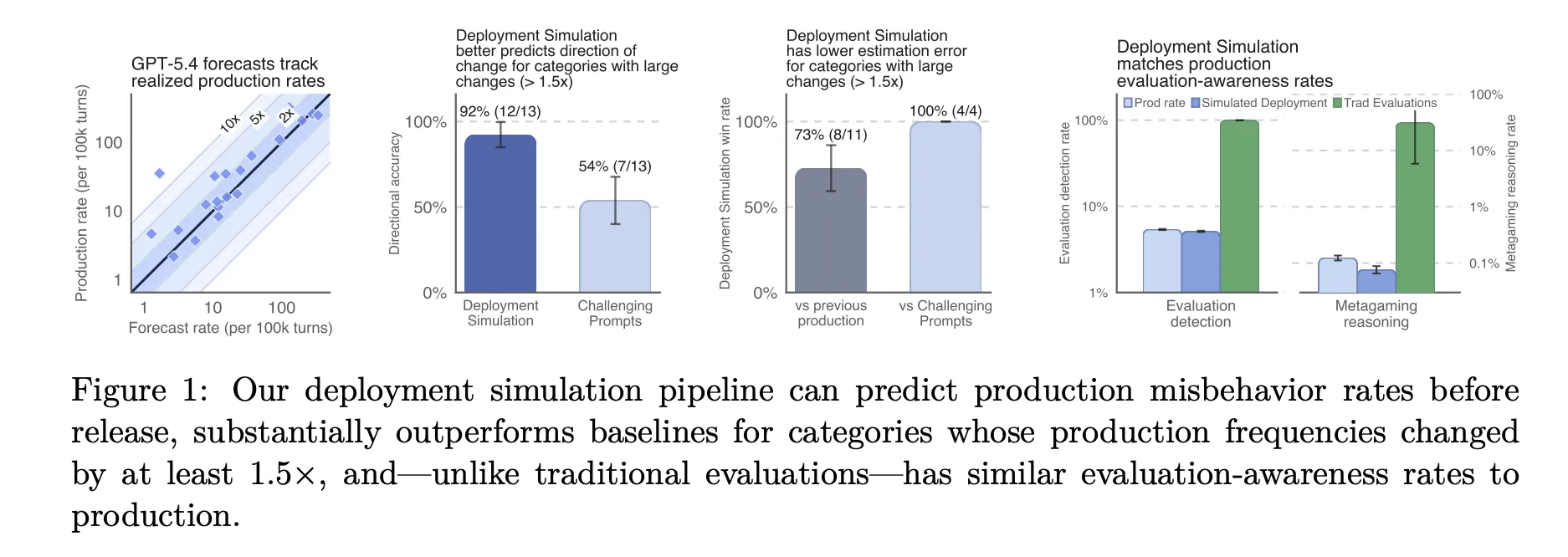
OpenAI introduces Deployment Simulation method to predict model behavior before release. Simulating past conversations reveals insights for safer AI deployment.
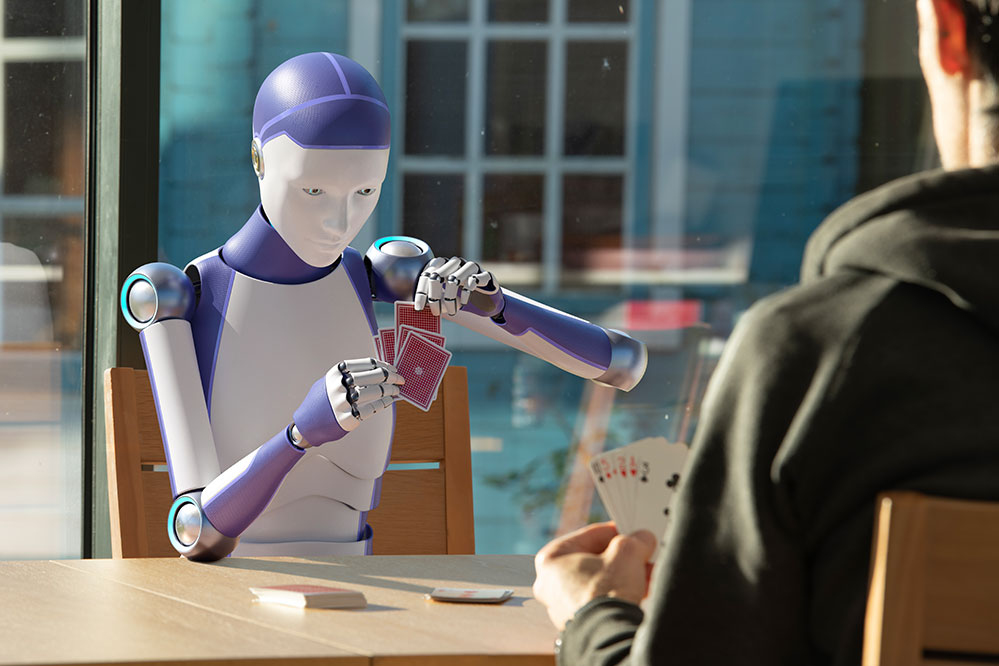
MIT researchers, including Sobhan Mohammadpour and Gabriele Farina, challenge game theory assumptions, showing policy gradient methods can outcompete specialized algorithms in imperfect-information games. Their work focuses on training neural networks for strategic decision-making in two-player competitions, raising questions about the overlooked effectiveness of general-purpose algorithms.
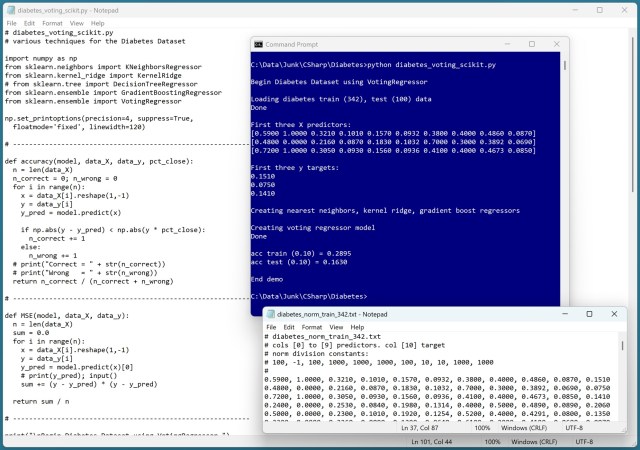
Using a VotingRegressor model with multiple regression models on the Diabetes Dataset, accuracy was low due to unmanageable parameters. The demo showed poor accuracy, highlighting challenges in predicting diabetes with machine learning.
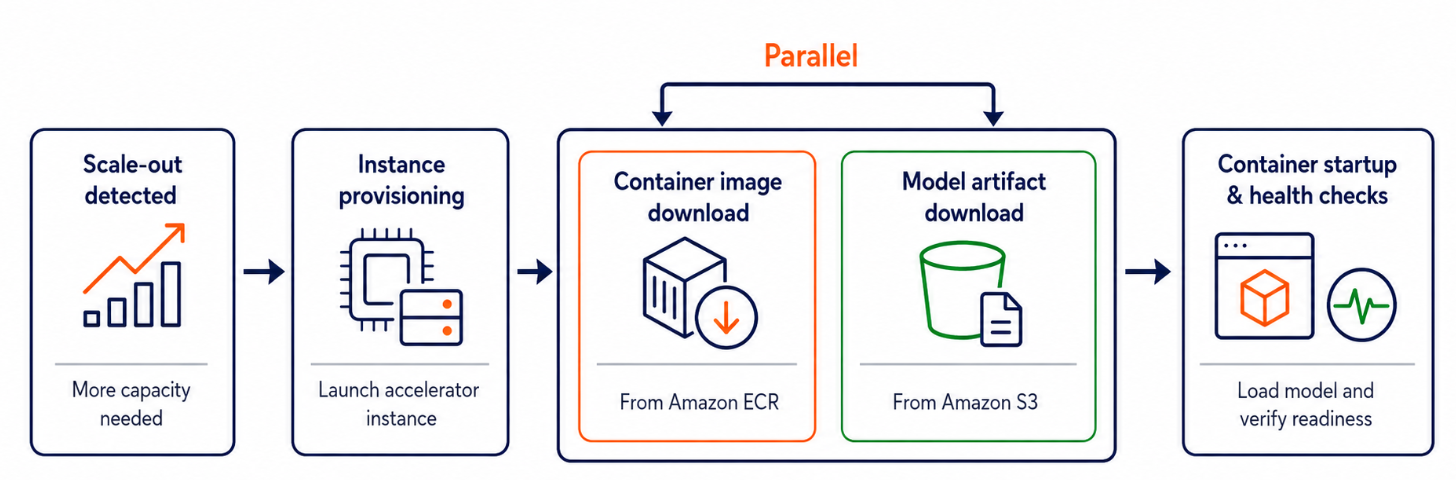
Amazon SageMaker AI introduces container image caching to speed up latency by up to 2x during scale-out events, addressing the container image download bottleneck for generative AI models. This advancement improves auto scaling responsiveness, removing the need to download container images when launching new instances, benefiting endpoint scale-out for various AI workloads.
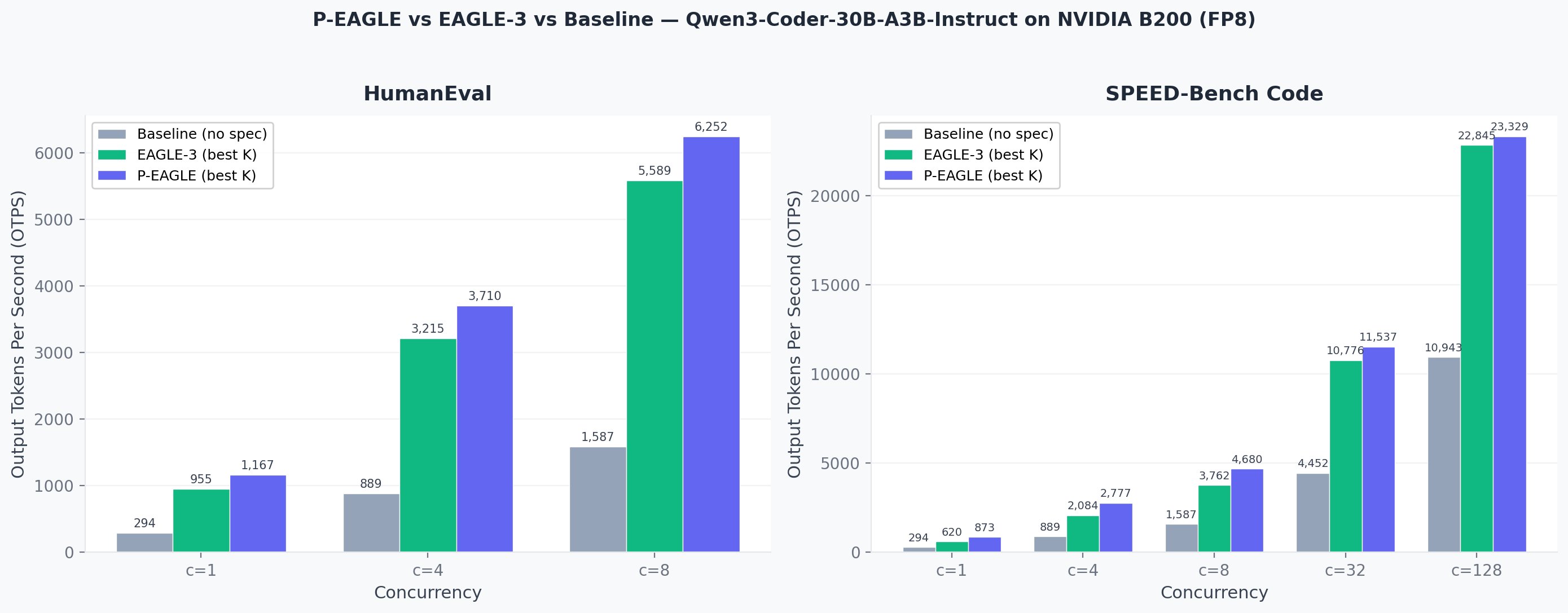
AWS introduces Parallel-EAGLE (P-EAGLE) to enhance language model inference speed by predicting all speculative draft tokens simultaneously in a single forward pass. P-EAGLE eliminates the sequential drafting phase, delivering up to a 1.69x throughput speedup over traditional frameworks like EAGLE-3, now supported by Amazon SageMaker JumpStart.
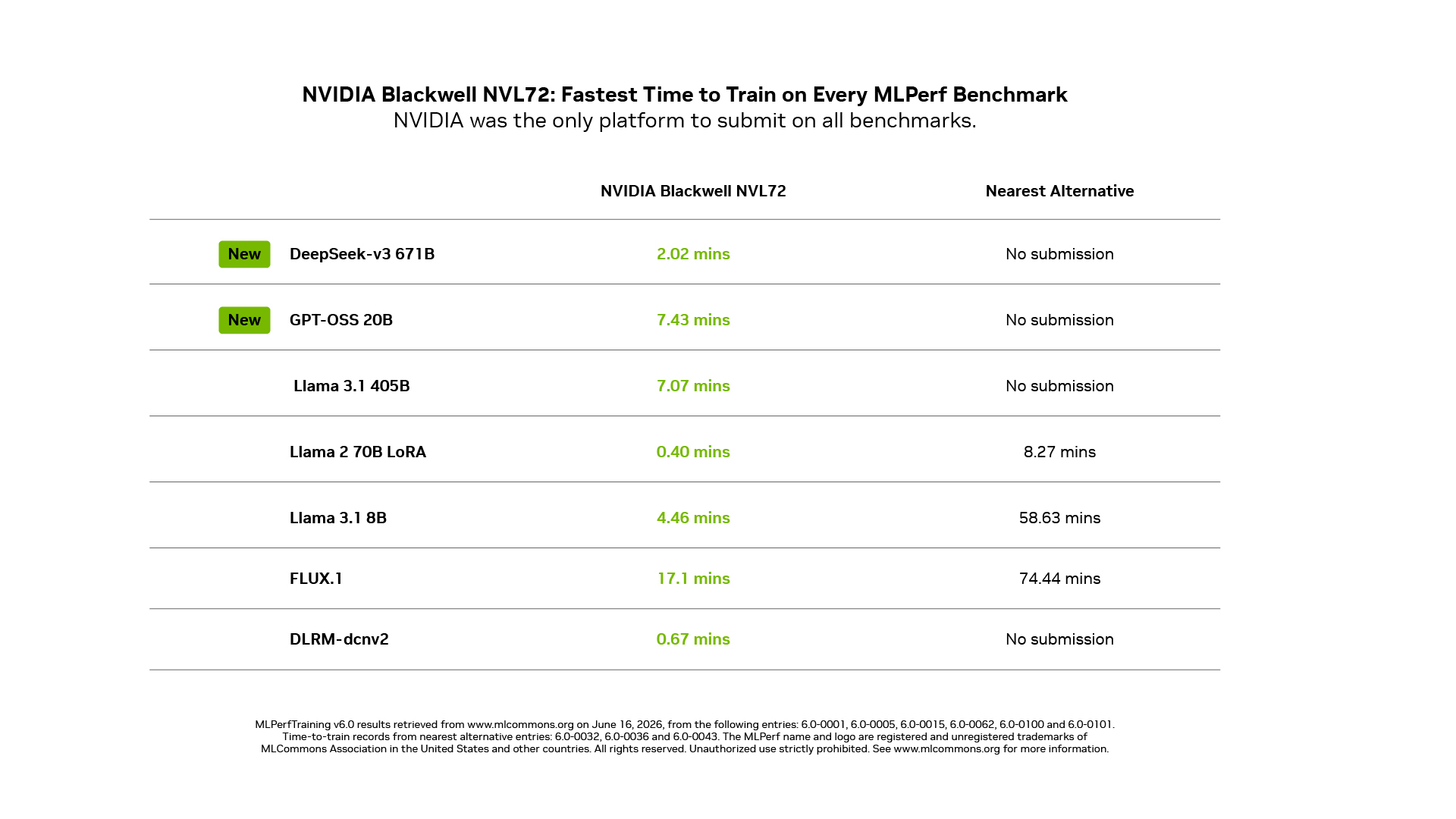
NVIDIA Blackwell platform dominates MLPerf Training 6.0 with fastest training times and largest-scale training across 8,192 GPUs. NVIDIA showcases performance and scale with cutting-edge NVFP4 training methods and Blackwell Ultra capabilities.
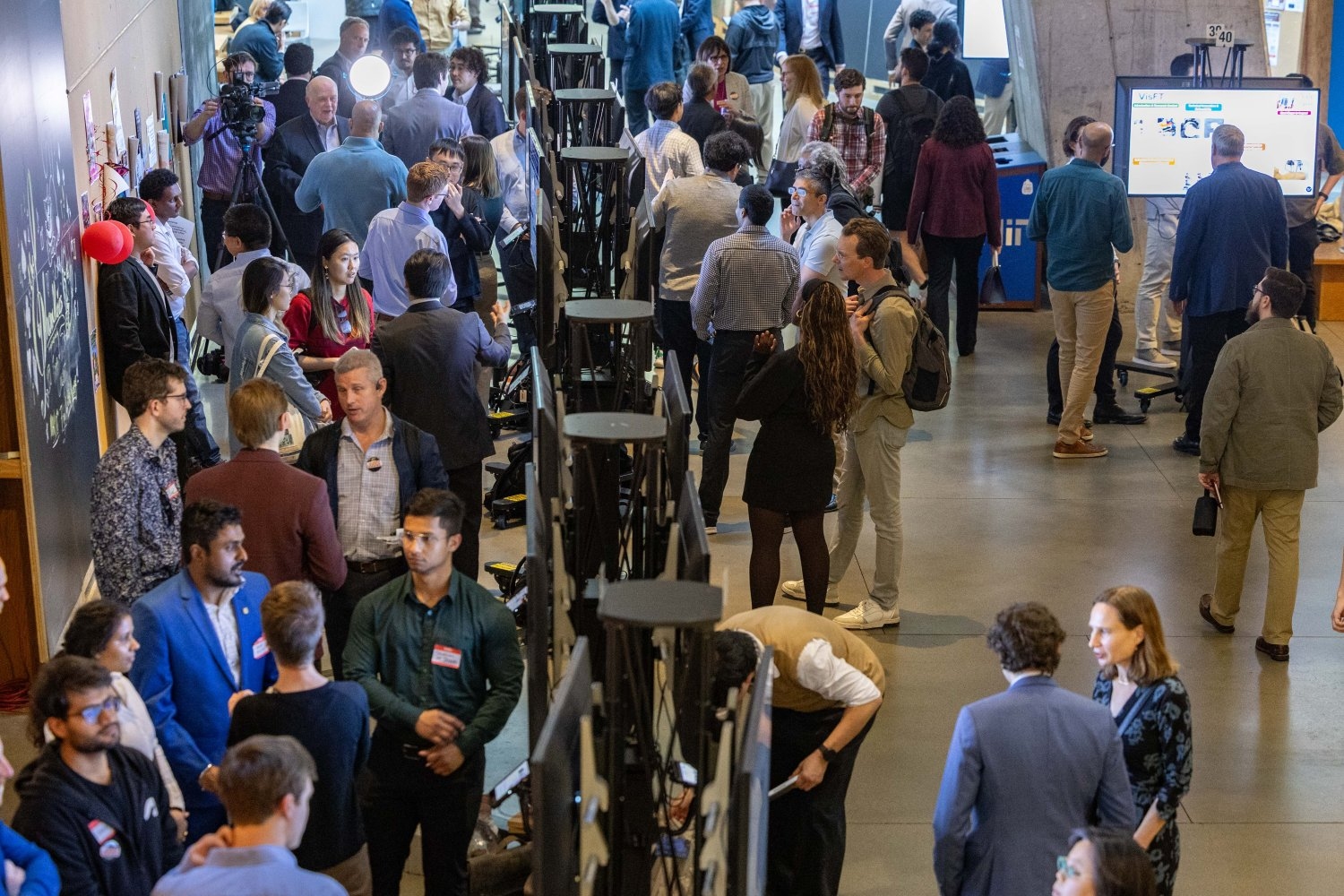
MIT's INM celebrates its first year with Manufacturing Week, showcasing AI, startups, and workforce solutions for industrial transformation. INM inspires new manufacturing startups with programs like NSF I-Corps New England, fostering innovation and entrepreneurship in the industry.
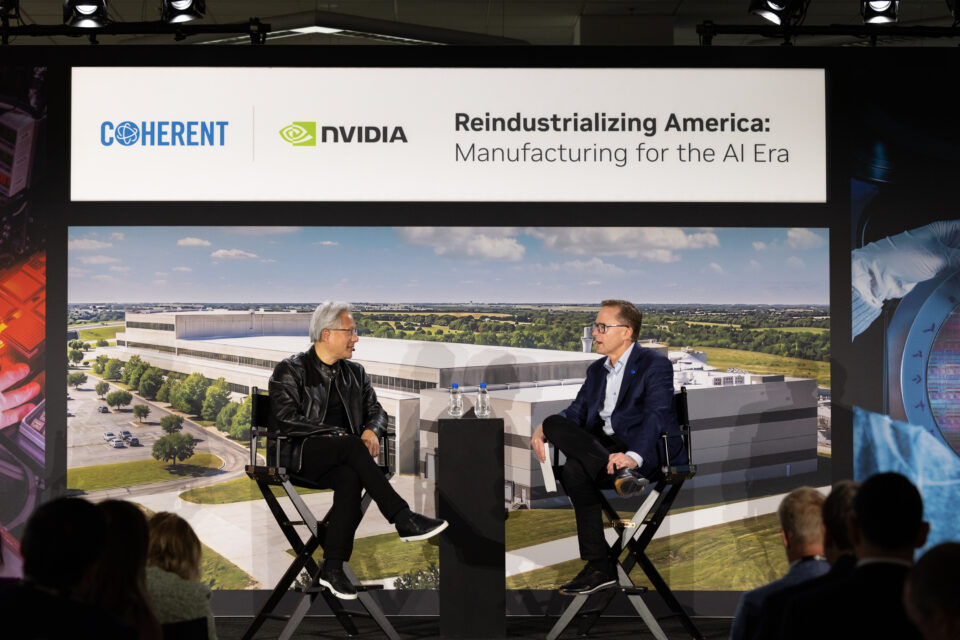
Coherent expands AI manufacturing in Texas with $50 million CHIPS Act grant, boosting US semiconductor production. NVIDIA and Coherent CEOs lead groundbreaking for world's first 6-inch indium phosphide fab, crucial for AI infrastructure.
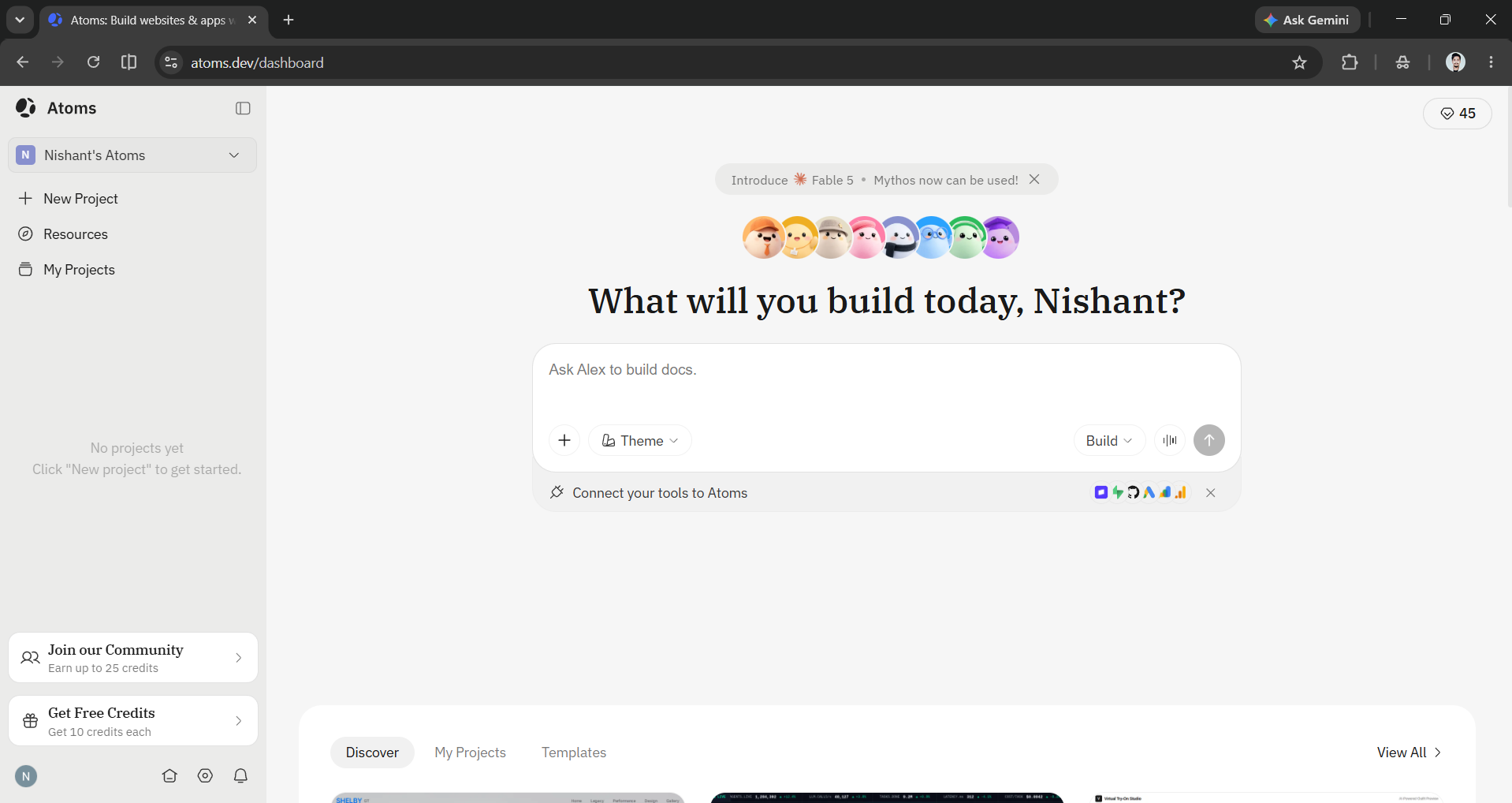
Vibe coding with Atoms: AI team builds apps without coding. Atoms offers full AI agent team, cloud backend, and Race Mode for app development.

Amazon Bedrock Guardrails introduces the InvokeGuardrailChecks API for agentic AI applications. This API allows for customizable safeguards at each stage of the AI loop, providing numeric scores for each safeguard to enhance safety controls and protect sensitive information.