
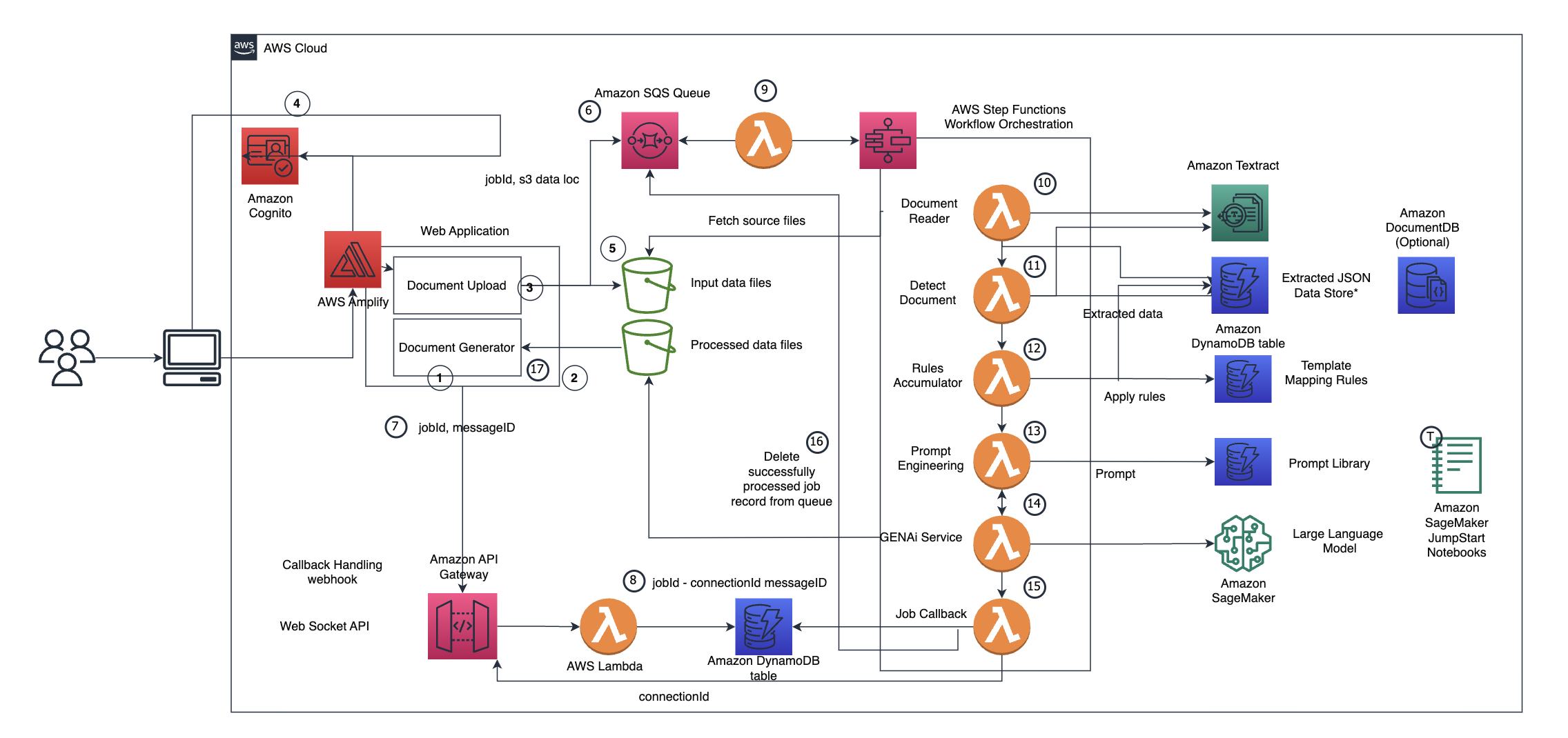
Accenture has developed an AI-based solution using AWS services to automate the labor-intensive process of creating Common Technical Documents (CTDs) for pharmaceutical companies. This solution reduces authoring time by 40-45% and accelerates new product approvals, benefiting patients.

Meta, the parent company of Facebook, plans to label AI-generated images from other companies like OpenAI and Google to enhance transparency on platforms like Facebook and Instagram. The move comes during a contentious US election year and is part of a larger effort to establish standards for labeling content created using generative AI models.
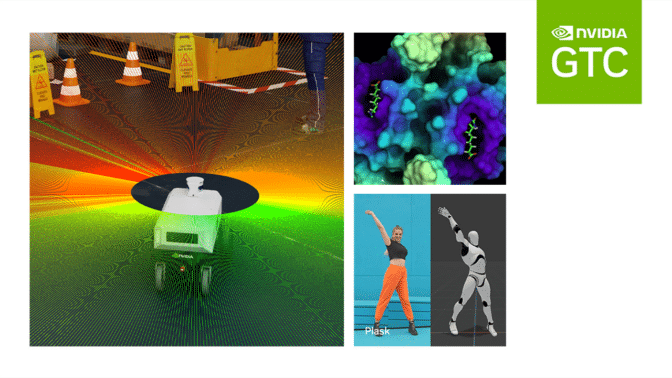
This article highlights Mr_Vudoo, a digital renaissance man and featured artist in the NVIDIA Studio, who recently acquired a GeForce RTX 4080 SUPER graphics card to enhance his content creation. Additionally, Topaz Labs has adopted NVIDIA TensorRT acceleration for its AI-powered Remove Tool, delivering faster processing compared to other devices.

The pharmaceutical industry generated $550 billion in US revenue in 2021, with a projected cost of $384 billion for pharmacovigilance activities by 2022. To address the challenges of monitoring adverse events, a machine learning-driven solution using Amazon SageMaker and Hugging Face's BioBERT model is developed, providing automated detection from various data sources.

The MIT-Pillar AI Collective announces six fellows for spring 2024, supporting graduate students conducting research in AI, machine learning, and data science to commercialize their innovations. Fellows include Yasmeen AlFaraj, working on sustainable plastics, and Ruben Castro Ornelas, designing multipurpose robots with AI control.

The article discusses the practical lessons learned from upgrading the Bed-Reader bioinformatics library to read DNA data directly from the cloud. The author provides nine rules for adding cloud-file support to programs, including using the object_store crate and creating a new crate called cloud-file.
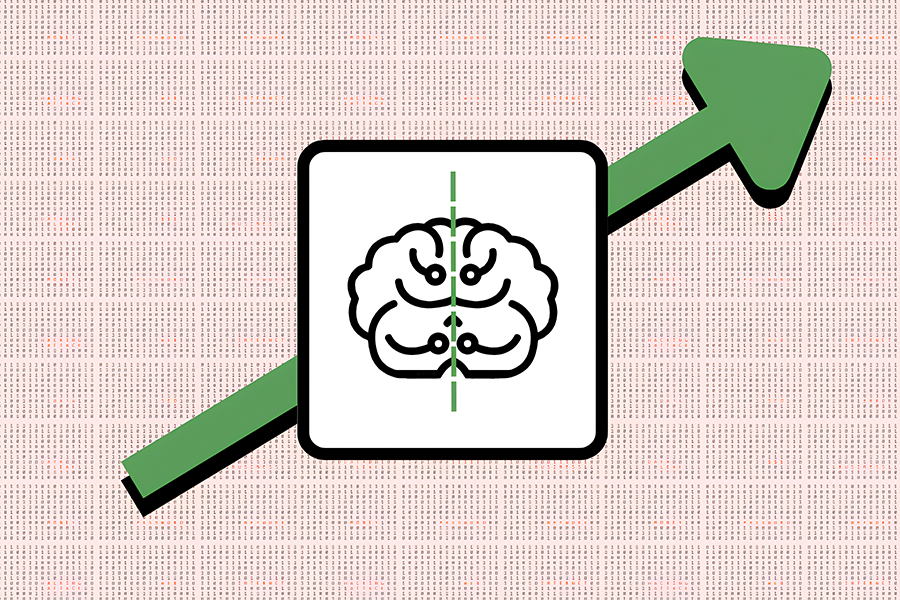
MIT PhD student Behrooz Tahmasebi and advisor Stefanie Jegelka have modified Weyl's law to incorporate symmetry in assessing the complexity of data, potentially enhancing machine learning. Their work, presented at the Neural Information Processing Systems conference, demonstrates that models satisfying symmetries can produce predictions with smaller errors and require less training data, partic...

Doctors have lower accuracy in diagnosing skin diseases on darker skin, with dermatologists accurately characterizing only 34% of images compared to 38% for lighter skin. Artificial intelligence algorithms can improve accuracy, but the disparity suggests a need for changes in dermatology education and training.

Microsoft is partnering with Semafor to develop news stories using AI chatbot, amid a multibillion-dollar lawsuit from the New York Times. Microsoft is sponsoring a breaking news feed called "Signals," offering a global perspective and providing substantial financial support to Semafor.
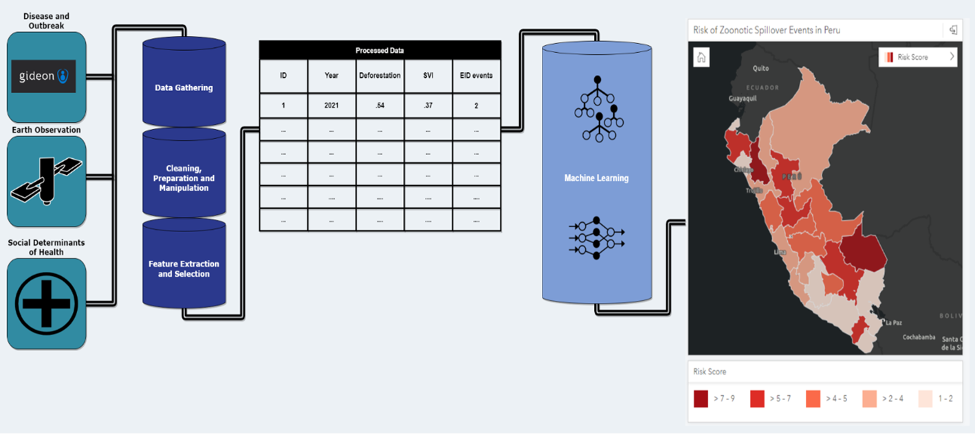
HSR.health uses Amazon SageMaker geospatial capabilities to create a tool that provides accurate disease spread information, aiming to prevent zoonotic disease outbreaks before they become global. The risk index uses over 20 factors to assess human-wildlife interaction and utilizes satellite imagery and remote sensing for data analysis.
Unveiling the Power of Imperceptible Watermarks: Safeguarding Art and Detecting AI-Generated Content
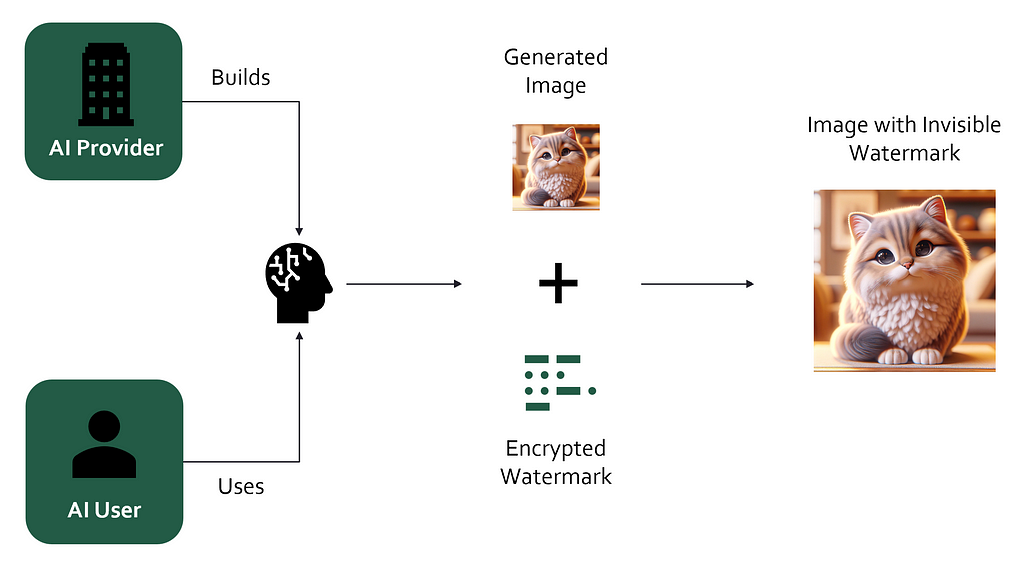
Imperceptible watermarks offer a way to protect digital content without compromising quality, allowing creators to assert ownership and detect AI-generated content. Tech companies like Meta and Google are developing breakthrough watermarking systems to mitigate the overflow of dangerous AI-generated content on the internet.

A new study by the ITIF calls for governments to adopt AI to drive energy efficiency across industries, citing examples such as farmers using AI to reduce fertilizer and water usage, and factories deploying it to increase energy efficiency. The study's author emphasizes the need for policymakers to not hold back beneficial uses of AI, especially in regulated areas like healthcare.

Hackers have begun exploiting a critical vulnerability in widely used VPN software sold by Ivanti, adding to the chaos caused by previous vulnerabilities. The Cybersecurity and Infrastructure Security Agency has mandated all federal agencies to disconnect Ivanti VPN products until rebuilt with the latest software version.

A multinational company's Hong Kong office lost HK$200 million ($25.6 million) in a sophisticated scam using deepfake technology, featuring a digitally recreated version of the CFO instructing an employee to transfer funds. This incident highlights the challenges posed by deepfakes, which utilize AI tools to create convincing fake videos, making it difficult to discern real from fabricated cont...
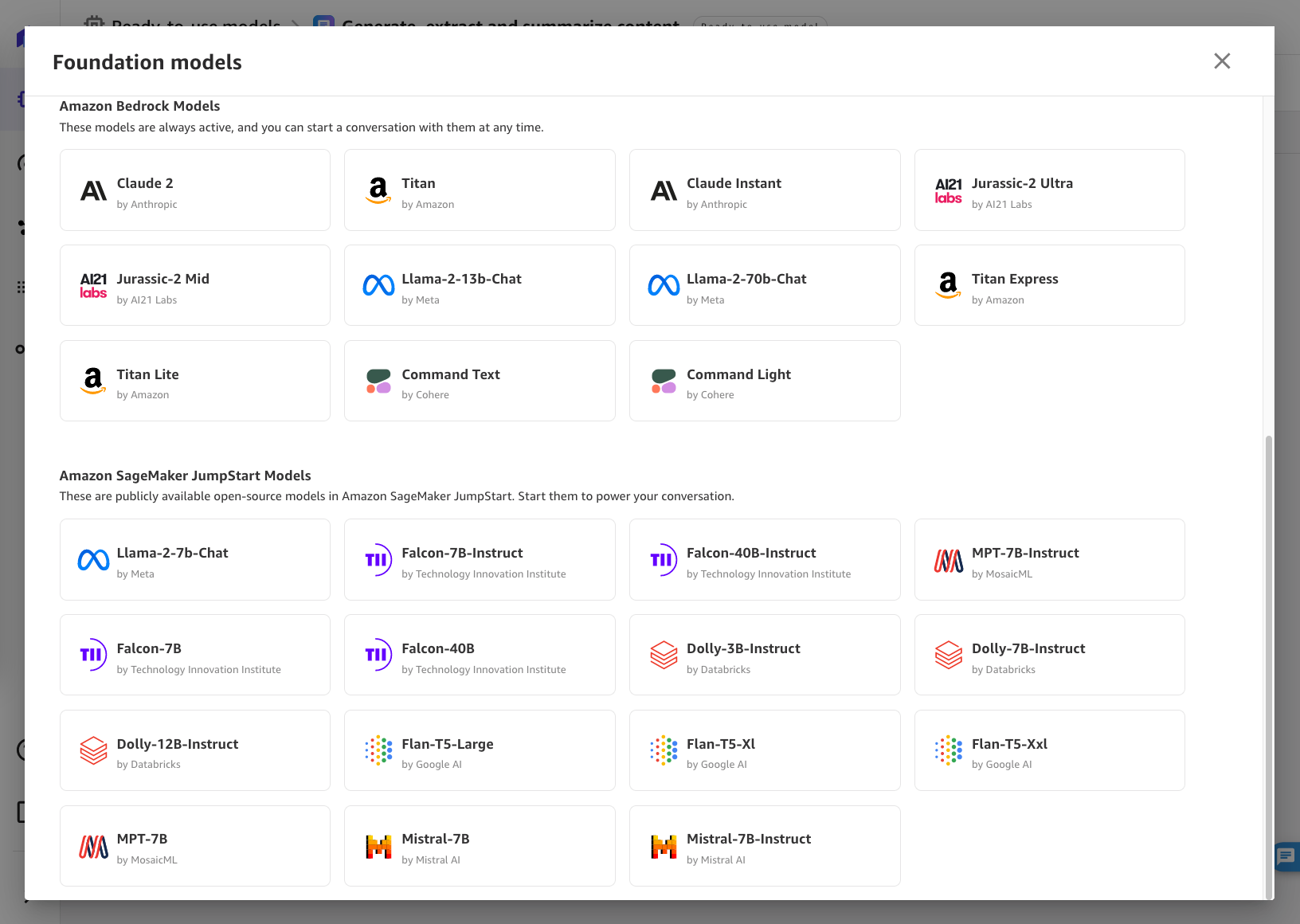
Amazon SageMaker Canvas, launched in 2021, offers a code-free approach to building and deploying machine learning models. The latest updates introduce new generative AI capabilities, including support for Meta Llama 2 and Mistral.AI models, making it easier for users to harness the power of AI without writing code.