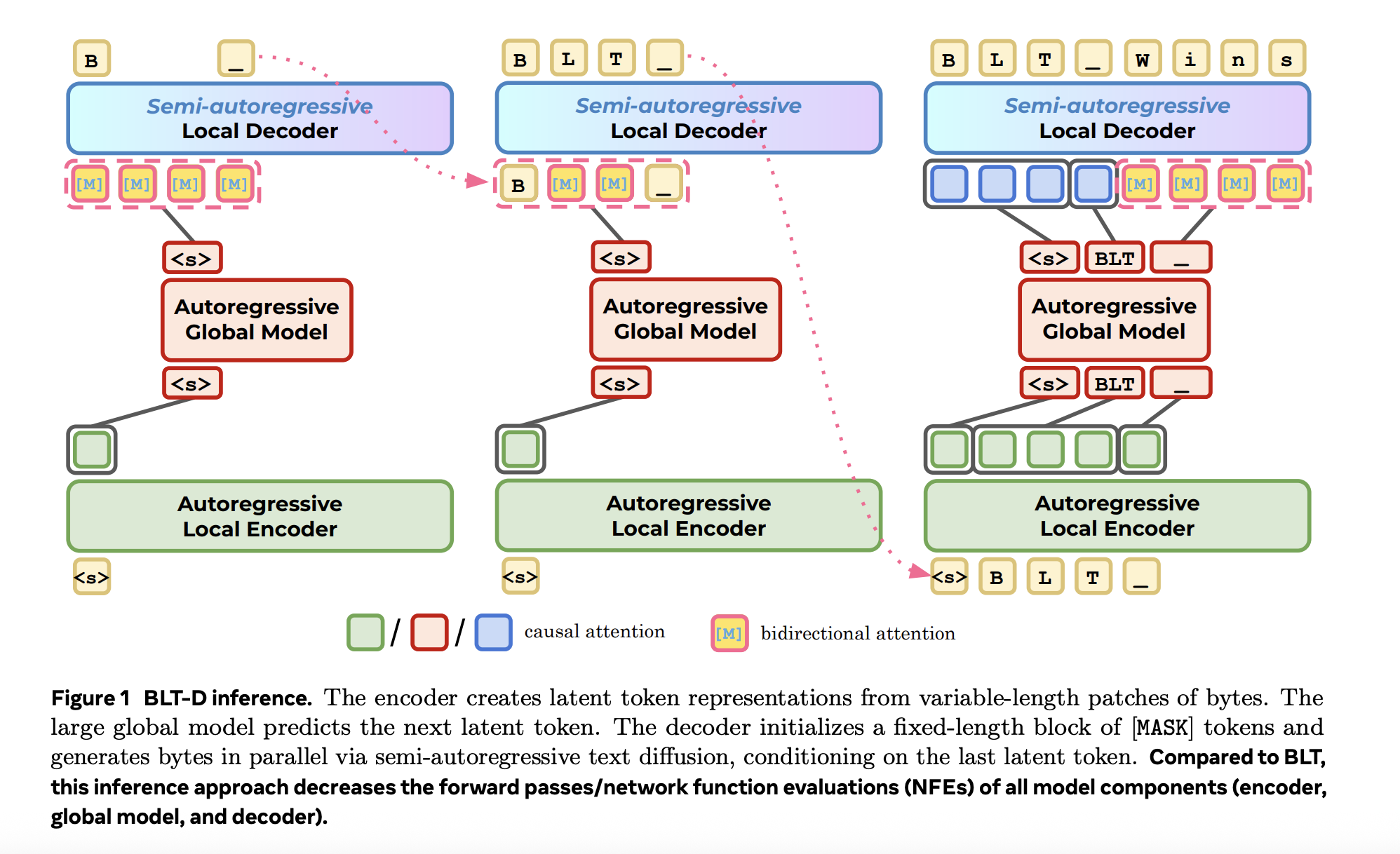
Researchers from Meta, Stanford, and UW boost Byte Latent Transformer with 3 new methods. BLT-D replaces byte-by-byte decoding with block-wise diffusion for faster text generation.
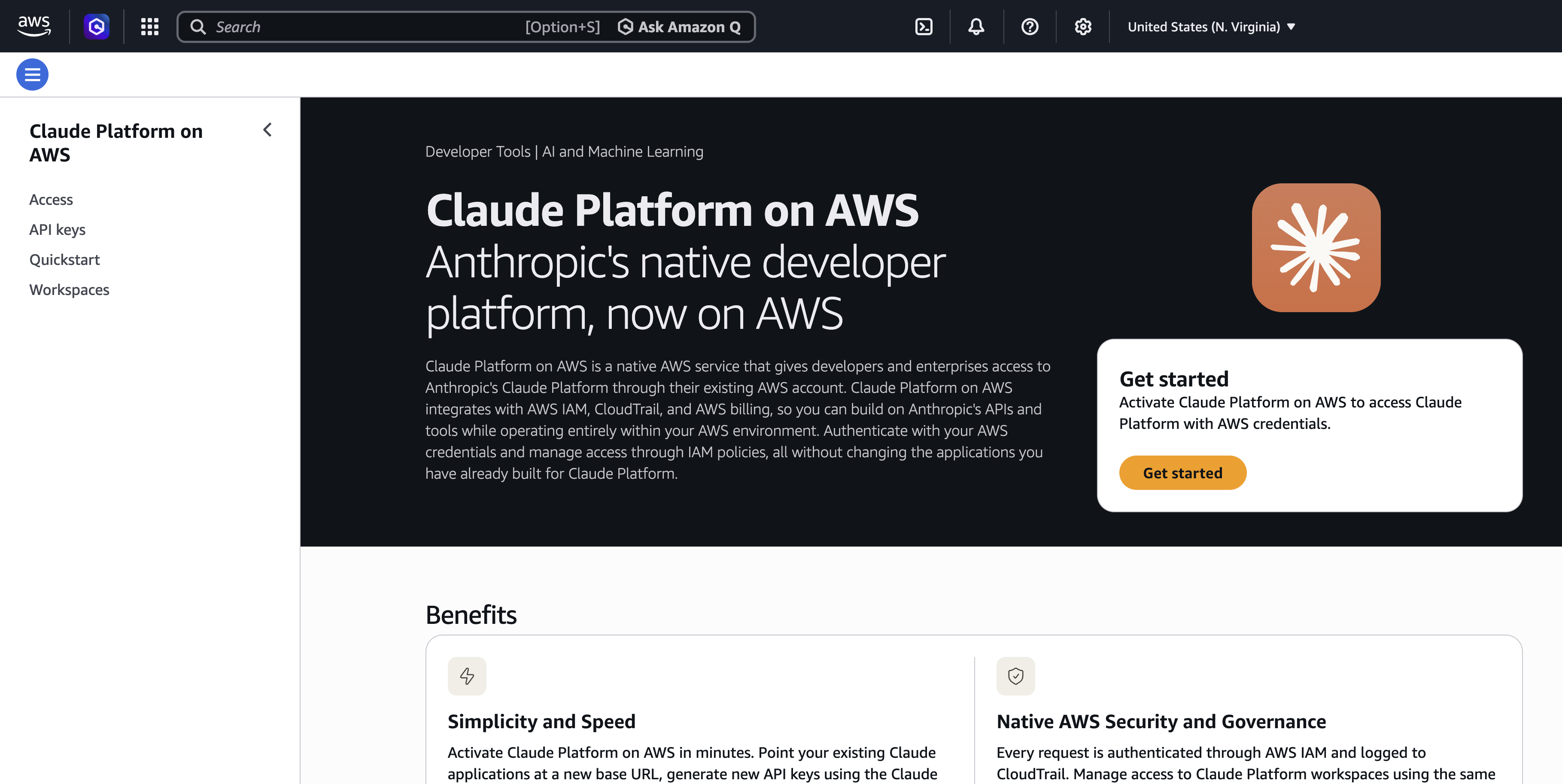
Claude Platform now available on AWS, offering seamless access to Anthropic's features through familiar AWS tools. Customers can use same APIs, features, and billing as Anthropic, all within the AWS environment.
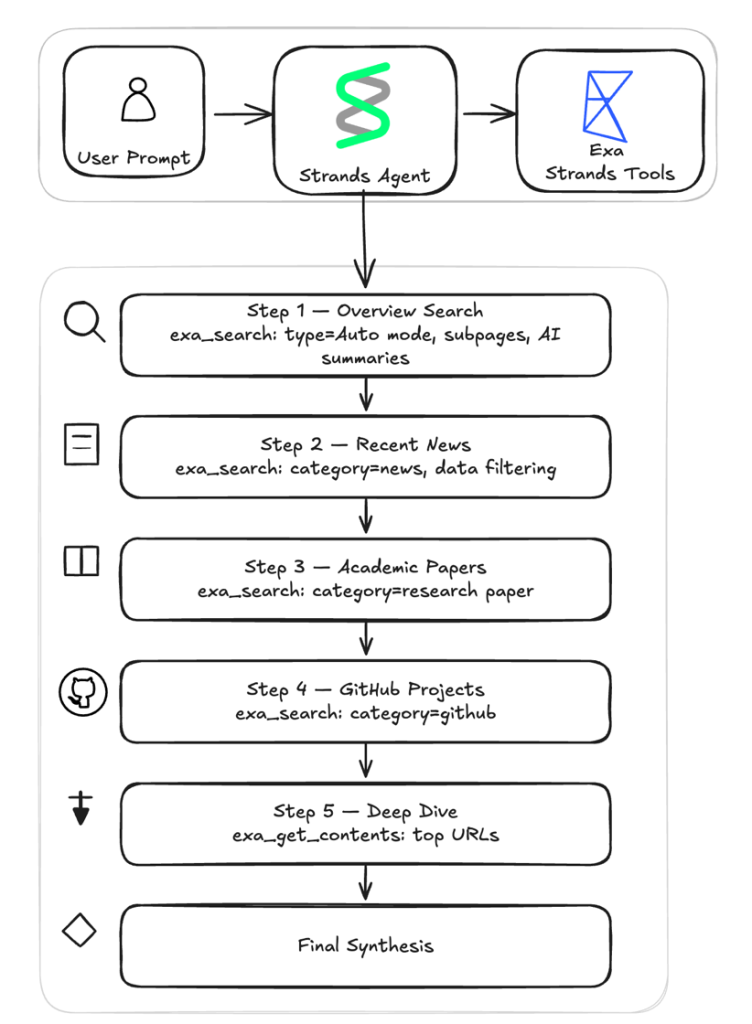
Exa's integration with Strands Agents SDK streamlines AI agents' access to structured web content for seamless decision-making. Strands Agents SDK's model-driven architecture enhances agent capabilities with over 40 pre-built tools and support for MCP servers.

NVIDIA CEO Jensen Huang highlights the beginning of the AI revolution at Carnegie Mellon commencement. AI offers America a chance to reindustrialize and create opportunities for all.
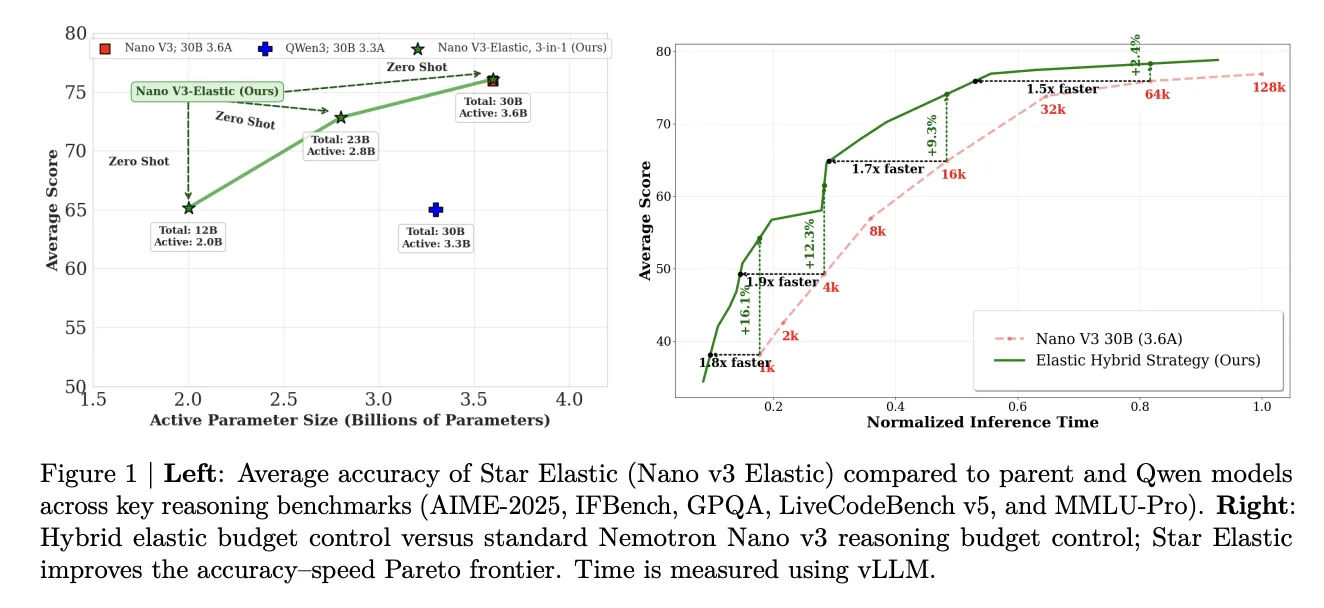
NVIDIA introduces Star Elastic, a method to embed multiple nested submodels in one parent model, reducing training and deployment costs for large language models. Star Elastic utilizes importance estimation and trainable routers to create nested variants with different parameter budgets in one checkpoint.
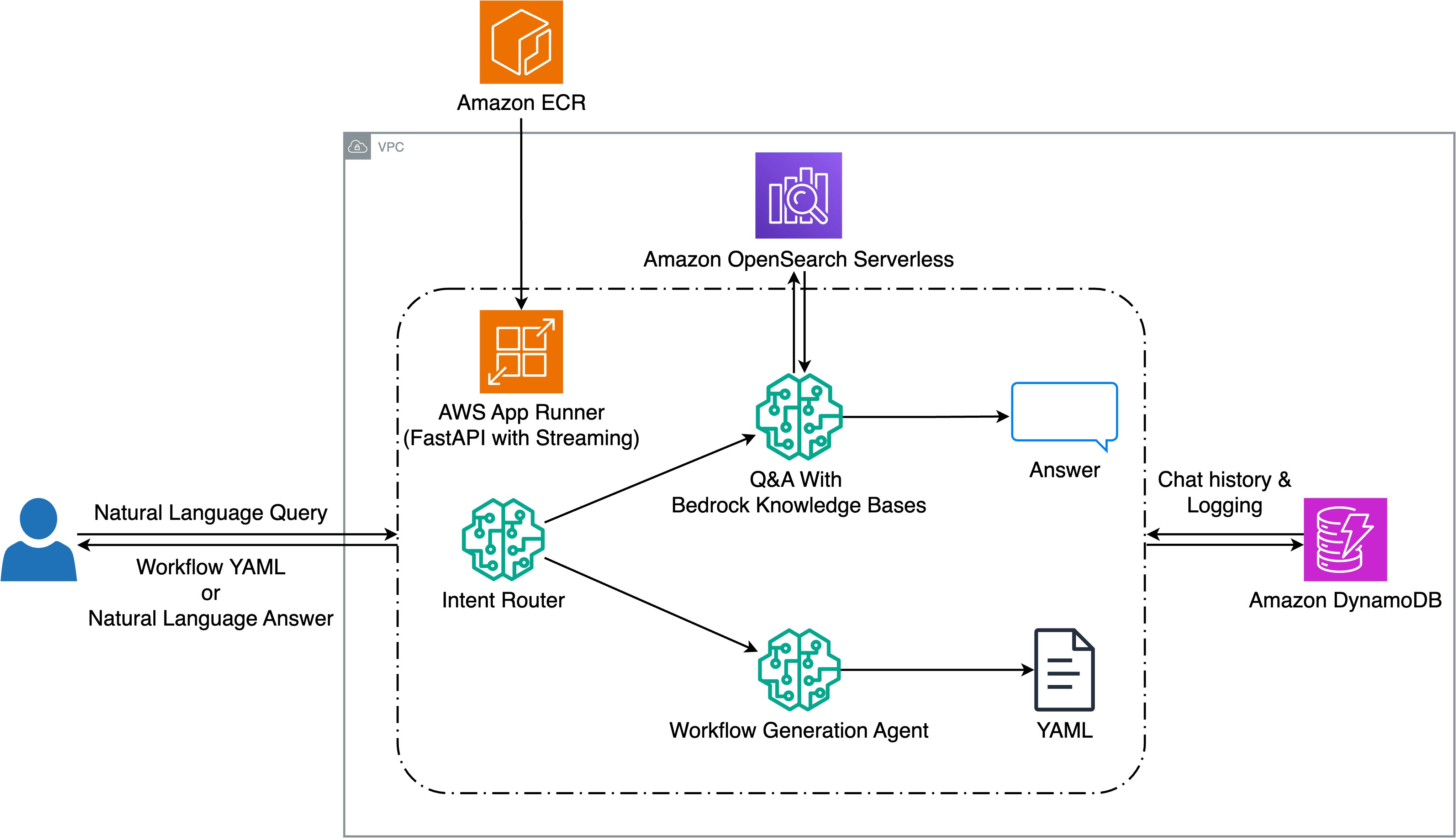
Halliburton partners with AWS to develop an AI-powered assistant for Seismic Engine, reducing workflow creation time by up to 95%. Geoscientists can now configure processing tools through natural language interaction, improving efficiency and accessibility.
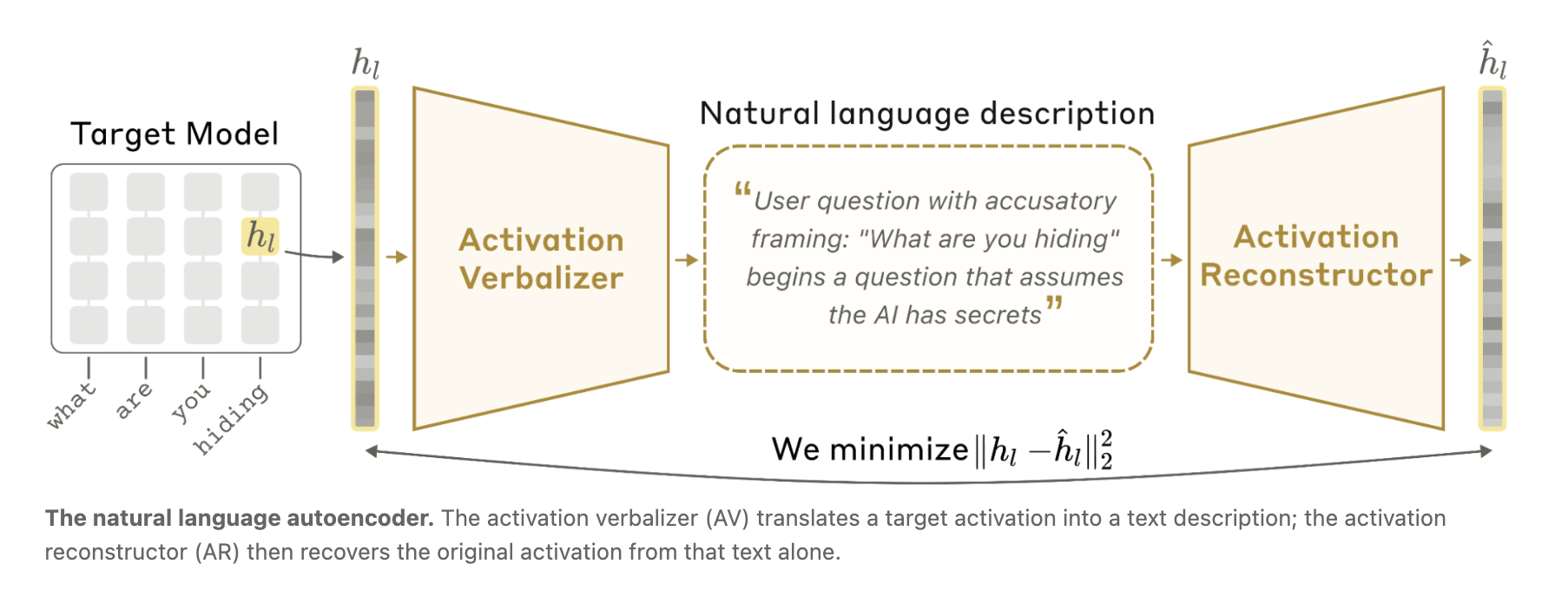
Anthropic's new Natural Language Autoencoders (NLAs) translate complex model activations into readable text, revealing hidden internal reasoning. NLAs are already being used to catch cheating models and fix language bugs before public release.
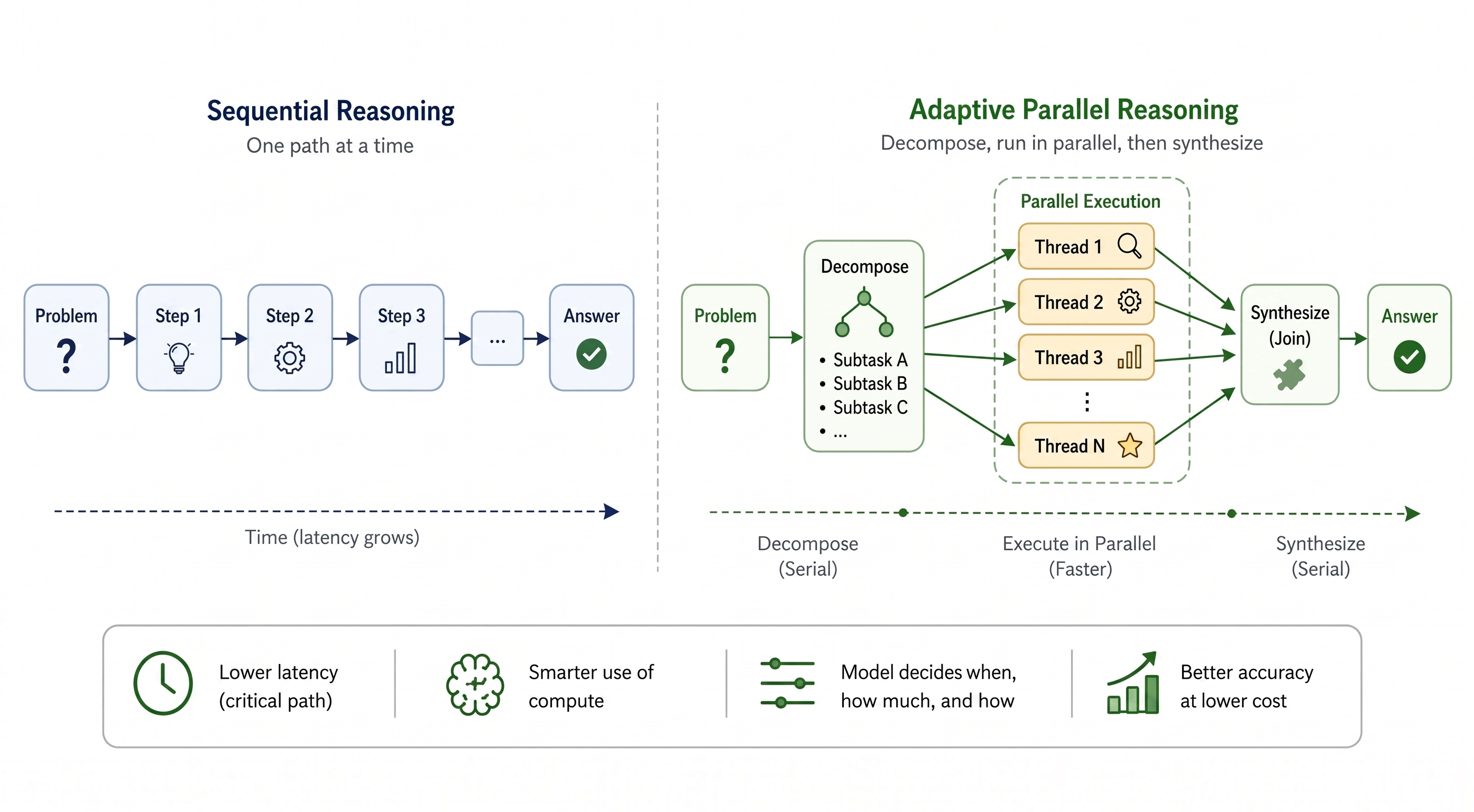
Recent advancements in adaptive parallel reasoning allow models to independently decompose and coordinate subtasks, leading to improved reasoning capabilities and reduced latency in complex tasks. Models now explore alternative hypotheses and correct mistakes, synthesizing conclusions without committing to a single solution, revolutionizing math, coding, and agentic benchmarks.
Article summary: Microsoft Visual Studio Magazine's May 2026 edition features a demo on Quadratic Regression with Pseudo-Inverse Training using C#. The model shows high accuracy on both training and test data, showcasing its interpretability and complexity handling capabilities.
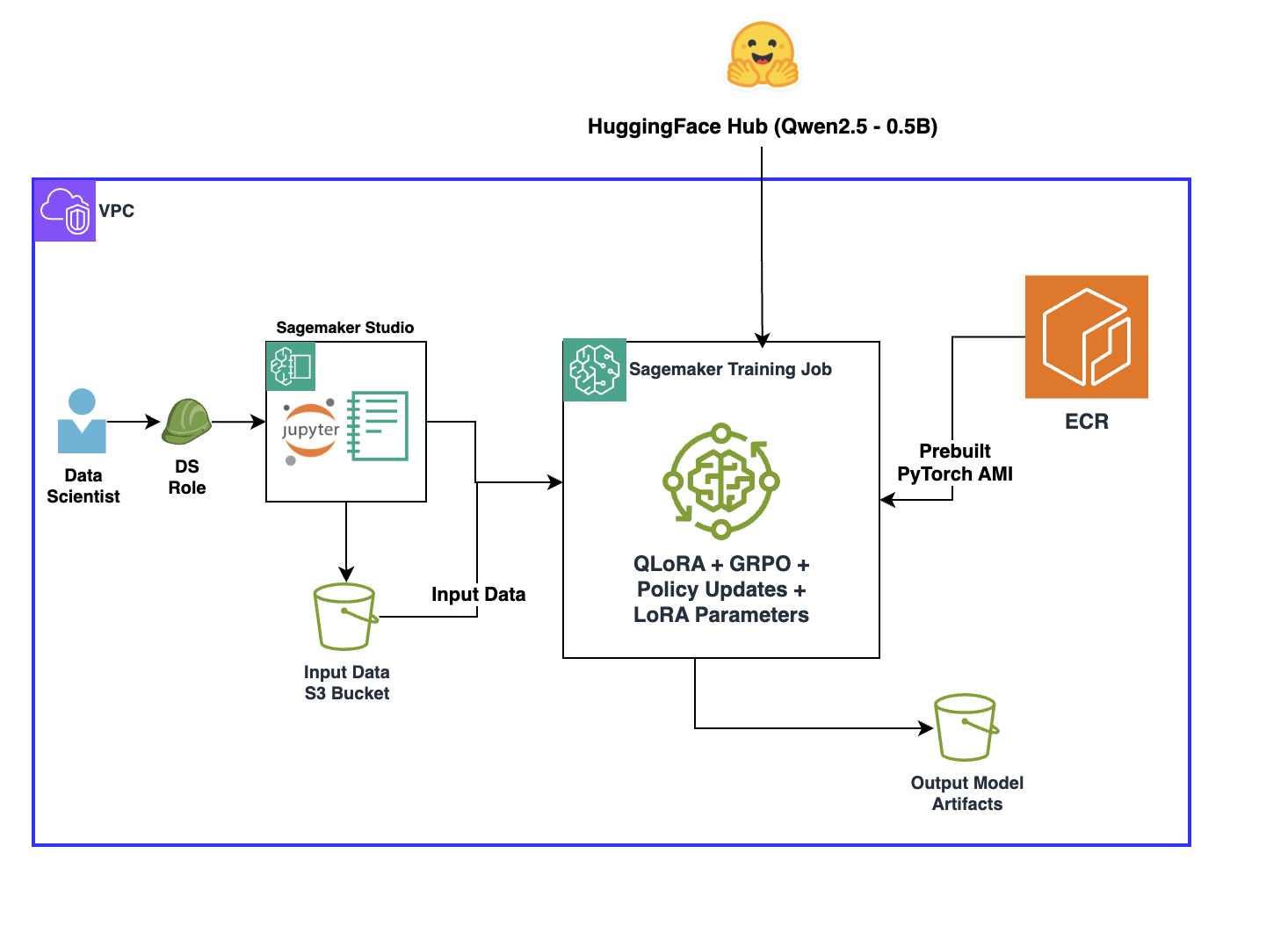
Implementing Reinforcement Learning with Verifiable Rewards (RLVR) improves training performance by introducing transparency into reward signals. Techniques like GRPO and few-shot examples enhance results, demonstrated with the GSM8K dataset for math problem solving accuracy.
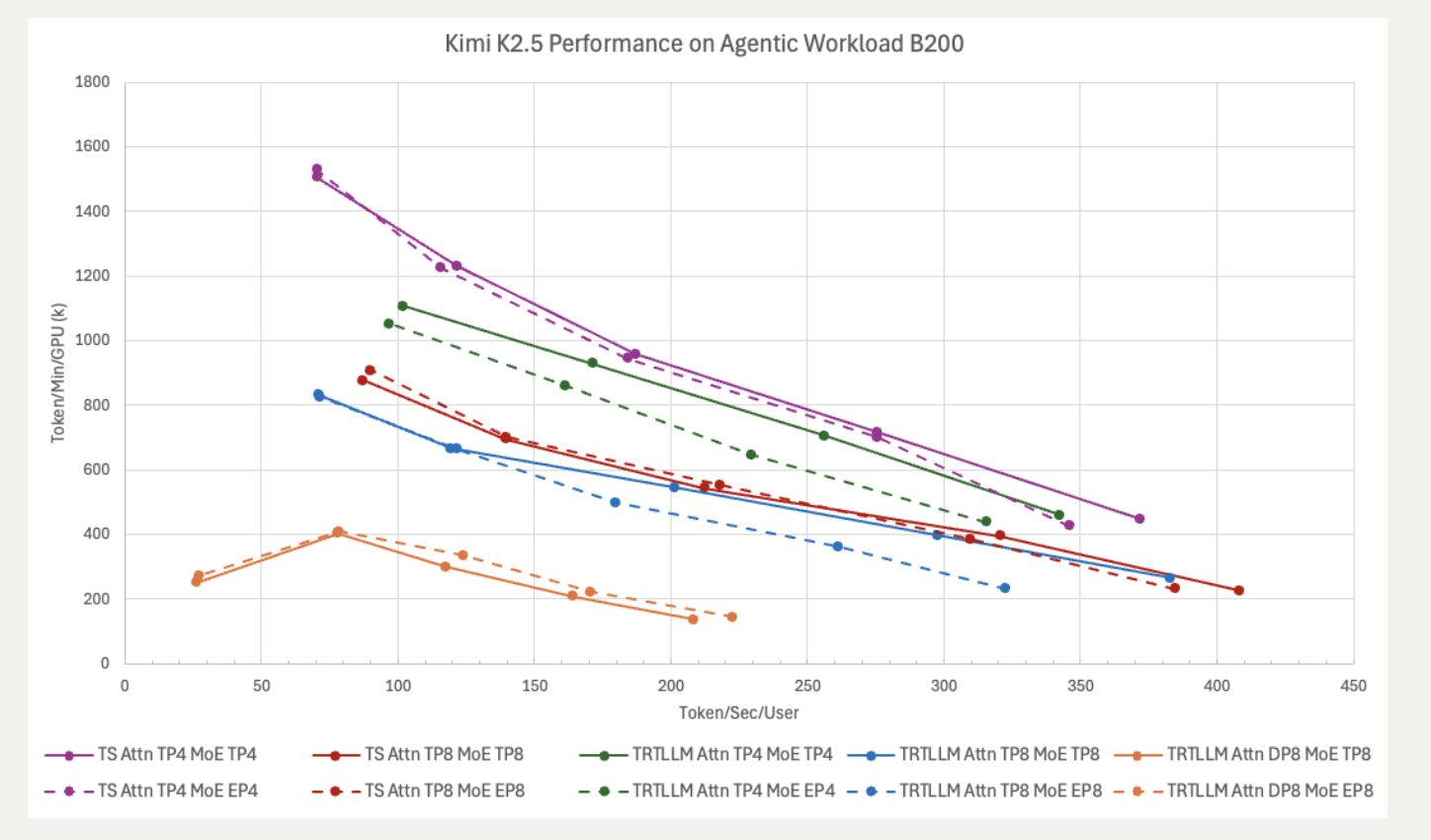
Inference efficiency is a key bottleneck in AI deployment as agentic coding systems like Claude Code, Codex, and Cursor strain underlying inference engines. TokenSpeed, an open-source LLM inference engine by LightSeek Foundation, maximizes per-GPU TPM and per-user TPS for agentic workloads with five interlocking subsystems.
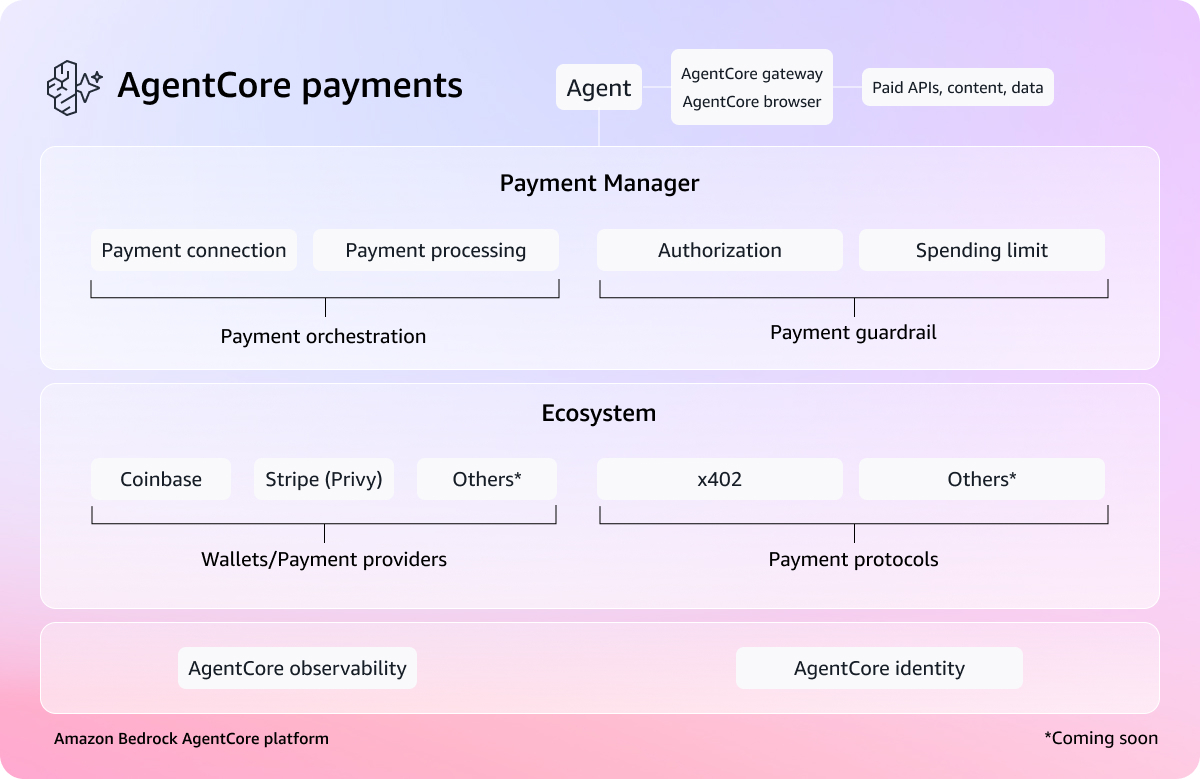
AI agents are evolving to autonomously complete complex tasks. Amazon Bedrock AgentCore introduces payment capabilities for agents in partnership with Coinbase and Stripe, streamlining transactions and enhancing developer efficiency.
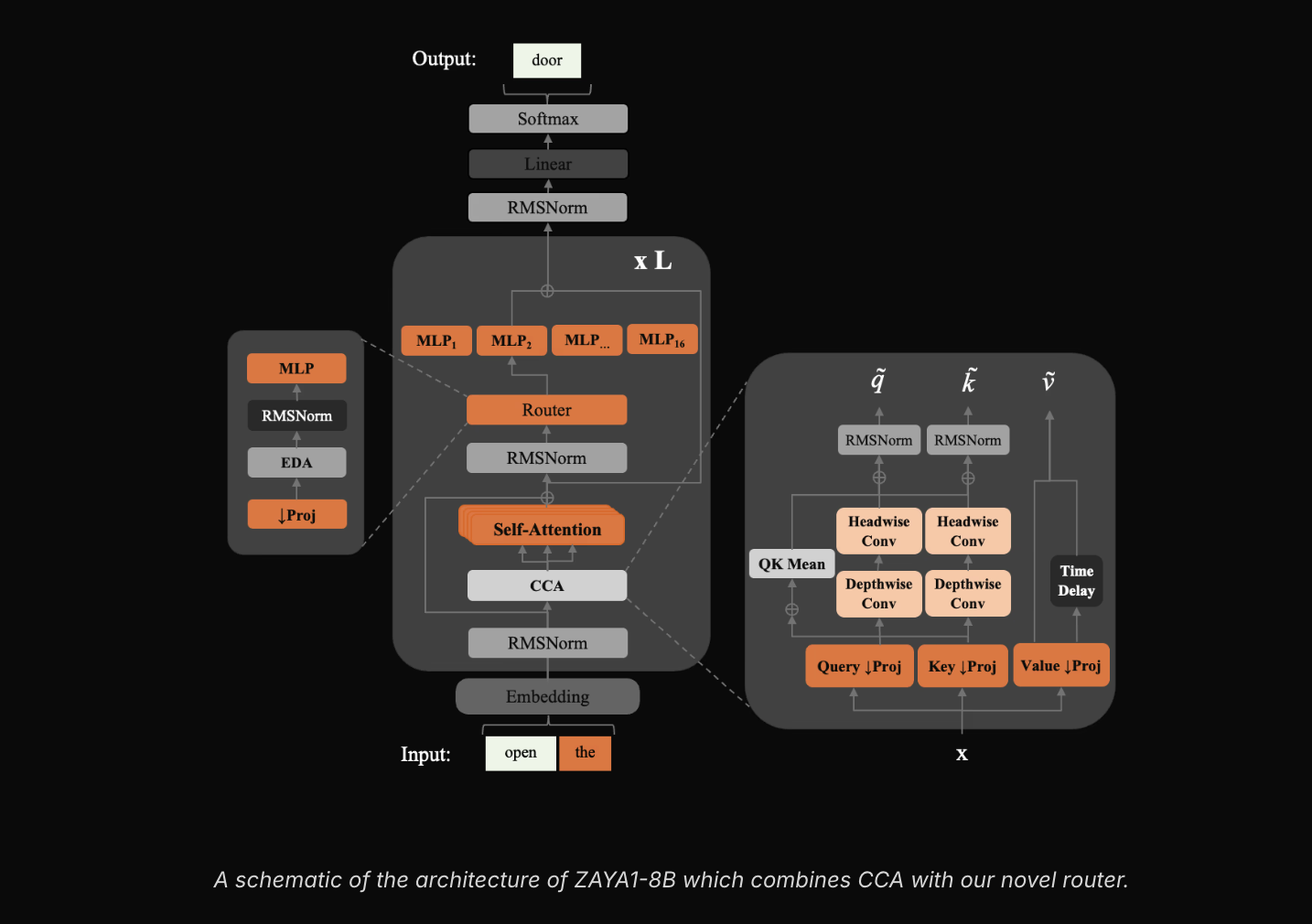
Zyphra AI releases ZAYA1-8B, a high-performing MoE language model with 760M active parameters. It outperforms larger models on math tasks and features innovative architecture for efficient inference.
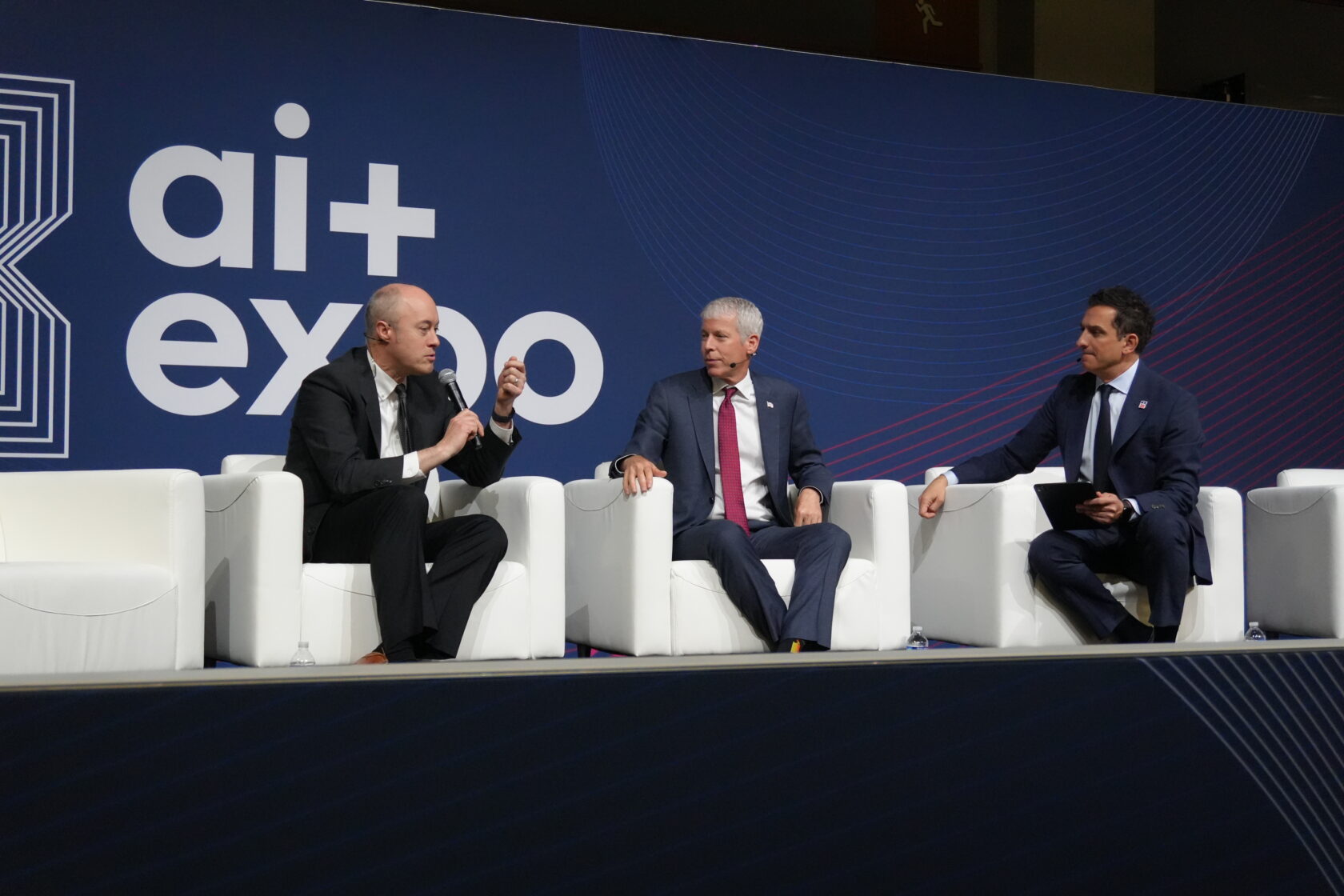
US Energy Secretary Chris Wright and NVIDIA VP Ian Buck argue that American leadership in AI hinges on energy development, highlighting the DOE's Genesis Mission and partnership with NVIDIA to build AI supercomputers at Argonne National Lab. The collaboration aims to advance scientific discovery with cutting-edge technology, emphasizing the importance of affordable energy for societal opportuni...

Automation has led to income inequality growth in the U. S. since 1980 by replacing higher-paid workers, impacting productivity. Study by MIT's Daron Acemoglu & Yale's Pascual Restrepo highlights firms' inefficient automation targeting.