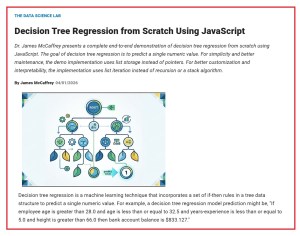
Article showcases Decision Tree Regression from Scratch Using JavaScript in Microsoft Visual Studio Magazine. Implementation details and demo results highlight flexibility and accuracy of the model.

Amazon Bedrock AgentCore Runtime now offers stateful MCP client capabilities, enabling interactive, multi-turn agent workflows previously impossible with stateless implementations. This new feature introduces Elicitation, Sampling, and Progress notification, transforming tool execution into bidirectional conversations for developers building AI agents.

OpenAI delays Stargate UK project due to energy costs & regulation, impacting UK's AI growth strategy after US investment announcement.
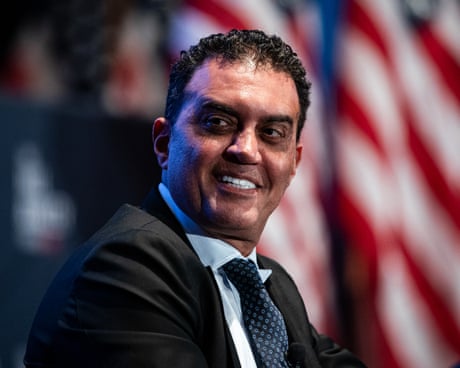
Pentagon official profited up to $24m selling investment in Elon Musk's AI company. Conflict of interest concerns raised.
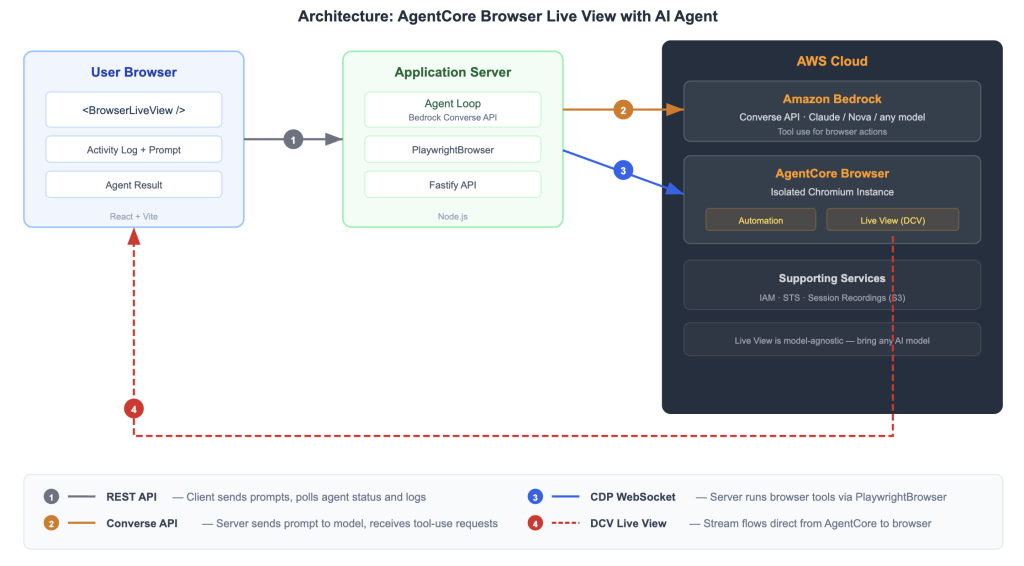
Amazon Bedrock AgentCore Browser BrowserLiveView component provides real-time video feed of AI agent's browsing session in React applications, enhancing user trust and control. Embedding Live View allows users to observe agent actions, boosting confidence, compliance, and real-time supervision capabilities.
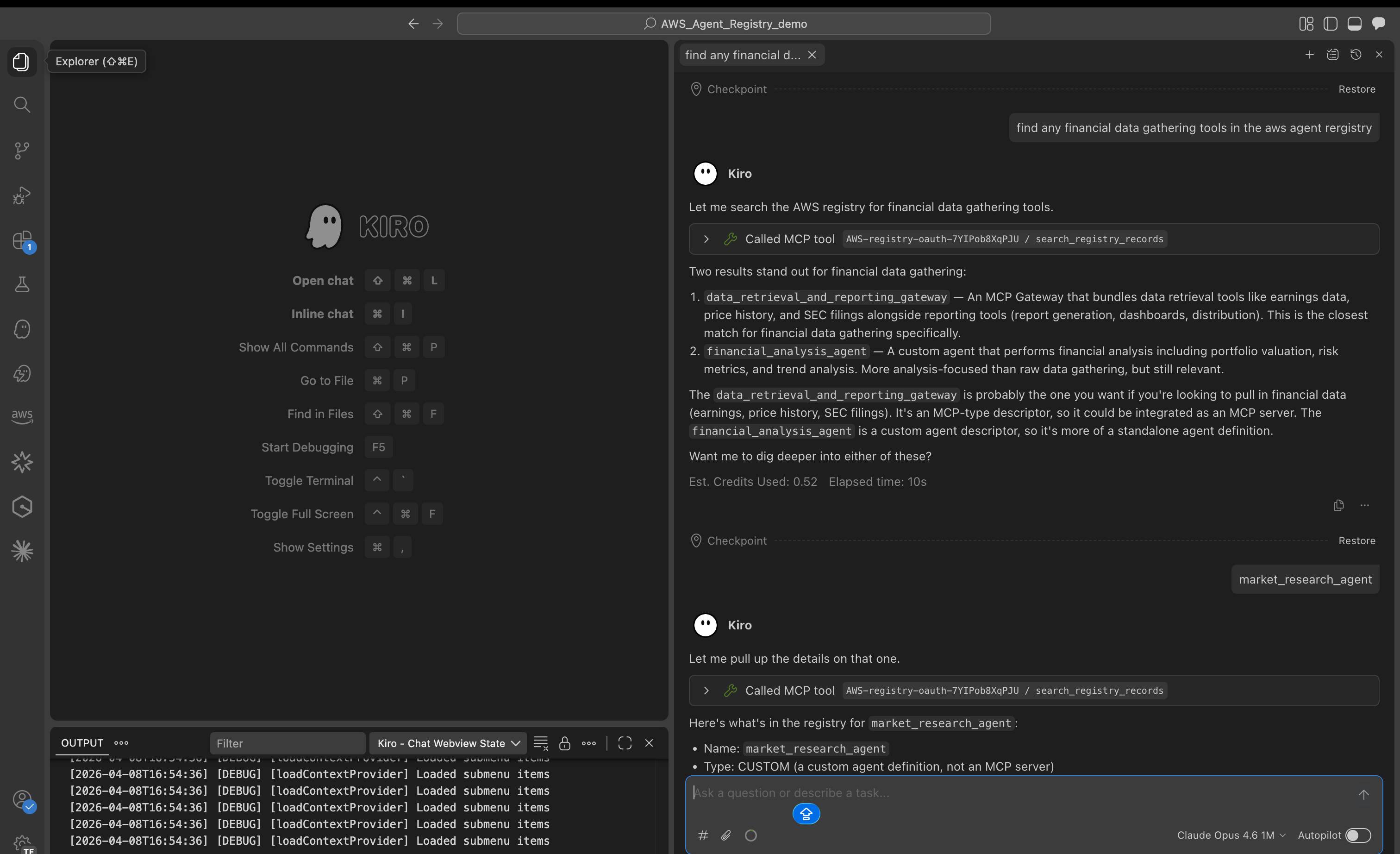
Amazon Bedrock AgentCore introduces AWS Agent Registry to streamline agent discovery, sharing, and reuse across enterprises. The registry tackles challenges of agent sprawl, visibility, control, and reuse by providing a centralized platform for building, publishing, and governing AI agents and tools across various cloud platforms and environments.

Oxford's AI tool predicts heart failure risk 5 years in advance with 86% accuracy, aiding early intervention and prevention. Over 60 million worldwide have heart failure, making early detection crucial for better management and potential prevention.
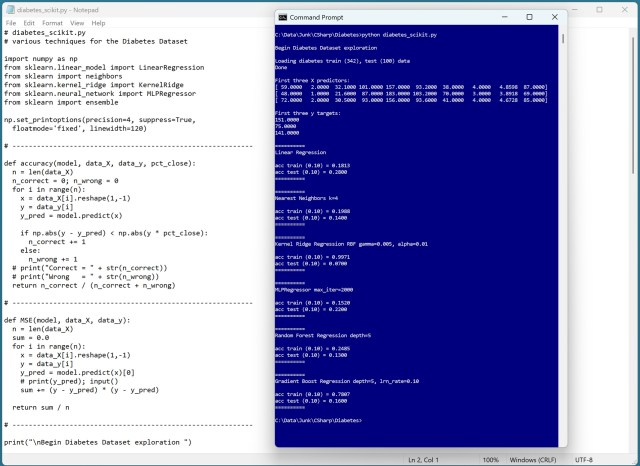
The scikit Diabetes Dataset's target score is unpredictable, but other variables are. Six models failed to predict diabetes accurately.

Sam Altman's AI raises alarm in New Yorker feature, prompting urgent focus on climate crisis over other big issues. Guardian columnist questions future under threat of artificial general intelligence after reading alarming New Yorker piece.
James Strahler II pleads guilty to cyberstalking and producing AI-generated obscene images of child sexual abuse, making history as the first convicted under a new federal AI statute. The Take It Down Act prohibits non-consensual online publication of intimate visual depictions and AI forgeries.
Controversy arises as engineers from AI tech company Palantir gain access to NHS email accounts with contact details of up to 1.5m staff. Health service employees express alarm over the situation.
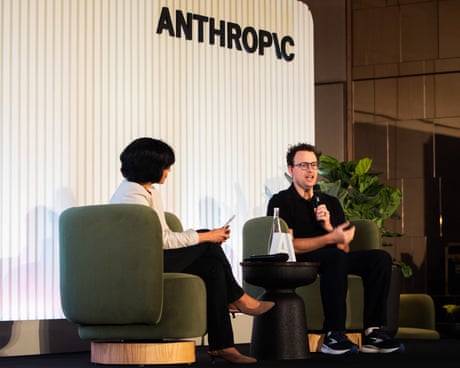
AI company, Anthropic, unveils Claude Mythos model to expose software vulnerabilities, forming alliance with cybersecurity experts. Mythos reveals thousands of unpatched weaknesses in common applications, aiming to enhance defense against hacking.
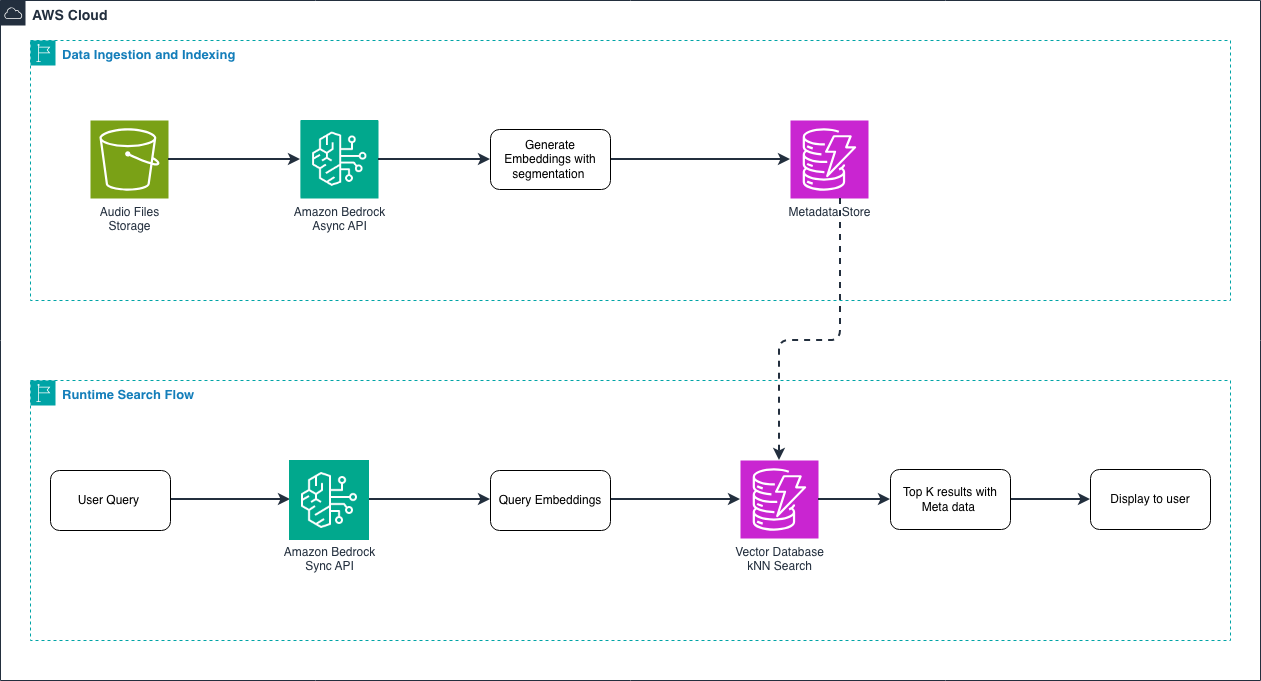
Amazon Nova Multimodal Embeddings transform audio content into searchable data, capturing tone, emotion, and environmental sounds. The model supports text, images, video, and audio for cross-modal retrieval, offering practical search capabilities for production-ready deployment.
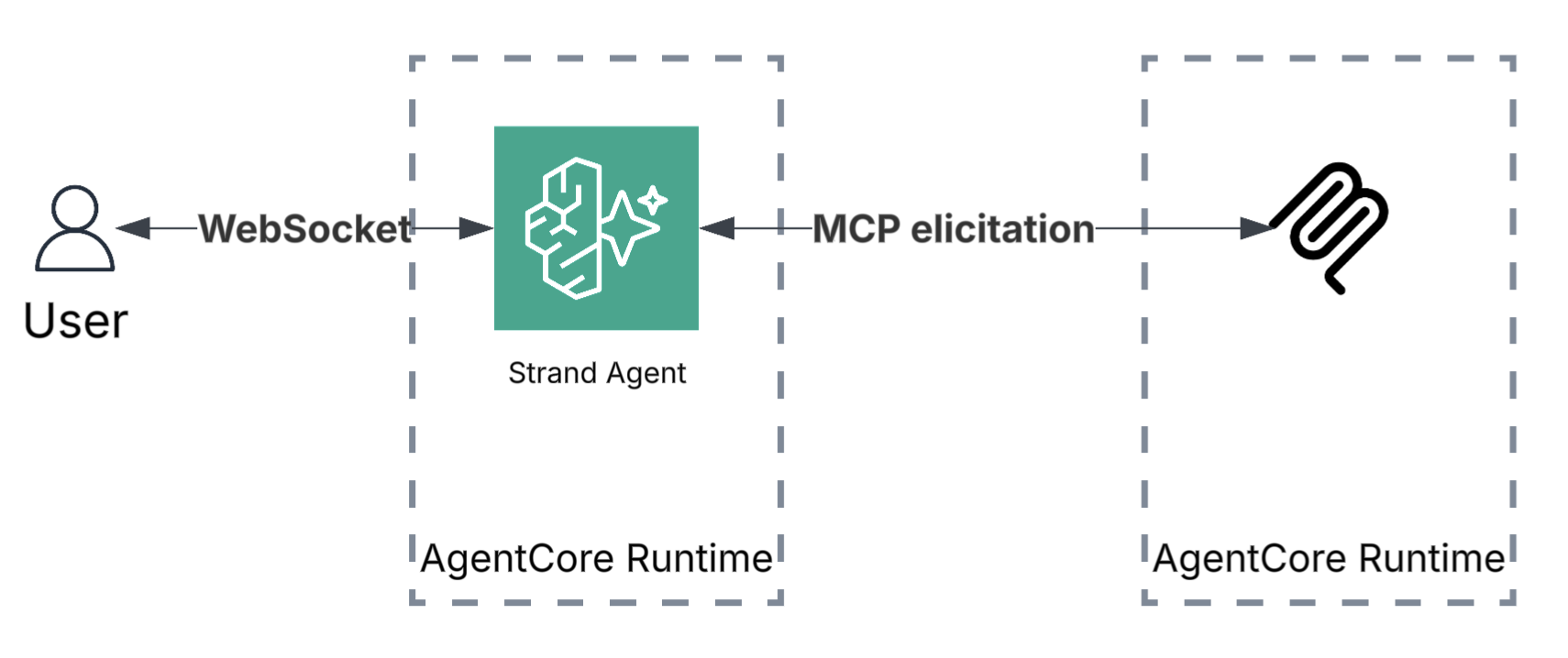
AI agents in healthcare require human oversight for regulatory compliance and patient safety. Learn how AWS services enable human-in-the-loop constructs for efficient and secure automation in healthcare and life sciences.

Family of shooting victim plans to sue ChatGPT & OpenAI for allegedly advising shooter. Chatbot 'may have advised the shooter.'