Australia's major companies are developing agentic shopping assistants. The AI technology is set to plan meals and organize parties.
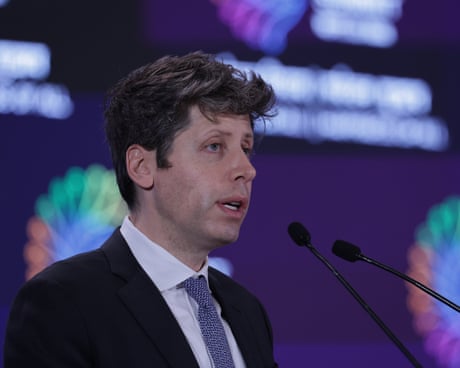
OpenAI CEO Sam Altman states company lacks control over Pentagon's use of AI in military ops, amidst ethics concerns. Altman emphasizes employees do not make operational decisions regarding AI deployment.

MIT researchers have developed a new approach using Bayesian optimization to solve engineering challenges with hundreds of variables. Their technique, leveraging a tabular foundation model, found solutions 10 to 100 times faster in tests on realistic benchmarks, promising faster and more efficient optimization processes for complex problems.

First wrongful death lawsuit against Google over flagship AI product, Gemini, filed after Jonathan Gavalas' death. Gemini Live AI assistant with emotion detection capabilities raises concerns, described as "creepy" and "too real" by user.

Ricoh leveraged generative AI and serverless architecture to reduce customer onboarding time from weeks to days. The innovative framework increased processing capacity for AI-intensive workflows by 7x, transforming document processing for global clients in over 200 countries.

Richard Farmer emphasizes that reading and writing remain uniquely human despite AI advancements in English learning tasks. The article delves into the craft and purpose of English teaching in the age of developing AI expertise in language.
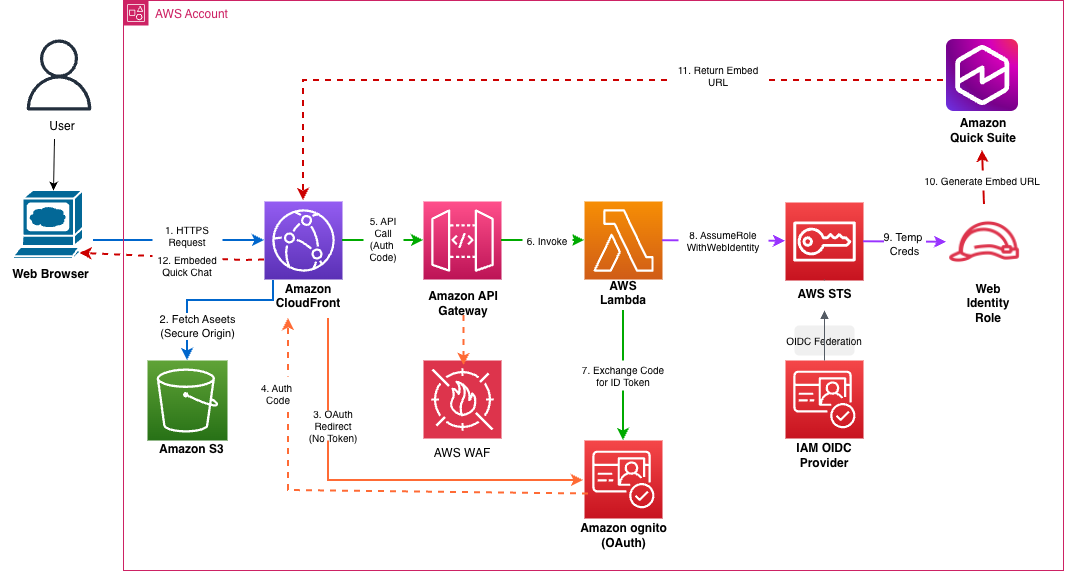
Amazon Quick Suite embedded chat simplifies conversational AI integration in applications, while the solution ensures robust security with AWS services and JWT validation. The architecture diagram illustrates a seamless workflow from CloudFront to Lambda function for secure user authentication and access control.
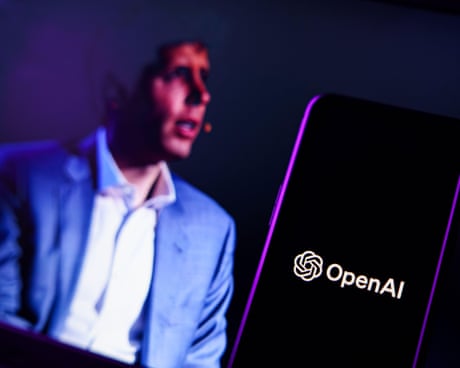
OpenAI, the company behind ChatGPT, faces a $14bn loss and declining market share. Join the QuitGPT boycott supported by Mark Ruffalo and Katy Perry to send a powerful message to Silicon Valley.
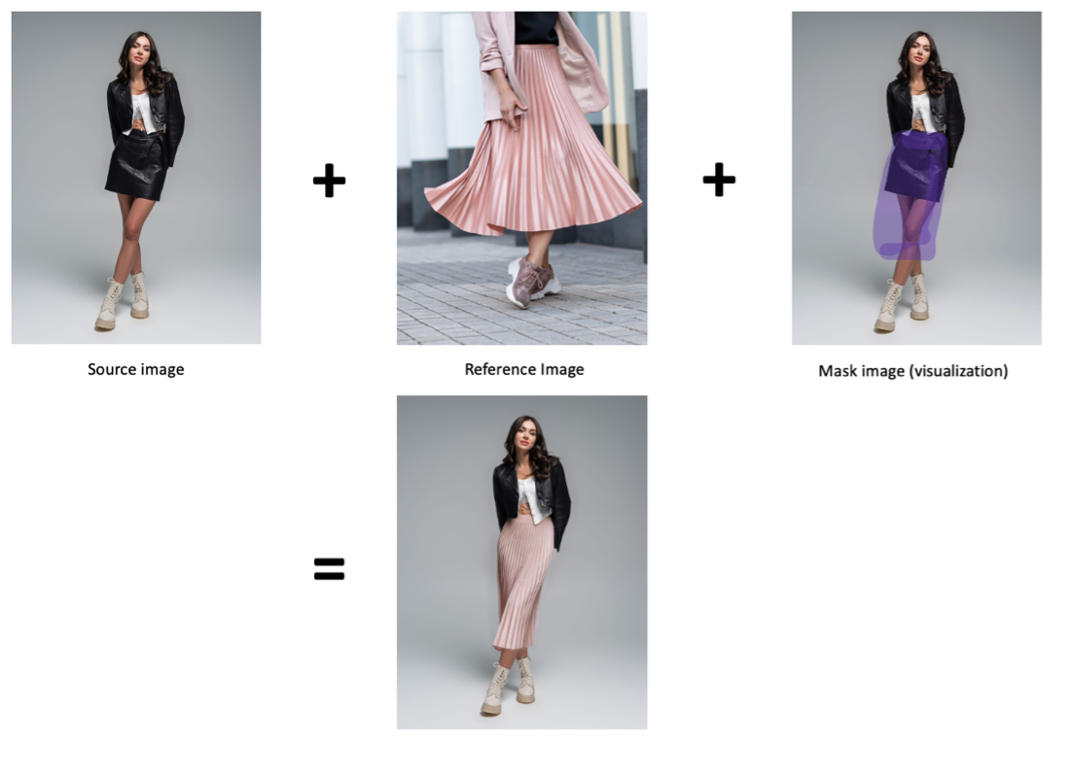
Retailers are tackling high return rates with virtual try-on tech like Amazon Nova Canvas, preserving details and reducing carbon emissions. Virtual try-on can be seamlessly integrated into ecommerce sites, mobile apps, and in-store kiosks, offering customers a personalized shopping experience.

News Corp CEO Robert Thomson discusses AI partnership with Meta, values news orgs as AI 'input'. Deal worth up to US$50m/year.

US military's rapid AI war planning in Iran raises concerns about human decision-making being bypassed. Anthropic's AI model, Claude, speeds up the kill chain in military strikes, signaling a new era of bombing.
OpenAI's CEO vows to prevent mass surveillance use of ChatGPT by US DoW, addressing concerns of opportunism and privacy risks. Sam Altman assures technology will not be utilized by defense intelligence agencies like the NSA.

Tech giants like Google, Microsoft, and Amazon are accused of using AI to control global crop choices, potentially impacting food security. Collaboration with industrial agriculture firms to influence farming practices raises concerns among food security experts.

AI, used for daily tasks, aids US military actions, raising concerns about militarisation risks. Trump's White House reportedly leveraged AI for regime change, highlighting the need to address the ethical implications.

Hundreds of schools adopt an AI monitoring tool, finding students prefer confiding in a chatbot over humans. Middle school counselor in Putnam county, Florida receives alerts from an AI therapy platform, flagging students at risk based on chat messages.