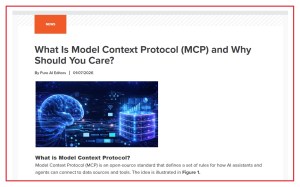
Model Context Protocol (MCP) standardizes AI resource access. Potential for curated MCP server marketplace.
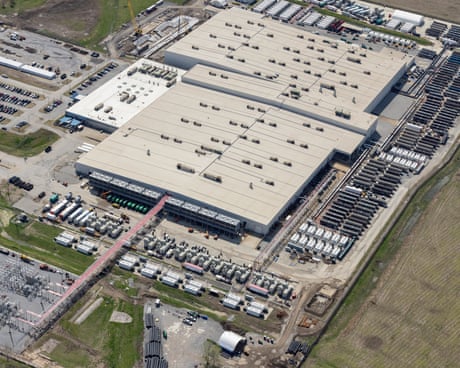
Elon Musk's AI company found using methane gas turbines in Tennessee data centers illegally. Activists claim turbines add pollution to overburdened communities.
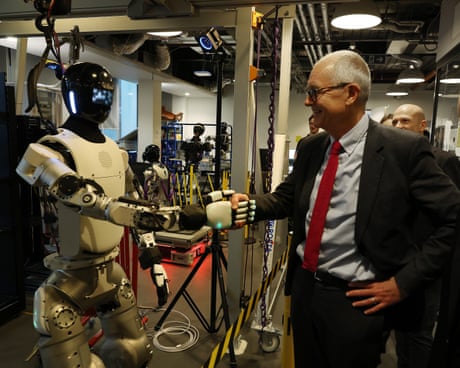
UK science minister Patrick Vallance believes AI and robotics will reshape jobs, starting with warehouses and factories. Sadiq Khan warns of potential mass unemployment due to technological advancements.

Ashley St Clair sues xAI in New York for deepfakes on platform X. Lawsuit alleges Grok AI tool created explicit images, including underage content.
OpenAI's health advice platform raises concerns over potential dangers without proper guidelines and consumer education. A man's mental health deteriorates due to daily consumption of sodium bromide, highlighting the importance of caution with unfamiliar substances.
Trump imposes 25% tariff on AI chips like Nvidia's H200 and AMD's MI325X under national security order, aiming to boost US semiconductor production. Exemptions for datacenters and consumers included in effort to reduce reliance on foreign chip manufacturers.
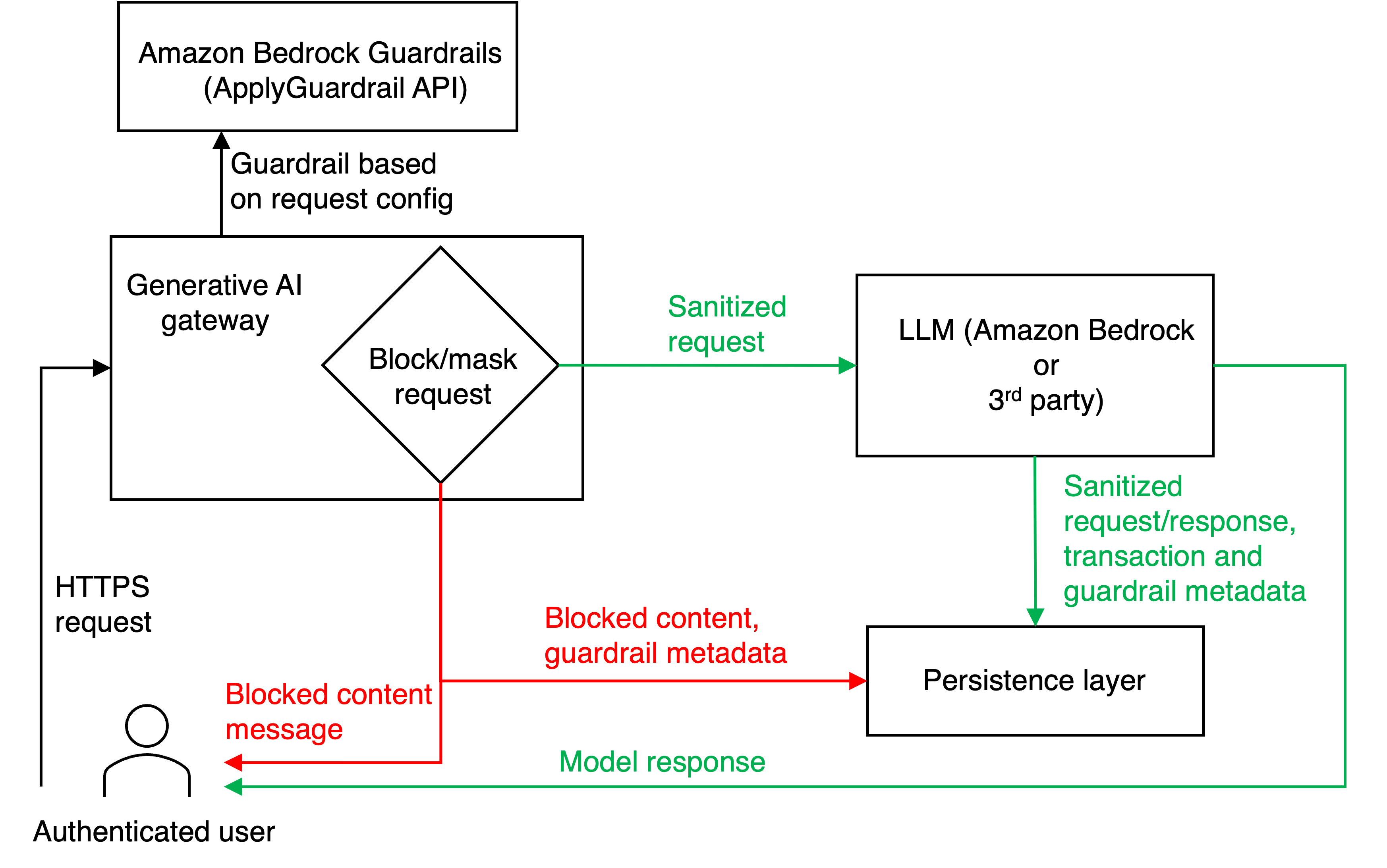
Enterprises using AI agents must implement safeguards for responsible data processing. Amazon Bedrock Guardrails offer safety features for AI applications.

Aboriginal digital fiction character Bush Legend gains 180,000+ followers across Meta platforms, exploring Australian outback in online videos with pulsating music. Jarren, with dark curls and brown eyes, hunts wedge-tailed eagles in the videos set in dense forests and deserted roads.
AI chatbots are increasingly used for personal guidance, but come with risks. OpenAI's ChatGPT findings reveal its popularity for resolutions.
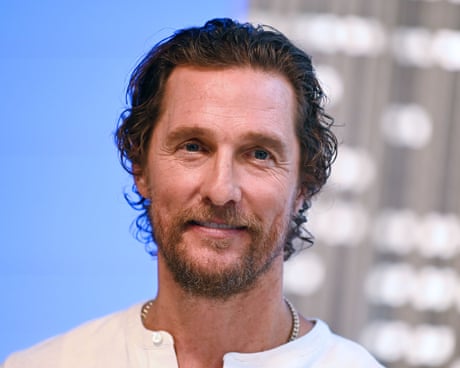
Matthew McConaughey trademarks his image and catchphrase to prevent unauthorized AI use. Eight applications approved by USPTO.
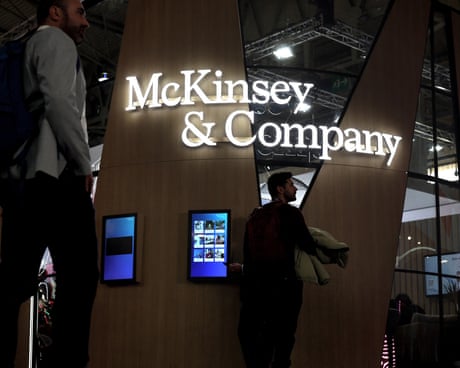
McKinsey integrates AI into recruitment process, with 20,000 AI agents alongside 40,000 staff. Graduate applicants collaborate with AI in final-round interviews, a growing trend in top-level job competition.
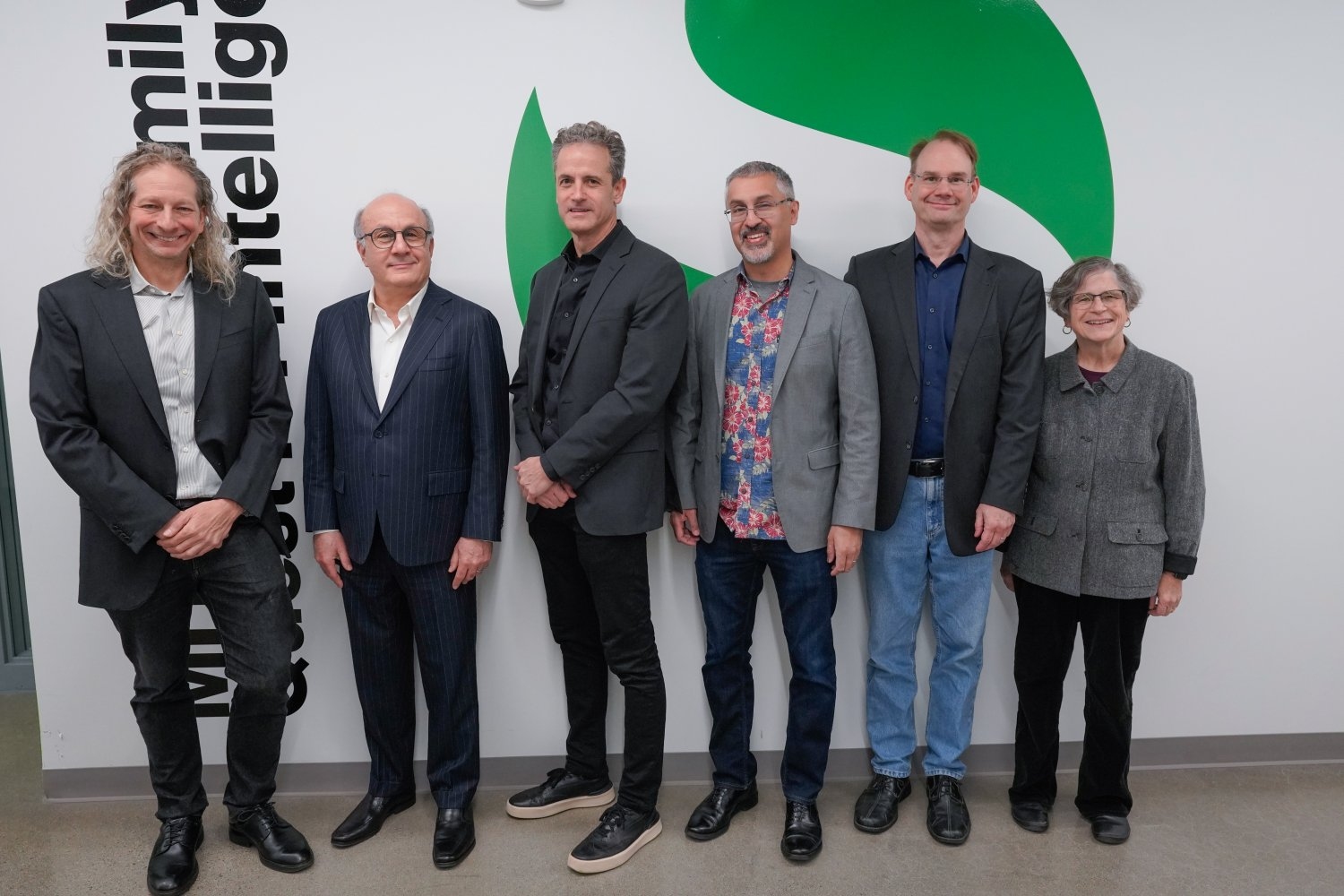
The MIT Siegel Family Quest for Intelligence (SQI) delves into replicating human intelligence in artificial systems to solve complex real-world problems. Through interdisciplinary collaboration, SQI aims to unravel the mysteries of human intelligence with the support of the Siegel Family Endowment.
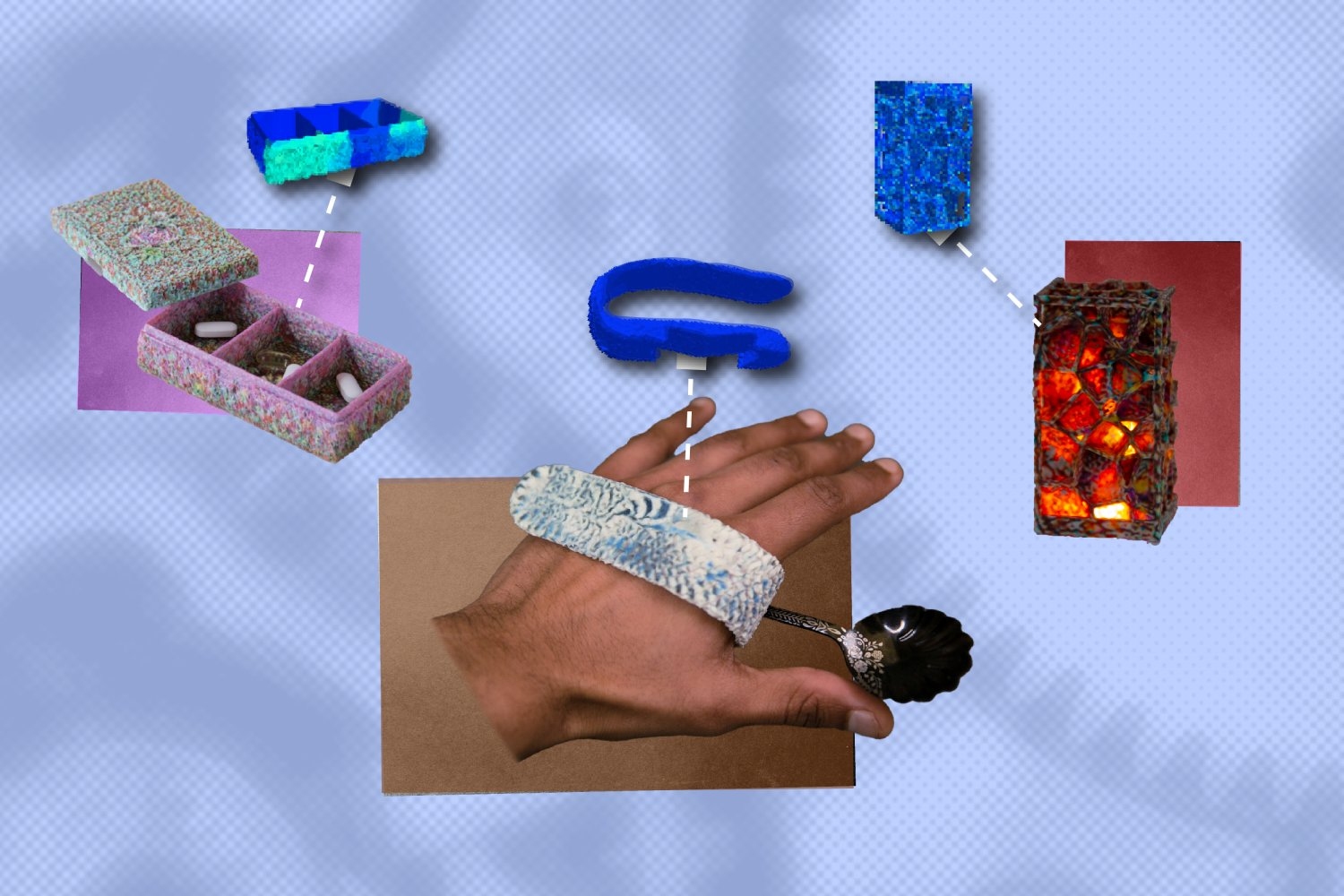
Generative AI models are changing digital content creation, but MIT researchers are now using AI to create personalized, functional 3D objects for real-world use. With the MechStyle system, users can upload a 3D model, prompt the AI for changes, and 3D print personalized items like cactus-shaped wall hooks that are both durable and functional.
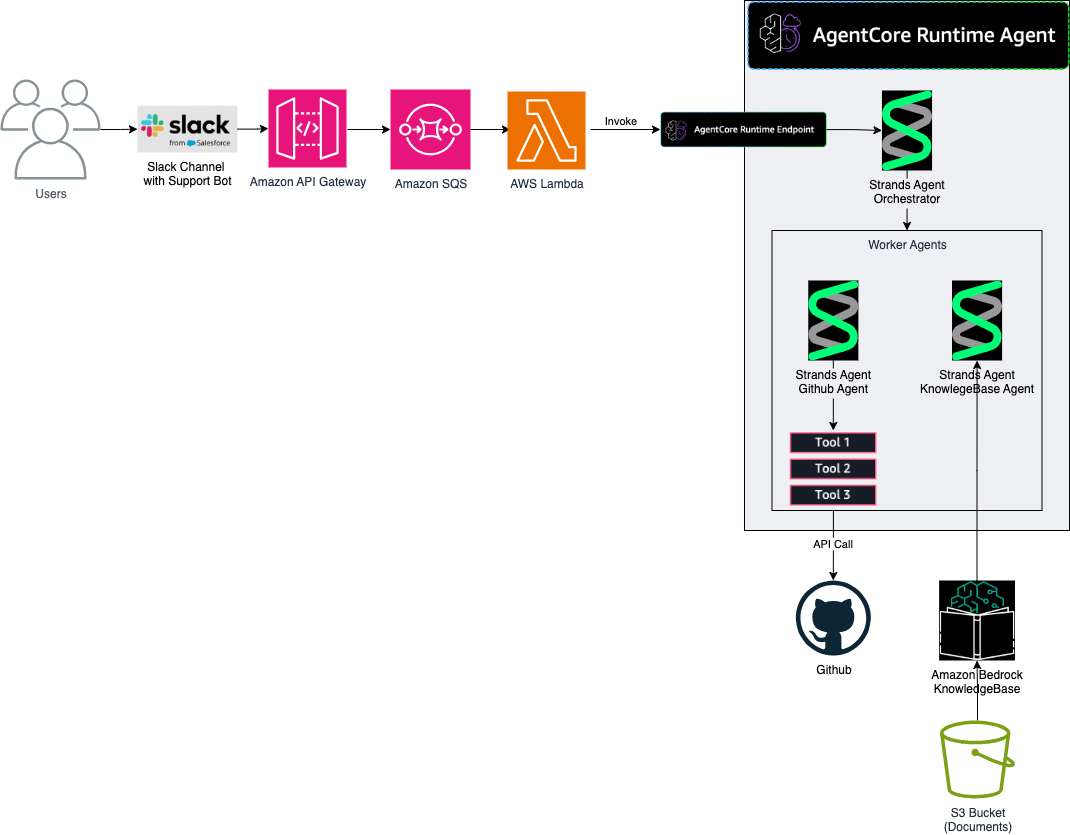
AutoScout24 aims to boost operational efficiency by creating a Bot Factory for AI agents. Their standardized approach streamlines AI development and improves internal productivity.
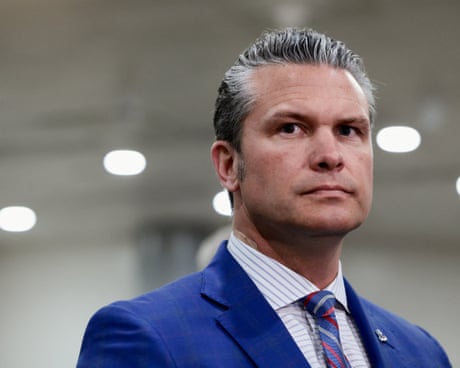
US military to integrate Elon Musk's AI tool, Grok, into Pentagon networks this month, enhancing AI capabilities. Defense secretary announces deployment of Grok at SpaceX headquarters, emphasizing world-leading AI models on all department networks.