
NVIDIA introduces Rubin platform with 6 new chips for advanced AI supercomputing at CES, aiming to revolutionize AI computing. DGX SuperPOD leads the way for large-scale Rubin-based system deployments, promising 10x reduction in inference token cost.

Degrading images persist on Elon Musk's X platform despite promises to suspend creators. Ofcom contacts X and xAI to ensure legal duties to protect users are met.

AI-generated fake images flood social media after Trump announces US attack on Venezuela. Difficulty discerning fact from fiction due to lack of verified info and advanced AI tools.

Ashley St Clair reveals fans of X owner use Grok AI tool for revenge porn, creating fake sexualized images of her. Supporters even undressed a childhood photo, leaving her feeling violated and horrified.

AI expert Daniel Kokotajlo revises AGI timeline, predicts slower progress than initially expected. Former OpenAI employee's scenario AI 2027 sparks debate on unchecked AI development and superintelligence threat.

Nvidia's CEO announces next-gen chips in 'full production', offering 5x AI computing power for chatbots. New chips to arrive later this year, already being tested by AI firms, amidst rising competition.

Google's AI Overviews provide inaccurate health information, putting people at risk, Guardian investigation reveals. Company claims AI summaries are "helpful" and "reliable."

German leftwing militants protesting climate crisis and AI caused an arson attack cutting power to tens of thousands of homes in Berlin. Up to 35,000 homes and 1,900 businesses may remain without electricity and heat until January 8th.

Children are becoming AI natives, with experts advocating for computing skills on par with literacy. In a Cambridge classroom, Joseph, 10, effortlessly corrects AI errors, showcasing a deep understanding of artificial intelligence and machine learning.

AI safety expert David Dalrymple warns of potential safety risks from advanced AI systems outpacing control efforts. Aria agency's programme director emphasizes urgent need for preparation as technology capabilities grow.
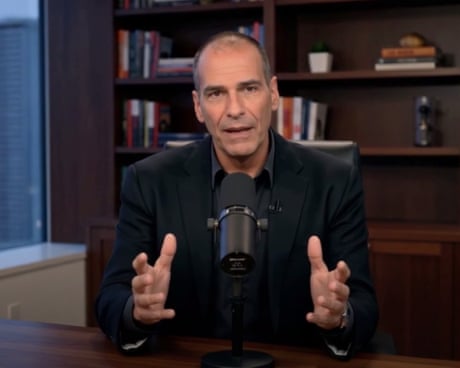
Deepfake AI technology creates unsettling videos, prompting reflection on truth and democracy. A journalist's identity is replicated in a video, raising concerns about the implications of this emerging technology.

Butabika hospital in Uganda uses calls to create a therapy chatbot in local languages, addressing the global mental health crisis. AI algorithm trained with patient calls aims to offer therapy in African languages.
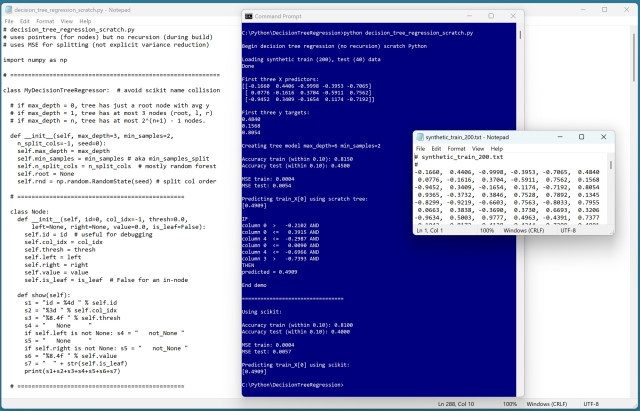
Python decision tree regression demo revamped without recursion, using a stack instead. Algorithm tweaked for variance reduction, not MSE, aligning with scikit module.

Elon Musk's chatbot Grok generated inappropriate images due to safeguards lapses on social media platform X. xAI is working to enhance systems after wave of sexualized images.
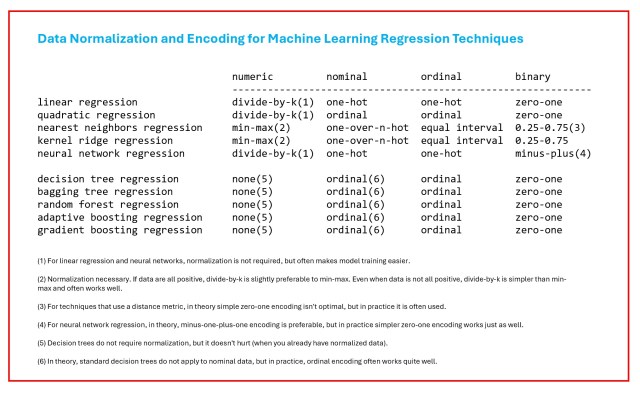
Machine learning regression predicts values based on various factors like age and income. Normalization and encoding techniques play a crucial role in data processing.