
Parents are turning to AI and dramatic voices to engage kids in reading as fewer children read for fun. Reading test scores are down nationwide, with only a third of kids aged five to 10 reading for enjoyment.

AI tool helps NHS trusts predict peak demand, improving staffing and bed space planning in English hospitals. Algorithm uses historical data like weather, holidays, flu, and Covid rates to forecast A&E visits.

Young people are turning to trades like construction over traditional education for better financial prospects. One parent sees more value in investing in a contracting business for his son than paying for a university education.

AI relationships are raising concerns due to reports of harm, but they could also bring potential benefits to humanity. Despite dangers, young people find conversations with AI companions as satisfying as those with real friends.

Retail productivity is rising as technology replaces costly human labor with self-service checkouts and AI facial recognition cameras. This shift towards automation could signal a new era of tech-driven growth and efficiency in low-paying sectors, sparking a potential renaissance in productivity.

Social media users shifting focus to authentic everyday heroes over traditional celebrities like Kardashians and Ronaldo. TikTok sees surge in popularity of accounts featuring bird enthusiasts, Italian grandmothers, and double-decker bus fans.

Merlin Bird ID app identifies 1,300 bird species worldwide, delighting users like Natasha Walter in London. AI and machine-learning make bird identification easy and enjoyable.

Senator Katie Britt proposes AI companies be held criminally liable for exposing minors to harmful ideas, while Senator Bernie Sanders criticizes AI's impact on economic insecurity, calling for a potential moratorium on new datacenters. Sanders warns of AI's transformative power, labeling it as the most consequential technology in history with far-reaching implications.
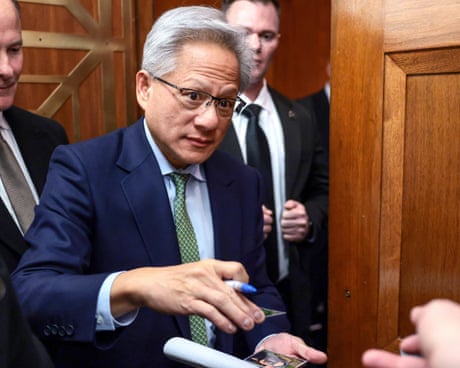
Nvidia's extensive partnerships fuel growth, while banking on AI success. Investors cautioned against comparing it to Enron or dotcom bubble casualties.

In the algorithm-driven economy of 2025, AI slop floods social media with low-quality, surreal content. Merriam-Webster's word of the year is "slop", reflecting the internet phenomenon of the year.

AI challenges human decision-making in everyday scenarios like navigation, raising the question of trust in machines vs. humans. Joseph de Weck explores this dilemma in the era of technology dominance.
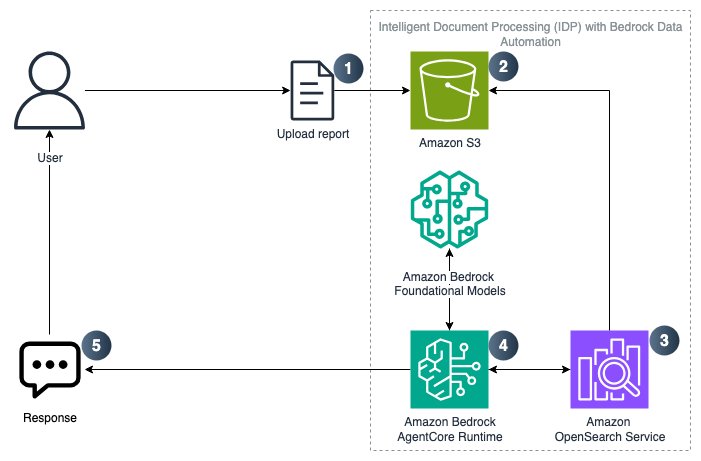
Intelligent Document Processing streamlines data extraction from unstructured documents using Strands SDK and Amazon Bedrock AgentCore. This solution leverages BDA for automated workflows, making IDP and RAG efficient and cost-effective.
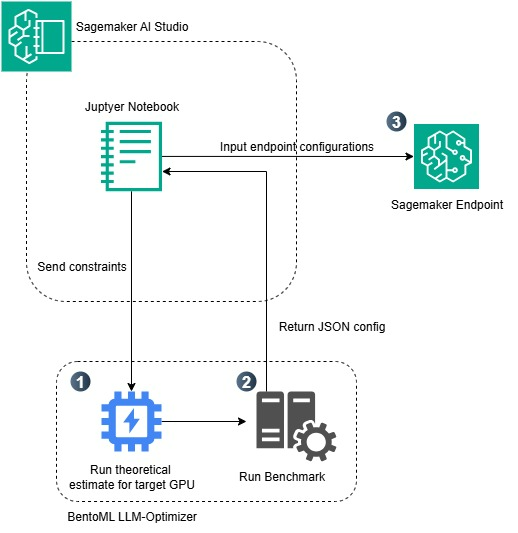
The rise of large language models makes AI integration easy, but self-hosting offers data sovereignty and model customization benefits. Amazon SageMaker AI simplifies infrastructure management for optimal performance with managed containers.

A recent study by NASA and SpaceX reveals new insights into the effects of microgravity on human health. Findings suggest potential advancements in space travel and long-term space missions.
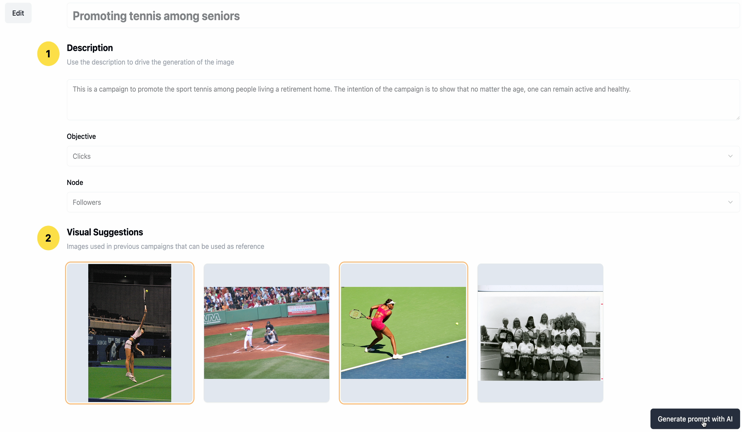
Marketing teams struggle with time constraints, high costs, and the need for creativity. Amazon Nova's generative AI offers a solution for rapid, efficient campaign creation. Bancolombia is using Amazon Nova to streamline their marketing visuals, highlighting the benefits of AI in modern campaigns.