
Elon Musk's tumultuous year from political rise to controversial actions; AI dominates tech and economy in 2025. Musk's Doge, SpaceX, and Tesla in the spotlight amidst chaos and controversy.
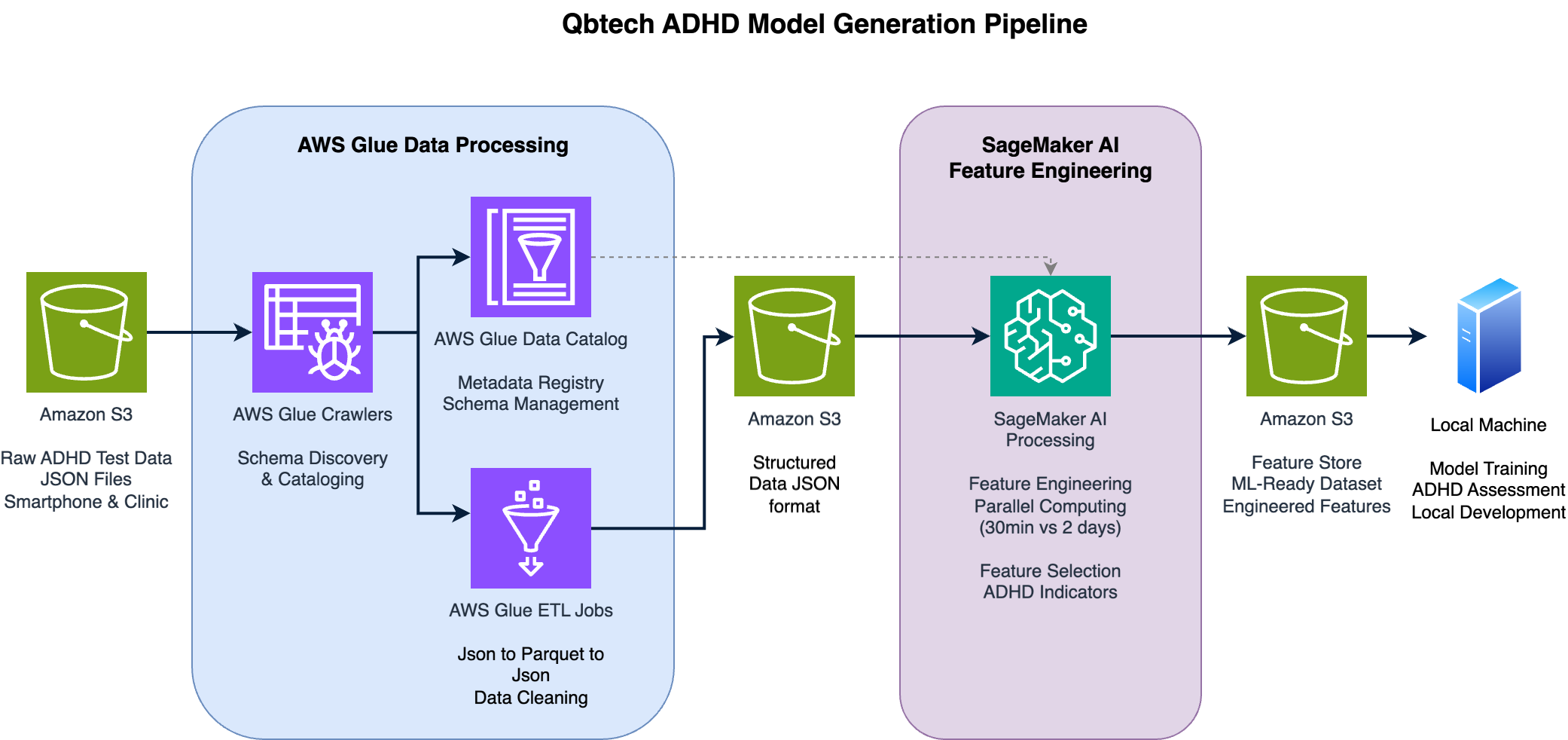
Qbtech enhances ADHD diagnosis with objective measurements & AI, launching QbMobile for smartphone-native assessments using AWS. The company streamlined ML workflow with Amazon SageMaker AI & AWS Glue to democratize access to objective ADHD assessment.
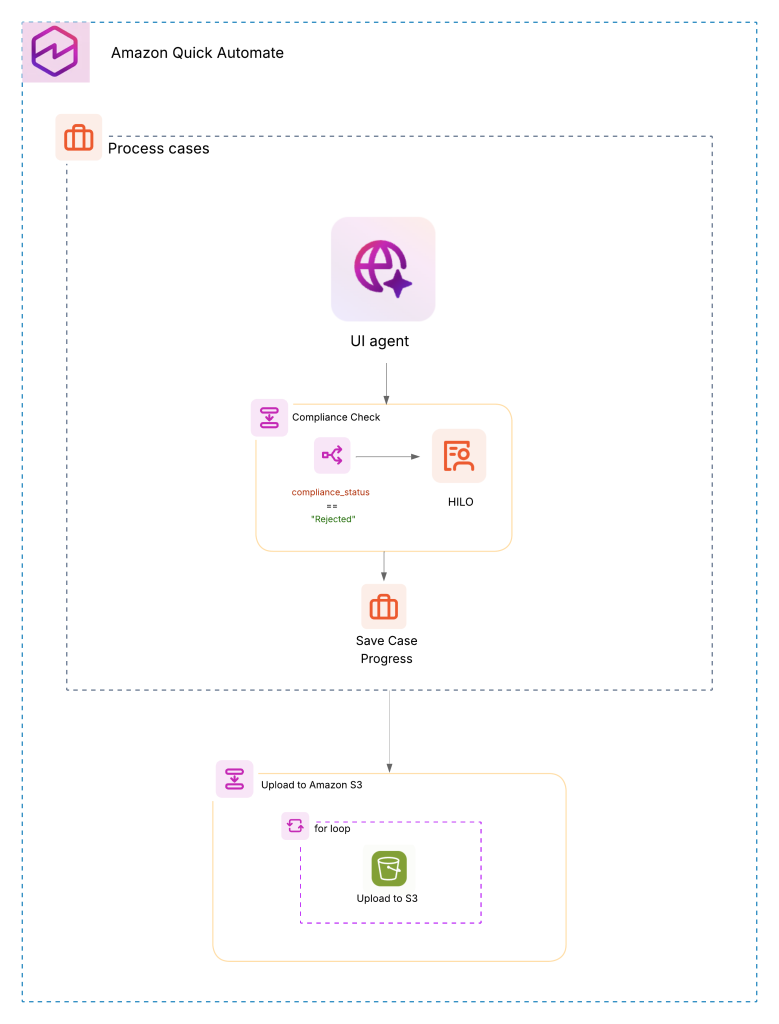
dLocal, Uruguay's first unicorn, revolutionized cross-border payments with its innovative compliance processes. By partnering with AWS and implementing Amazon Quick Automate, dLocal automated its merchant website review process, ensuring efficient and consistent policy enforcement at scale.

Tech-bro vanity fuels AI hype distorting global economy. ChatGPT's explosive growth prompts $1.5tn investment in US AI future.
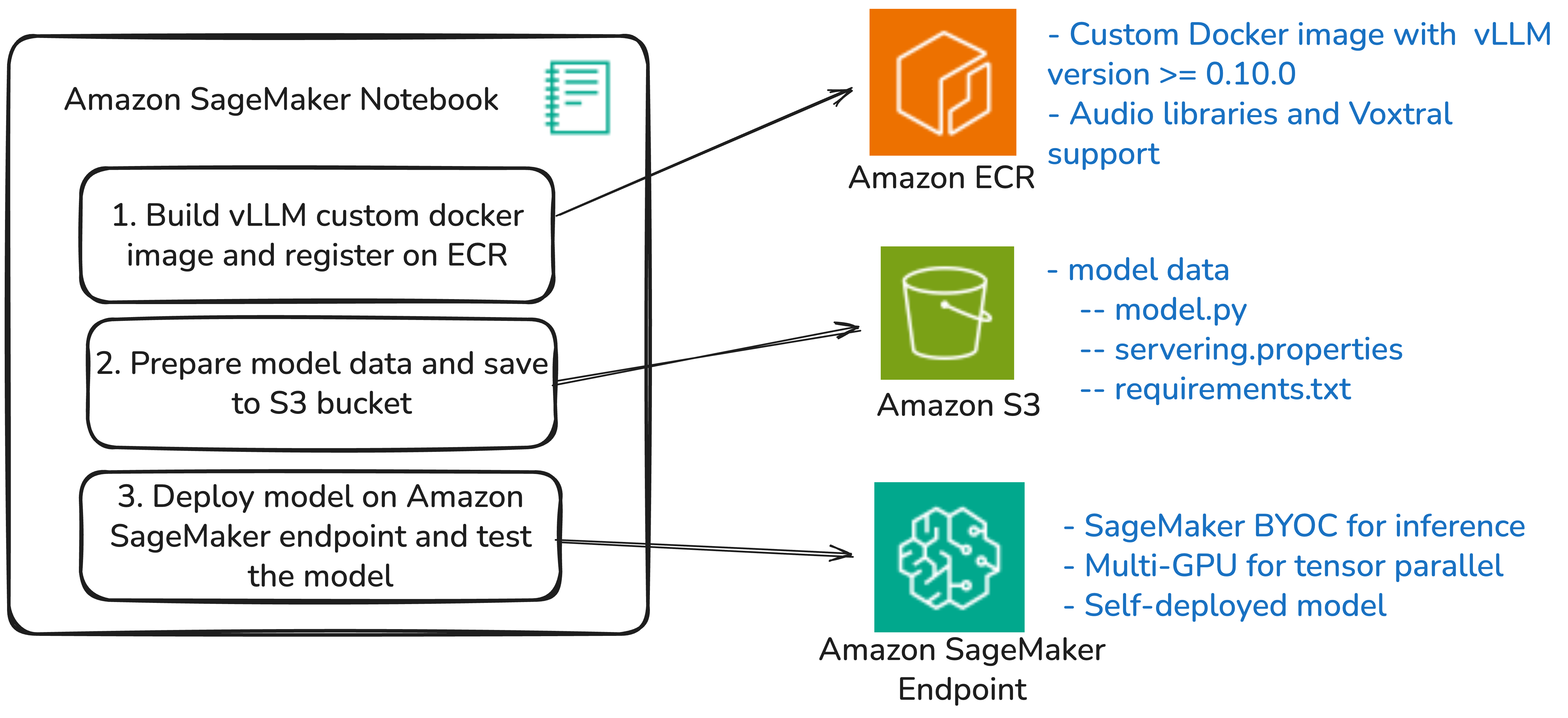
Mistral AI's Voxtral models combine text and audio processing in one framework, with variants optimized for different use cases. These models, hosted on Amazon SageMaker using vLLM and BYOC, offer advanced audio understanding and function calling capabilities for various applications.
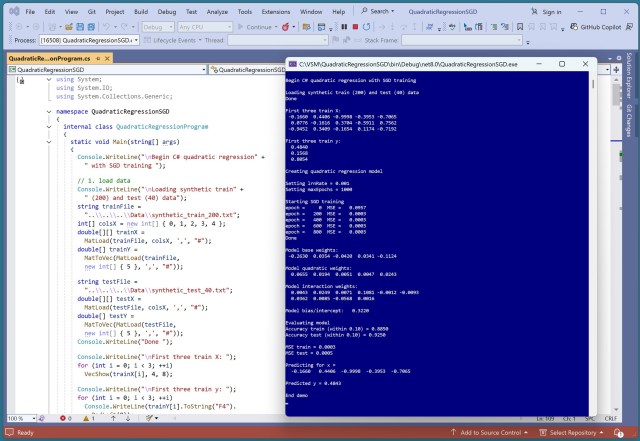
Linear regression is basic but struggles with non-linear data; quadratic regression extends it to handle complexity. A C# demo showcases quadratic regression accuracy, using synthetic data and neural network generation.

Predictive maintenance uses sensors and analytics to predict machine failures, demonstrated by Amazon using Foundation Models. The solution enhances efficiency and can be customized for various industries, reducing downtime and maximizing performance.
MIT's 2025 scientific breakthroughs in quantum, AI, and healthcare make headlines globally. MIT alumni found companies generating $1.9 trillion annually, impacting millions of jobs.
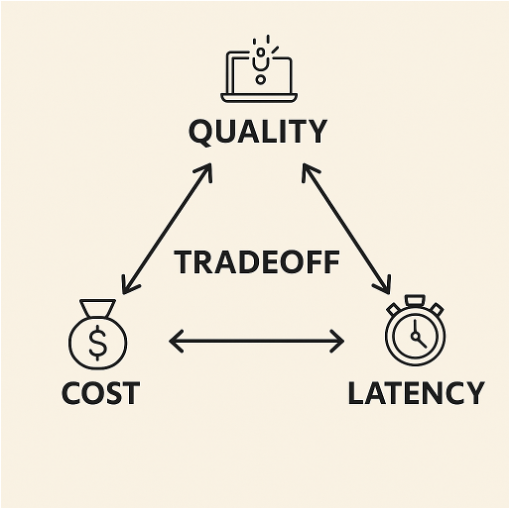
Organizations are seeking efficient AI prompting methods to balance quality, cost, and latency. Chain-of-Draft (CoD) offers a more efficient alternative to traditional prompting, reducing token usage by up to 75% and latency by over 78% while maintaining accuracy levels.
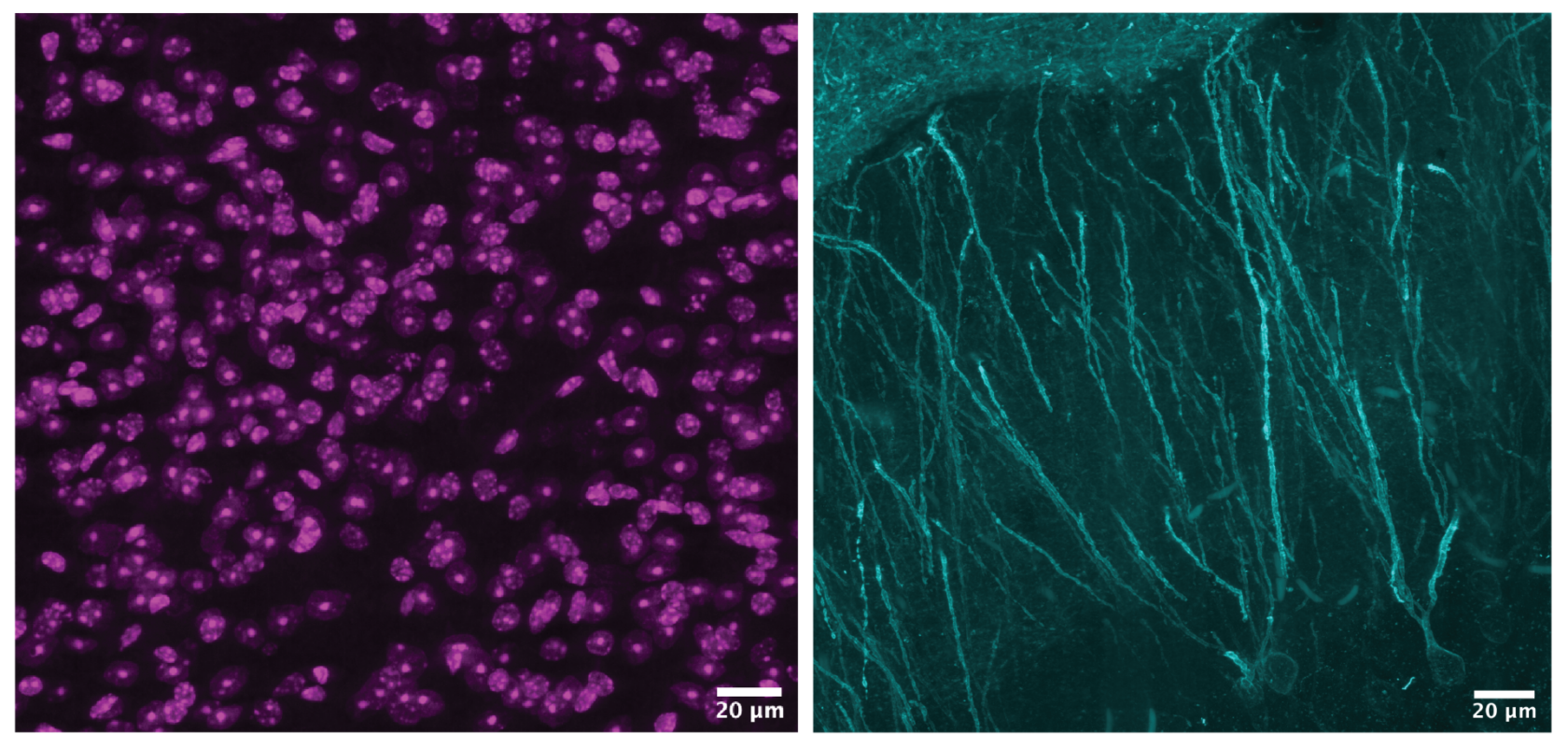
Researchers at MBL study memory formation using NVIDIA RTX GPUs and HP Z Workstations, aiming to unravel molecular-level memory function for potential neurological disease prevention. Understanding memory's role in mental health could lead to breakthroughs in Alzheimer's and dementia research.

Spotify investigates data scraping by Anna’s Archive with 700m users. Leak could benefit AI companies.
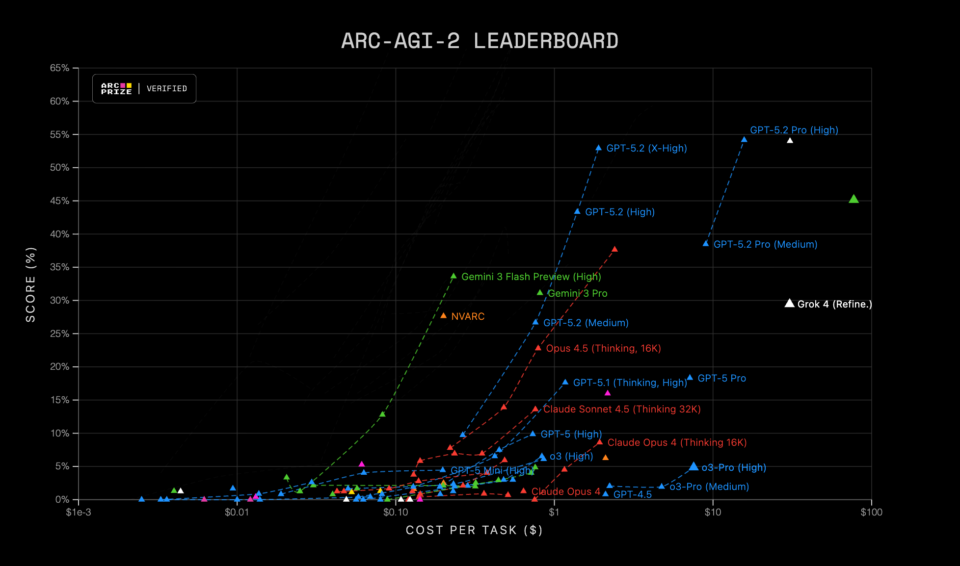
OpenAI launches GPT-5.2, achieving top scores on industry benchmarks with NVIDIA infrastructure. NVIDIA's advanced systems drive down costs and accelerate AI model development, leading to groundbreaking performance gains.

Investment in global data center market hits record $61bn in 2021 amid AI boom, with no signs of slowing down, says S&P Global report. Analysts foresee continued construction frenzy to meet insatiable demand from AI companies, projecting $60.8bn investment by 2024.

Voice generating bots are aiding extremist groups like neo-Nazis and the Islamic State in spreading ideology online. Experts warn that AI tools are evolving digital propaganda strategies, posing a new threat in the fight against terrorism.
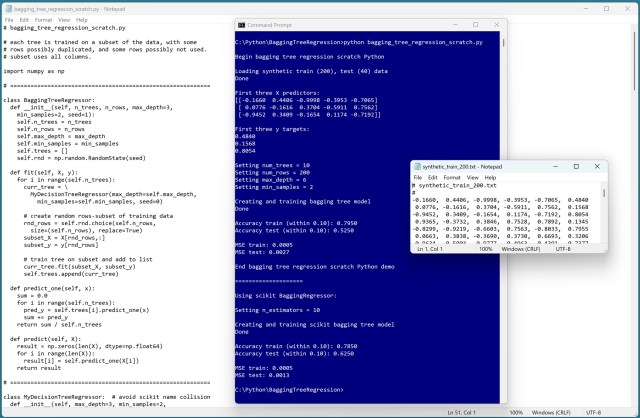
Naive decision tree regression models overfit training data. Bagging and random forest techniques combat overfitting by using subsets for training.