
AI Security Institute report reveals UK citizens frequently use general purpose AI assistants like ChatGPT & Amazon Alexa for emotional support. 1 in 10 utilize chatbots for emotional purposes weekly, with 4% using them daily, as per AISI.

AI accelerates ML development by determining techniques, generating code, and tuning hyperparameters, cutting model creation time significantly. AI may increase data science efficiency, but impact entry-level positions, while generating creative outputs like a steampunk car.

Enterprise developers are transitioning to autonomous AI agents for complex tasks. Strands Agents, Amazon Bedrock AgentCore, and NVIDIA NeMo Agent Toolkit offer a powerful solution for designing, orchestrating, and scaling secure multi-agent systems on AWS. These tools streamline AI agent development, deployment, and performance optimization for enterprise-ready solutions.

Equity members reject AI use in arts, refuse digital scanning to protect likeness. 99% vote against AI unless protections are guaranteed.

Trump Media and Technology Group merges with TAE Technologies in a $6bn deal to combine Truth Social with AI-driven energy solutions. The link-up aims to capitalize on the AI boom and meet the rising energy demand.

Misinformation fueled by AI spread after the Bondi beach terror attack, blurring fact and fiction. False details included claims of a psyop, IDF involvement, crisis actors, and mistaken identities.

Productivity Commission drops controversial proposal for tech companies to use copyrighted material for AI training. Government advised to wait 3 years before reviewing Australian copyright settings and impact of new technology.

MIT CSAIL researchers found that short-term guidance can significantly enhance the performance of previously deemed "ineffective" neural networks by aligning internal representations. Unlike knowledge distillation, guidance transfers structural knowledge directly, leveraging untrained networks' architectural biases for effective learning.

Tech companies benefit from AI, but society pays the cost with massive carbon emissions equal to NYC's. Research shows AI's environmental impact surpasses global bottled-water demand.
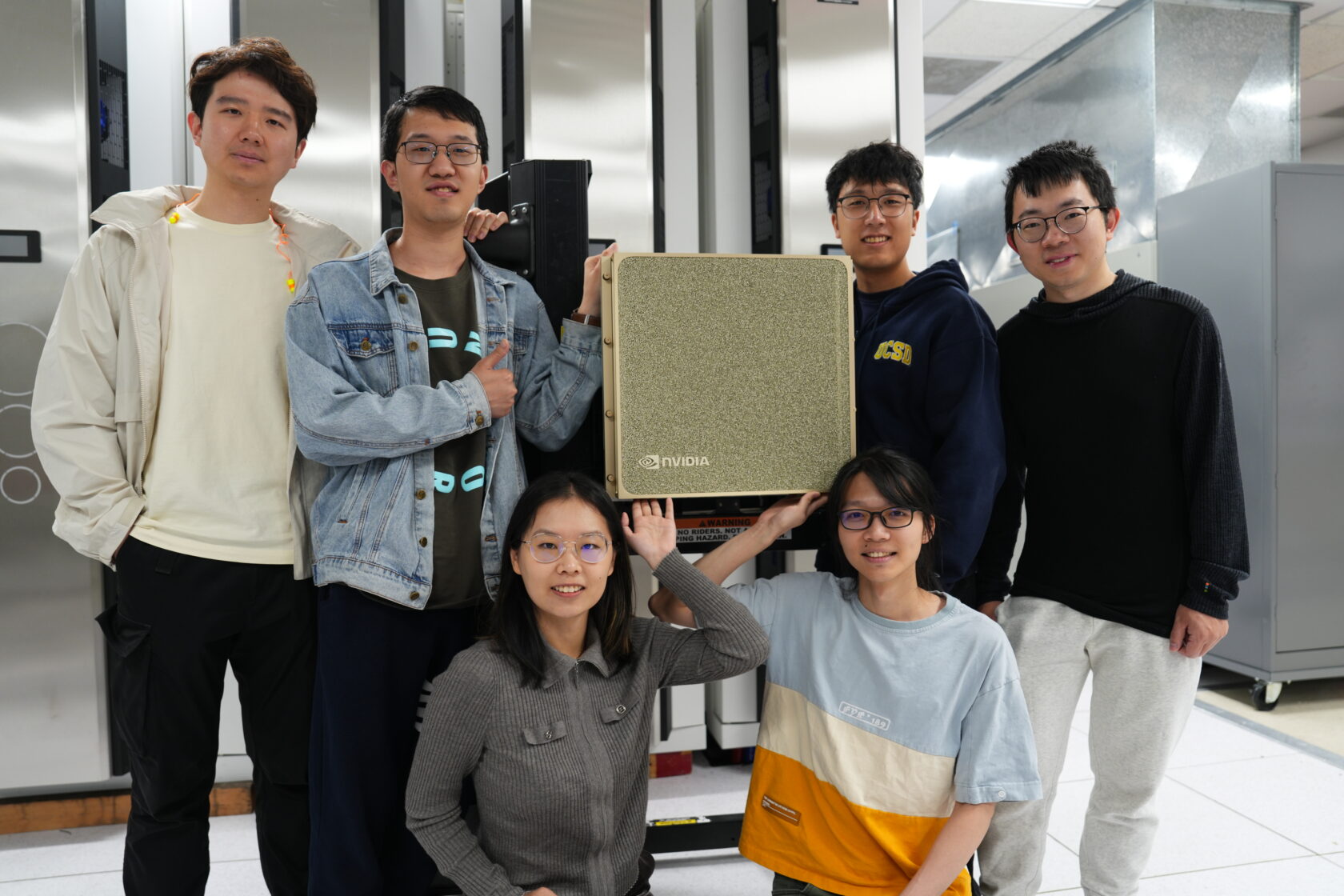
UC San Diego's Hao AI Lab pioneers AI model innovation with NVIDIA DGX B200, accelerating projects like FastVideo and Lmgame-bench. DistServe influences disaggregated serving for optimal LLM performance, focusing on "goodput" over traditional throughput metrics.

MIT and MIT-IBM Watson AI Lab develop PaTH Attention, an adaptive encoding technique for transformers, addressing limitations in state tracking. Presented at NeurIPS, this research aims to enhance AI systems' capabilities while maintaining scalability and efficiency.

MIT researchers developed a computational framework where AI agents evolve eyes to study the evolution of vision systems. Experiments show tasks drive eye evolution, guiding design of sensors for robots and drones.

AI-powered toys like Grem are gaining popularity, but research suggests they may be more unsettling than entertaining. With over 1,500 AI toy companies in China and major players like Mattel partnering with OpenAI, these toys could soon be everywhere.
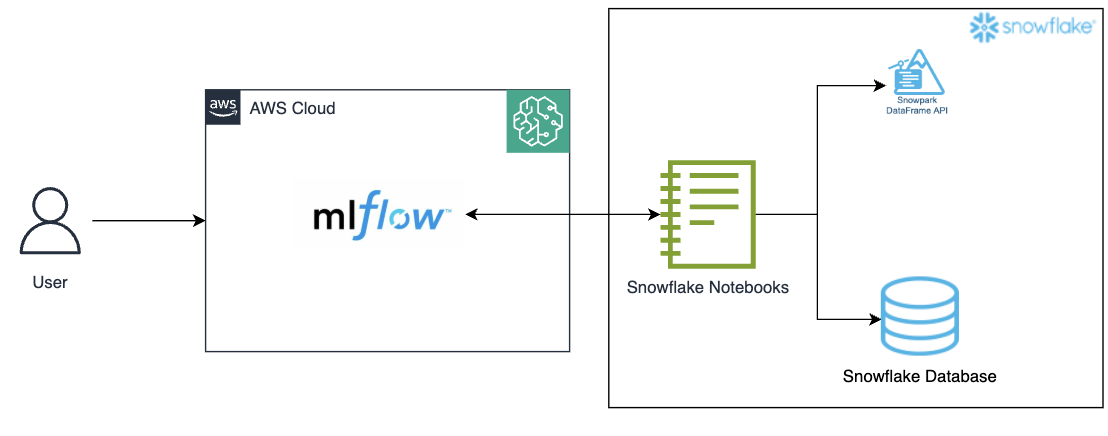
Integrate Amazon SageMaker managed MLflow with Snowflake to streamline ML workflows and improve collaboration, accelerating AI/ML adoption. MLflow Tracking centralizes experiment logging and model management, enhancing transparency and efficiency in the machine learning lifecycle.
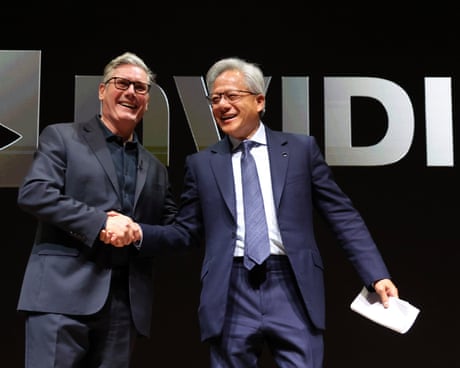
Billionaire CEO of Nvidia highlights power of AI at London party during Trump's visit, sparking debate on tech influence in politics. Jensen Huang announces AI investments, sparking a new industrial revolution, while giving out opportunities to lucky guests.