
MIT and MIT-IBM Watson AI Lab develop PaTH Attention, an adaptive encoding technique for transformers, addressing limitations in state tracking. Presented at NeurIPS, this research aims to enhance AI systems' capabilities while maintaining scalability and efficiency.

AI-powered toys like Grem are gaining popularity, but research suggests they may be more unsettling than entertaining. With over 1,500 AI toy companies in China and major players like Mattel partnering with OpenAI, these toys could soon be everywhere.
India's solar energy revolution aims to empower 10 million households with rooftop installations by 2027. Tata Power and Oneture collaborate on an AI-powered solar panel inspection solution using Amazon SageMaker AI, addressing challenges of manual inspections.
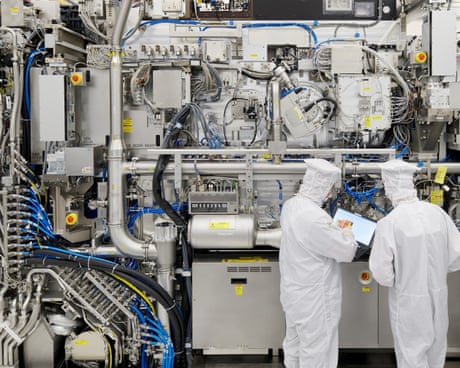
US economy growth and political survival depend on AI. EU urged to stand up to US betrayal and leverage its strength. Johnny Ryan leads Enforce at the Irish Council for Civil Liberties.
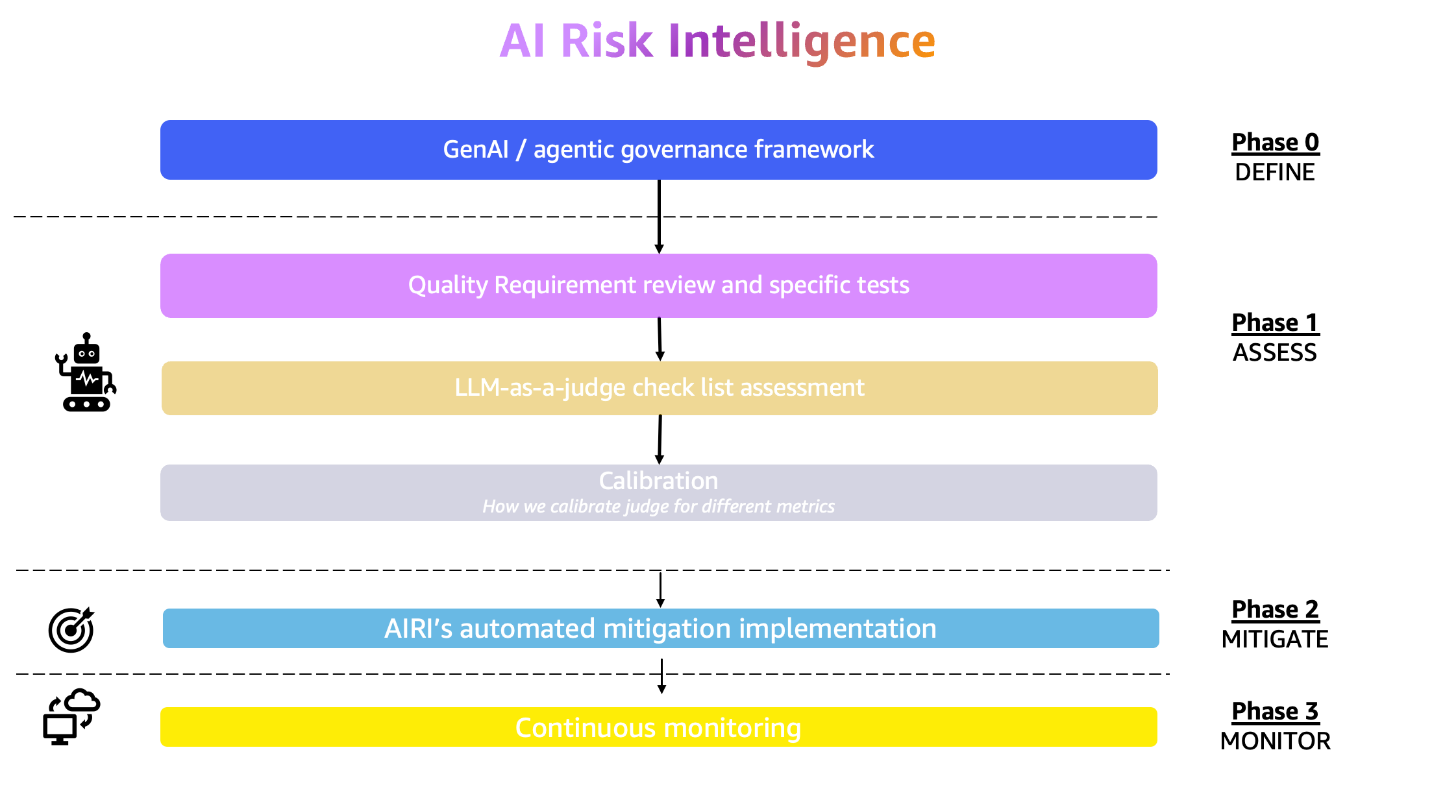
McKinsey survey reveals challenges & benefits of responsible AI programs. AWS Innovation Center offers tips for secure AI deployments.

TechScape: Trump's AI order analyzed, OpenAI challenges Google, data centers eye space launch.
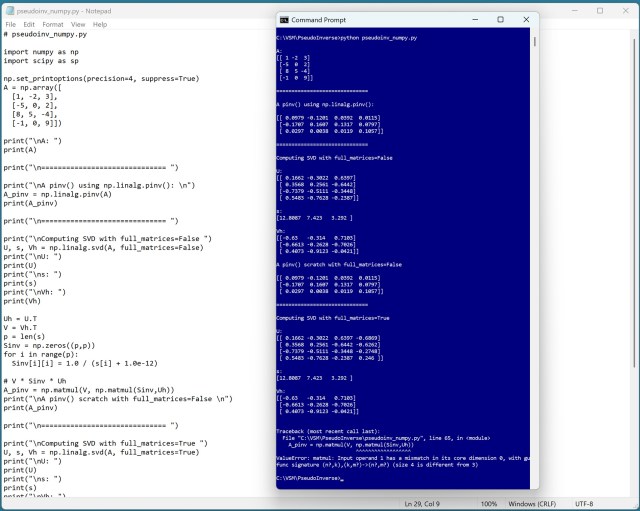
Singular value decomposition breaks down a matrix, allowing for efficient pseudo-inverse computation. Default settings can lead to failed calculations, prompting a need for manual adjustments.
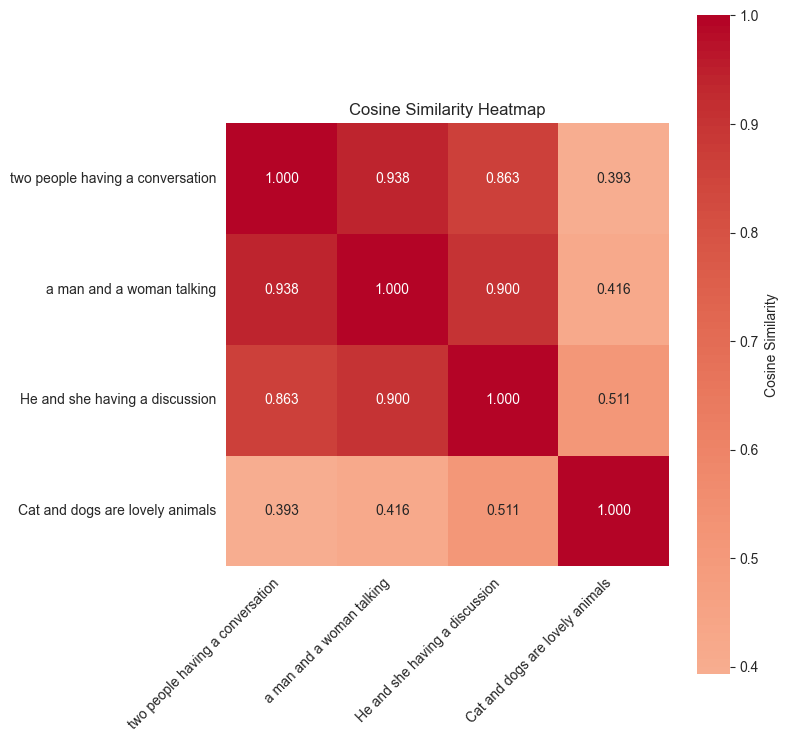
AI systems face challenges in understanding the complex nature of video content with visual, audio, and text elements. Amazon Bedrock integrates TwelveLabs Marengo Embed 3.0 model for faster video search and interactive product discovery through multimodal AI embeddings.
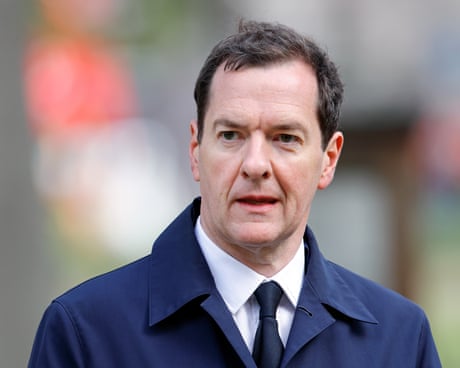
George Osborne joins OpenAI to enhance ChatGPT's government connections globally. He will lead OpenAI for Countries division for national AI deployments.

AI-generated music by companies like Udio, Suno, and Klay is gaining mainstream popularity, with AI acts like Velvet Sundown and Xania Monet making waves. Concerns arise as major labels embrace AI, potentially leading to a future where human-made art is overshadowed by endless AI-generated content.

Google's AI Mode is mashing up recipes from multiple creators, leading to a significant drop in ad traffic. Bloggers are seeing their content distorted and reused without permission in AI-generated cookbooks and websites.

Popstars like Elton John and Dua Lipa lead campaign for artists' rights in AI training, backed by 95% of respondents in government consultation. Calls for stronger copyright protection and licensing requirements gain momentum in the fight against tech companies.

Andrew Yang revives UBI proposal to address tech-driven wealth disparities, echoing automation concerns. His "Freedom Dividend" aims to protect workers from job loss to robots.

Unsloth's open-source framework allows efficient fine-tuning of AI models on NVIDIA GPUs, enhancing accuracy for specialized tasks. Developers can choose from three main fine-tuning methods based on their goals, from parameter-efficient to reinforcement learning, to improve AI models for specific use cases.

Amazon SageMaker HyperPod now supports elastic training, allowing ML workloads to scale automatically based on resource availability. This dynamic adaptation maximizes GPU utilization, reduces costs, and accelerates model development without manual intervention, addressing the inefficiencies of static allocation in AI infrastructure.