MIT researchers developed a new method to stack transistors and memory devices, reducing energy waste and boosting computation speed. This advance in electronics fabrication could lead to faster, more energy-efficient devices for demanding applications like AI and deep learning.
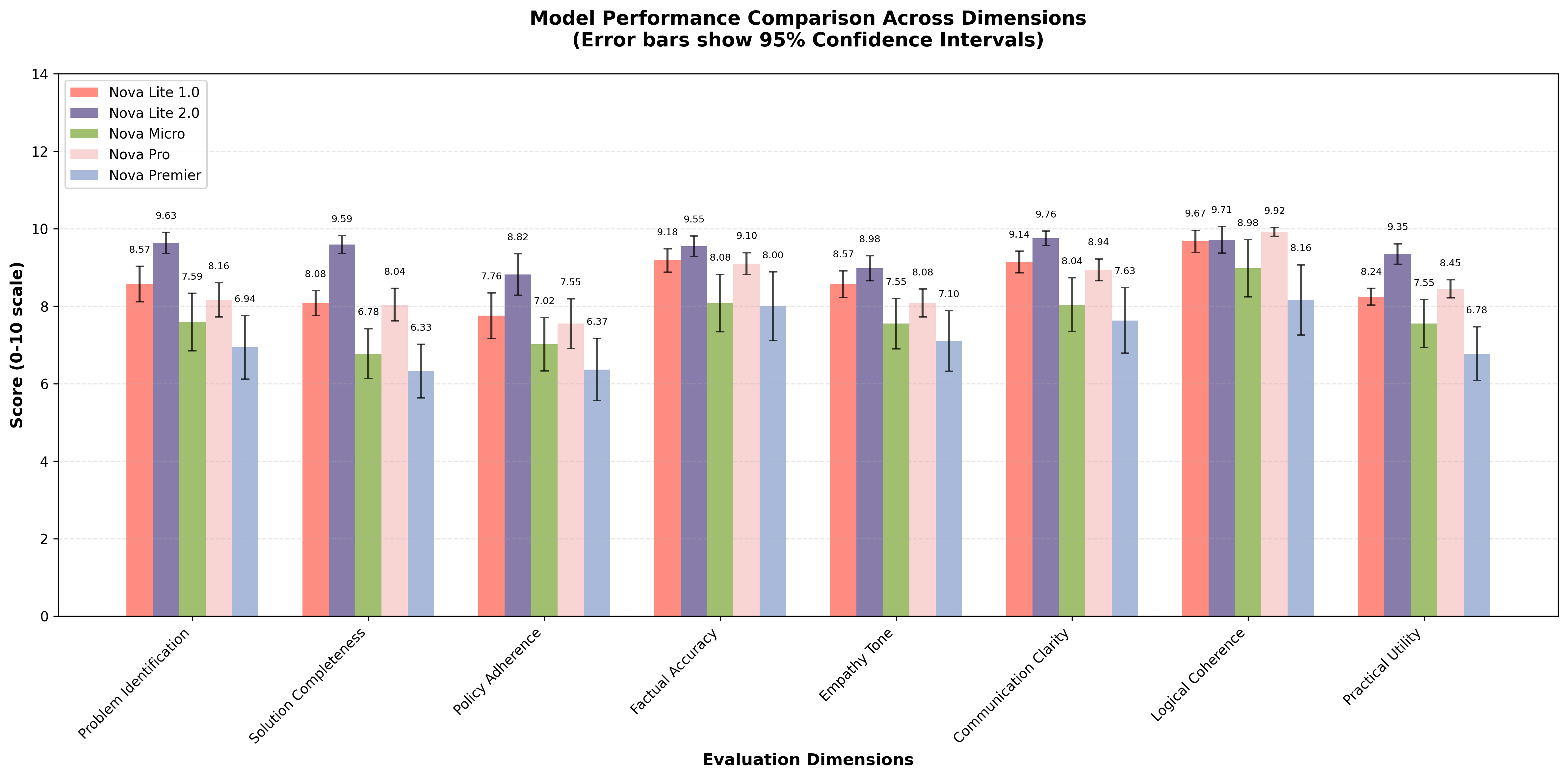
Amazon Nova Lite 2.0's AI reasoning excels in problem-solving, tone adaptation, and policy adherence, surpassing previous Nova models. Evaluation against various scenarios showcases improved reasoning quality and consistency, setting a new standard in AI capabilities.

The European Commission is investigating if Google's Gemini AI model, owned by Alphabet, is unfairly disadvantaging rival AI owners by using online content. EU assessing potential breach of competition rules in Google's AI practices.

Moonpig's sales increase by 6.7% to £169m, attributing success to AI-led features enhancing card design and customer personalization. Approximately half of purchases involve Moonpig's AI features, driving increased orders and spend per order at the online retailer.

Implementing singular value decomposition (SVD) in C# for matrix algebra. SVD used in machine learning algorithms like linear regression.

Teens in England and Wales turn to AI chatbots for mental health support amid long waiting lists for services. AI model ChatGPT offers safety, availability, and less intimidation for 40% of 13- to 17-year-olds affected by youth violence.
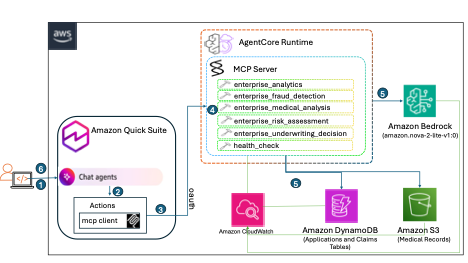
Insurance underwriting faces challenges with siloed data and regulatory requirements. Amazon Nova 2 Lite offers an enterprise-grade solution for unified data analysis and automated underwriting decisions.

Nine MIT affiliates, including Zongyi Li and Tess Smidt, named AI2050 Fellows by Schmidt Sciences, focusing on accelerating scientific breakthroughs in AI, astrophysics, biosciences, and more. Li's research on neural operator methods for scientific computing, while Smidt works on algorithms for physical systems at the intersection of physics, geometry, and machine learning.
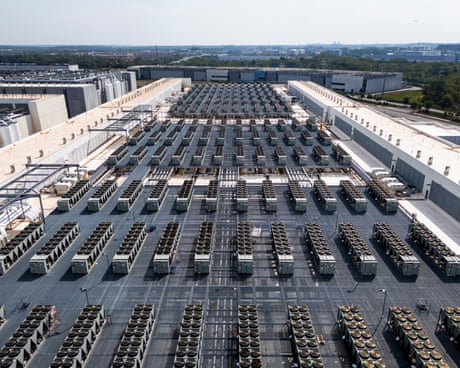
Over 230 environmental groups call for US Congress to stop new datacenters due to rising bills and climate impact. Greenpeace, Friends of the Earth, and others warn of energy-hungry facilities worsening the climate crisis.

Yvette Cooper warns of AI-manipulated videos on social media undermining support for Ukraine. UK foreign secretary calls for action against 'information warfare' aided by technology advances.
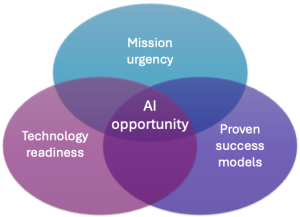
Amazon is investing up to $50 billion in AI infrastructure for US government agencies, delivering rapid, production-ready solutions. The Generative AI Innovation Center collaborates with public sector organizations to create targeted AI systems, such as supporting critical care for vulnerable children.

ChatGPT linked to US deaths, UK teens seek mental health advice. Response to suicidal message shows the impact of AI in crisis intervention.
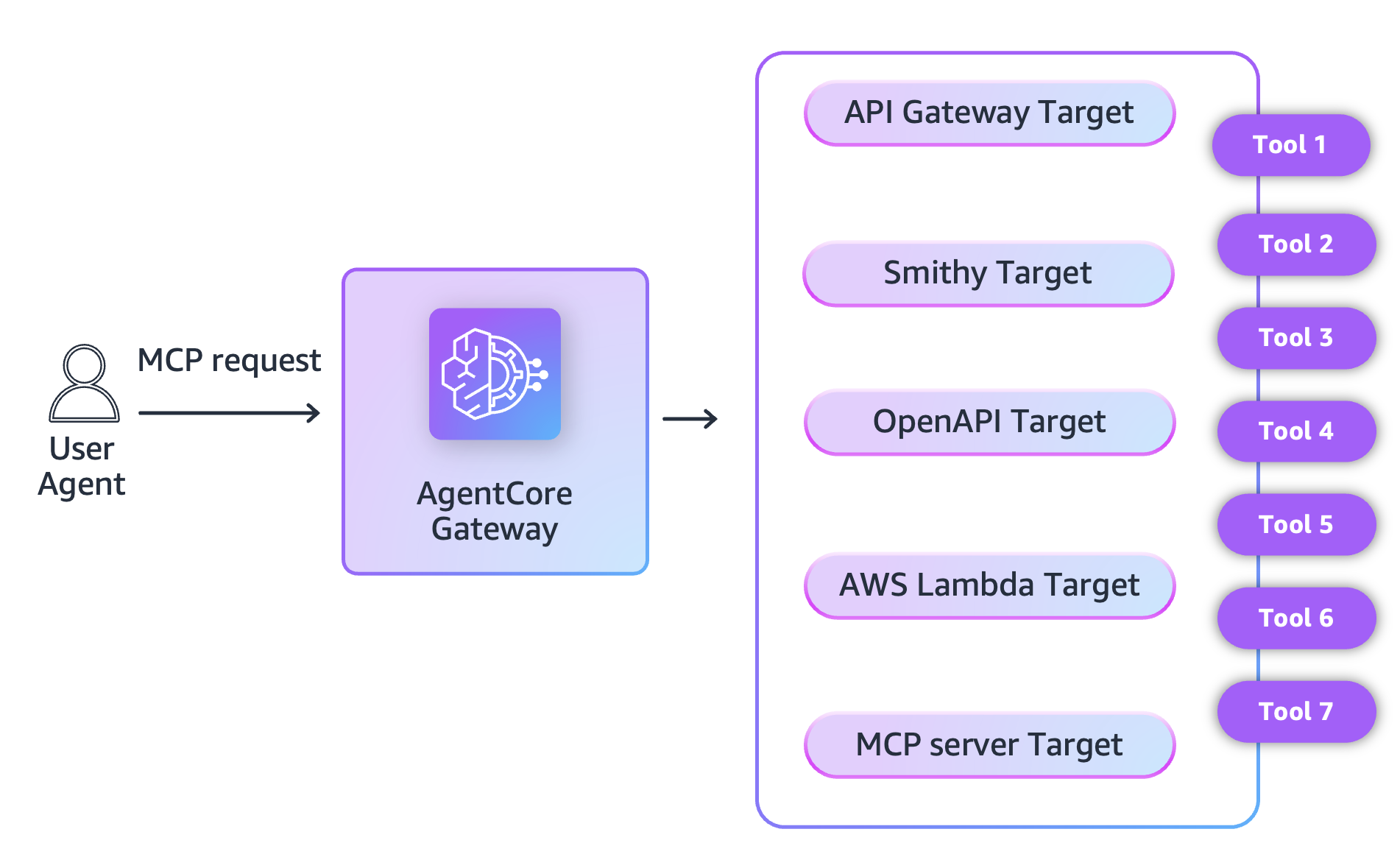
AgentCore Gateway now supports API Gateway, simplifying the connection between API Gateway and AgentCore Gateway for seamless integration with AI-powered systems. This integration allows REST API owners to easily expose their existing APIs to agentic applications using the Model Context Protocol (MCP).
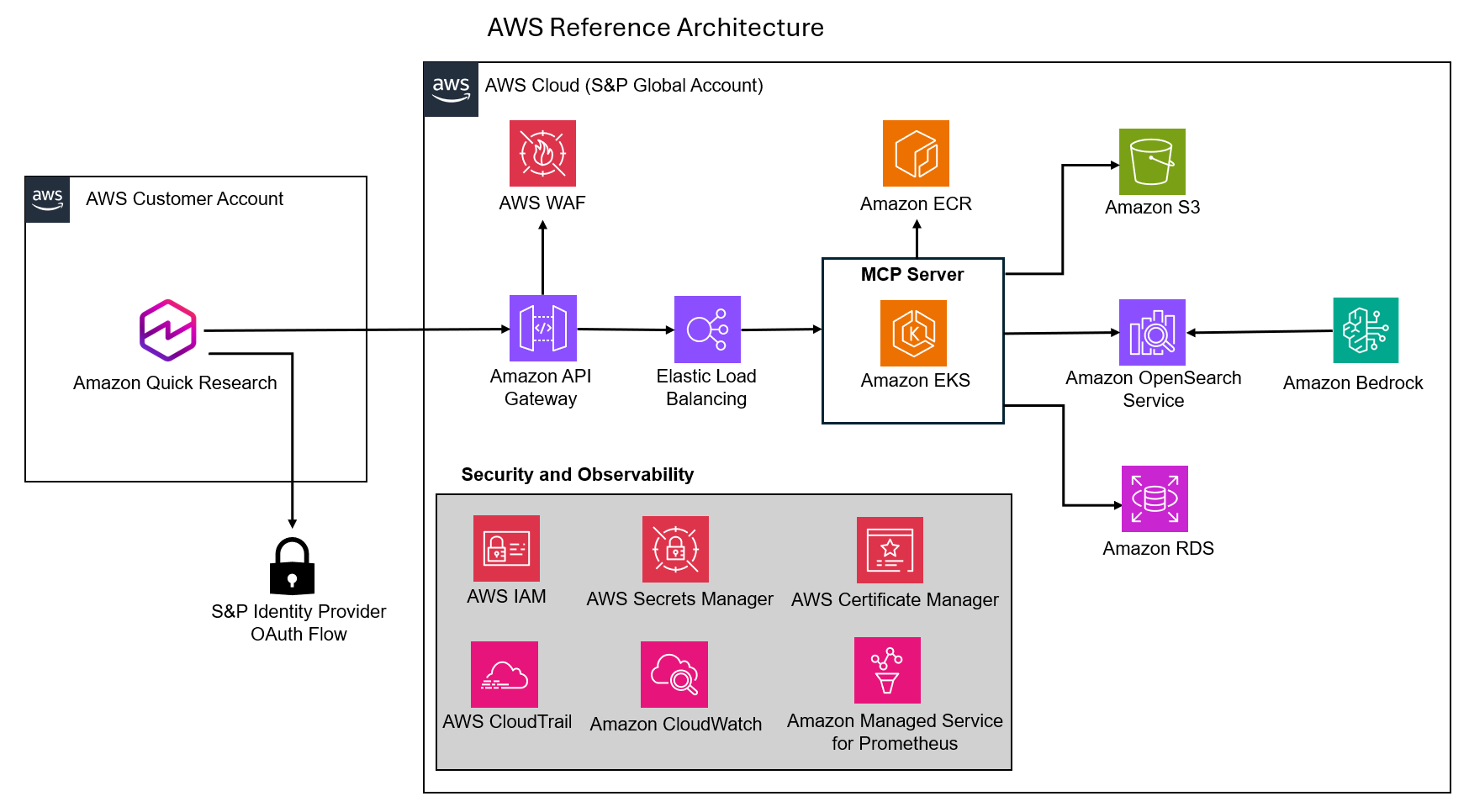
Amazon Quick Research and S&P Global have integrated to provide business professionals with global energy news, financial intelligence, and AI-powered insights in one workspace. S&P Global's AI Ready Data MCP server offers comprehensive commodity and energy market intelligence, transforming weeks of research into minutes of focused insight generation.
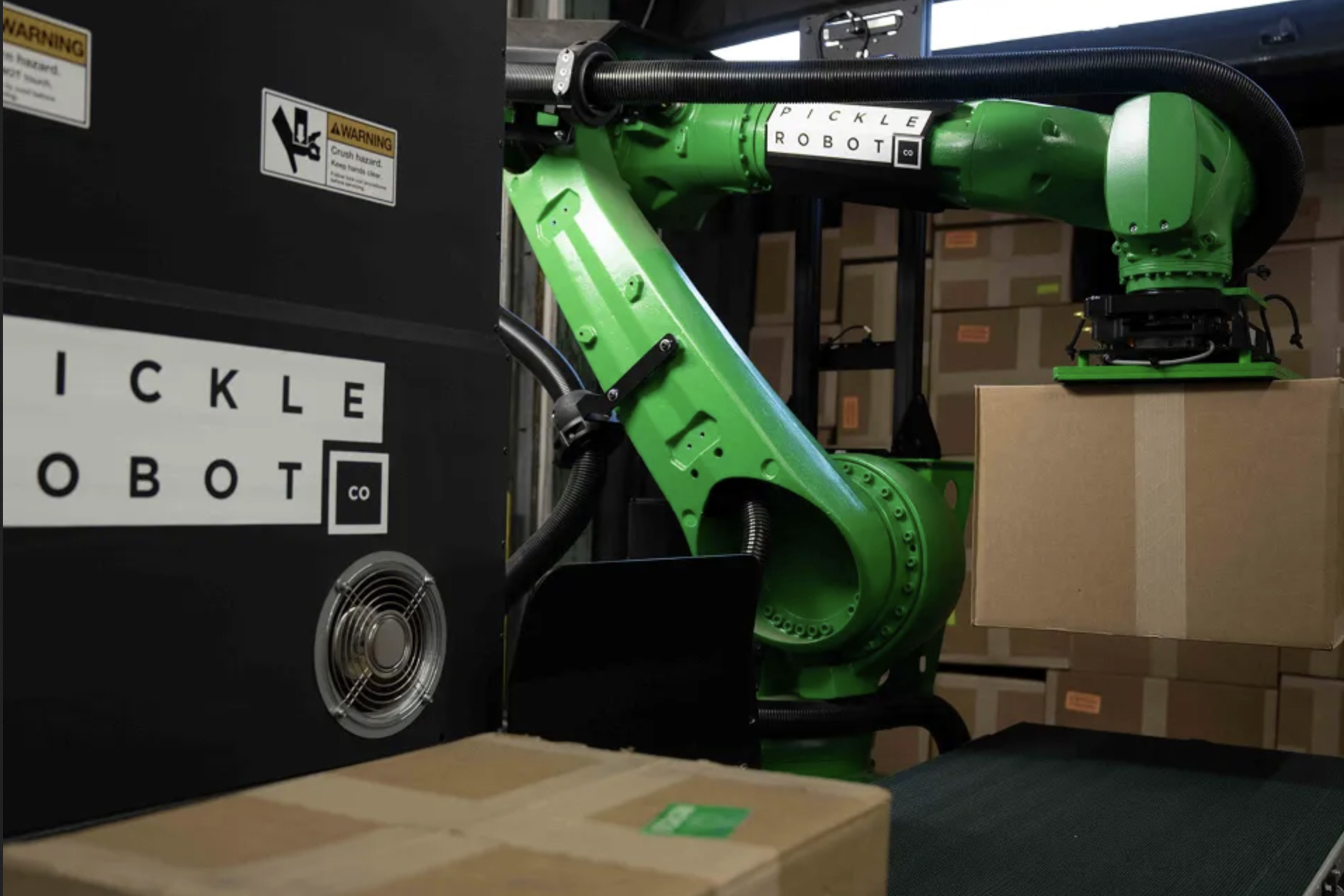
Pickle Robot Company's one-armed robots autonomously unload trailers, aiming to reduce warehouse injuries and improve efficiency. Founders Meyer and Eisenstein transitioned from consulting to robotics, using AI and machine learning to revolutionize supply chain automation.