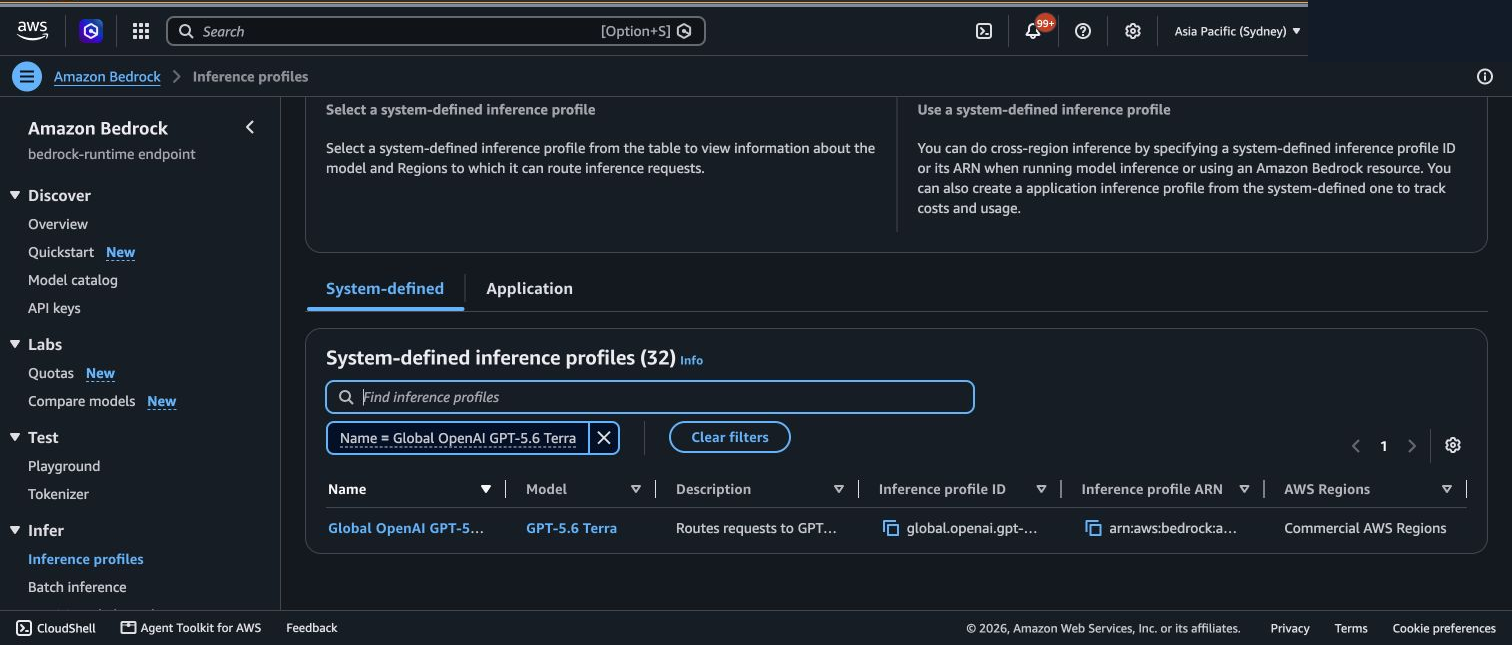
Australian teams can access OpenAI models via Amazon Bedrock, offering GPT-5.6 Sol, Terra, and Luna for diverse workloads. These models accept text and image inputs, with options for prompt caching and authentication setup for cost optimization.
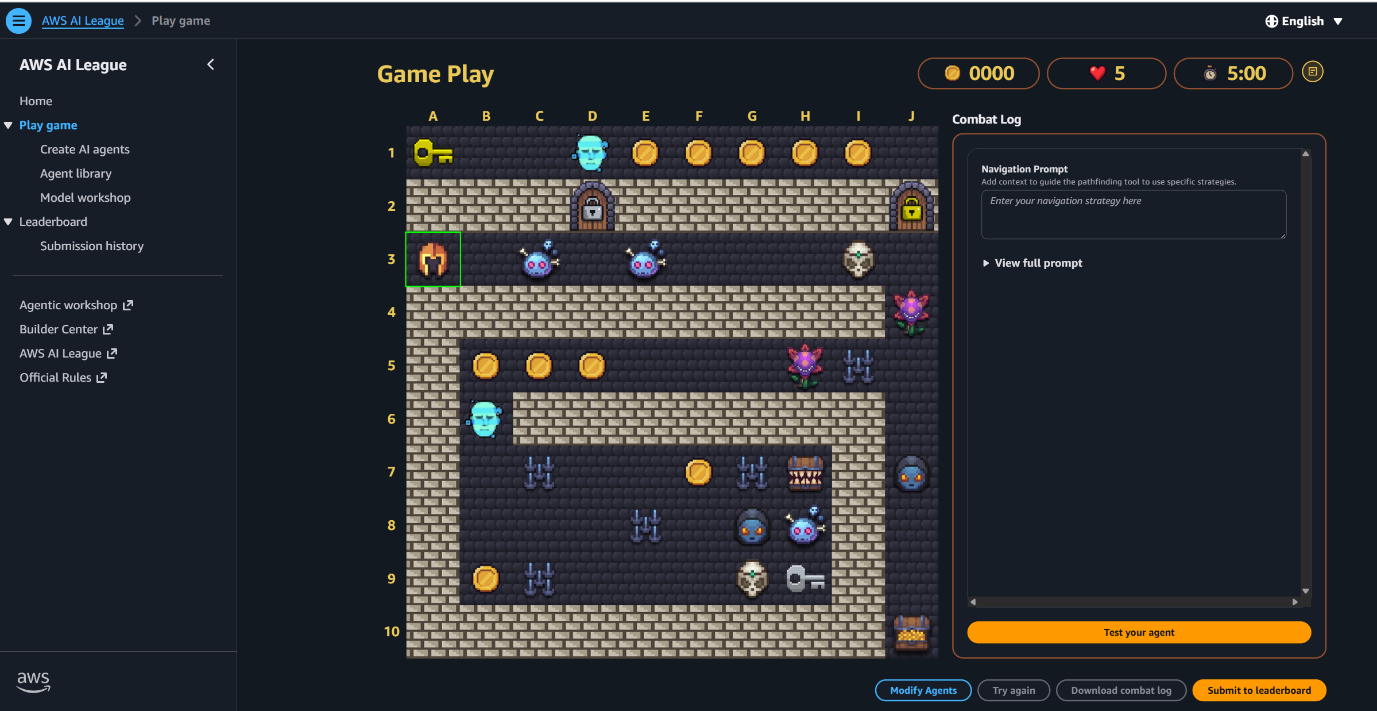
Atos partnered with AWS to upskill engineers in agentic AI through hands-on learning in the AI League format. Engineers built multi-agent systems and competed on a live leaderboard, using real AWS services for practical application and measurable outcomes.
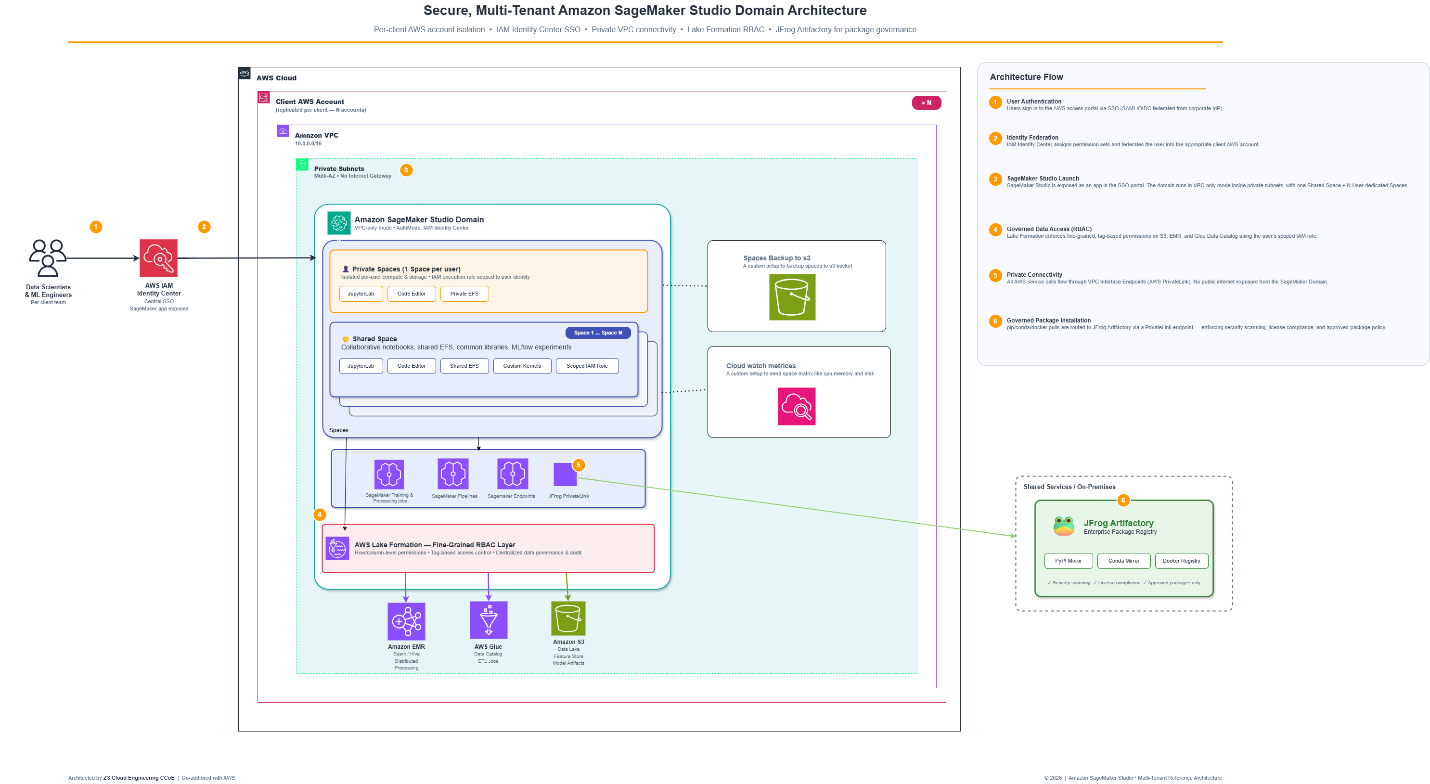
ZS Associates built a secure Amazon SageMaker platform for ad-hoc analytics, balancing agility with governance. The platform serves 1,000+ daily users across 200+ domains, integrating security standards for healthcare compliance and driving measurable business impact.
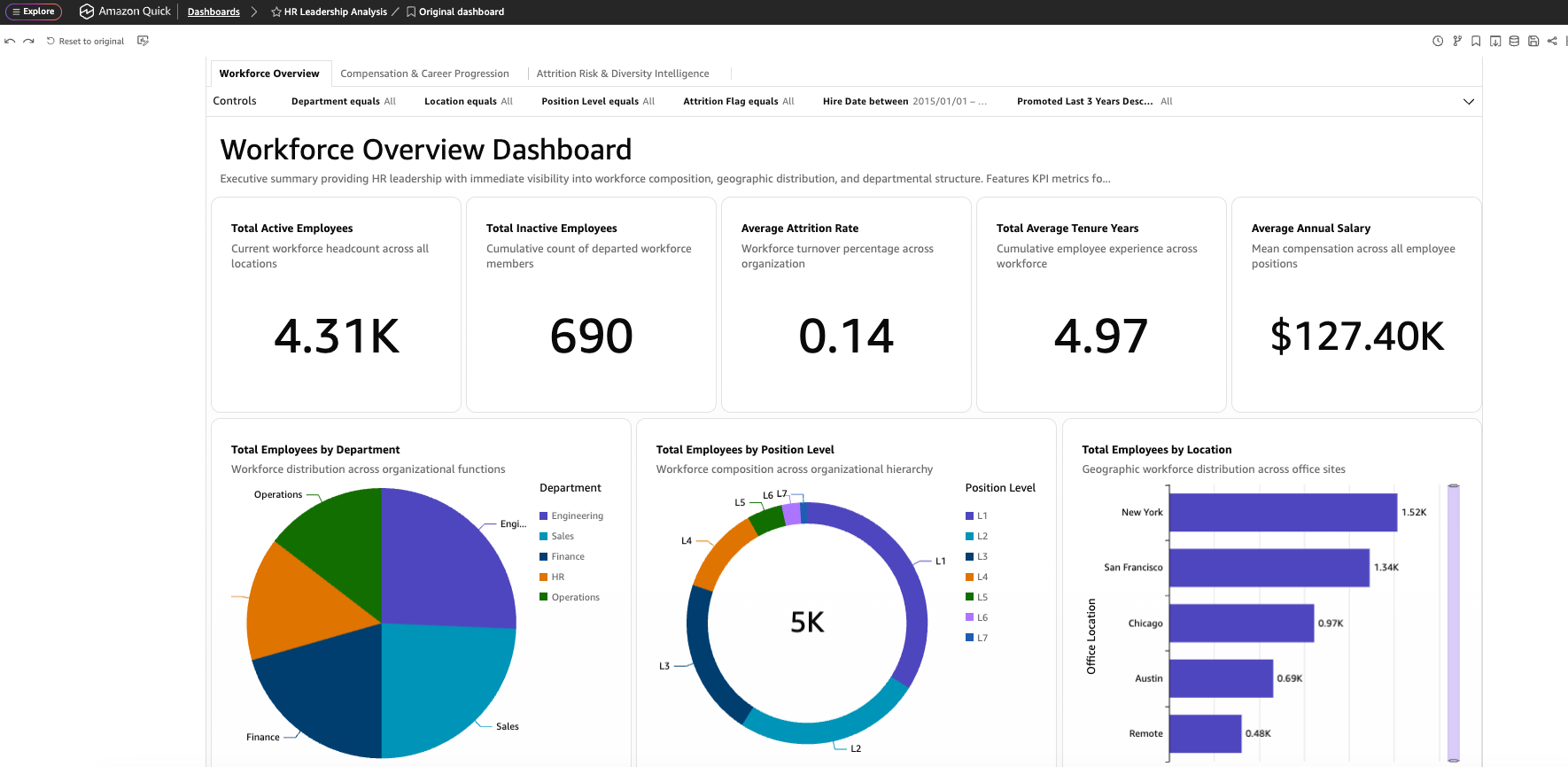
Amazon Quick simplifies POC success but faces security challenges when scaling. Solution includes Dashboards, Agents, and Flows for secure data sharing across departments at AnyCompany.

Walter Torous appointed executive director of MIT Center for Real Estate, focusing on tech and finance in real estate education. Torous aims to expand curriculum and engage alumni to train next-gen real estate leaders.

Anthropic releases Claude Fable 5.1 on Amazon Bedrock, featuring improved intelligence for coding and scientific research. Enterprise Frontier Safeguards offer secure deployment options for Anthropic's advanced models on AWS.

t54's Amazon Bedrock AgentCore platform enables autonomous agent payments with built-in controls, processing millions of transactions seamlessly. Their x402-secure product ensures safe payments by scoring endpoints in real time, revolutionizing AI agent payment governance.
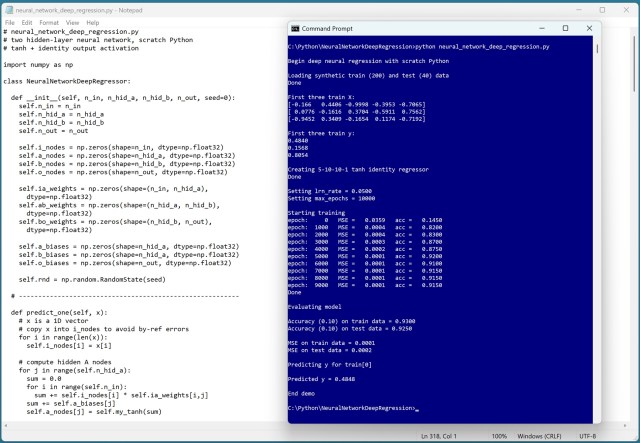
Author implemented a neural network regression system using Python with NumPy, demonstrating the challenges and successes of the process. Despite slow performance, utilizing two hidden layers often leads to better prediction models in practice.

Ila Kumar prioritizes community-based design in creating impactful technology, working with young people impacted by trauma to reimagine healing tools. She believes in designing technology that supports holistic well-being and is collaborating on projects to empower youth in their mental health journey.
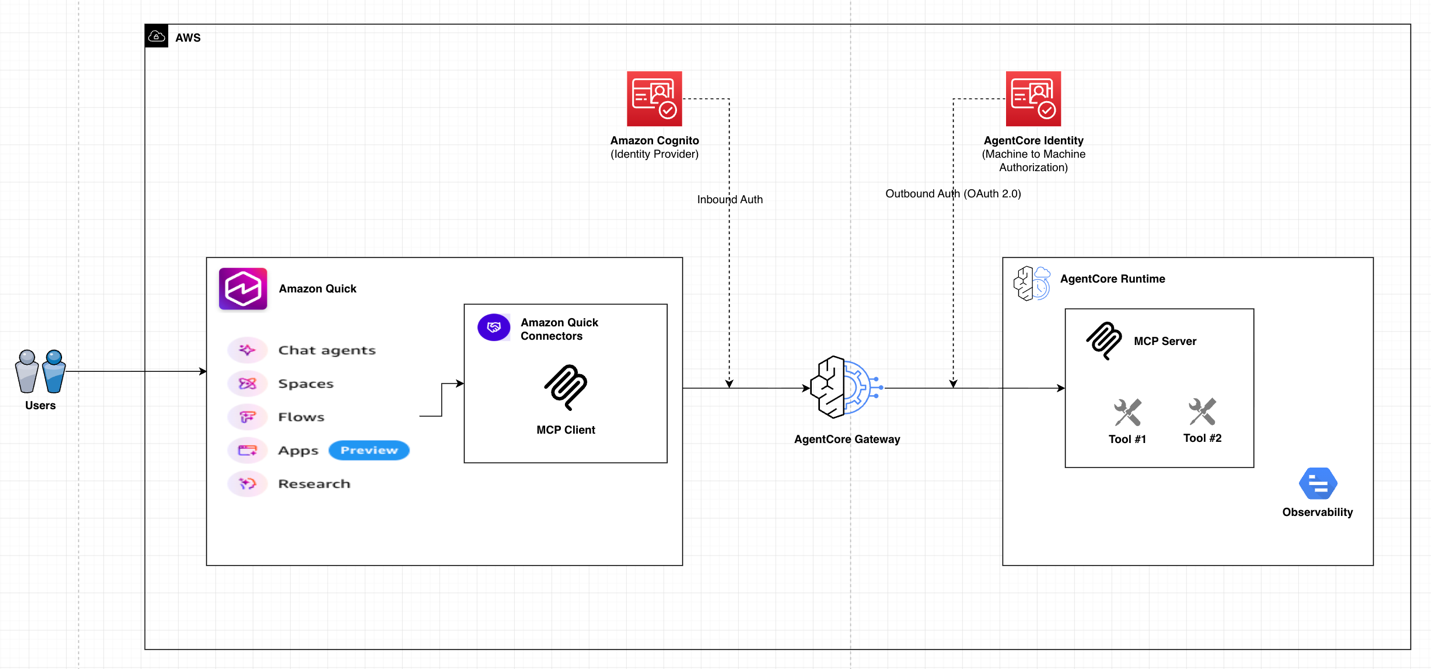
Model Context Protocol (MCP) servers enable AI agents to access external data and tools securely, reducing hallucinations. Amazon Quick integrates with MCP for autonomous execution and specialized AI sub-agent capabilities, promoting reusability in AI workflows.
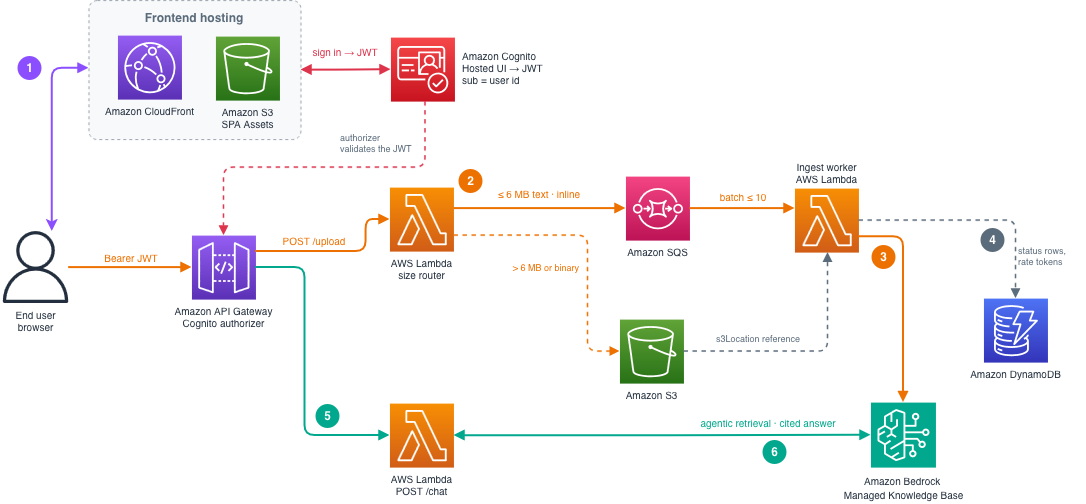
Large-scale customers are requesting multi-tenant agentic chat assistants, with document chat as a top priority. Amazon Bedrock Managed Knowledge Base simplifies complex infrastructure for building a secure, efficient document chat application with agentic retrieval capabilities.
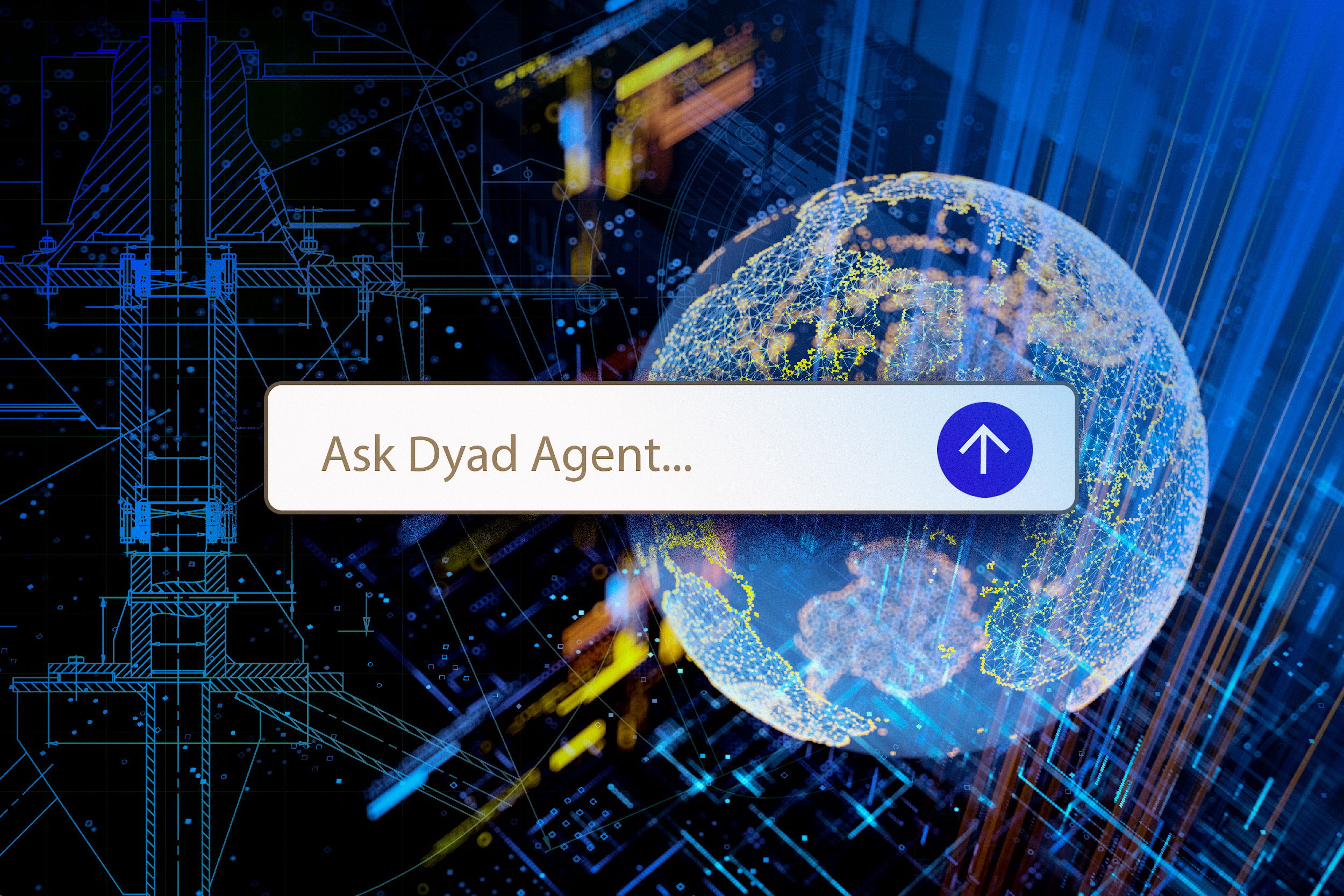
MIT researchers created Julia, a high-performance programming language for scientific research, data analysis, and modeling complex systems. JuliaHub, with over 1 million users, launched Dyad 3.0 AI platform for engineering teams to accelerate development of physical systems like rockets and satellites.

The MIT Quantum Initiative launches postdoctoral fellowship program to advance interdisciplinary quantum research. Fellows will explore quantum science's potential in various fields and collaborate with MIT's extensive quantum ecosystem.
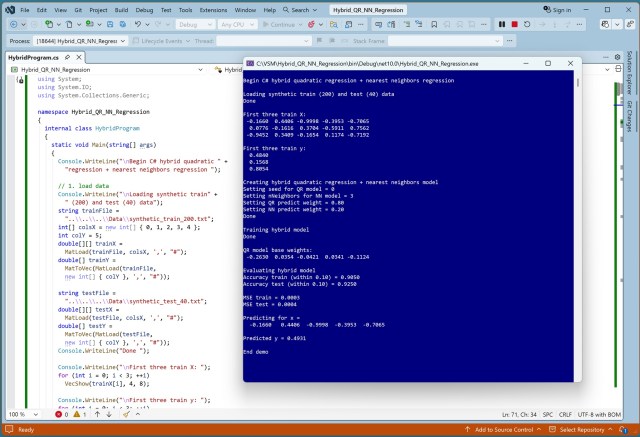
Combine quadratic regression with nearest neighbors to create a hybrid model for accurate predictions in regression analysis. By blending different regression techniques, such as linear, kernel ridge, and neural network regression, you can improve prediction accuracy while minimizing complexity.
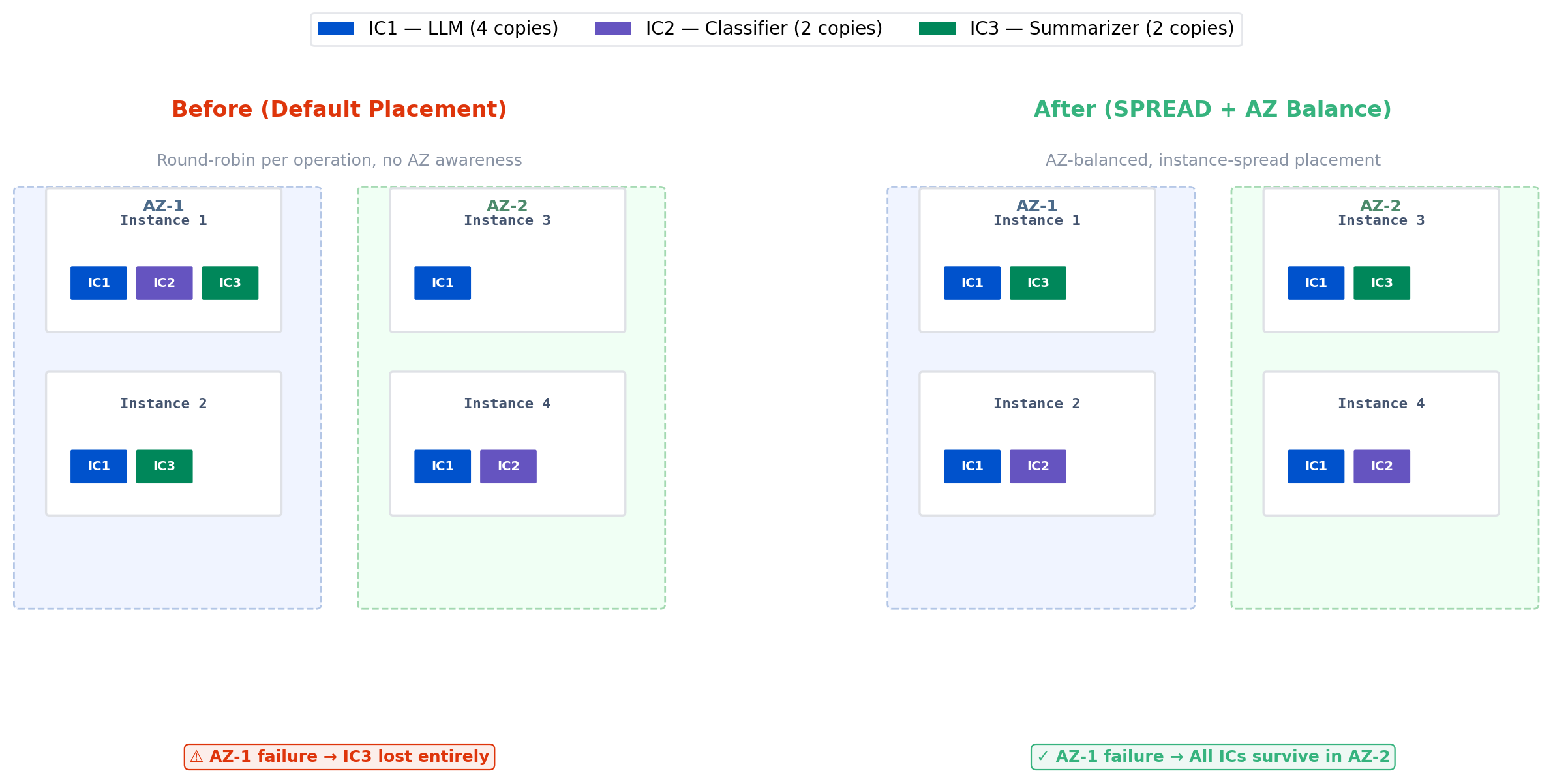
Salesforce optimized Agentforce with Amazon SageMaker ICs for an 8x cost reduction. By using the new IC Placement capability, they achieved Multi-AZ HA compliance.