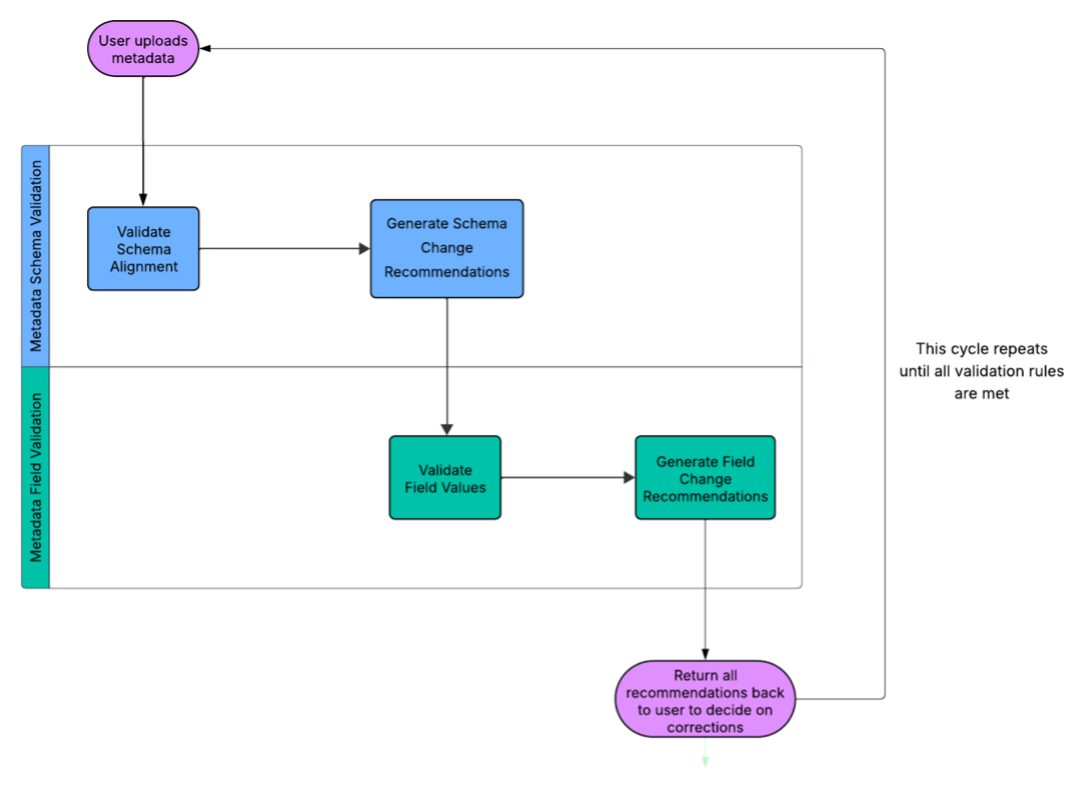
AI-powered metadata correction and harmonization addresses the widening gap between data production and standardization. The system offers automated schema alignment and correction recommendations, empowering researchers with control over metadata accuracy and integrity.

MIT engineers developed a tool, "Extreme Event Aware," that generates plausible extreme events without relying on past data. This method helps plan for unprecedented events, like Hurricane Katrina, occurring every 100 years.

AWS Agent Registry and ARD enable cross-environment agent discovery. Centralized catalog simplifies resource location and approval process for organizations.
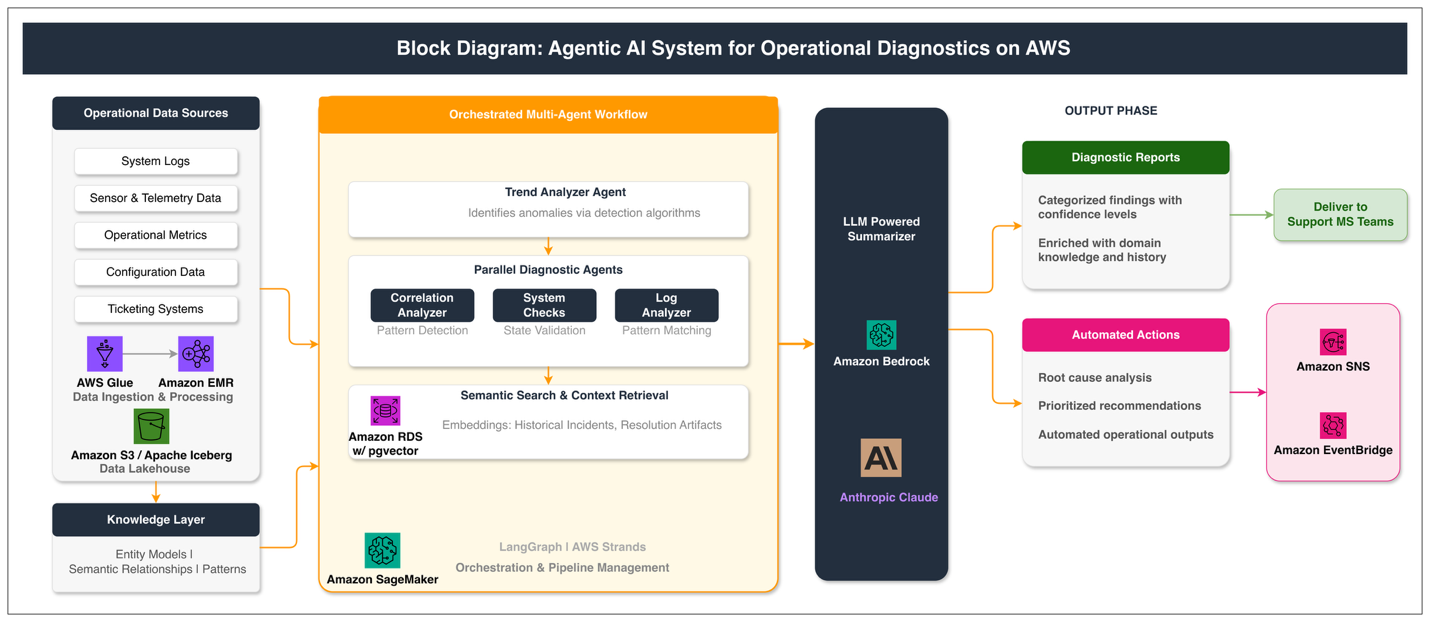
Panasonic Avionics Corporation partnered with AWS to develop an AI system for quicker diagnosis of in-flight entertainment system issues, reducing analysis time and enhancing accuracy. The solution uses Amazon Bedrock, Amazon SageMaker, and AWS Glue to optimize operational efficiency and engineering productivity at scale.
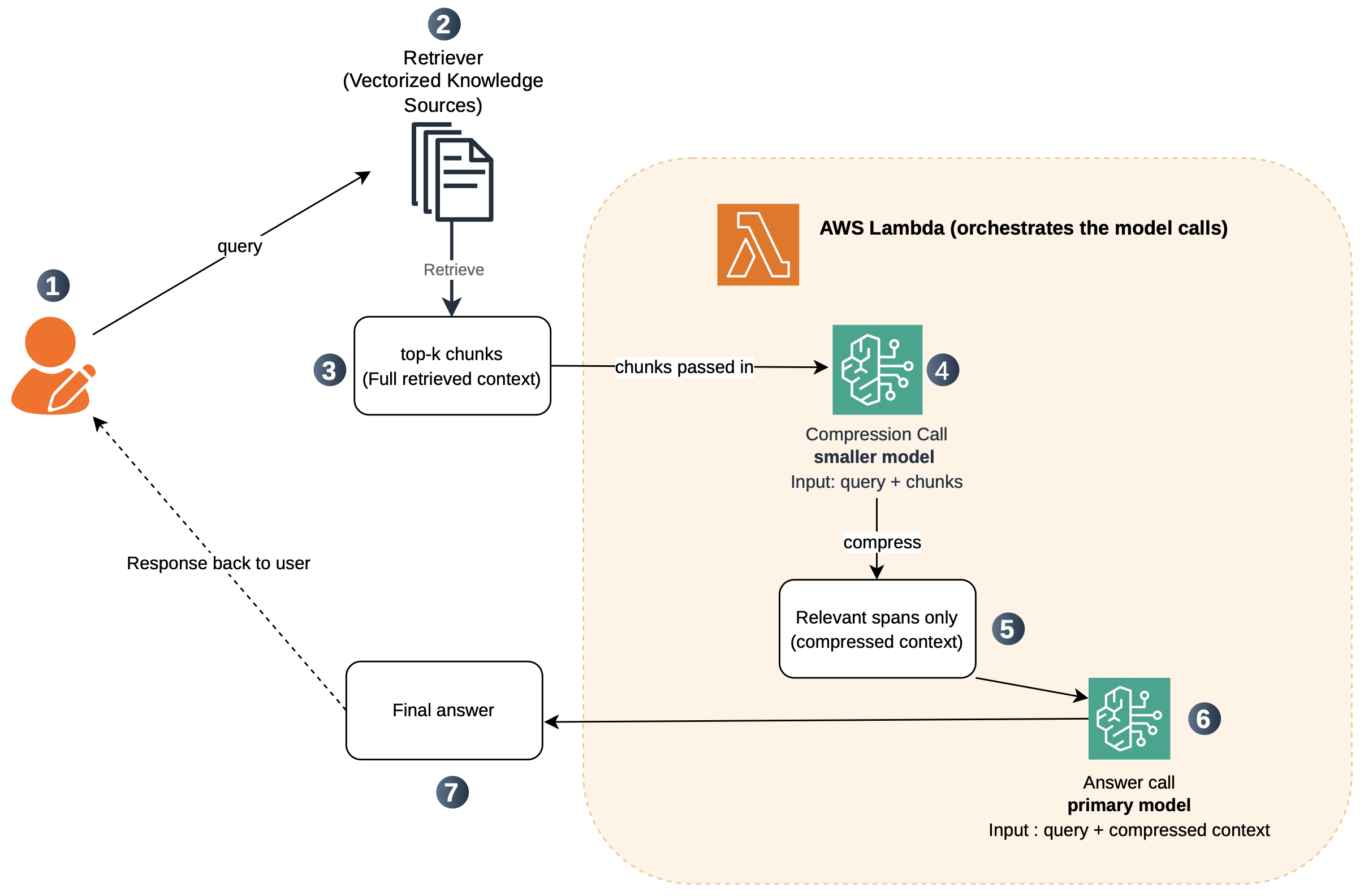
Query-aware compression reduces input tokens for Amazon Bedrock's RAG applications, optimizing cost-performance tradeoff. By filtering irrelevant context before final answer call, builders achieve significant cost savings while maintaining answer quality.
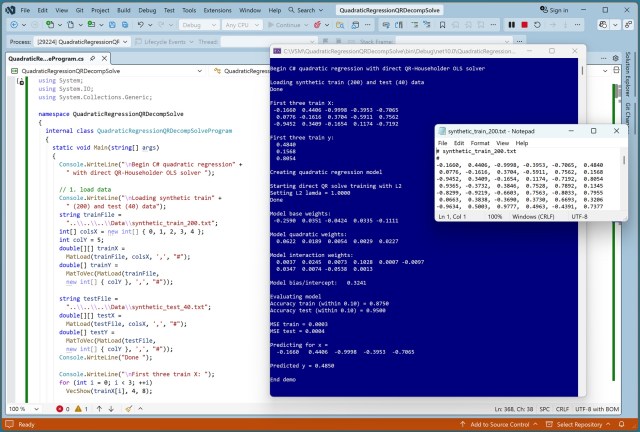
Machine learning quadratic regression uses QR-Householder OLS solver for accurate predictions. L2 regularization boosts accuracy to 95%.

Ammonia production is vital but energy-intensive. MIT researchers are developing catalysts for sustainable electrochemical production.
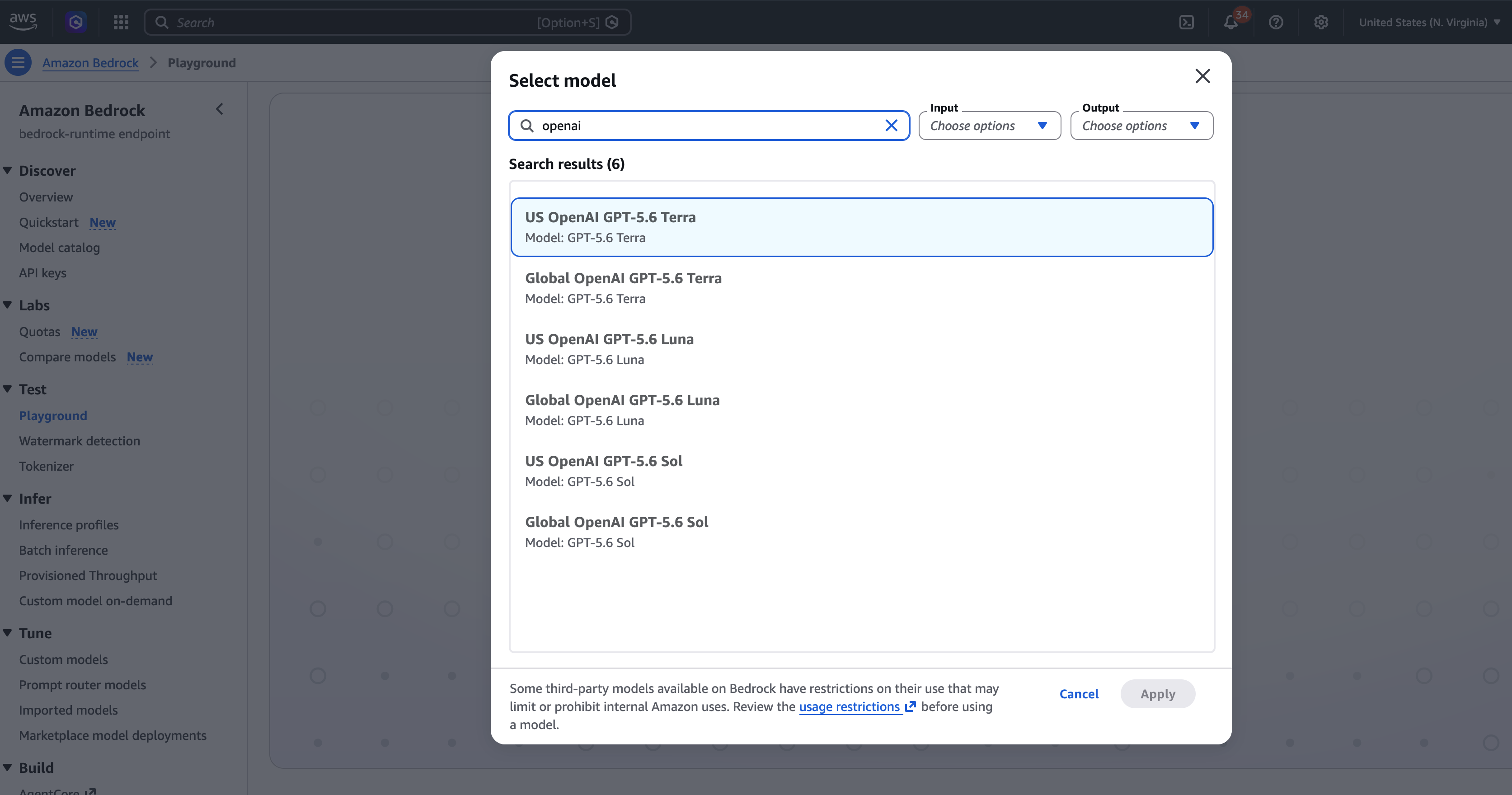
Amazon Bedrock now offers OpenAI GPT-5.6 with cross-Region inference, improving throughput and performance. Three variants - Sol, Terra, and Luna - cater to different capability and cost balances, supporting geographic and global inference profiles for scalable AI processing.
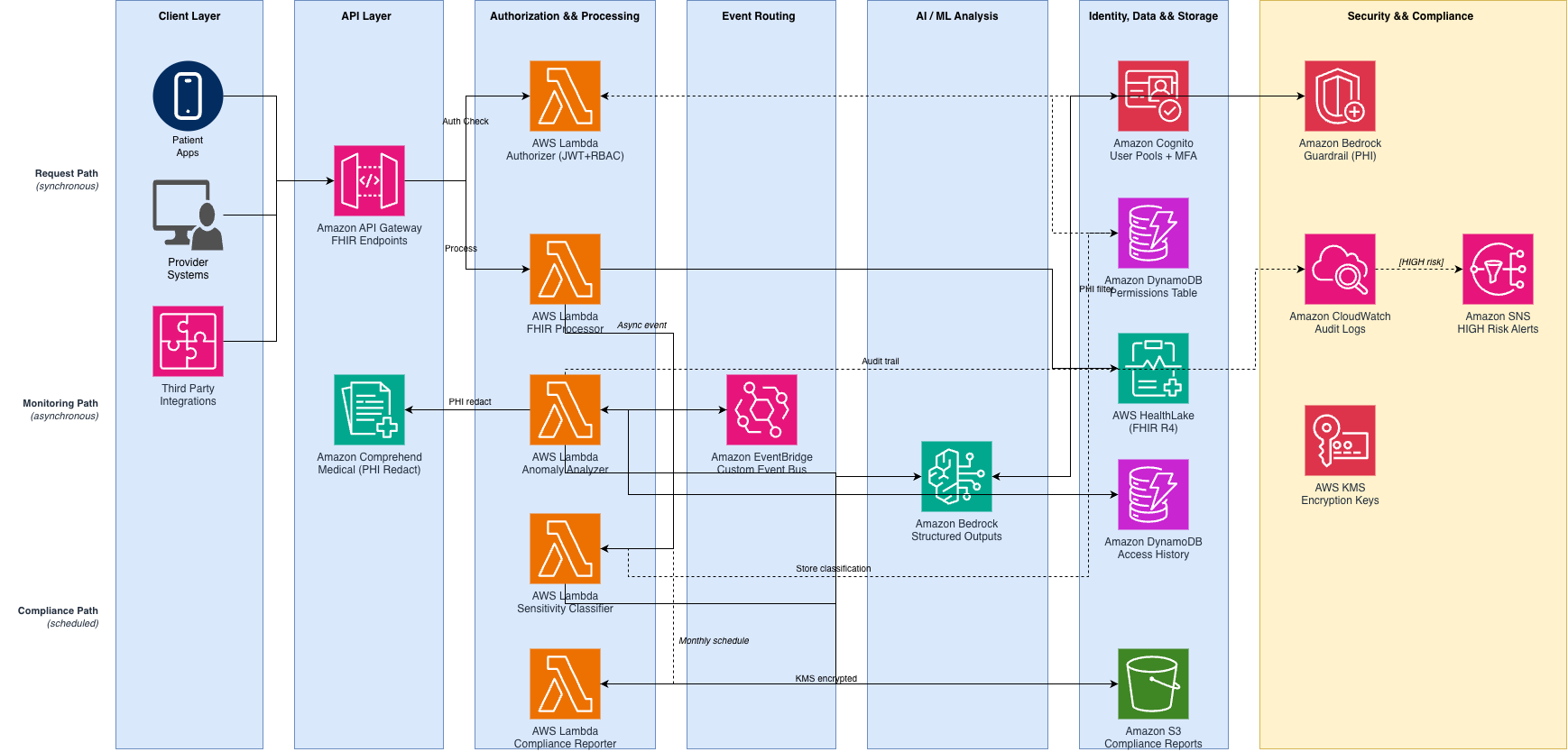
Amazon Bedrock offers intelligent security for FHIR APIs by monitoring access patterns and automating data sensitivity classification. The solution includes anomaly detection, natural language compliance reports, and utilizes AWS services like Lambda, API Gateway, and HealthLake.
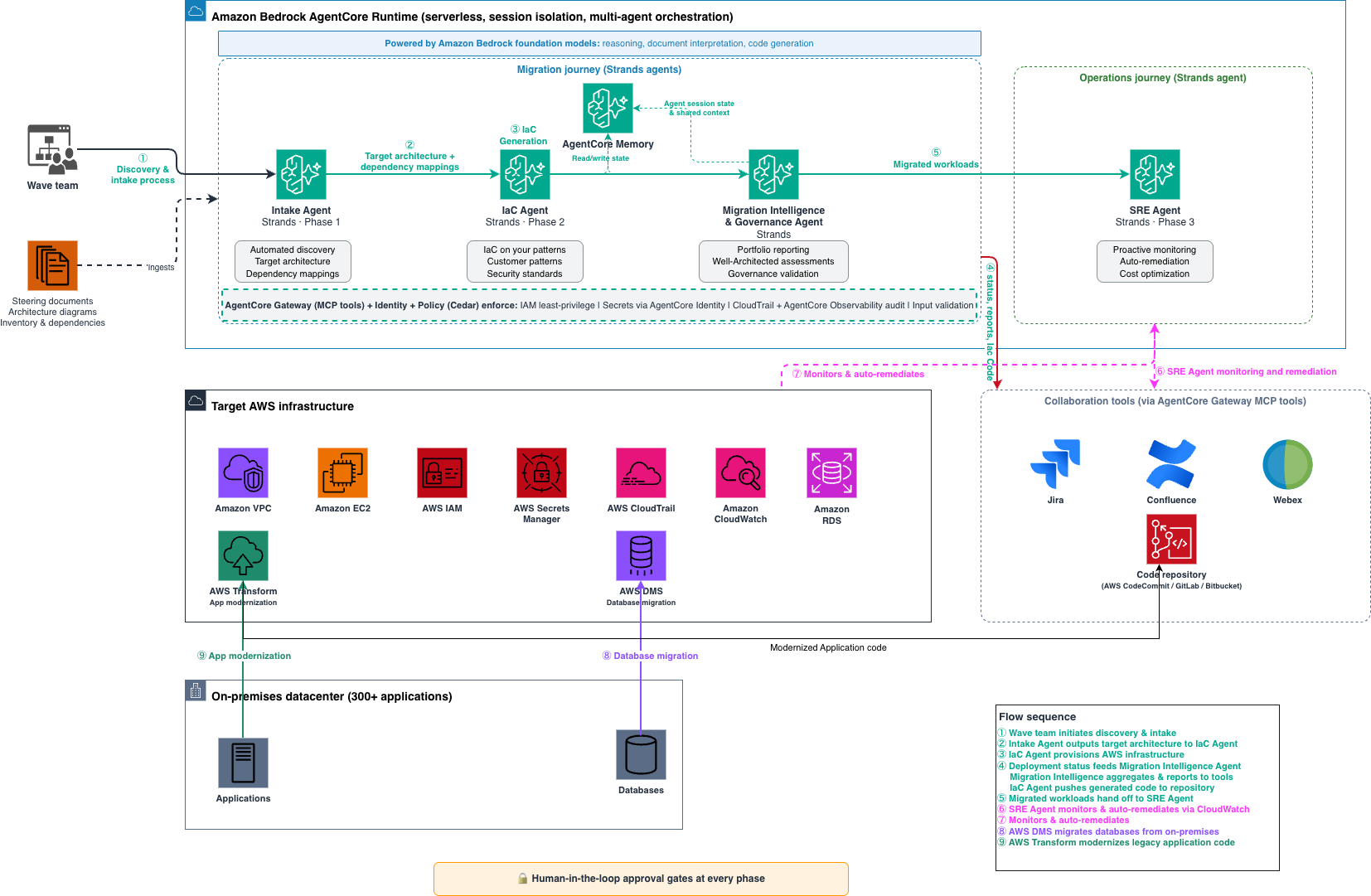
AgentCore by Amazon Bedrock uses agentic AI to streamline cloud migrations. It reduces IaC development time from weeks to minutes for over 300 applications. The framework includes four agents for automated discovery, IaC generation, governance, and proactive operations.

Amazon Bedrock AgentCore now offers Policy, enabling teams to implement controls on AI agents to align with organizational policies and regulatory constraints. The new capabilities include enforcing restrictions like rate limiting and sequential ordering of tool calls using the open source governance language Dogwood.
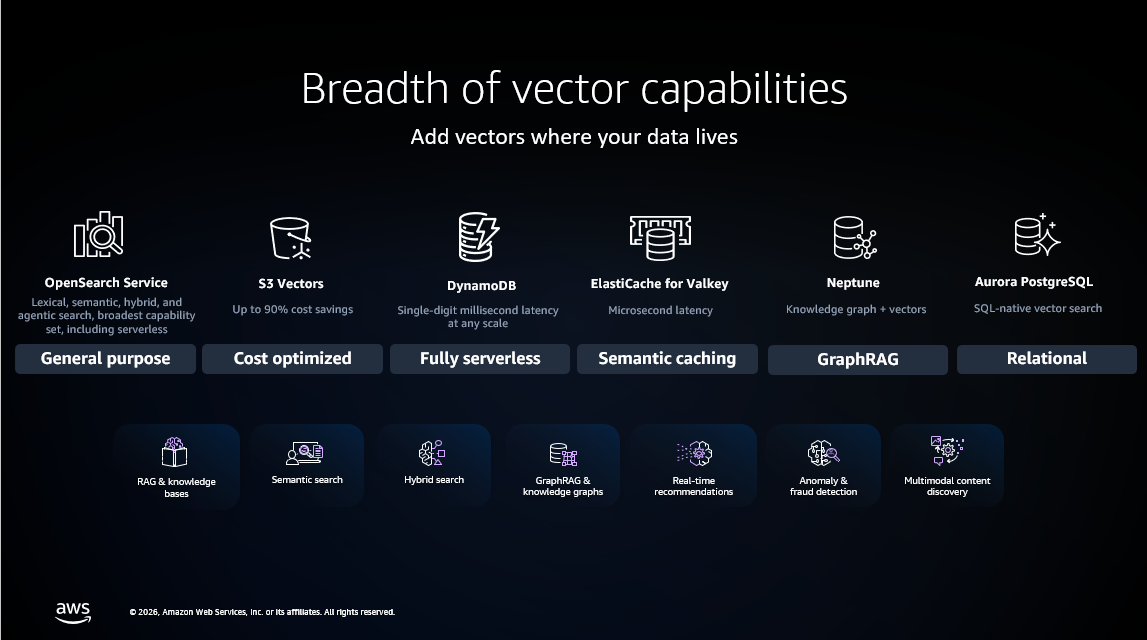
Agentic AI relies on vector search for accurate, contextual knowledge retrieval across various data sources. Vectors enable semantic search, anomaly detection, and personalized recommendations, revolutionizing AI applications.
AI Hallucinations occur when AI models output incorrect information as fact, sparking new business opportunities. Preventing hallucinations with retrieval-augmented generation is crucial for industries like finance, law, and healthcare.
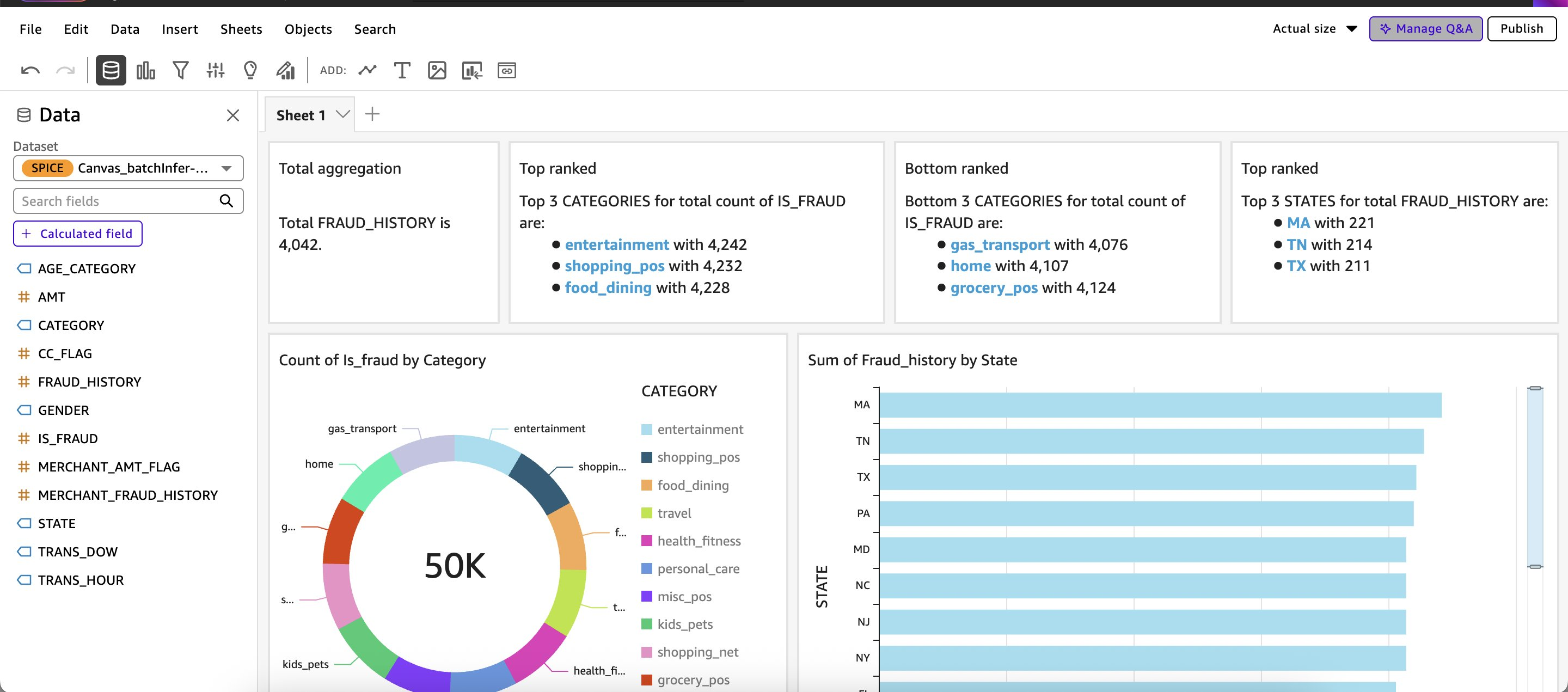
Part 3 of the series integrates Amazon SageMaker Canvas predictions with Amazon Quick Sight to create interactive fraud detection dashboards. Amazon Quick Sight offers generative BI capabilities for deep data analysis and natural language insights.
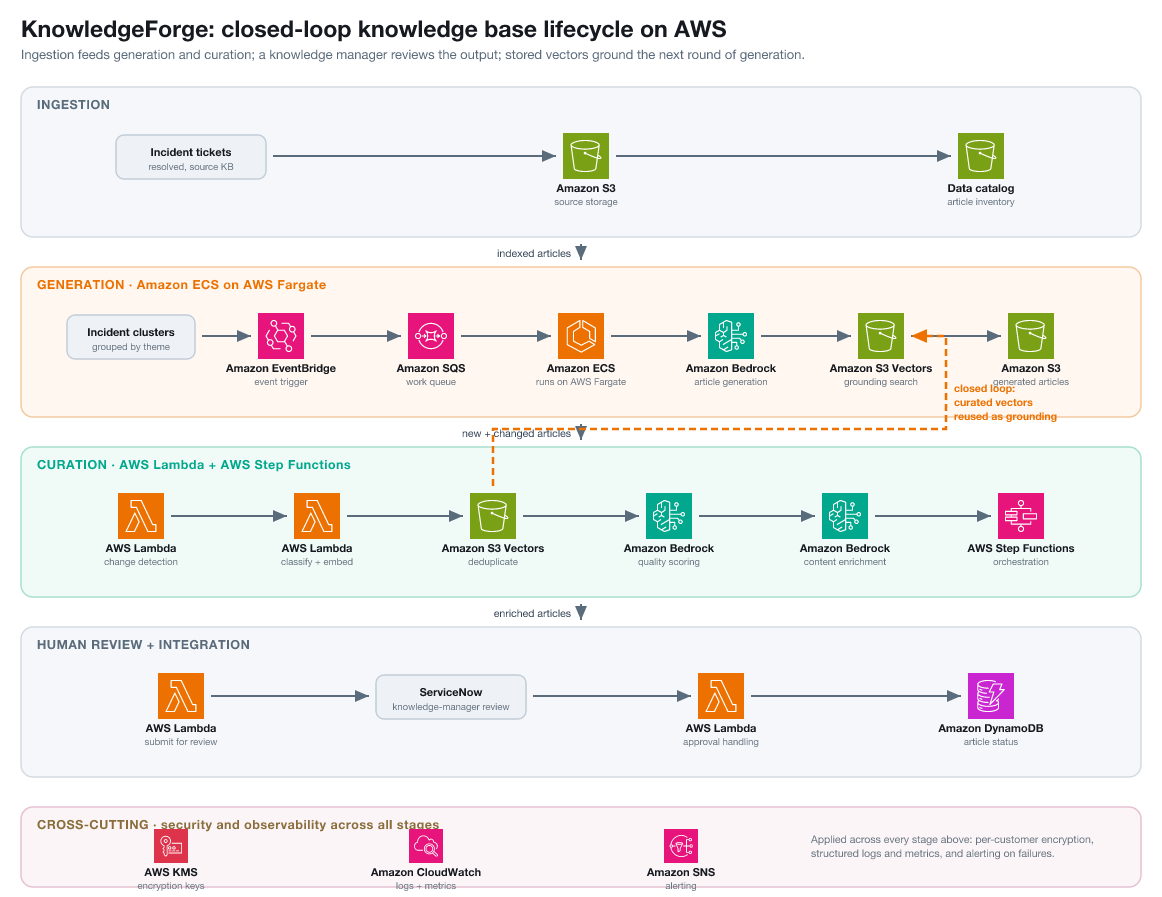
KnowledgeForge mines ITSM resolved incident tickets for valuable knowledge, while curating and improving the existing messy knowledge base. Built on AWS, it uses Amazon Bedrock, S3 Vectors, and Step Functions for efficient document processing and AI generation.