

Geoffrey Hinton and John Hopfield awarded 2024 Nobel prize for pioneering artificial neural networks inspired by the brain. Their work revolutionized AI capabilities with memory storage and learning functions mimicking human cognition.

AI chatbots can steer people away from conspiracy beliefs, according to Thomas Costello's study. The power of artificial intelligence to promote truth is explored in this intriguing research.

Nearest Neighbor Regressor simplifies predicting continuous values using KD Trees and Ball Trees efficiently. A visual guide with code examples for beginners, focusing on construction and computation.

Solving LinkedIn Queens game using backtracking & linear equations for quick solutions in less than 0.1 seconds. Linear equations provide a faster alternative to backtracking for solving the game's constraints.
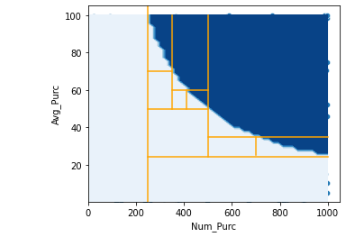
FormulaFeatures is a tool for creating interpretable models by automatically engineering concise, highly predictive features. It aims to improve the accuracy and interpretability of models like decision trees, enhancing visibility into predictions.

Dozens of neo-Nazis are shifting from Telegram to SimpleX Chat, backed by Twitter founder Jack Dorsey. Extremist groups fear Telegram's privacy policies, seeking anonymity on the secretive app.

Enhance RAG workflow by chunking data for optimal results with GPT-4 models. Short, focused inputs yield better responses, balancing performance and efficiency.
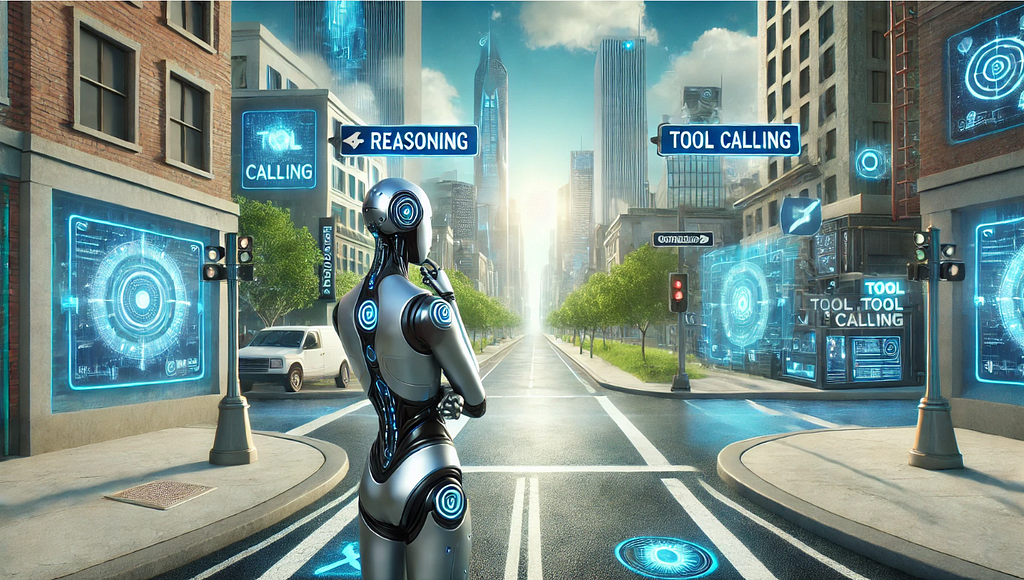
New AI agents excel in problem solving by reasoning and tool-driven decision making, showcasing impressive abilities beyond conversational tasks. Expressions of reasoning through evaluation and planning, as well as tool use, are key components in creating powerful AI solutions, with some models surpassing human accuracy on various benchmarks.
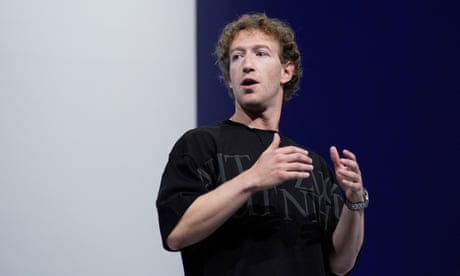
Meta, owner of Facebook, unveils Movie Gen AI model for creating realistic video and audio clips to rival competitors. Samples show animals swimming, people painting using their real photos in the clips.
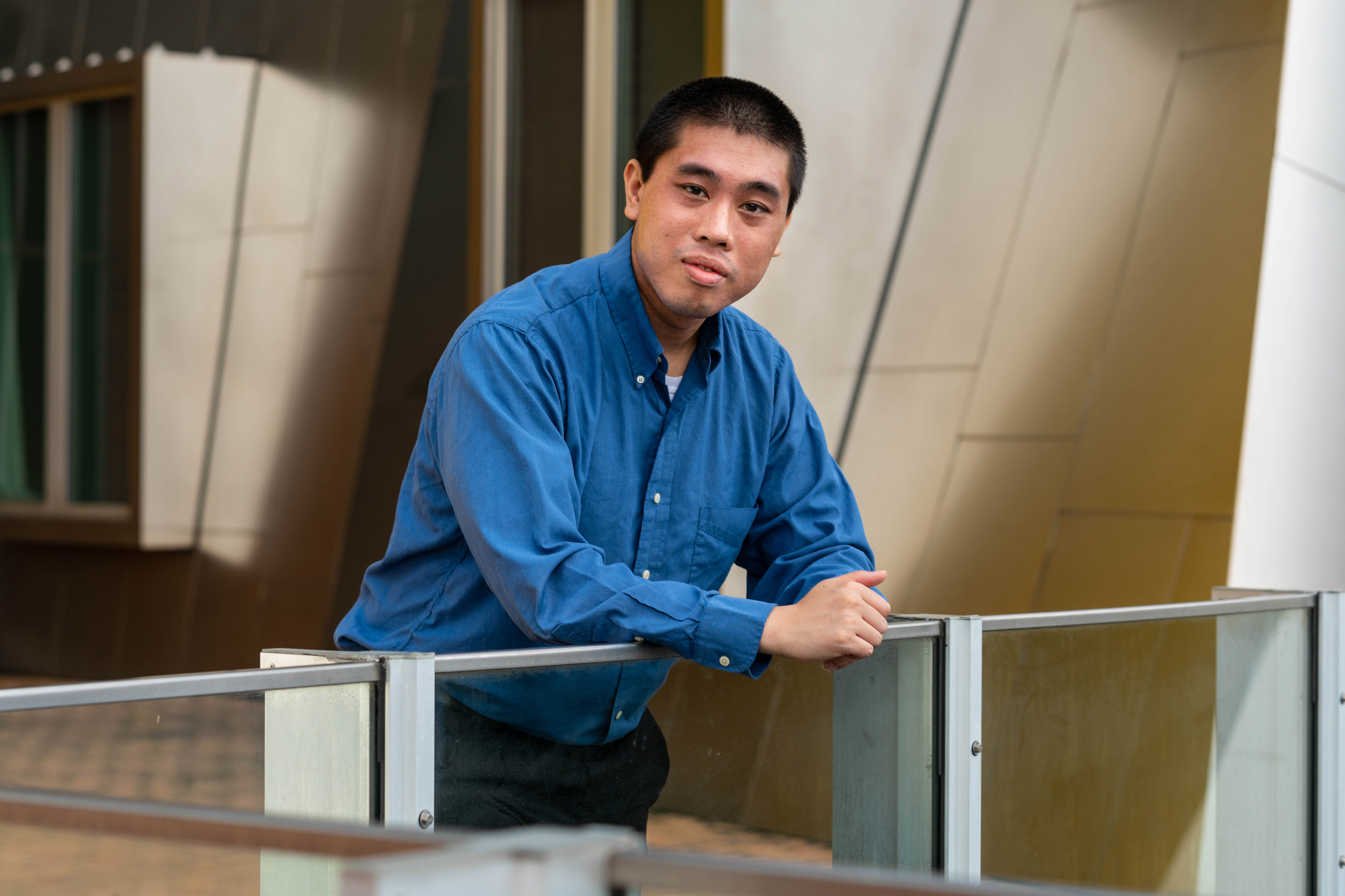
Computer scientist Julian Shun designs graph algorithms to analyze invisible connections efficiently, revolutionizing online recommendation systems. Shun's user-friendly frameworks leverage parallel computing for rapid analysis of massive networks, enhancing search engines and fraud detection.

Retrieval augmented generation (RAG) combines information retrieval & language generation for accurate responses. RAG techniques are diverse, tailored to specific challenges & use cases, evolving beyond a one-size-fits-all approach.

Universities embrace generative AI for academic use, avoiding plagiarism. Student uses ChatGPT to anticipate interview questions accurately.
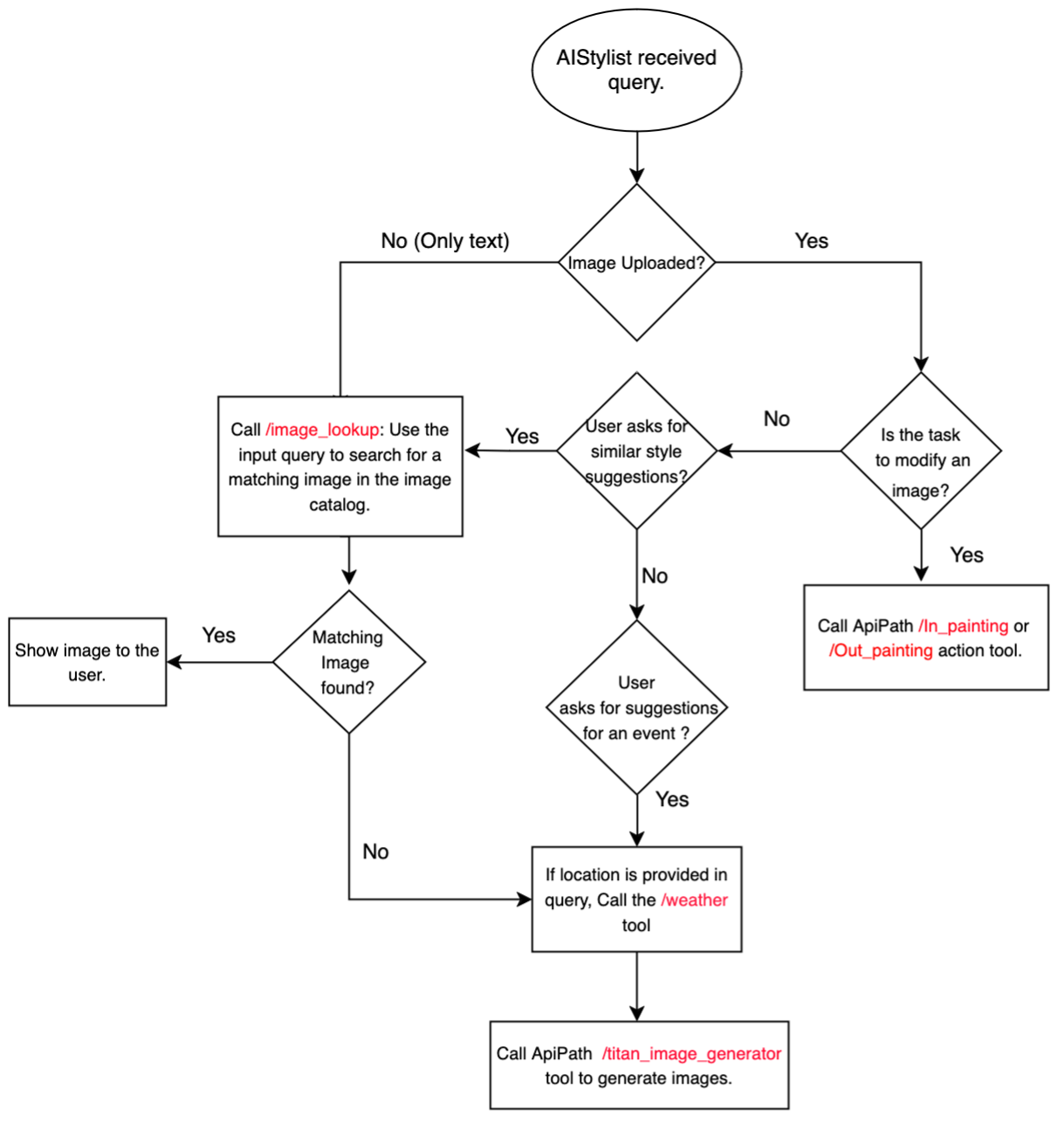
Agents simulating human actions paired with Amazon Titan models create personalized, multimodal fashion experiences. Customers can interact in natural language, receive outfit recommendations, and generate visual inspirations seamlessly.

Climate Central warns US sea levels could rise 12in by 2050 due to warming. AI predicts frequent floods if current pace continues.
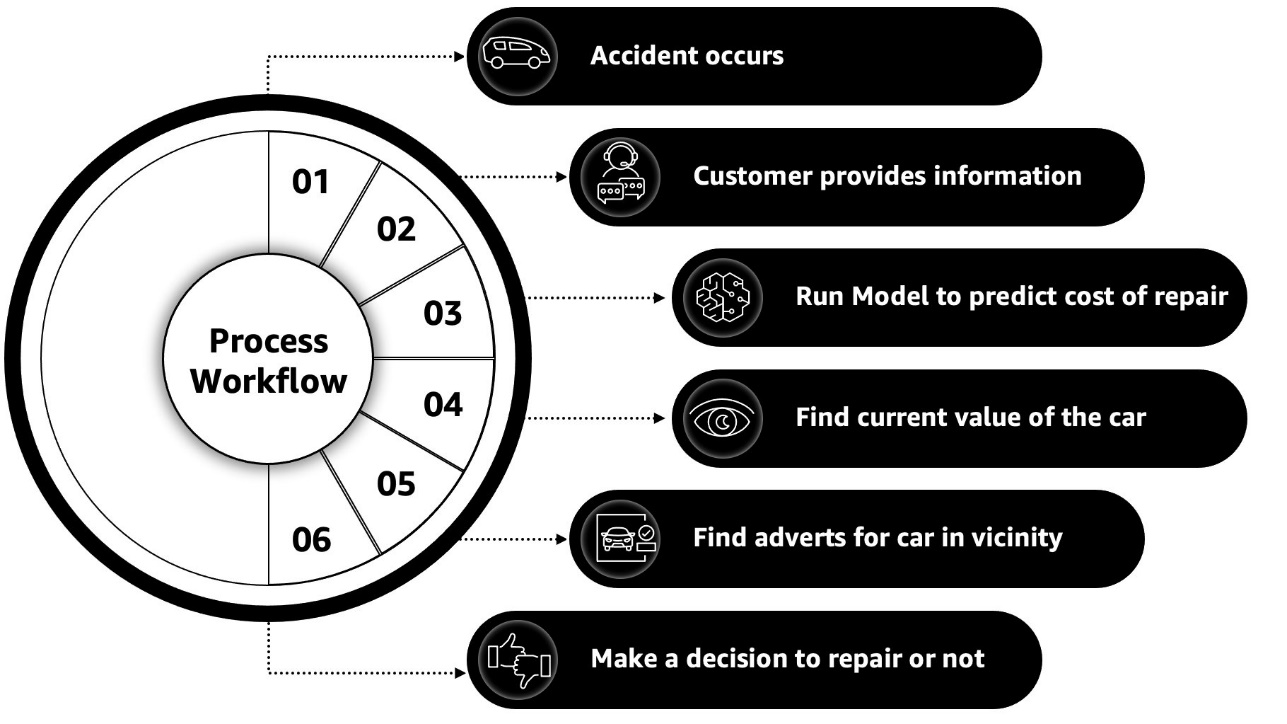
Aviva, a top insurance company, implements a serverless MLOps platform with AWS and Amazon SageMaker to streamline ML model deployment and monitoring. By automating ML processes, Aviva aims to enhance customer experience and handle increasing claim volumes efficiently.