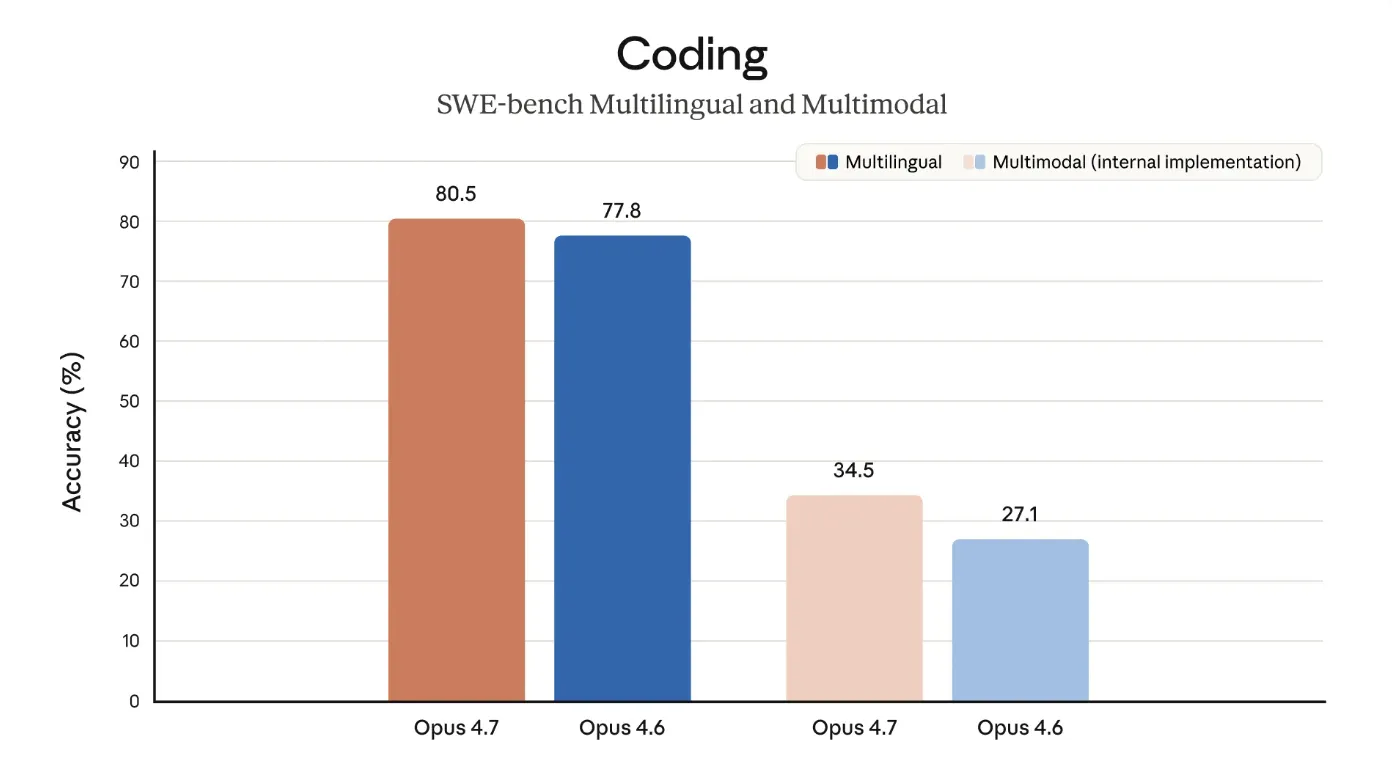
Anthropic launches Claude Opus 4.7, enhancing AI for developers with advanced software engineering and improved vision capabilities. Opus 4.7 autonomously verifies outputs, boosts coding benchmarks by 13%, and offers 3× the resolution for complex tasks, setting a new standard in AI models.
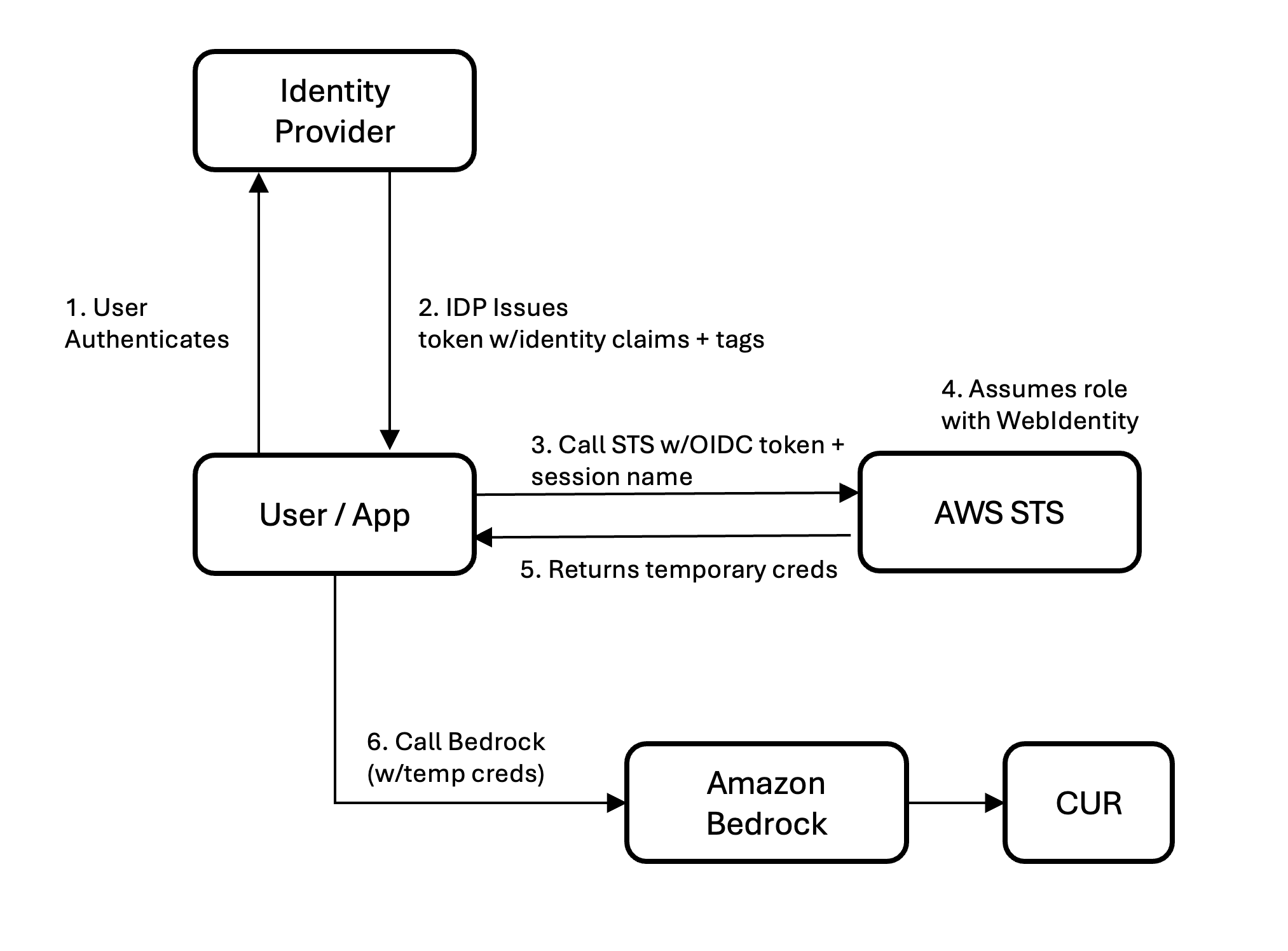
Amazon Bedrock now offers granular cost attribution, automatically assigning inference costs to IAM principals like IAM users, roles, or federated identities from providers like Okta. Cost allocation tags allow for easy aggregation by team, project, or custom dimension in AWS Cost Explorer and CUR 2.0, simplifying financial planning and optimization.

MIT Associate Professors Jacob Andreas and Brett McGuire win the 2026 Harold E. Edgerton Faculty Achievement Award for groundbreaking work in natural language processing and astrochemistry. Andreas' innovative research bridges foundational theory with real-world impact in language learning and AI.
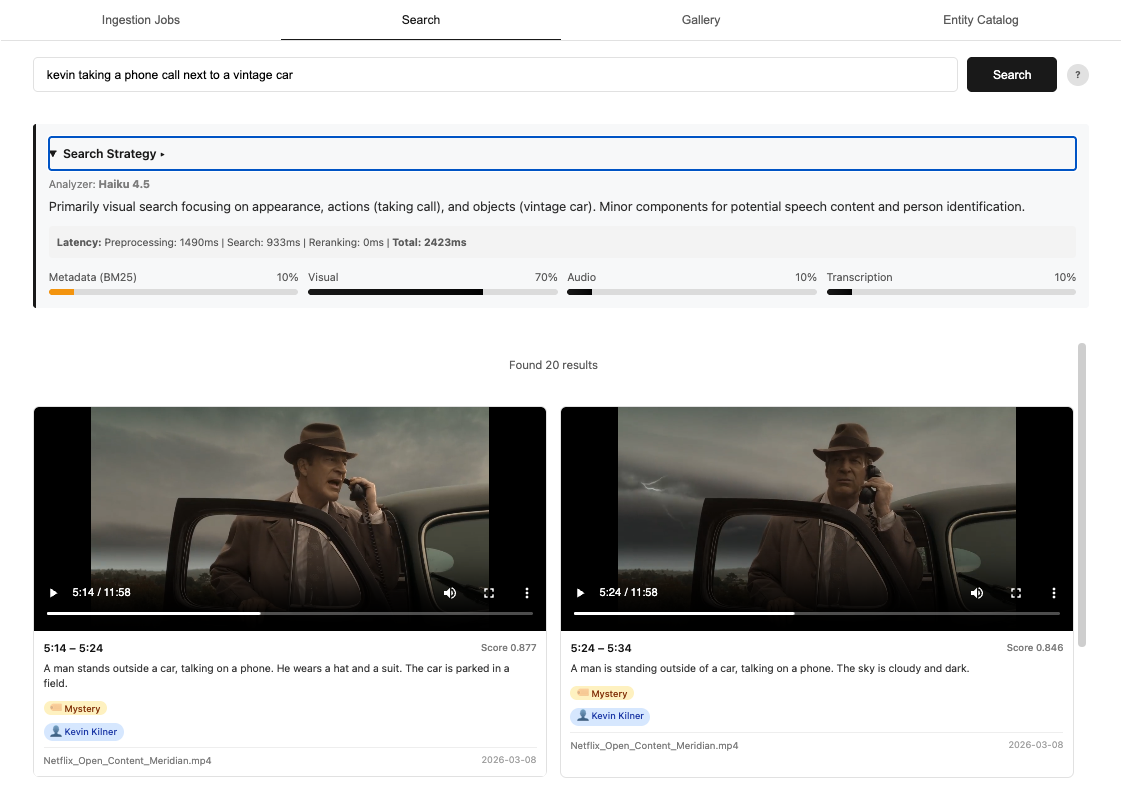
Video semantic search is transforming content delivery across industries by enabling fast, accurate access to specific moments in video. Amazon Nova Multimodal Embeddings offers a unified model that processes text, images, video, and audio into a shared semantic vector space, delivering leading retrieval accuracy and cost efficiency.
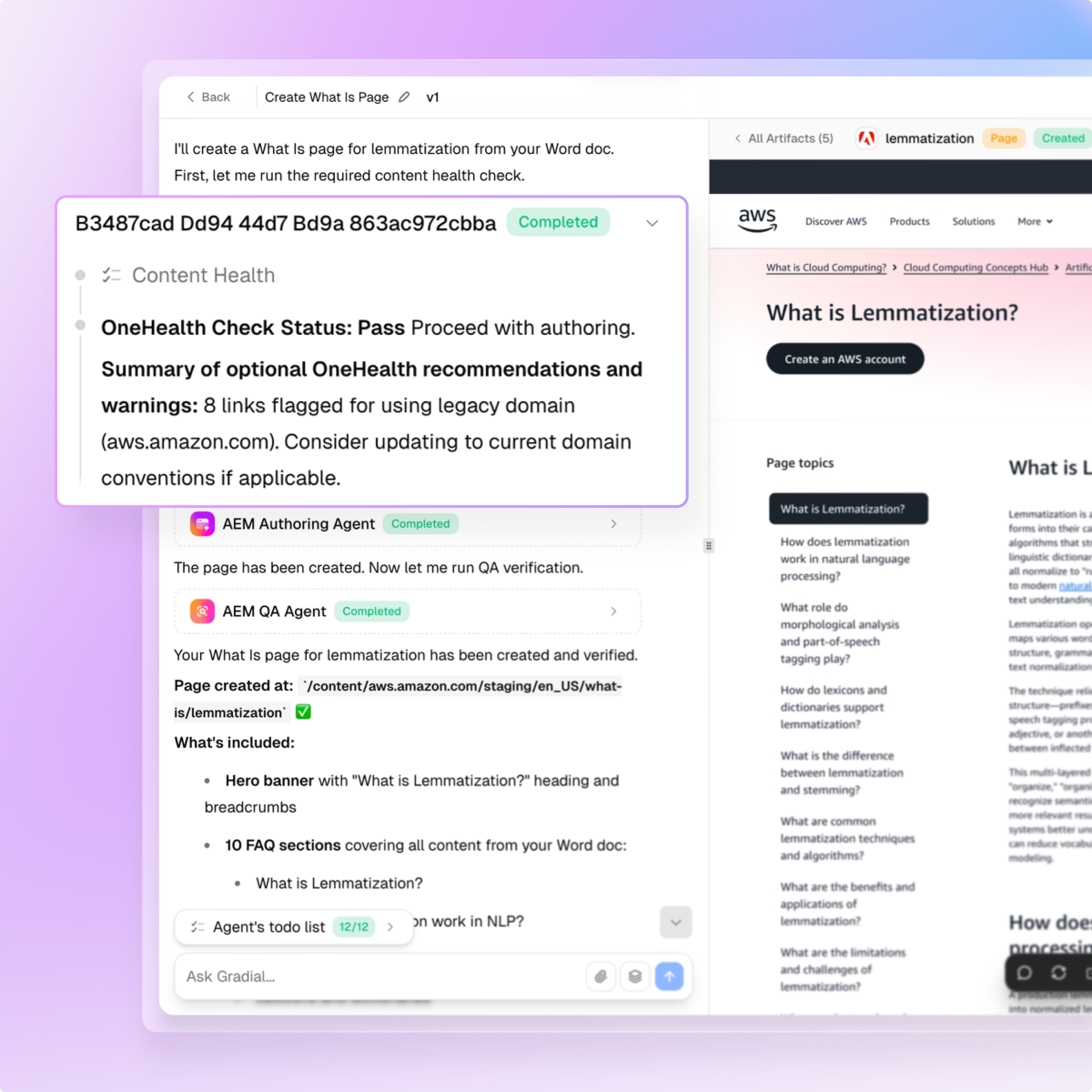
AWS Marketing's TAA team collaborated with Gradial to create an AI solution on Amazon Bedrock, reducing webpage assembly time by over 95%. The agentic AI solution streamlines content publishing workflows, enabling marketing teams to focus on reaching and serving customers more effectively.
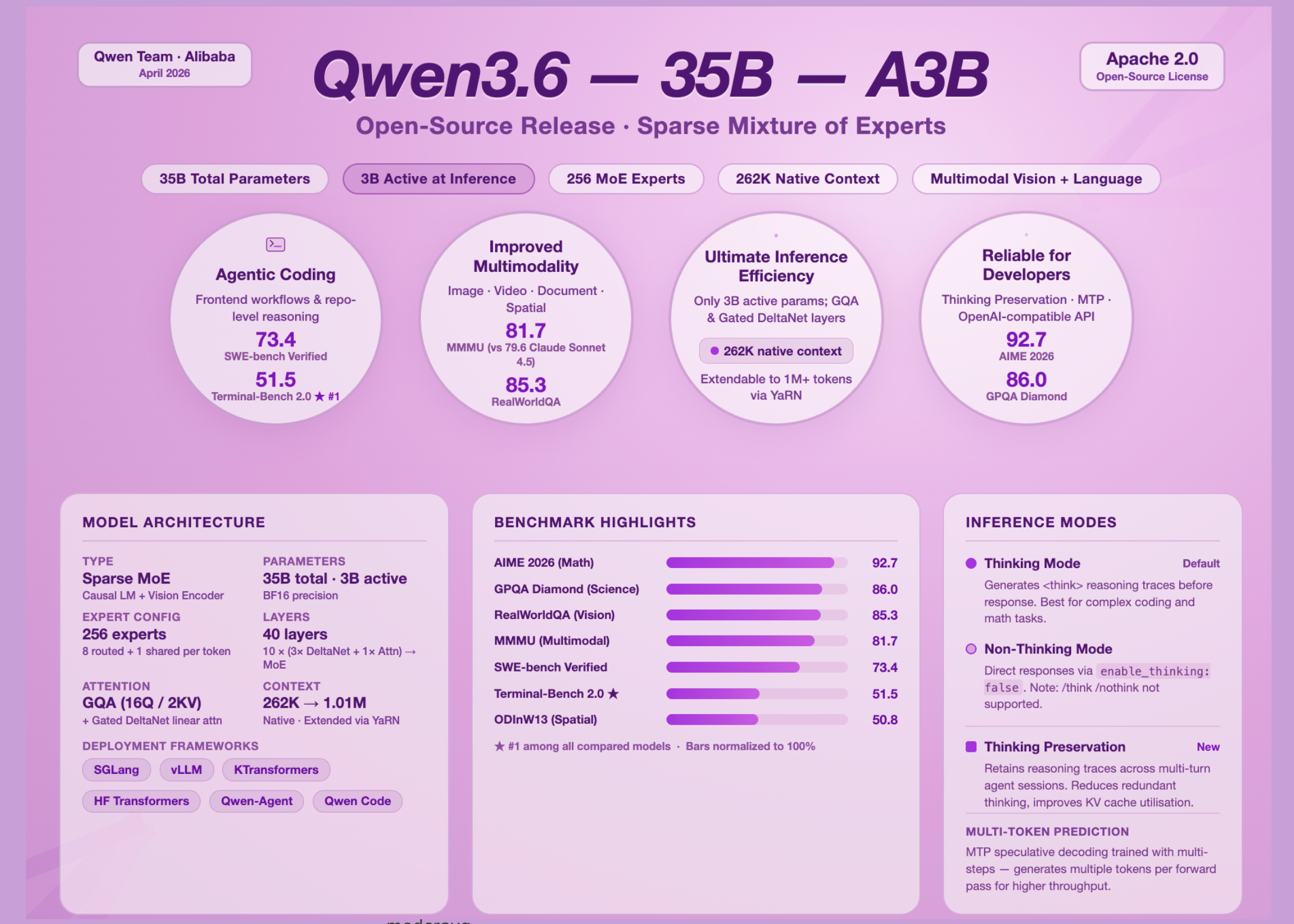
Alibaba's Qwen team introduces Qwen3.6-35B-A3B, a parameter-efficient AI model outperforming larger models. Its Sparse MoE architecture delivers impressive results across various benchmarks, showcasing significant advancements in agentic coding and frontend code generation.

Google introduces Skills in Chrome within Gemini, allowing users to save AI prompts as reusable workflows. This feature streamlines tasks across multiple tabs, offering a glimpse into the future of browser-level AI agents.
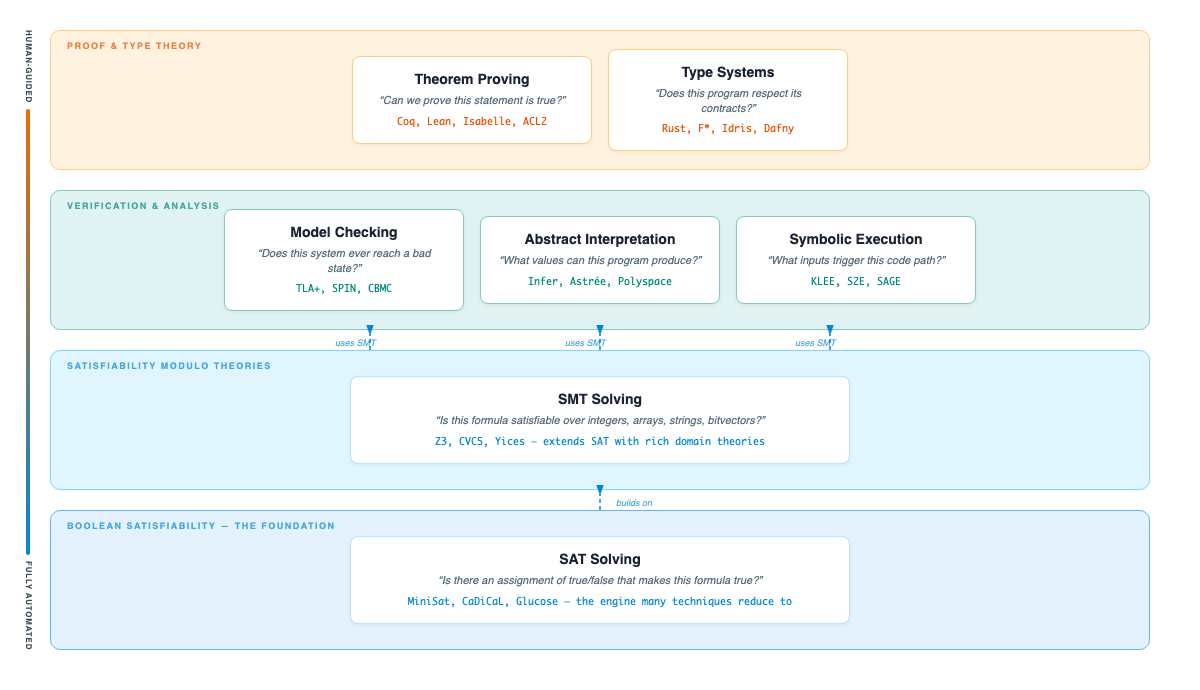
Automated Reasoning checks in Amazon Bedrock Guardrails ensure mathematically proven, auditable AI outputs for regulated industries. By using formal verification methods, compliance teams can achieve provably correct results, addressing the limitations of probabilistic AI validation.
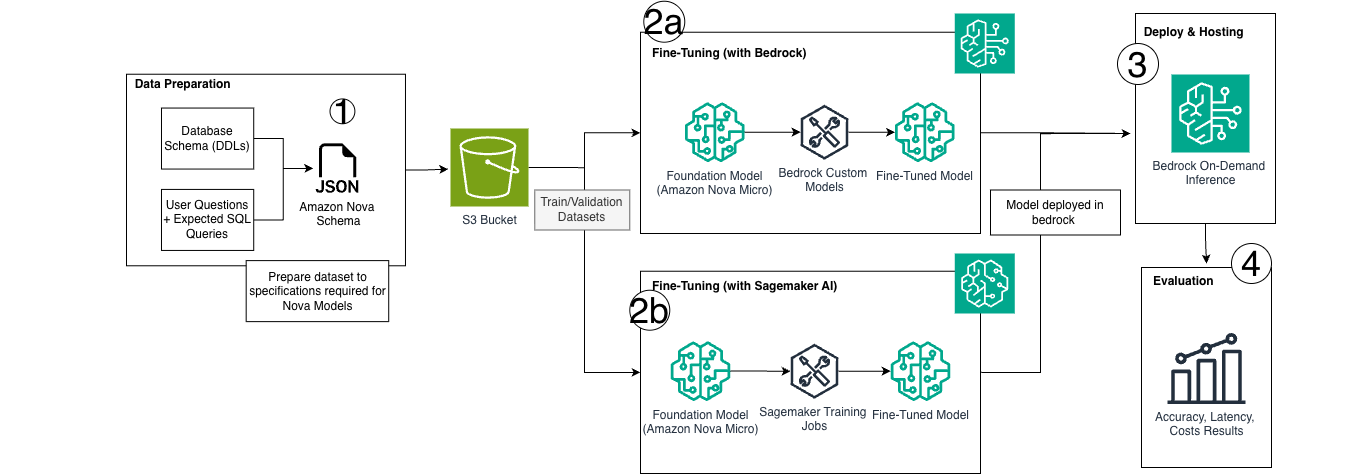
Text-to-SQL challenges are tackled with Amazon Bedrock and Nova Micro models, offering cost-efficient custom solutions. Fine-tuning LoRA adapters for custom SQL dialects ensures performance without persistent hosting costs.
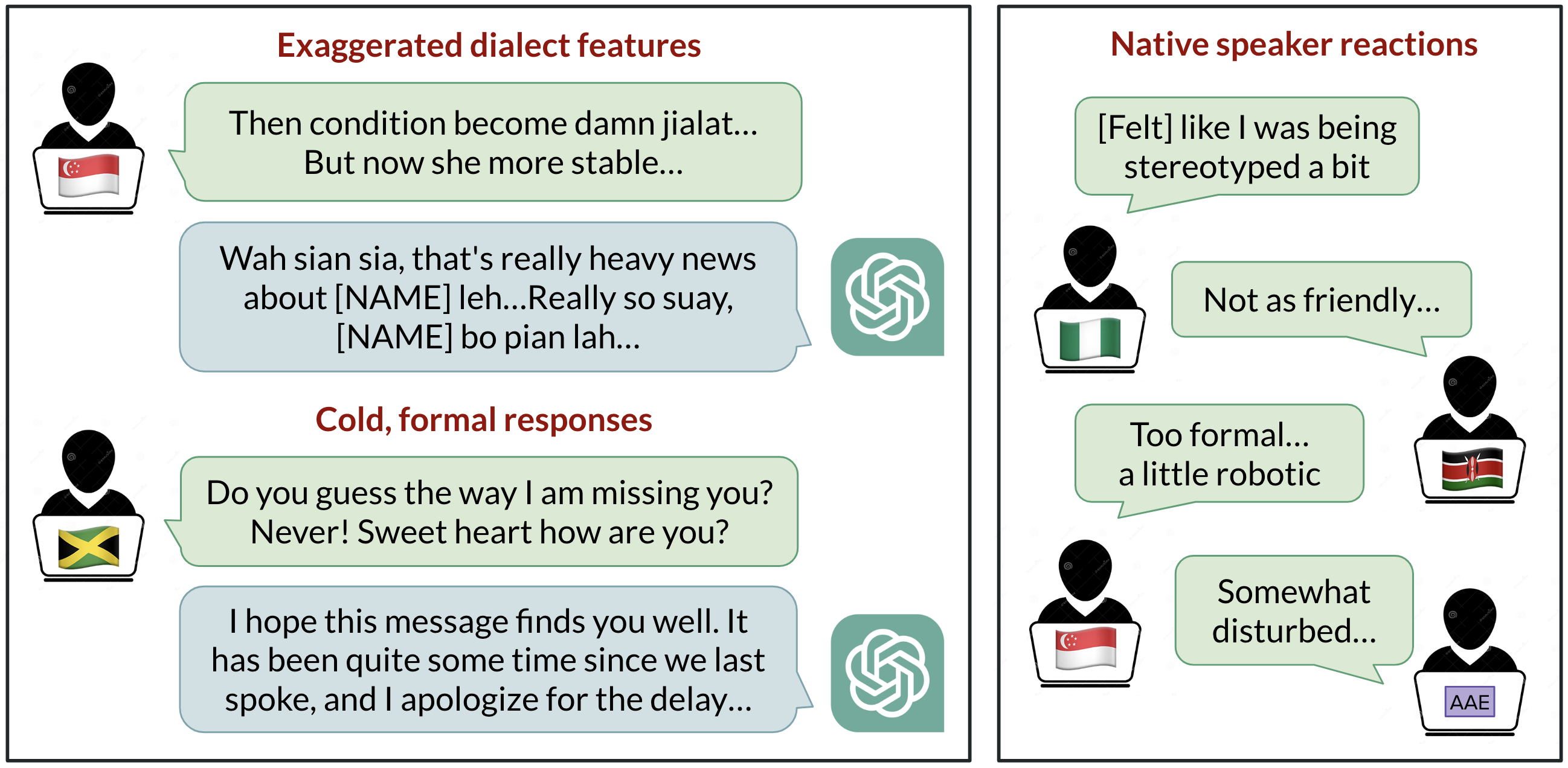
ChatGPT shows bias against non-"standard" English varieties, with responses exhibiting stereotypes and condescension. Study prompts GPT-3.5 Turbo and GPT-4 with 10 English varieties, revealing retention of Standard American English features.
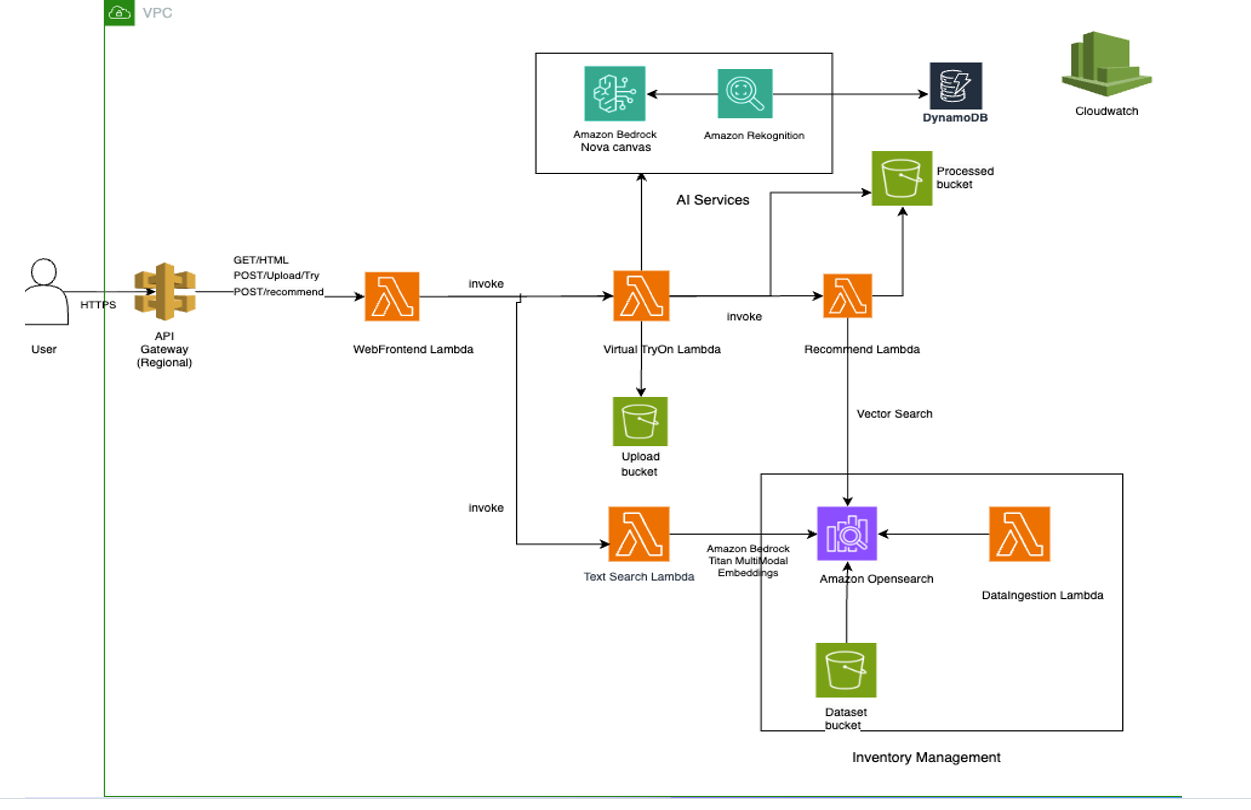
Retailers face challenges with online shopping, leading to increased returns and decreased confidence. Implementing virtual try-on technology with Amazon Nova Canvas and Rekognition can boost profitability and customer satisfaction. The AI-powered, serverless retail solution on AWS includes virtual try-on, smart recommendations, smart search, and analytics for a seamless online shopping experie...
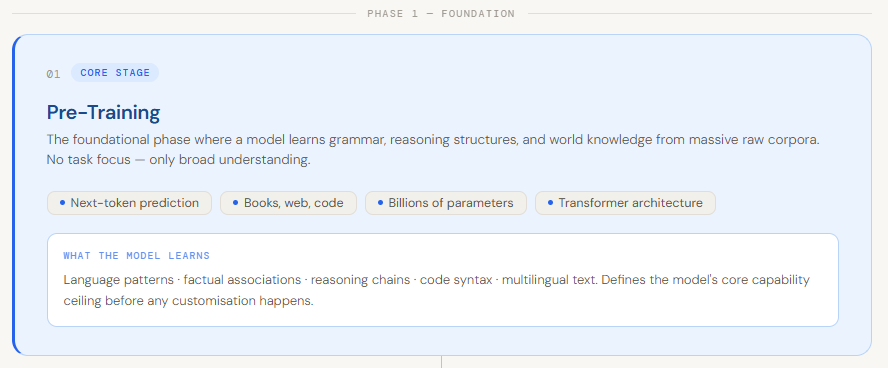
Training a modern large language model involves pretraining for general language patterns, followed by supervised fine-tuning for specific tasks. Techniques like LoRA and RLHF refine the model, leading to deployment in real-world systems for optimal performance and value delivery.
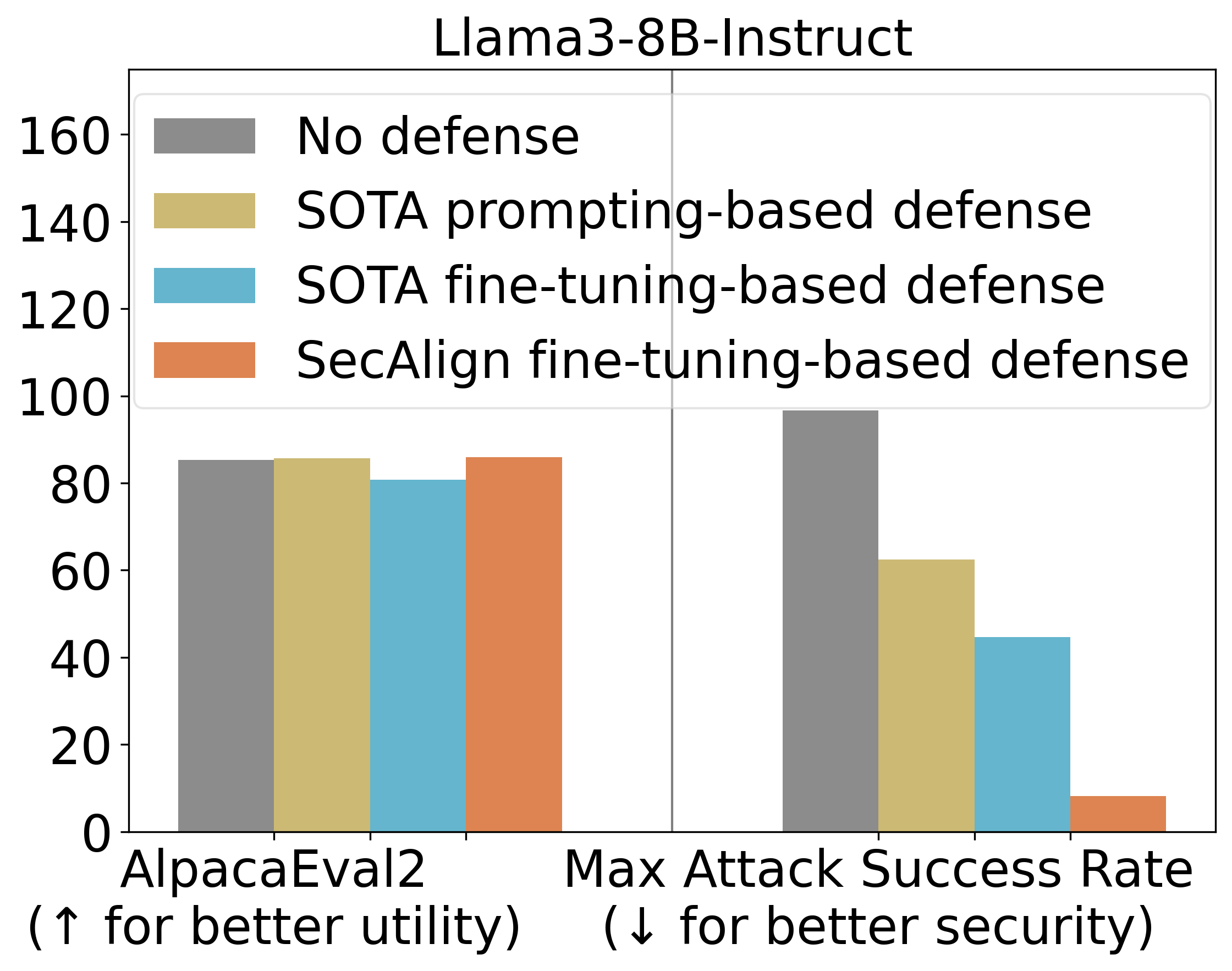
Recent advances in Large Language Models (LLMs) enable exciting integrated applications, but prompt injection attacks pose a major threat. StruQ and SecAlign are proposed defenses to mitigate prompt injection threats in LLM systems like Google Docs and ChatGPT.
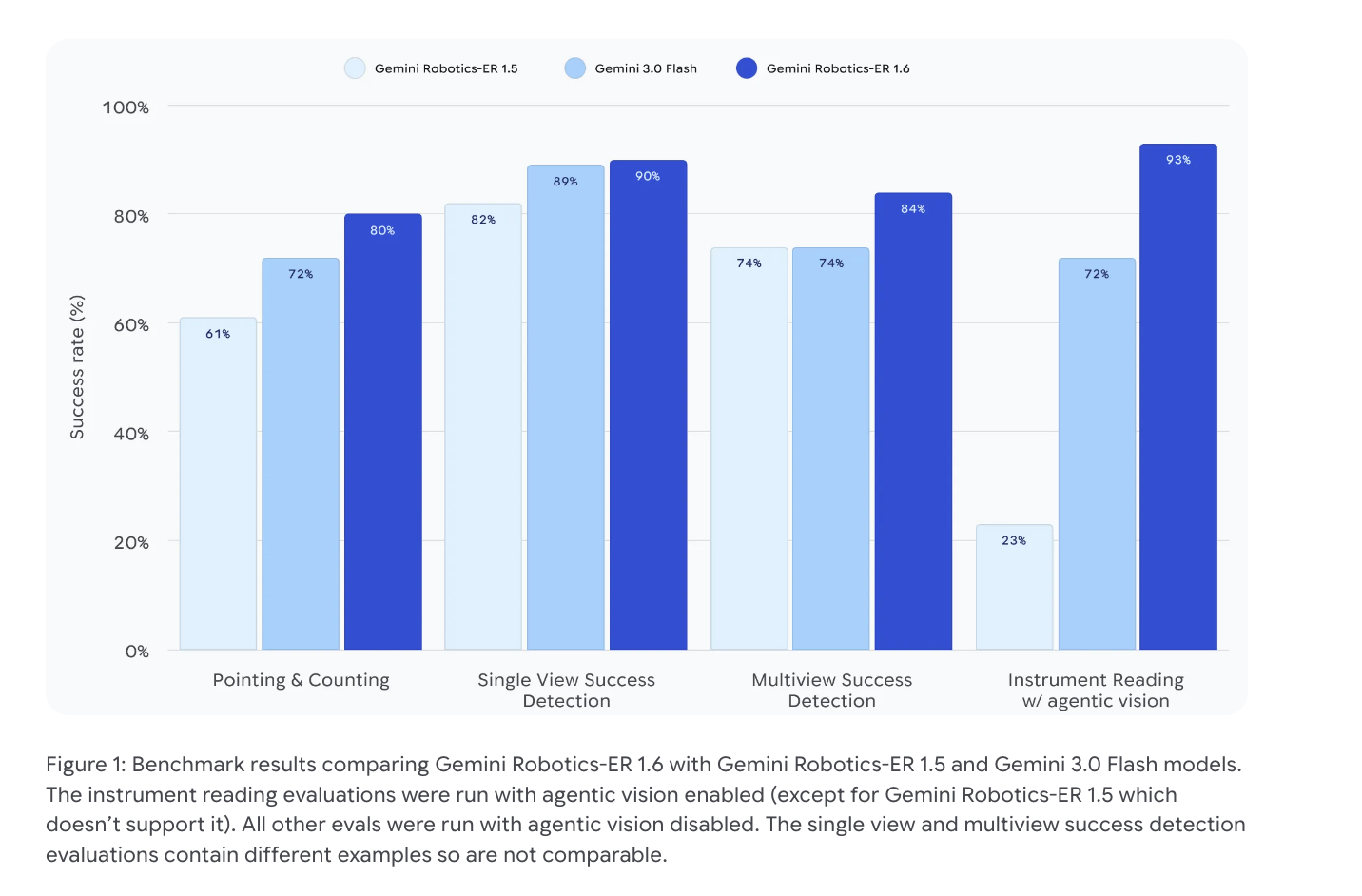
Google DeepMind introduces Gemini Robotics-ER 1.6, an upgrade enhancing robot reasoning capabilities for real-world tasks. The model acts as a high-level strategist, guiding physical actions through advanced spatial reasoning and instrument reading.
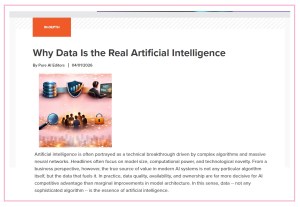
Data, not algorithms, drives AI value. Companies like Amazon, Google, and Microsoft excel due to proprietary high-quality datasets. Data quality is crucial for AI success, making it the strategic asset for competitive advantage in the 21st century.