
Cathy Wu '12, MNG '13, uses machine learning to improve transportation systems at MIT. Inspired by family experiences and games like "SimCity," Wu aims to design safer, more efficient systems for all.
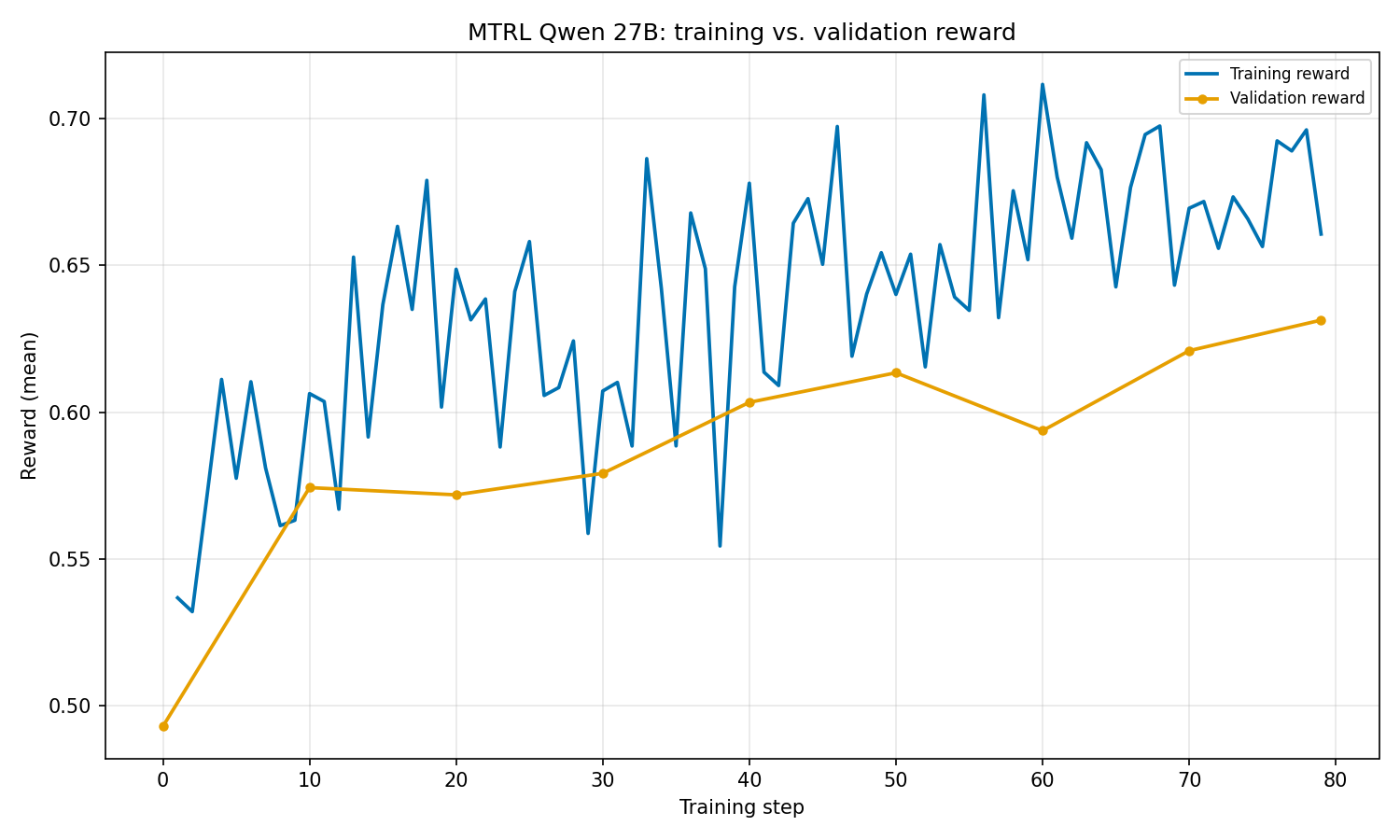
Search agents powered by large language models (LLMs) are revolutionizing information retrieval for enterprises by autonomously deciding what to search for and when to stop. Fine-tuning with Amazon SageMaker AI multi-turn reinforcement learning (MTRL) optimizes search agents for reliability, speed, and cost efficiency.
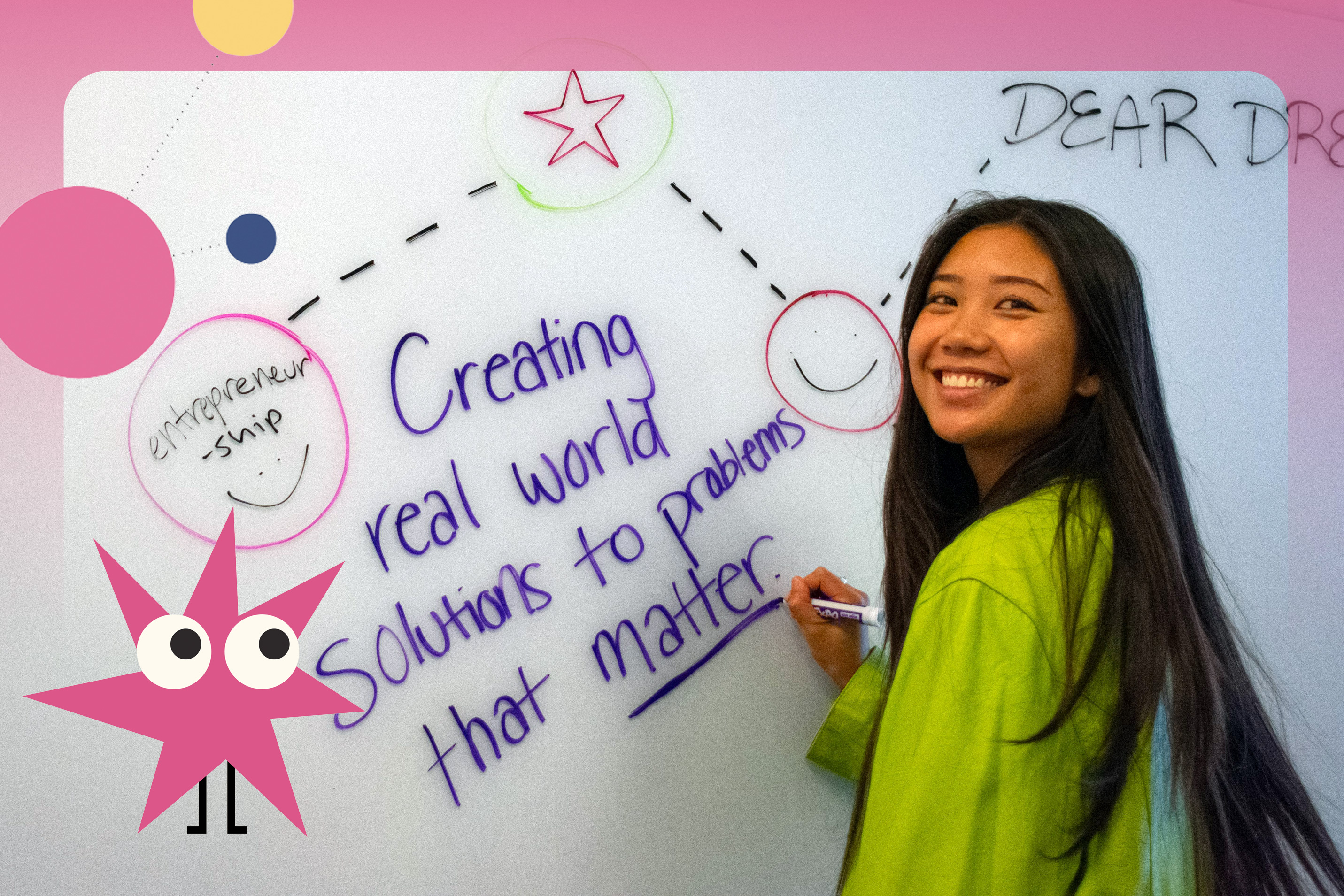
MIT's Bill Aulet's book "Disciplined Entrepreneurship" has inspired a free AI-powered youth platform called Dear Dreamer, aiming to empower 50,000 young entrepreneurs by 2030. The platform adapts MIT's proven framework into a digital, self-paced learning experience for middle and high school students, offering interactive exercises and personalized feedback.
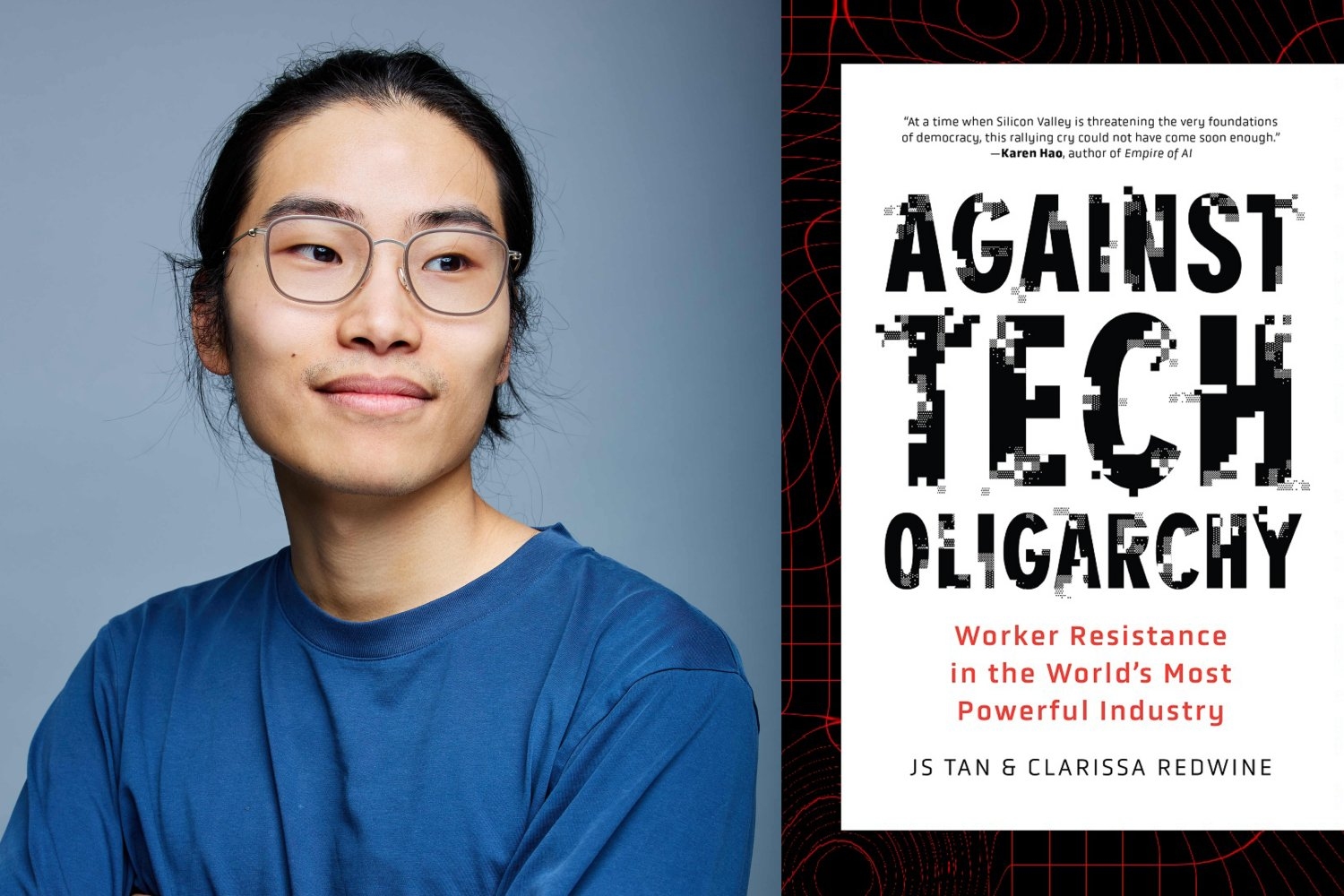
Tech industry workers, inspired by a call to action, organized against corporate policies in the book "Against Tech Oligarchy." The movement chronicles successful strategies and backlash faced by employees advocating for democratic values in Silicon Valley.
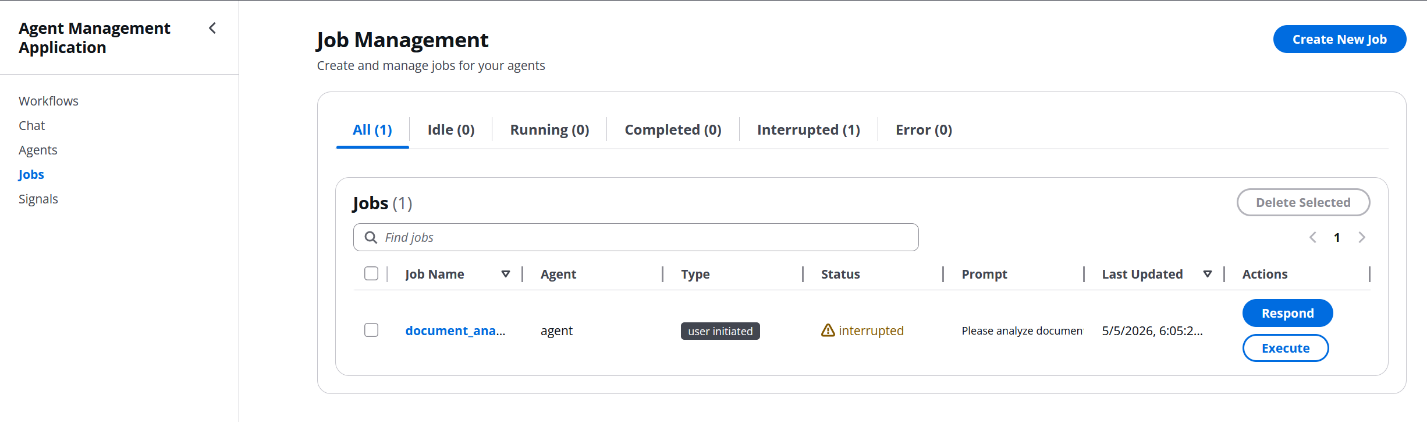
Ambient agents in Amazon Bedrock AgentCore streamline document processing by responding to events and pausing for human input. This innovative approach allows for efficient handling of multiple events in parallel, improving user trust and agent performance over time.
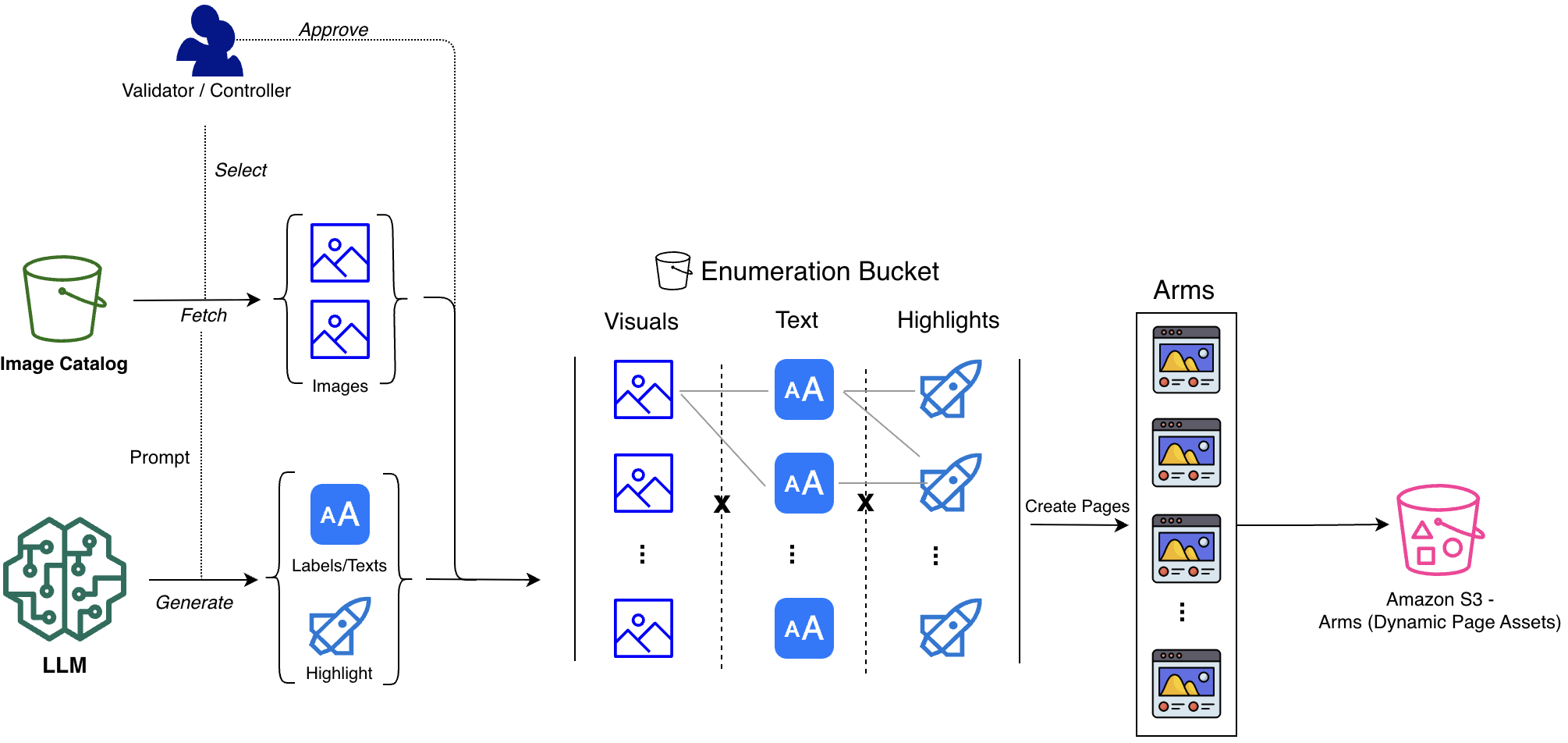
Generative AI enables fast, cost-effective personalized content production. Amazon Payments uses multi-armed bandits on Amazon SageMaker AI for personalized product acquisition, showing significant conversion lifts.
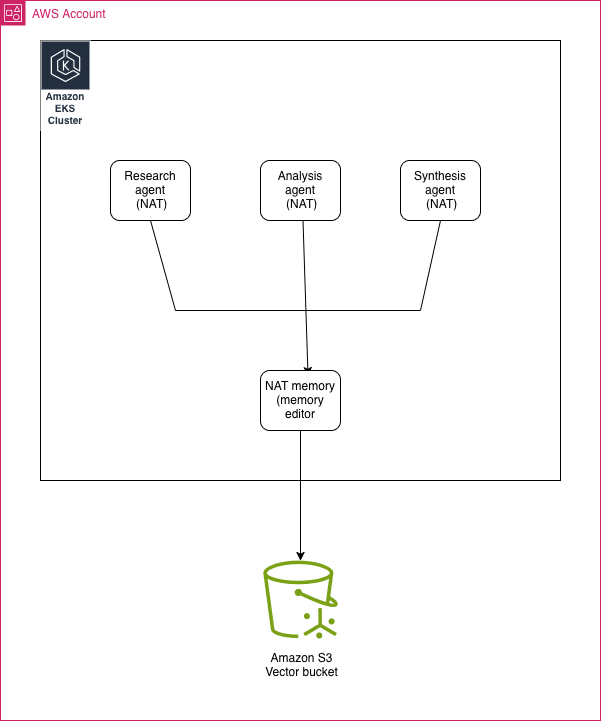
Amazon S3 Vectors in NVIDIA NeMo Agent Toolkit (NAT) revolutionize AI agent memory storage, offering rich metadata and elastic scale. NAT's memory module allows for custom memory providers, enhancing conversation history storage and retrieval.
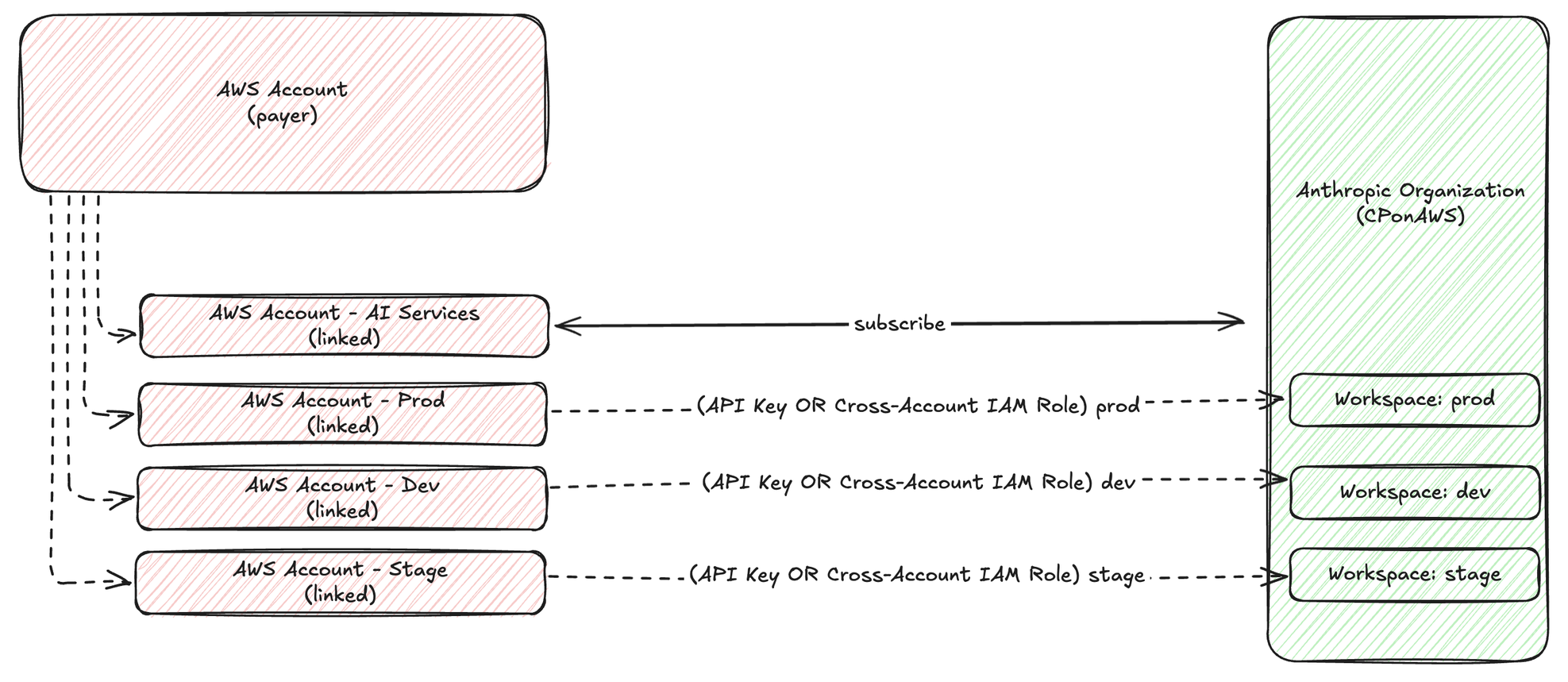
Deploy Claude Platform on AWS (CPonAWS) for production, developer laptops, and external services with different authentication requirements. Create a dedicated AI Services account for cross-account roles and workspace-level isolation, following step-by-step instructions.
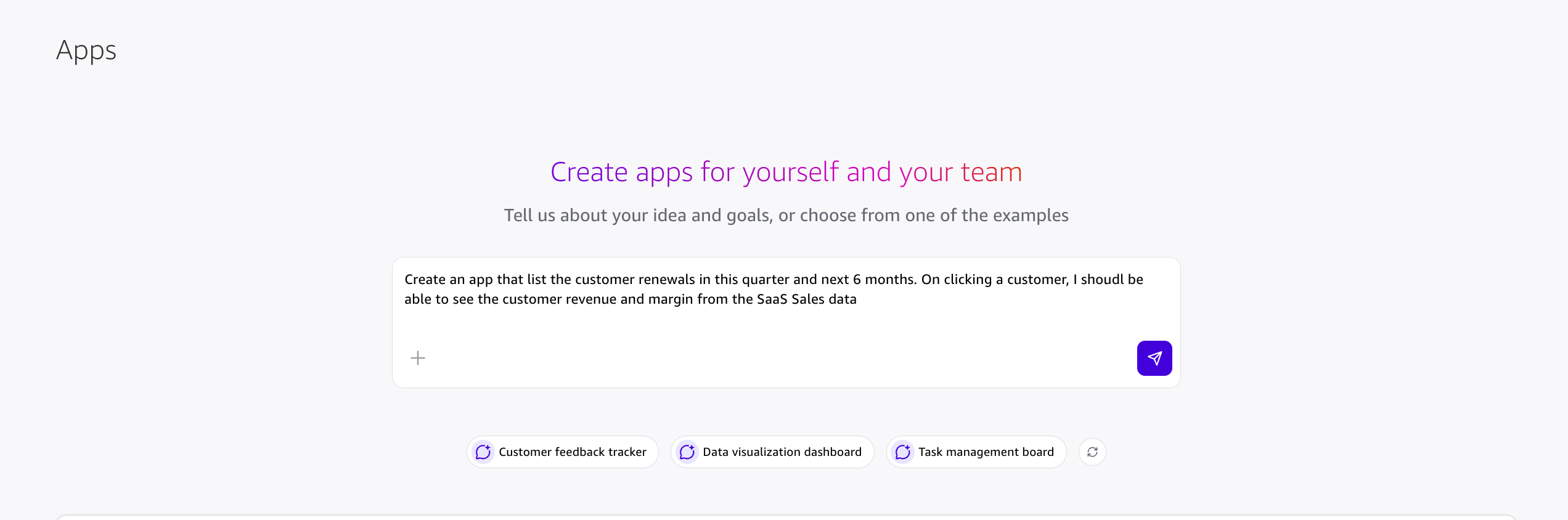
Amazon Quick Apps introduce Live Data in Apps, allowing real-time querying of governed Quick Sight datasets. Users can now access current data without manual refresh, bringing a new level of efficiency and data security to app development and usage.

AI-driven InstructMesh simplifies 3D design for practical, creative objects, from dragon mugs to shrimp robots, using Microsoft's TRELLIS and GPT-4. MIT researchers blend text and image prompts to produce unique, functional items, like a denim knee brace.
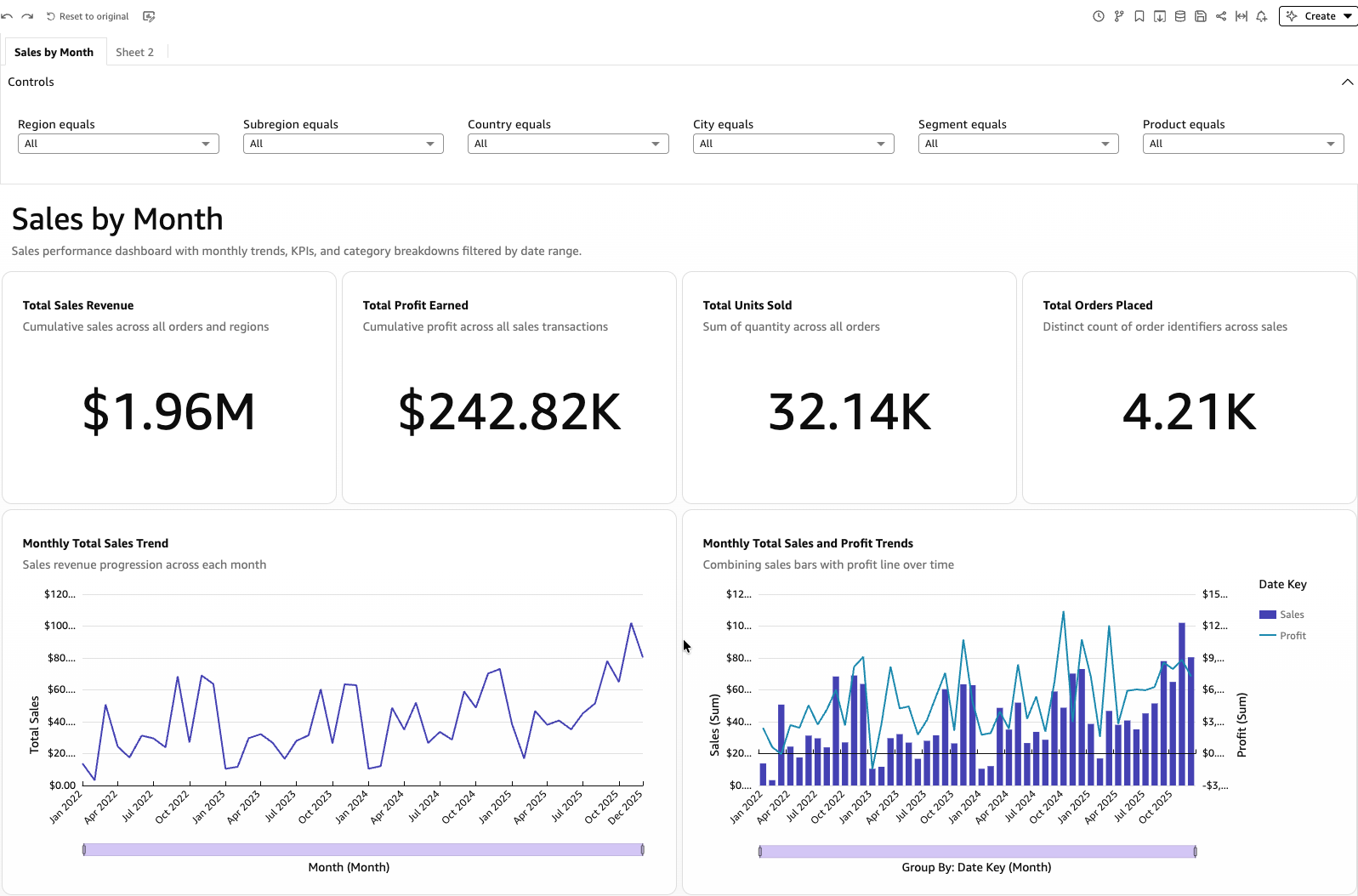
Amazon Quick Sight introduces a new hierarchy filter for more efficient, guided data exploration. This feature reduces clutter, streamlines filtering steps, and enhances user experience in building interactive dashboards.
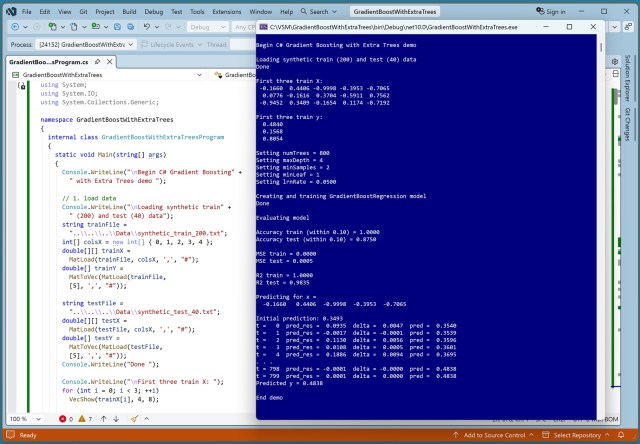
Machine learning regression problem aims to predict values using various techniques like Gradient Boosting with Extra Trees, yielding surprisingly accurate results. The complex model involves weak base learners and sequential tree construction, showcasing potential for successful predictions in datasets.
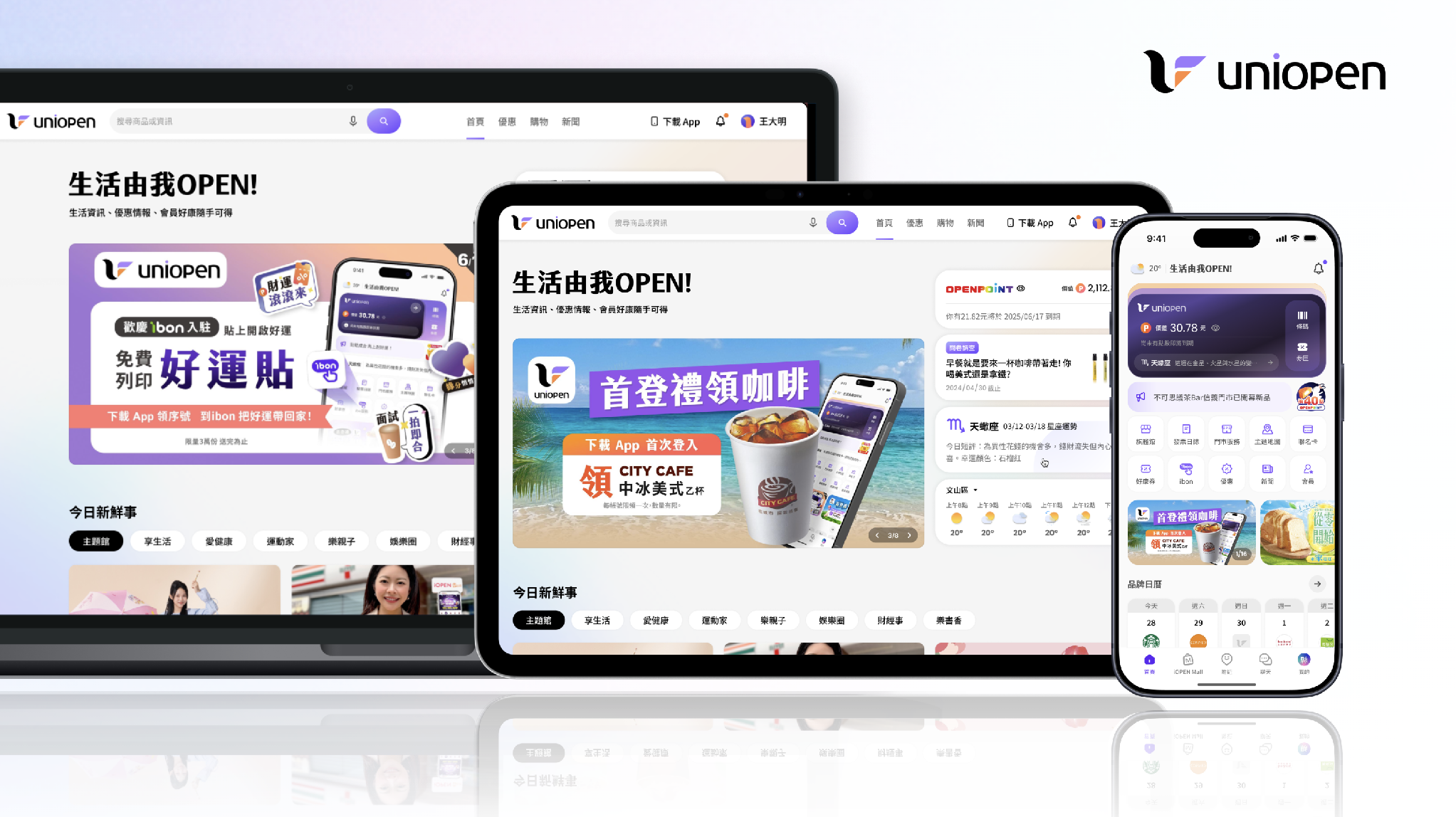
uniopen, by Uni-President Enterprises Group, uses a unique moderation policy to connect customers to ecommerce experiences. Amazon Nova 2 Lite, fine-tuned in Amazon SageMaker AI, optimizes this policy for web, tablet, and mobile channels, ensuring consistent decisions with separate correction and deployment paths.
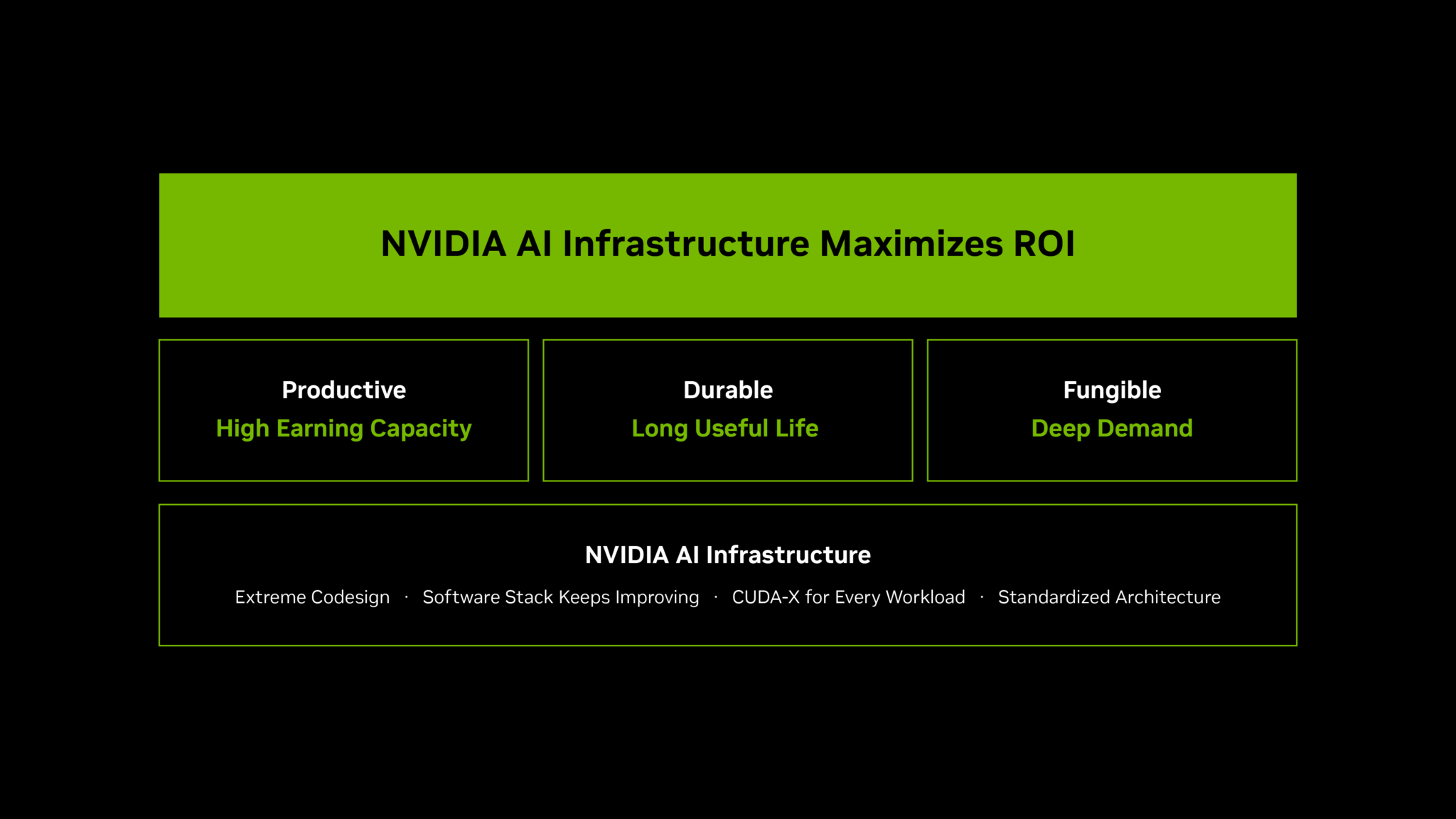
AI factories, like NVIDIA's, cost millions to build but maximize returns by delivering high throughput, low costs, and versatility. NVIDIA's CUDA-X libraries and standardized architecture ensure productivity, durability, and fungibility, leading to significant gains in token production and reduced costs.
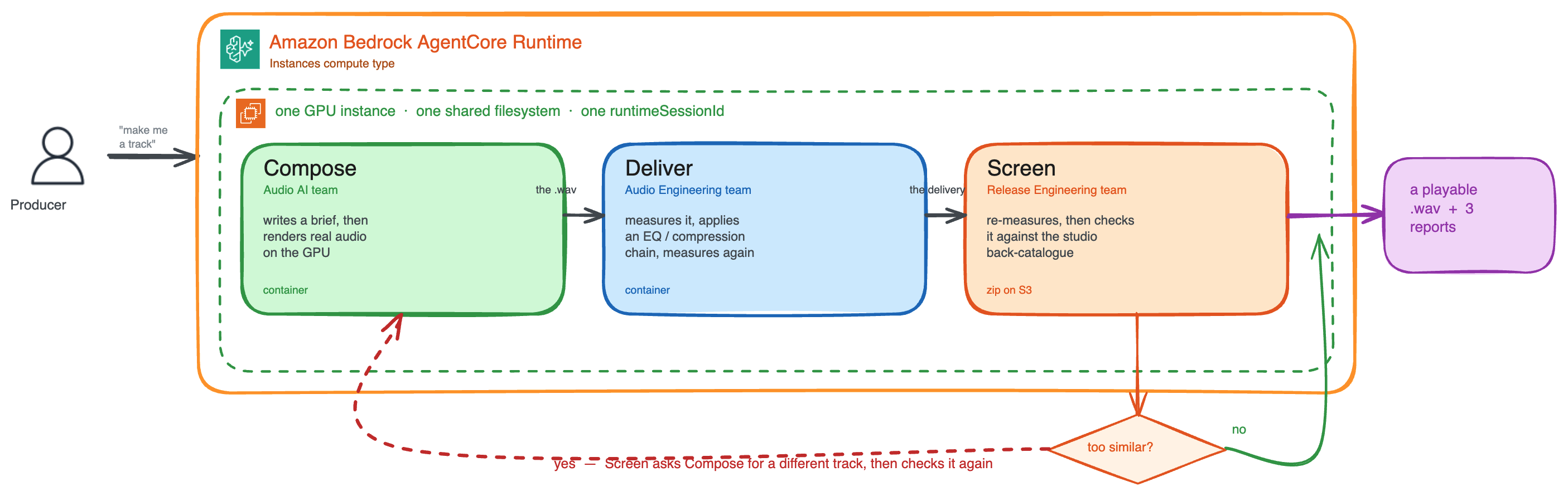
Organizations transitioning to multi-agent systems face changing infrastructure needs. Amazon Bedrock AgentCore offers MicroVMs and Runtime Instances for hosting agents, with the latter supporting long-running workflows, GPUs, and persistent volumes for multi-day sessions.