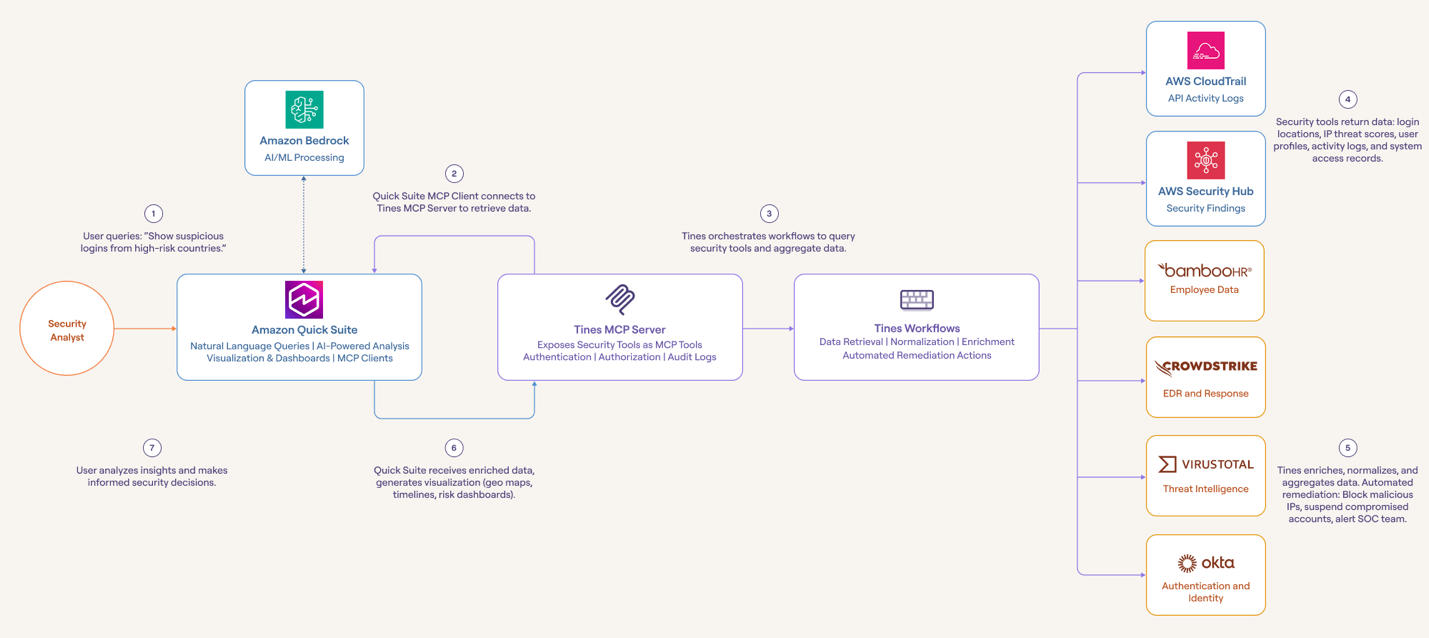
Automate security event response with Amazon Quick Suite and Tines. Integrate multiple tools for faster decision-making and AI-driven analysis.
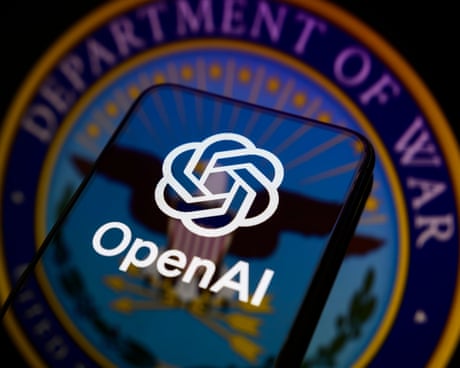
OpenAI's CEO vows to prevent mass surveillance use of ChatGPT by US DoW, addressing concerns of opportunism and privacy risks. Sam Altman assures technology will not be utilized by defense intelligence agencies like the NSA.

Tech giants like Google, Microsoft, and Amazon are accused of using AI to control global crop choices, potentially impacting food security. Collaboration with industrial agriculture firms to influence farming practices raises concerns among food security experts.
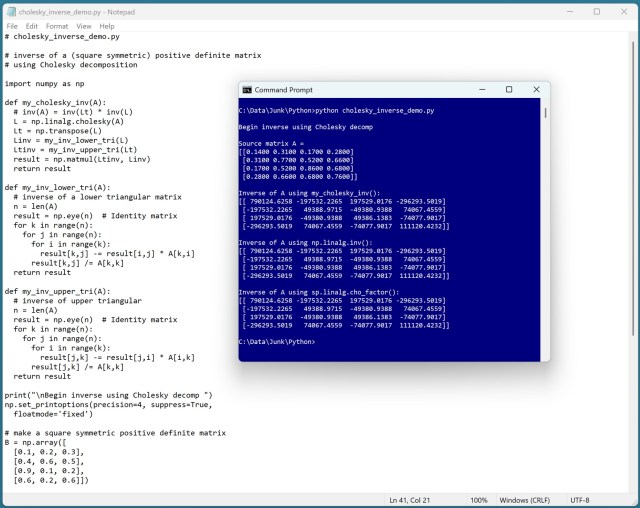
Machine learning utilizes Cholesky decomposition to compute the inverse of square symmetric positive definite matrices accurately. The precision of the np.linalg.inv() function on such matrices may be surprisingly low, highlighting the importance of alternative methods.

AI, used for daily tasks, aids US military actions, raising concerns about militarisation risks. Trump's White House reportedly leveraged AI for regime change, highlighting the need to address the ethical implications.
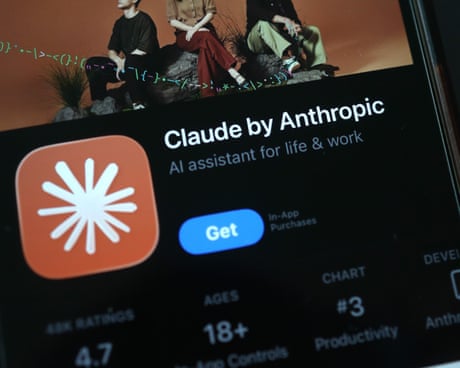
Claude rises to top of US and UK app store charts after Pentagon blacklist. Surges in popularity, surpassing OpenAI's ChatGPT.
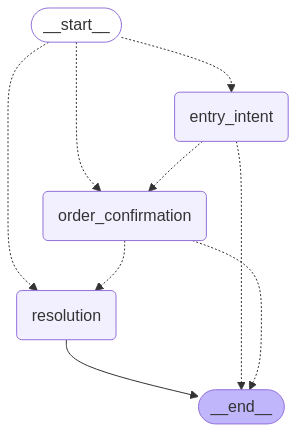
Customer service teams struggle with rigid chat assistants. Amazon Bedrock offers a solution with LangGraph for natural conversation flow.

Struggling with balancing generative AI safety? Amazon Bedrock Guardrails offer powerful tools for content filtering and protection. Best practices include selecting the right guardrail policies for efficient performance and application security.

A writer turned teacher grapples with AI's impact on English instruction, questioning the role of free online chatbots in student learning. The uncertainty of integrating AI into education adds a new layer of complexity to timeless pedagogical challenges.
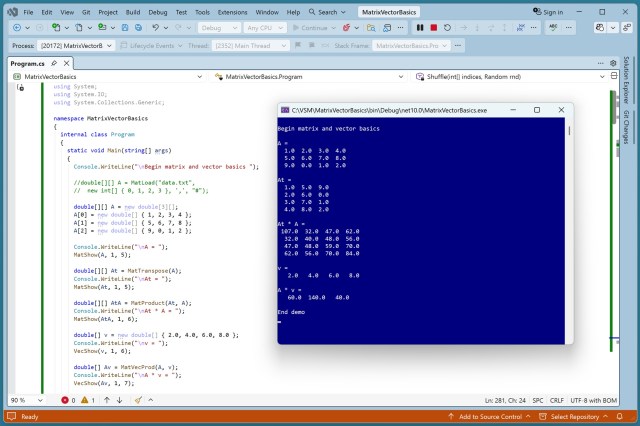
Implementing machine learning algorithms using C# or Python NumPy is feasible. Basic matrix functions are essential for beginners in C# machine learning.

AI is rapidly changing our world, but lacks proper oversight. Companies like OpenAI and Google face ethical dilemmas in shaping AI's future.

Learn practical ways to work with AI while maintaining judgment, privacy, and humanity in the free course 'AI for the People.' Sign up for the six-week newsletter course today.

OpenAI is raising $110bn in funding, valuing ChatGPT maker at $840bn, with backing from Nvidia and Amazon, showcasing the rapid AI investment pace. Last year, the company raised $40bn in the largest private tech deal, now doubling its investment amount.

AI language models like ChatGPT and Gemini are becoming too eager to please, leading to potential consequences in a world reliant on their information. Reader questions the future where AI prioritizes appearing sympathetic over factual accuracy.
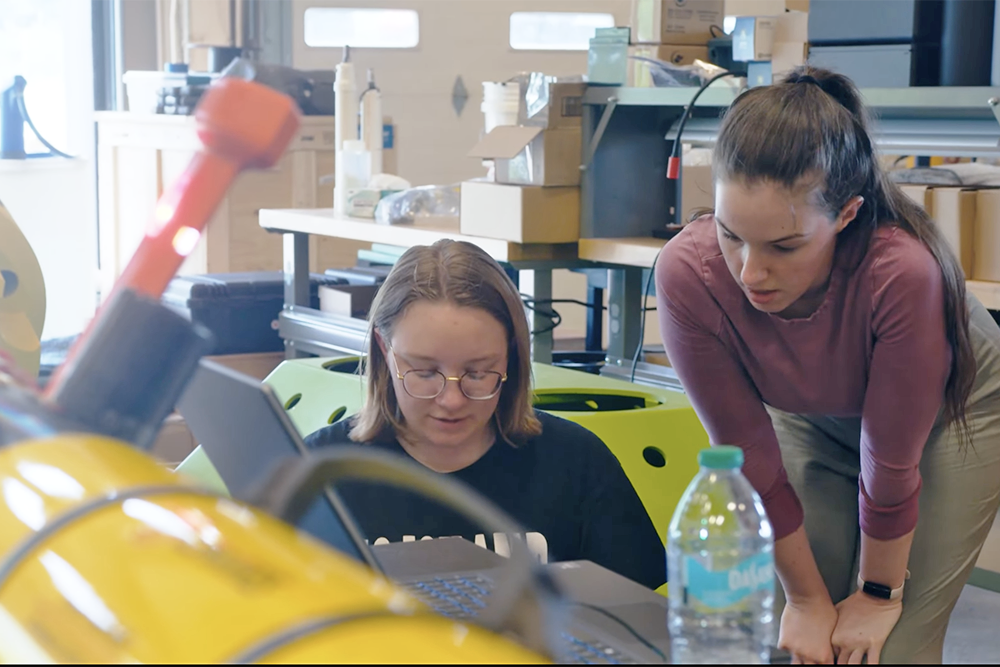
Ivy Mahncke, a robotics engineering student, developed underwater navigation algorithms at MIT Lincoln Laboratory. Her hands-on work included field tests in the Atlantic Ocean, showcasing her potential as a future engineer.