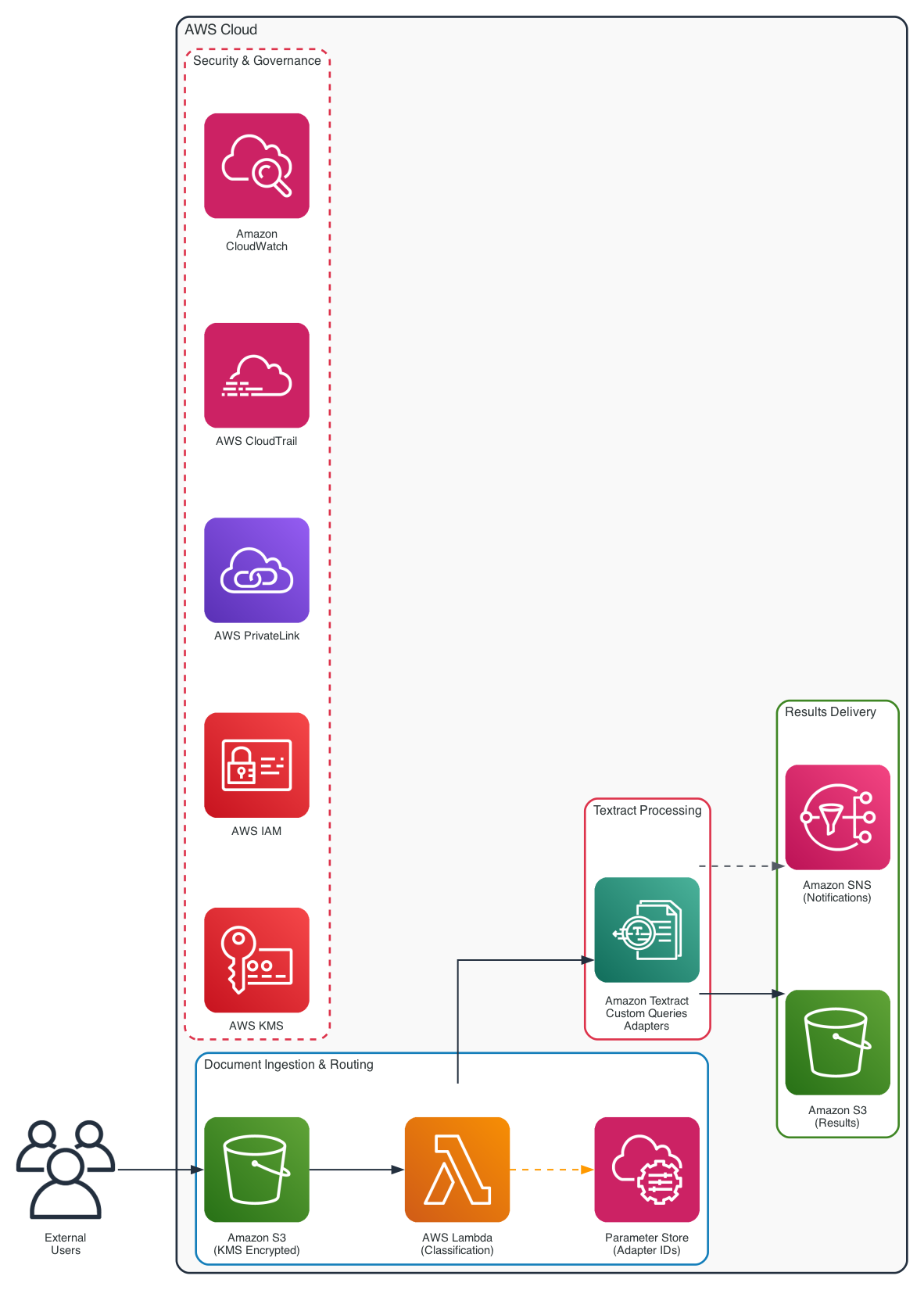
Amazon Textract automates document processing workflows, improving accuracy with Custom Queries adapters. Infrastructure templates and security configurations ensure production readiness for regulated workloads.
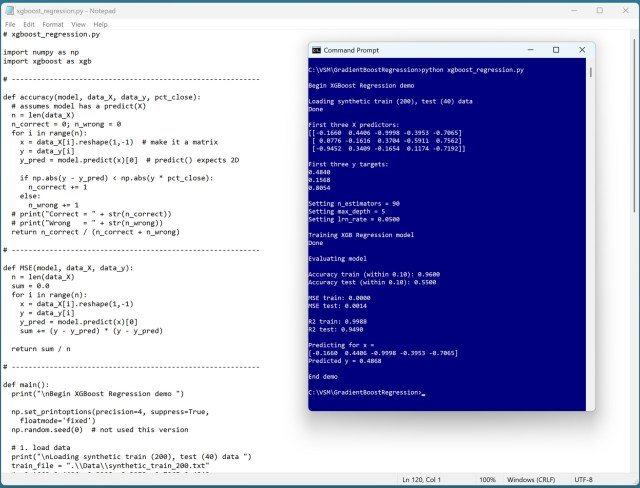
XGBoost, a powerful regression library, uses gradient boosting with decision tree regressors. Despite high training accuracy, test accuracy can be lower due to overfitting.

MIT students engage in experiential learning with Muscogee Nation, combining tech with humanities to develop innovative solutions. Interns support the creation of Muscogee's first Pregnancy Risk Assessment Monitoring System, emphasizing cultural and historical dimensions.
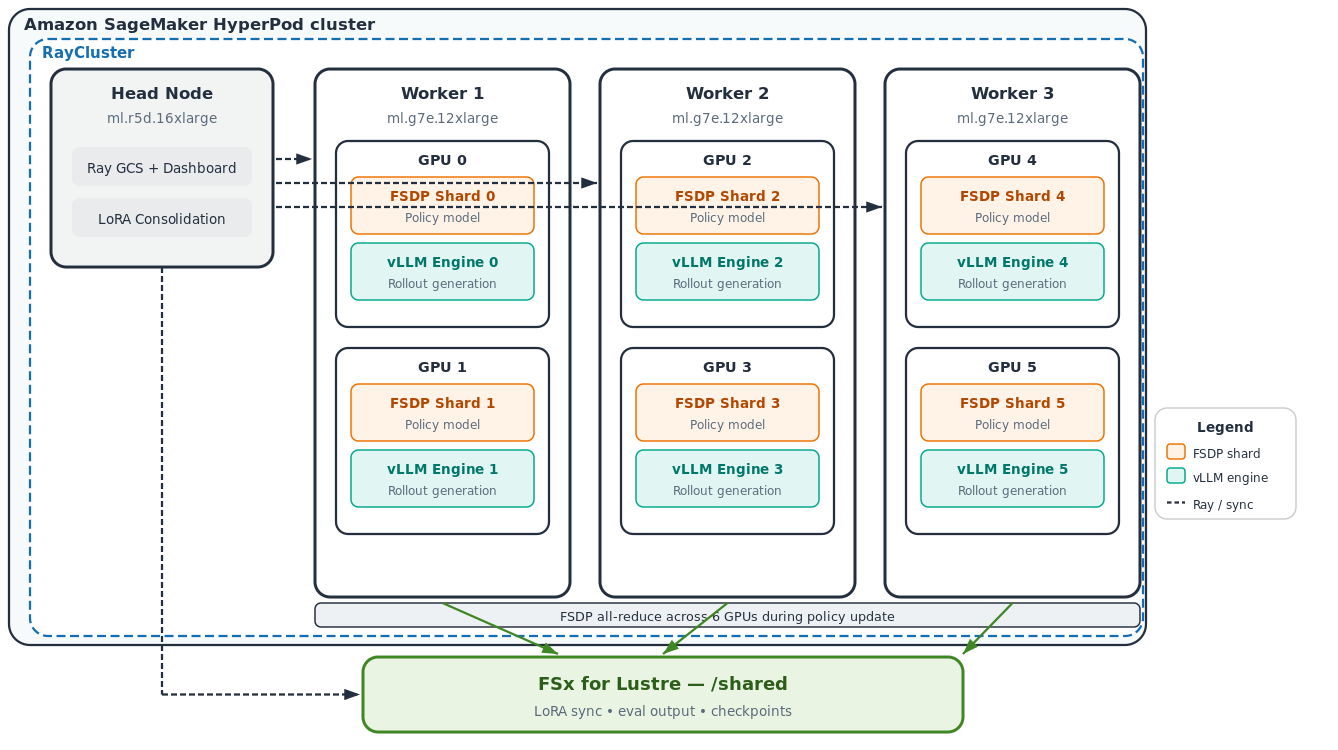
Amazon SageMaker HyperPod provides resilient cluster infrastructure for large-scale machine learning workloads on Amazon EKS, ensuring continuous training progress even in the face of hardware failures. Using HyperPod and Ray capabilities, you can train advanced vision-language models like Qwen3-VL-8B with Group Relative Policy Optimization, significantly improving maze solve rates.
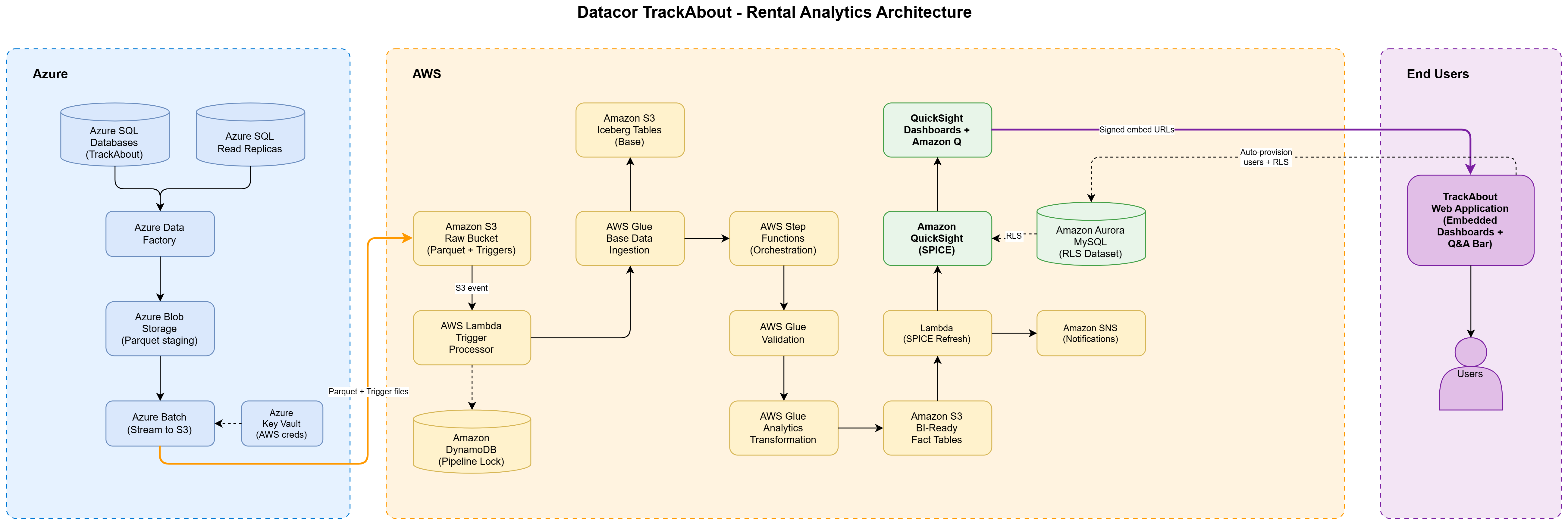
Datacor's TrackAbout solution streamlines rental billing for gas and welding distributors, managing millions of assets. By integrating Amazon Quick Sight, users can now access real-time analytics and make data-driven decisions without IT assistance.
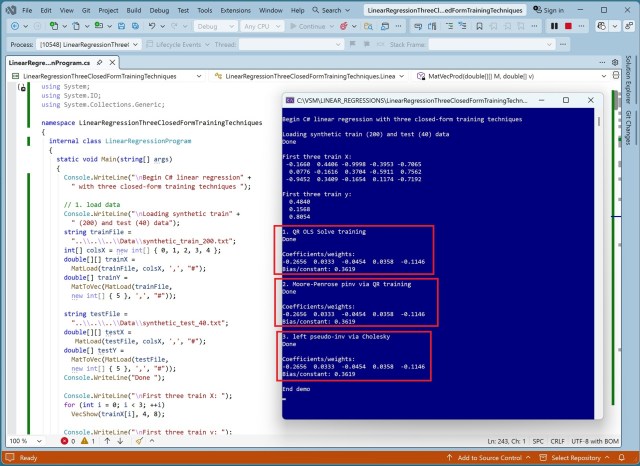
Linear regression is a fundamental form of machine learning. Training techniques like QR decomp + Solve OLS are key in finding optimal model weights and bias.
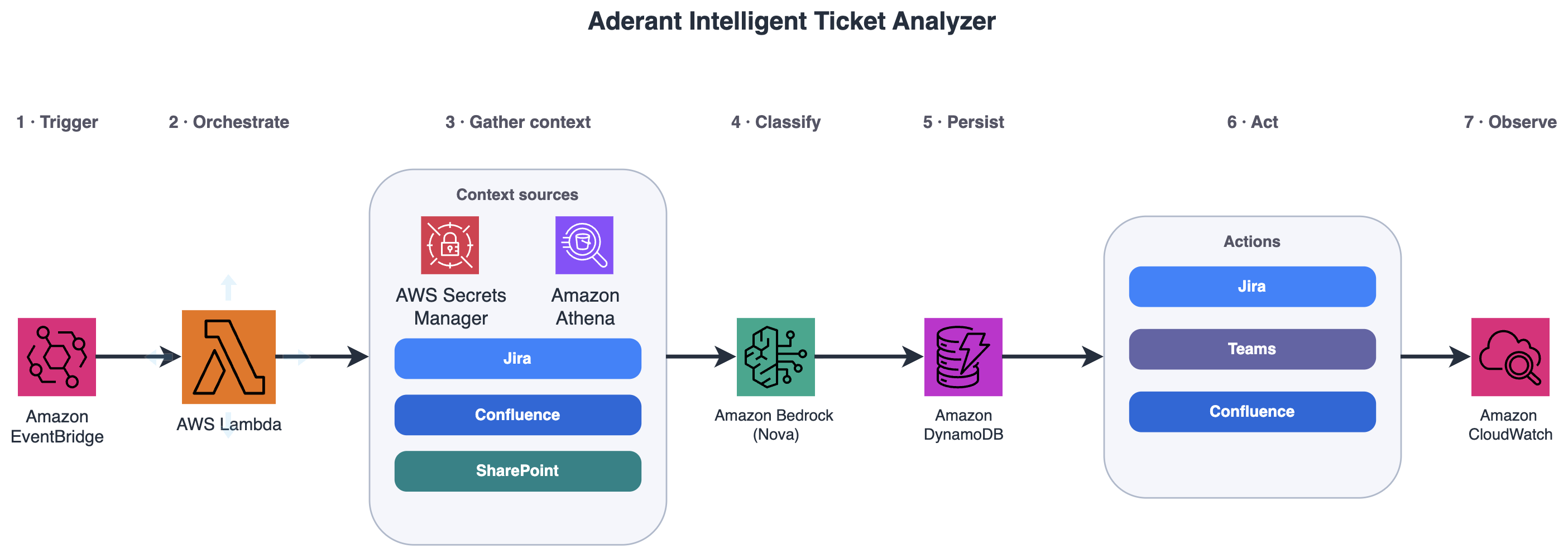
Aderant uses Amazon Nova Lite to automate support-ticket triage, saving 8-14 engineering hours weekly at less than $30/month. The Intelligent Ticket Analyzer achieves 96% routing accuracy, streamlining operations for the SierraOps team.

MIT scientists developed a language tool to predict suicide risk factors from text conversations, aiding crisis counselors. The tool accurately identifies key risk factors, potentially improving risk assessment in clinical and crisis-support settings.

MIT researchers use machine learning to monitor emissions from vehicles in NYC. Visual AI offers unprecedented insights for urban planners, raising concerns about privacy and fairness.
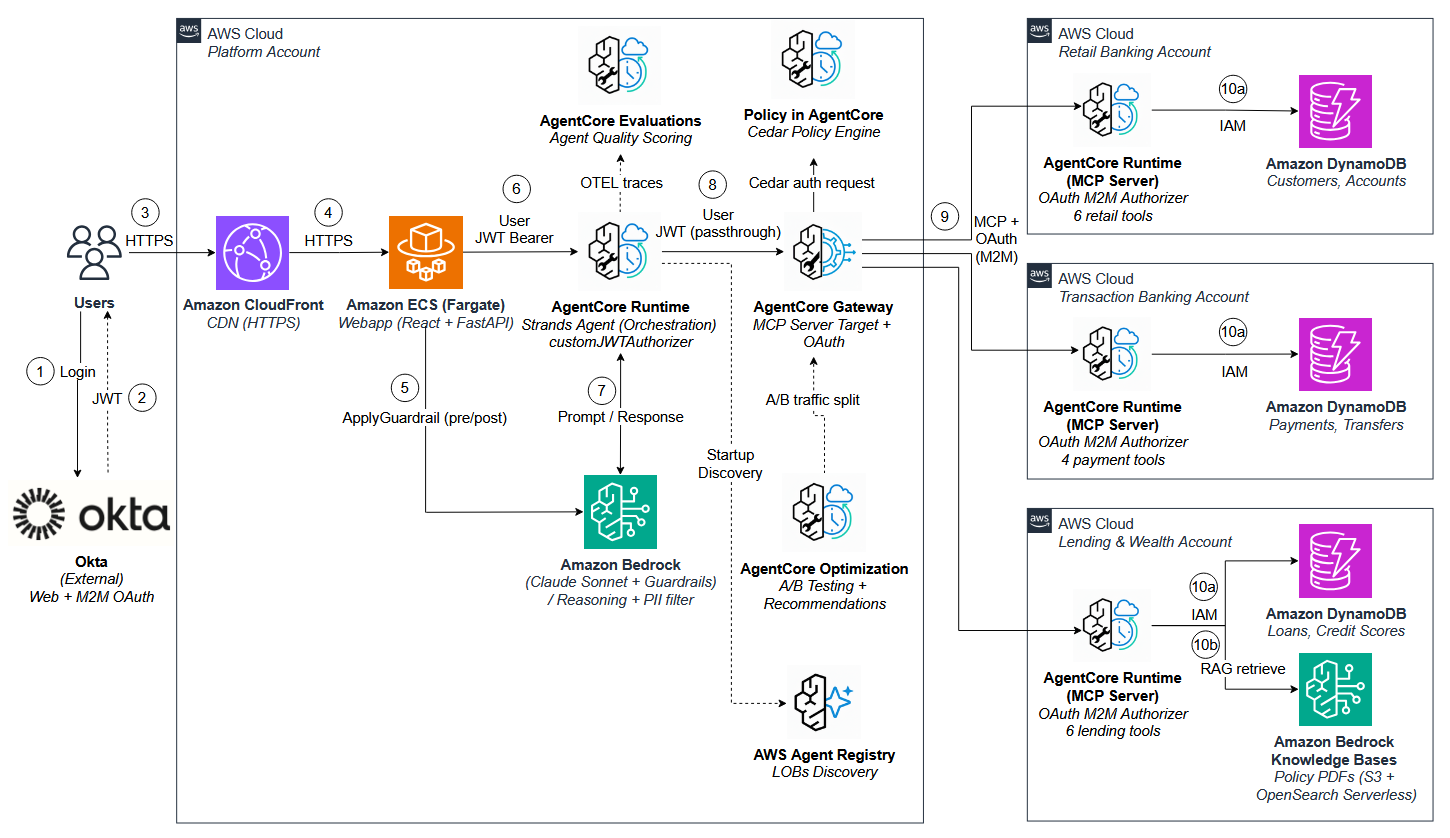
Enterprises seek AI agents to reason over data across multiple AWS accounts without centralizing it. Amazon Bedrock AgentCore Gateway enables unified querying while keeping data in each team's account.
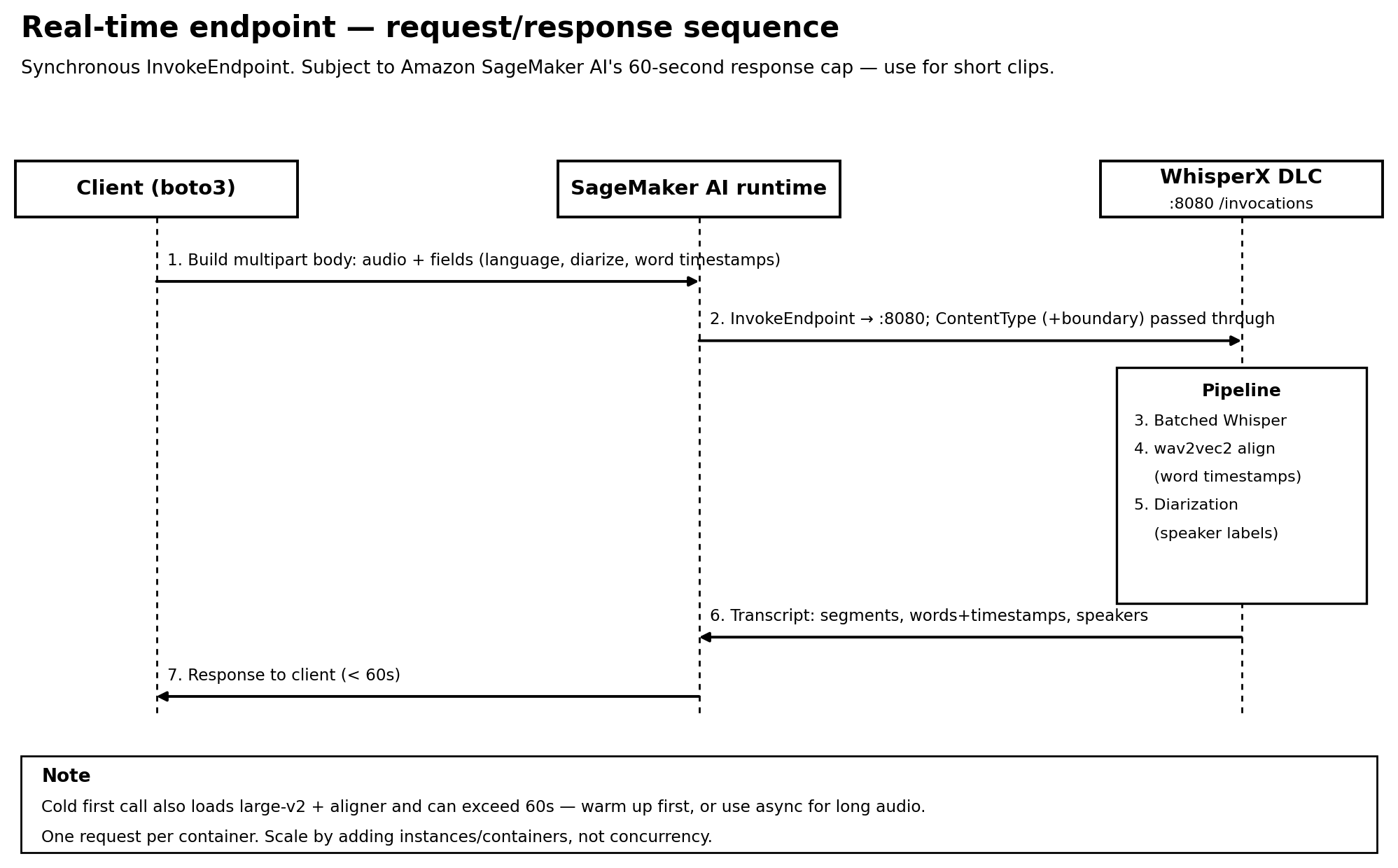
WhisperX enhances speech-to-text accuracy with per-word timestamps and speaker labels. AWS WhisperX DLC simplifies deployment for various workloads, including contact centers and media teams.
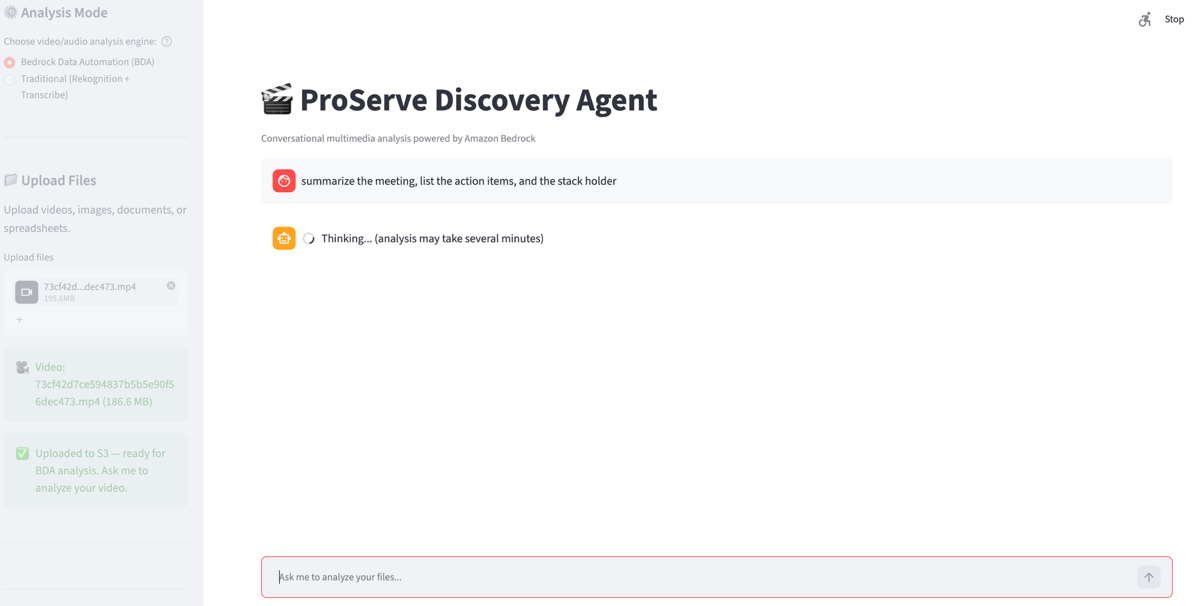
Agentic AI powers video intelligence, enabling natural language queries for quick video answers. Major companies reduce manual review time by 80% using this innovative solution.

David Siegel SM ’86, PhD ’91 named MIT Innovation Fellow for 2026-27, focusing on AI's role in scientific discovery at MIT and beyond. Siegel's long-standing MIT connection and leadership in AI, entrepreneurship, and philanthropy bring valuable insights to the Institute.

Sakeena Fiza, a validation engineer at NVIDIA, treats her work like a detective story, investigating the engines of the AI era. She ensures systems work flawlessly before mass production, collaborating across disciplines to catch issues before customers do.
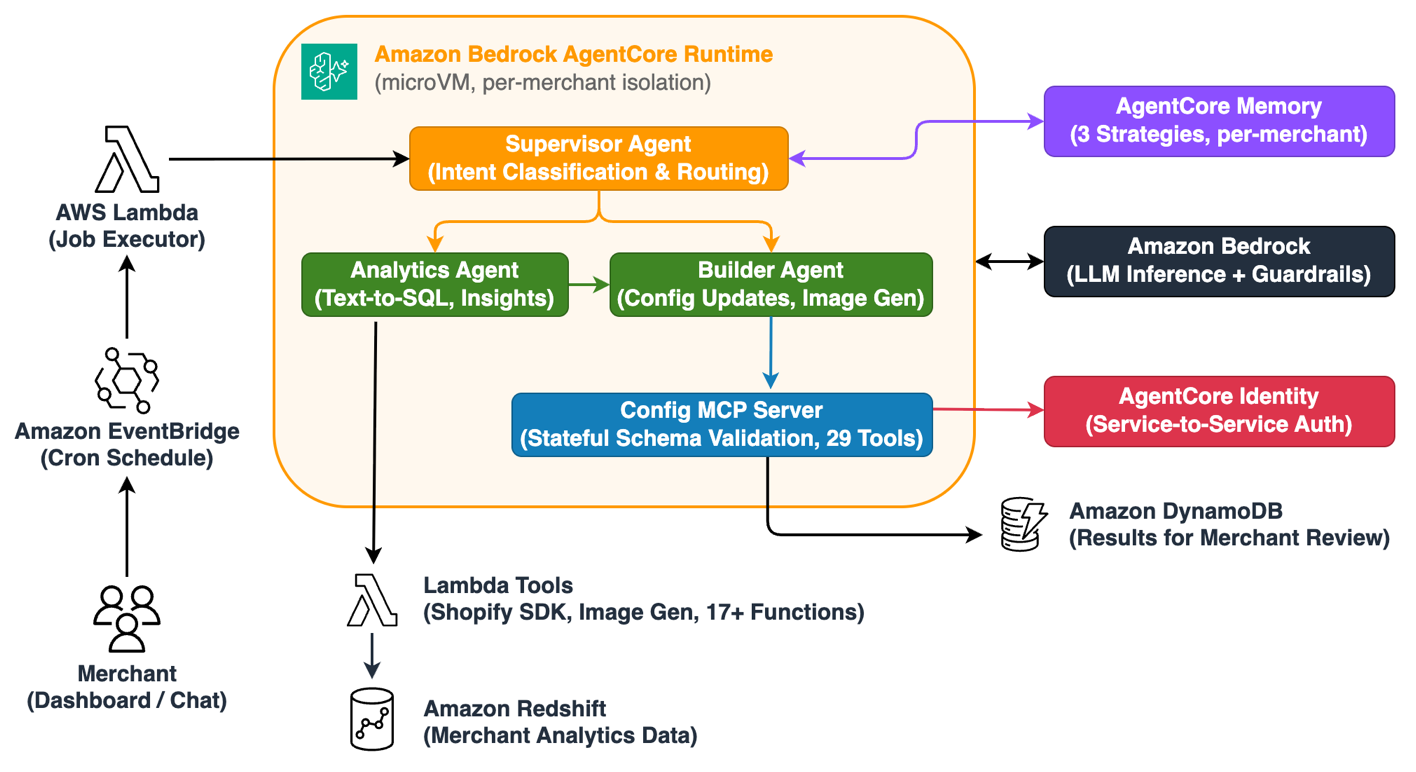
Reactiv uses Amazon Bedrock AgentCore to automate app updates for Shopify merchants, increasing efficiency by 80%. Their AI Scheduler allows merchants to easily schedule updates in natural language, reducing manual work and improving app performance.