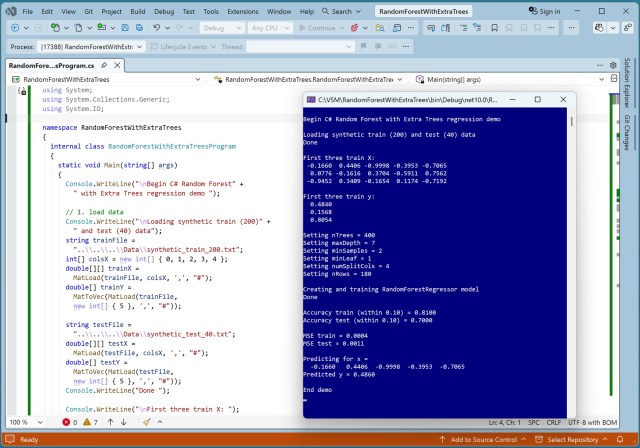
Реализация регрессии методом случайного леса с использованием алгоритма обучения Extra Tree показала точность 81% на обучающих данных и 70% на тестовых данных. Алгоритм Extra Trees менее эффективен, чем стандартные деревья решений, но он быстрее в обучении и может улучшить общую точность прогнозов.
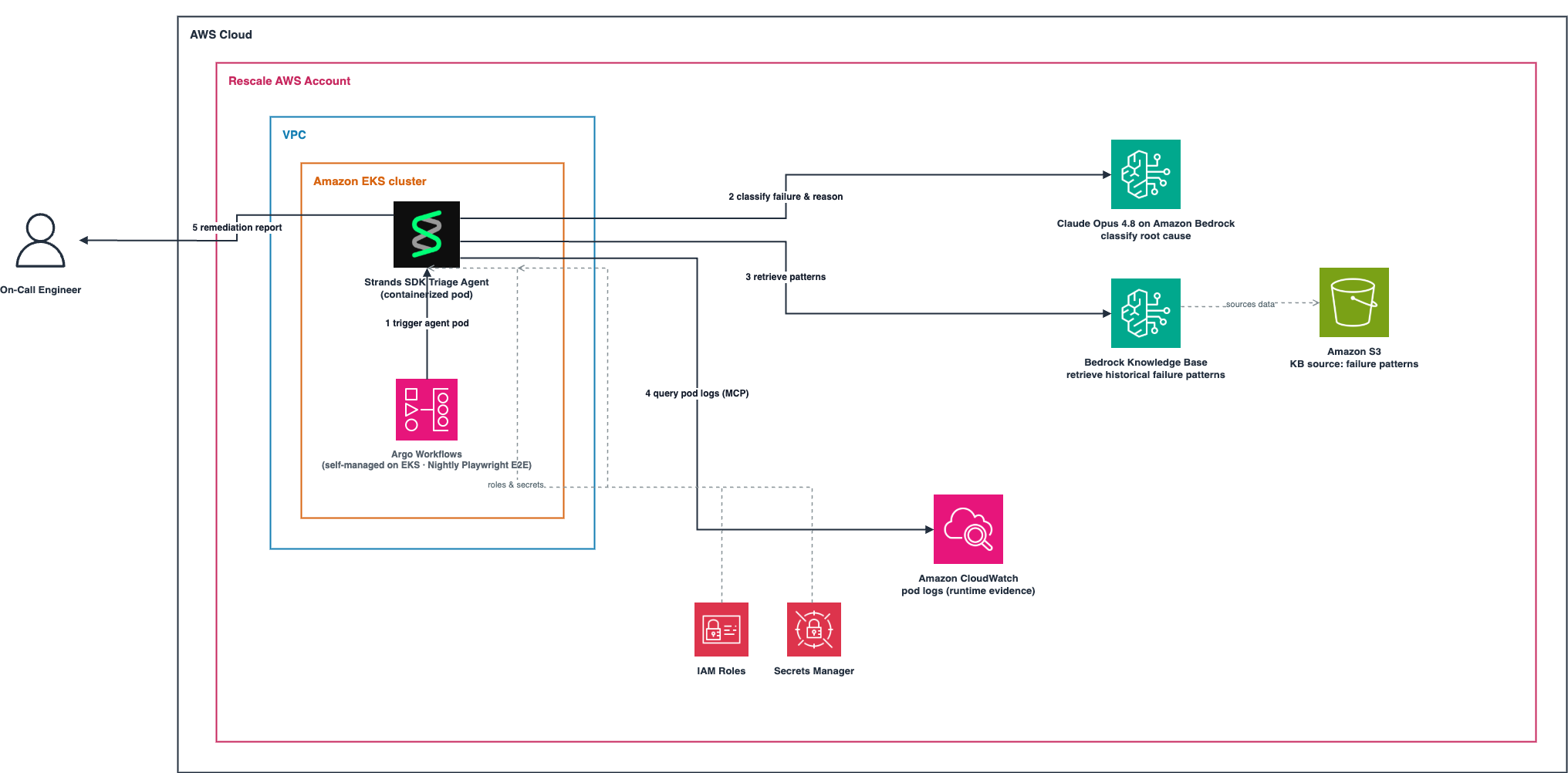
Платформа Rescale, основанная на искусственном интеллекте, ускоряет инновации в области инженерии за счет интеграции высокопроизводительных вычислений (HPC), моделирования, симуляции и искусственного интеллекта. Они использовали AI-DLC на AWS для создания интеллектуального агента сортировки, что позволило снизить операционные издержки и ускорить процесс развертывания.
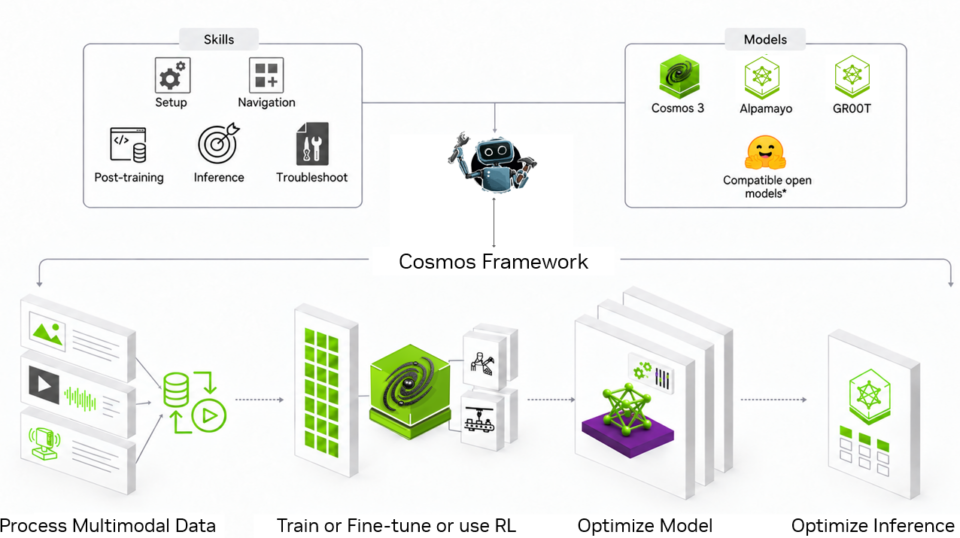
Компания NVIDIA расширяет платформу Cosmos, предлагая новые инструменты и шаблоны для создания моделей мира, занимая лидирующие позиции в рейтингах открытых моделей. Компании, такие как Porsche и ANYbotics, используют шаблоны Cosmos Data Factory для ускорения разработки систем искусственного интеллекта, работающих с физическим миром.
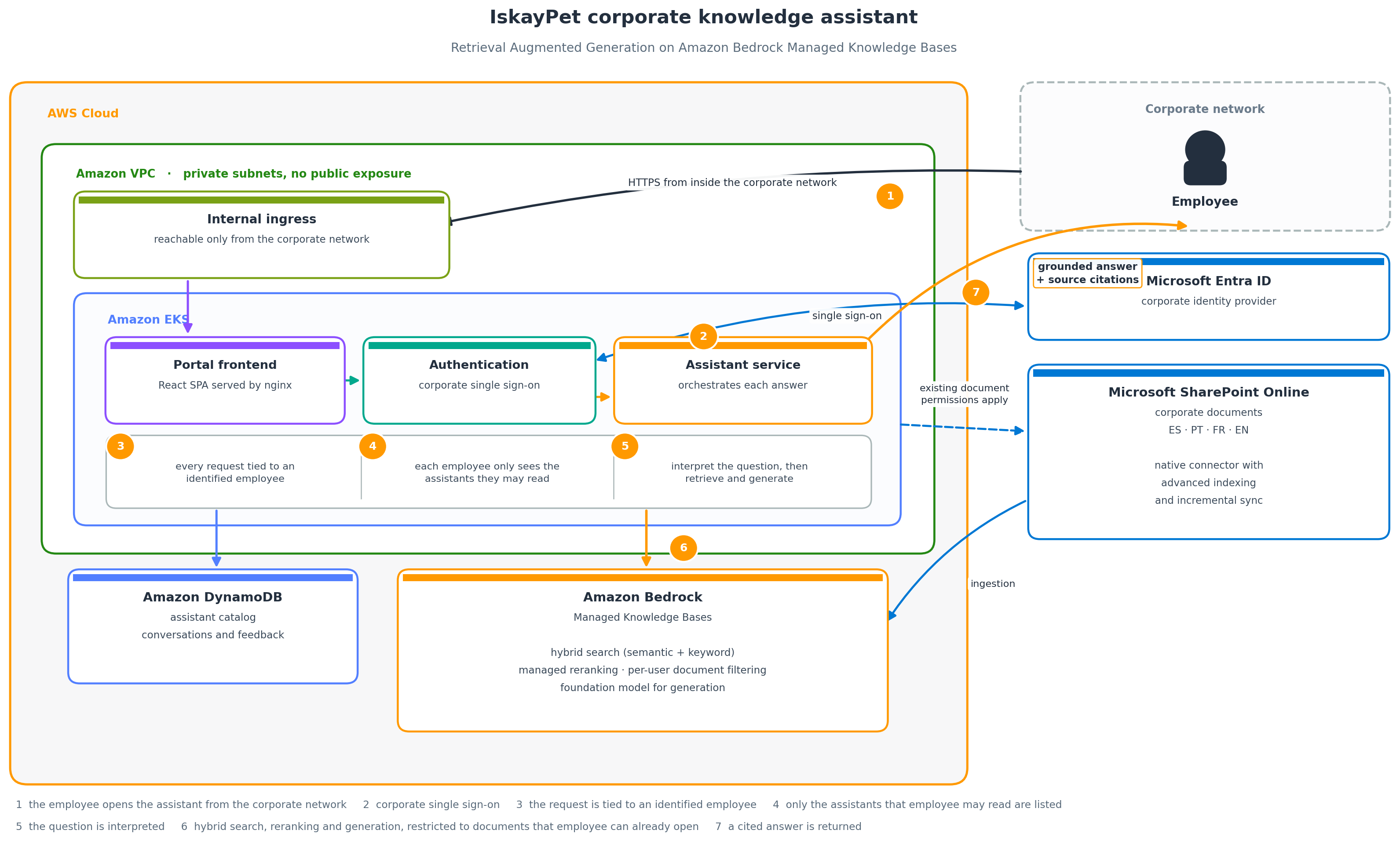
Компания IskayPet решила проблему недостатка знаний, создав корпоративного помощника на базе управляемых баз знаний Amazon Bedrock. Этот помощник отвечает на вопросы сотрудников на четырех языках в трех странах, не требуя инфраструктуры для извлечения информации (RAG), что повышает эффективность и точность работы.
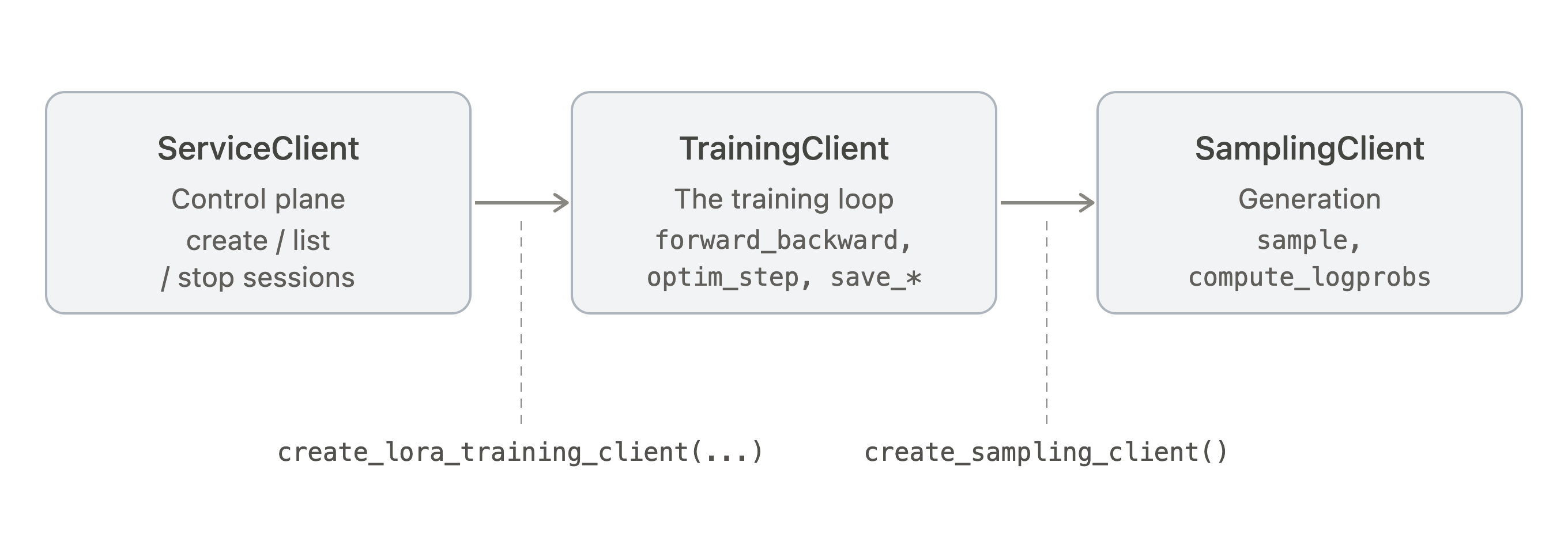
Amazon SageMaker AI представляет API для управления сеансами обучения, позволяющие пользователям запускать сеансы, использующие графические процессоры, из своих собственных Python-процессов. Пользователи могут использовать такие операции, как forwardbackward() и optimstep(), чтобы настраивать циклы обучения без необходимости управлять инфраструктурой, что позволяет быстро проводить эксперименты...
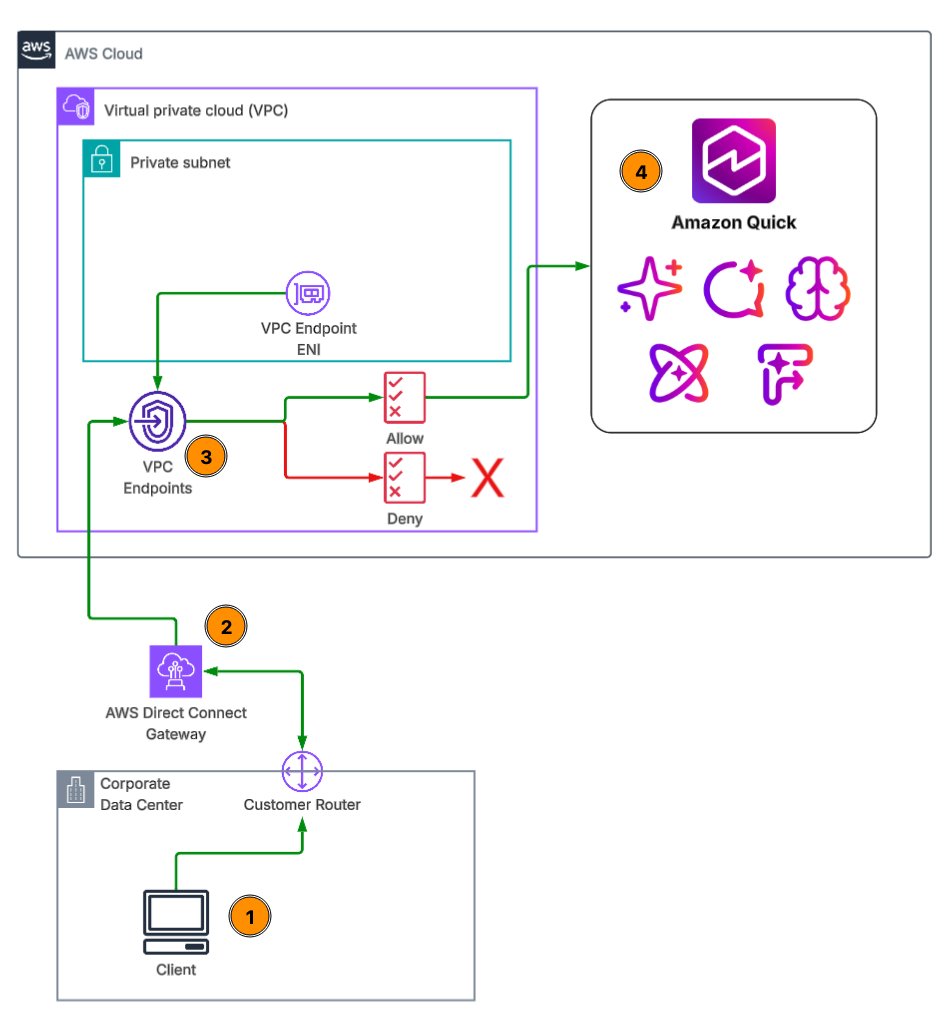
Подключите локальные данные к сервису Amazon Quick с помощью защищенного соединения через частную сеть, что снижает вероятность атак и обеспечивает соответствие требованиям безопасности. Amazon Quick предлагает возможности поиска, анализа и автоматизации на основе искусственного интеллекта в приватной и безопасной среде для обработки пользовательских запросов и получения данных.
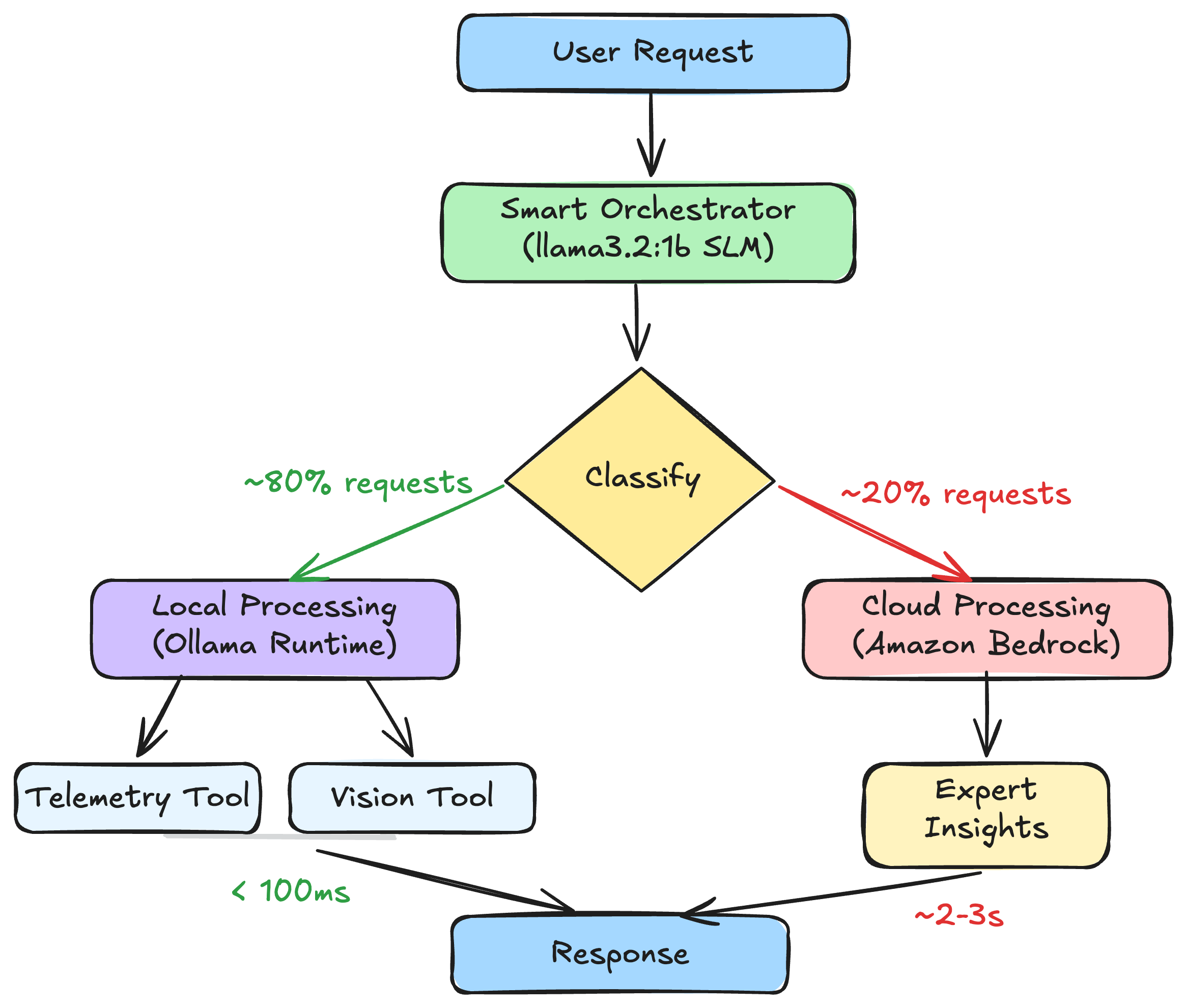
Фреймворк адаптивного агентного интеллекта (AAIF) использует небольшие языковые модели (SLM) для выполнения рутинных задач и облачные модели для обработки сложных запросов, что позволяет снизить затраты и задержки. Три уровня AAIF – интеллектуальная оркестровка, локальная обработка и облачная обработка – оптимизируют работу искусственного интеллекта для различных типов задач, демонстрируя гибки...
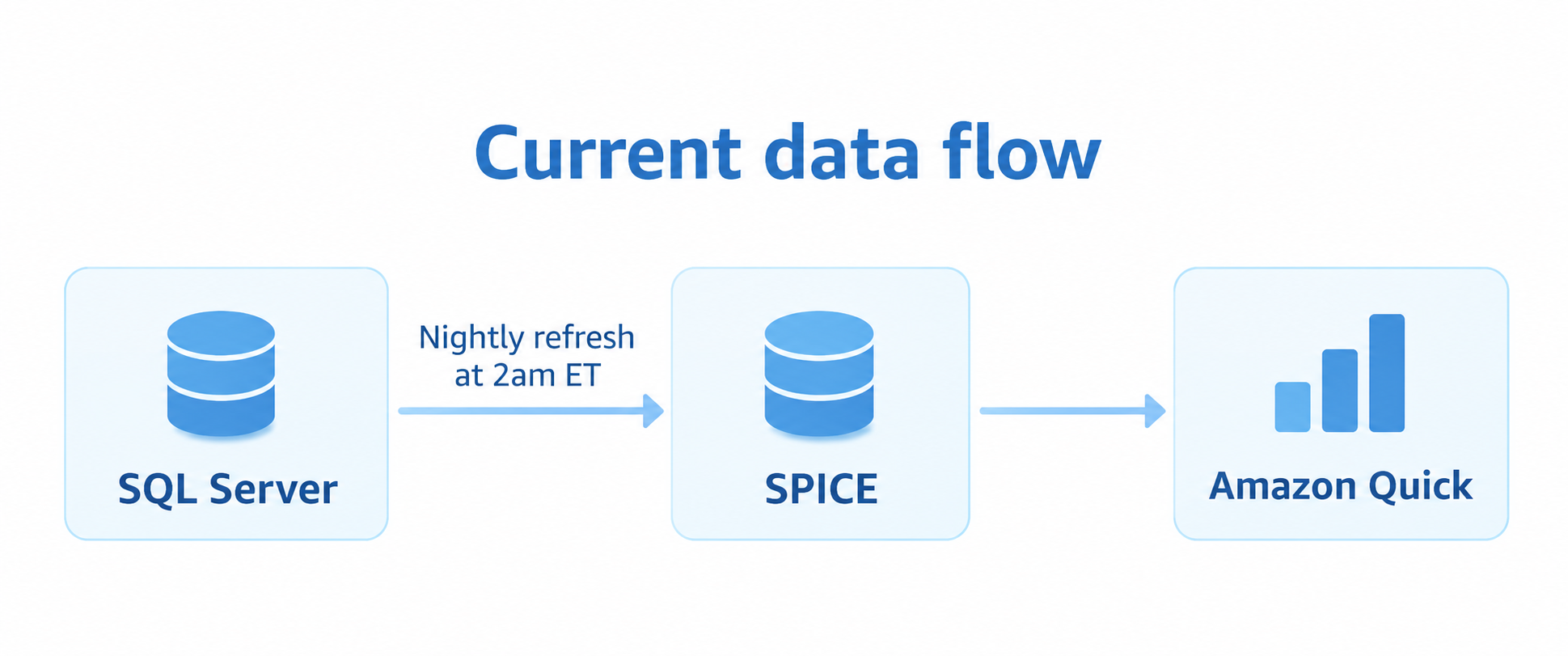
Миссия организации U.S. Hunger заключается не только в предоставлении еды, но и в понимании потребностей семей. Личная заинтересованность президента Рика Уиттеда способствует росту организации и ее инновационному использованию платформы Amazon Quick для анализа данных.
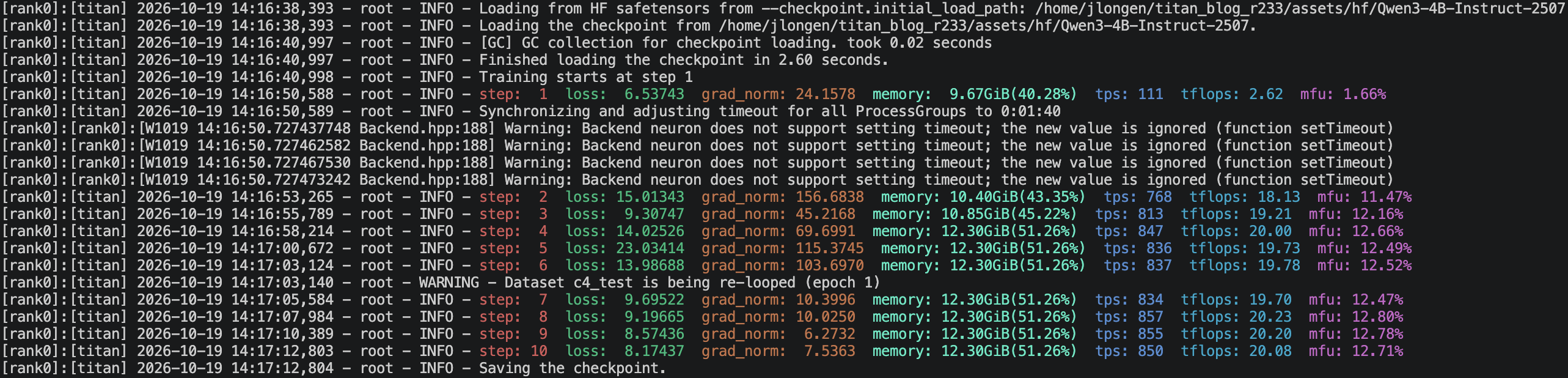
Обучите модель Qwen3 тремя способами на одном экземпляре trn2.48xlarge, используя технологию torchtitan на процессорах AWS Trainium. Настройте реализацию модели и ядра для вашей рабочей нагрузки с помощью интерфейса Neuron Kernel Interface (NKI) и ядер MoE.
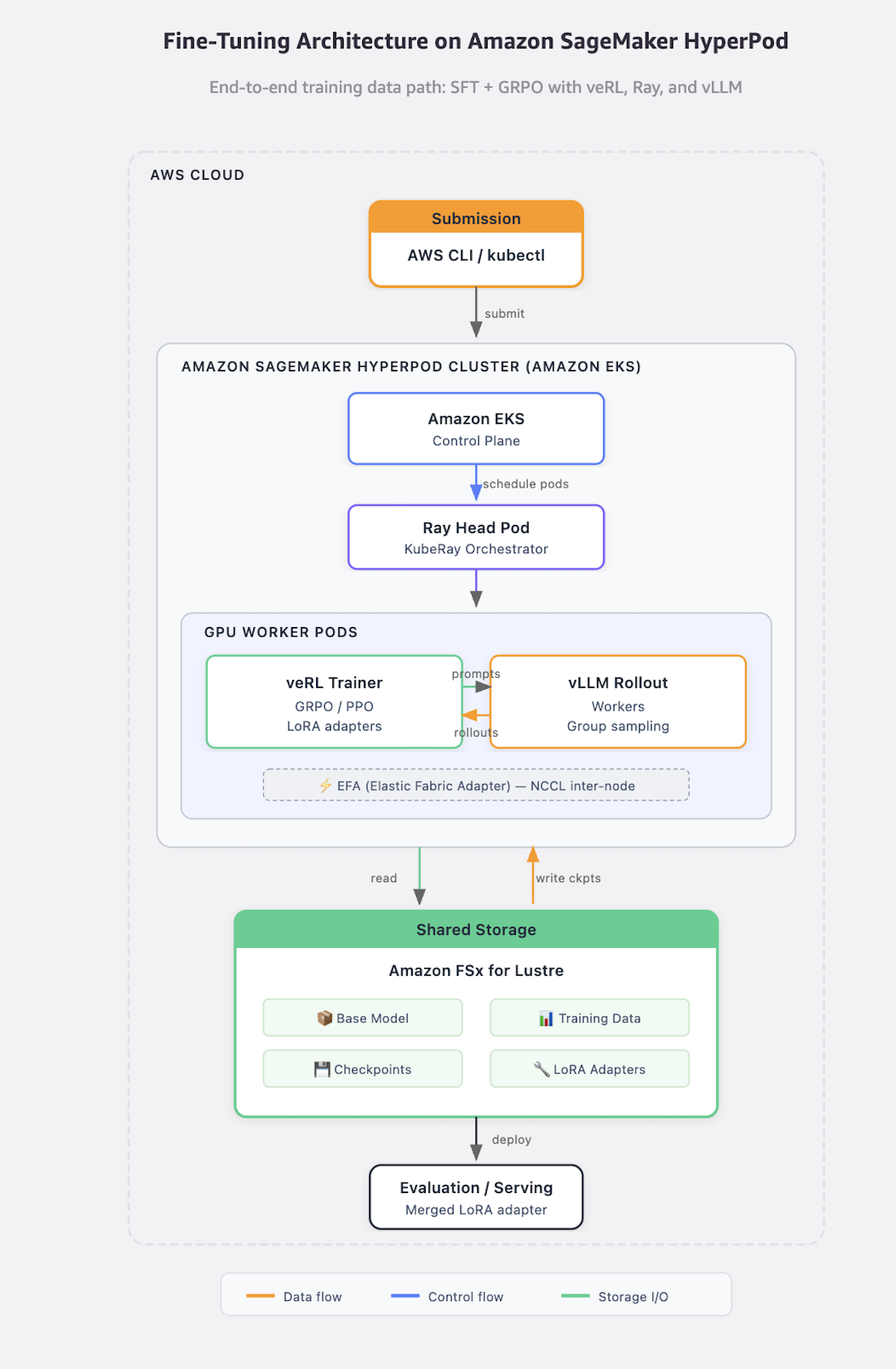
Модель GPT-OSS-20B испытывает трудности с многоязычным анализом и часто использует английский язык. Тонкая настройка модели с использованием методов SFT и GRPO на платформе Amazon SageMaker HyperPod повышает точность работы с разными языками.
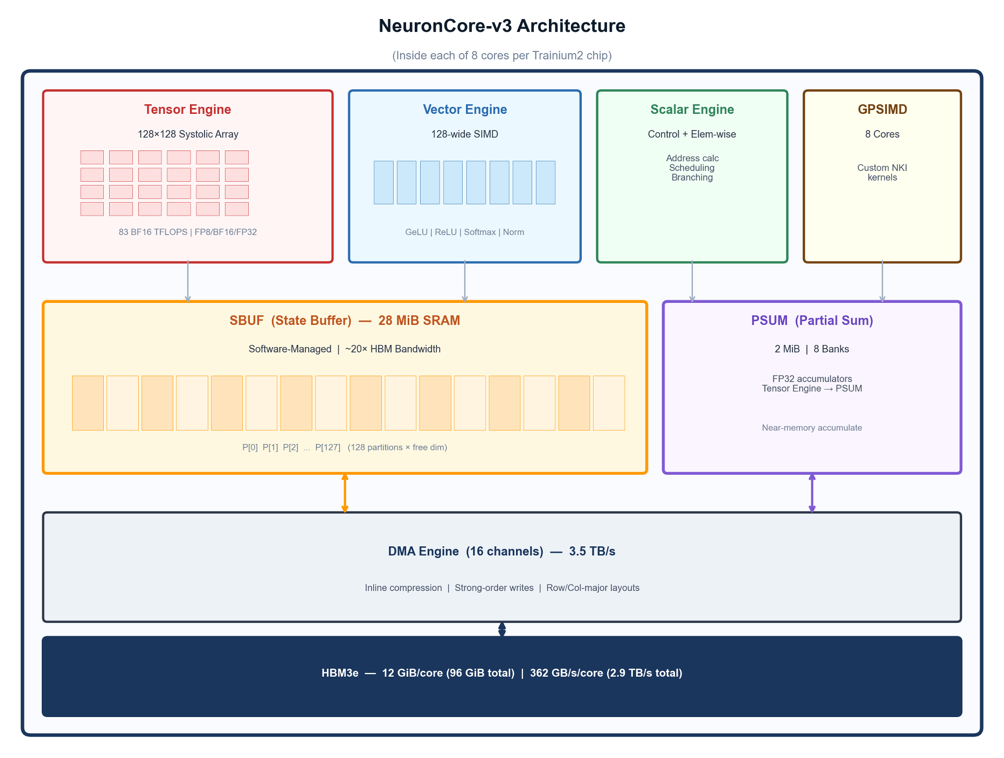
Компания i14 разработала модель Laplace 3B, основанную на механизме линейного внимания, чтобы решить проблемы масштабируемости традиционных больших языковых моделей. Сотрудничая с AWS, они оптимизировали эту модель для процессоров Trainium2, достигнув высокой скорости обучения и фиксированного объема памяти при выполнении вычислений.
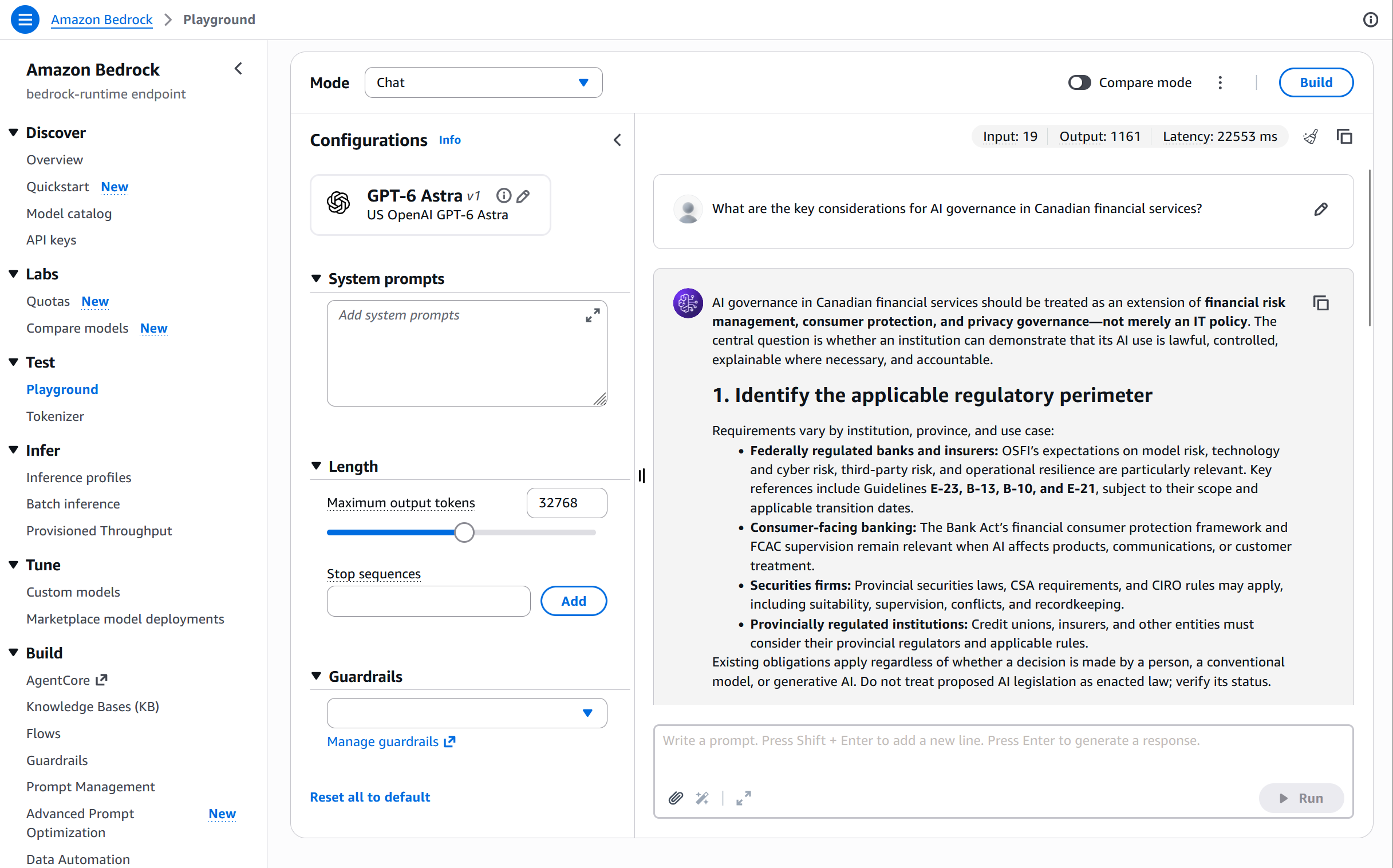
Канадские организации, использующие Amazon Bedrock, теперь могут получить доступ к новейшим моделям OpenAI, включая GPT-6, в канадских регионах AWS с возможностью использования ресурсов из других регионов. Доступные в Канаде модели предлагают широкий спектр возможностей, от сложных вычислений до быстрой и экономичной работы, поддерживая текстовые и графические входные данные с контекстным окном...
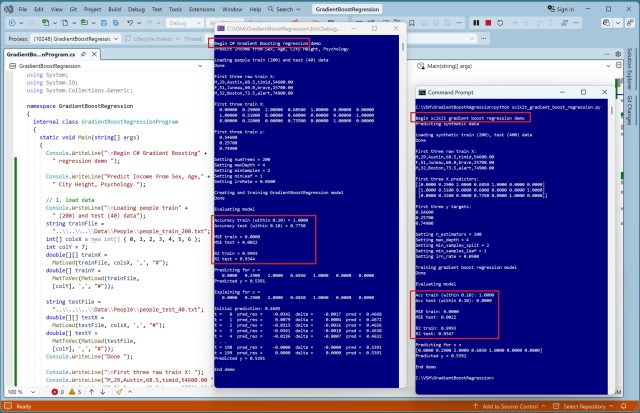
Моя реализация на C# для оценки кредитоспособности (GBR) соответствует результатам, полученным с использованием библиотеки scikit-learn, и позволяет точно прогнозировать доход на основе пола, возраста, города, роста и психологических характеристик. Эта реализация на C# обеспечивает подробные объяснения результатов прогнозирования, демонстрируя ее эффективность и прозрачность в задачах машинного...

Error during translation: [Errno 110] Connection timed out

Error during translation: [Errno 110] Connection timed out