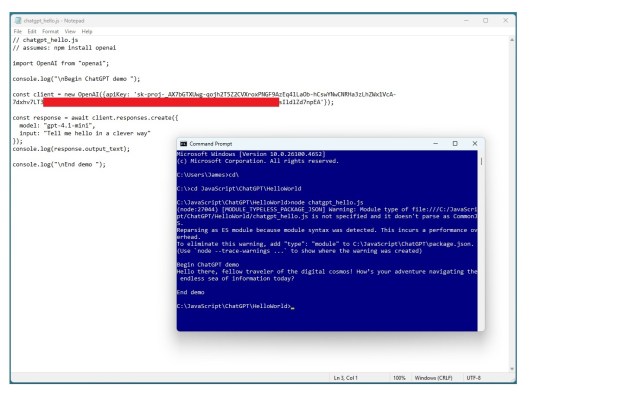
Learn to call the OpenAI API (ChatGPT) programmatically with JavaScript on Windows. Simplify the process by following 4 easy steps: Install node.js, create an OpenAI account, write a JavaScript program, and run it.
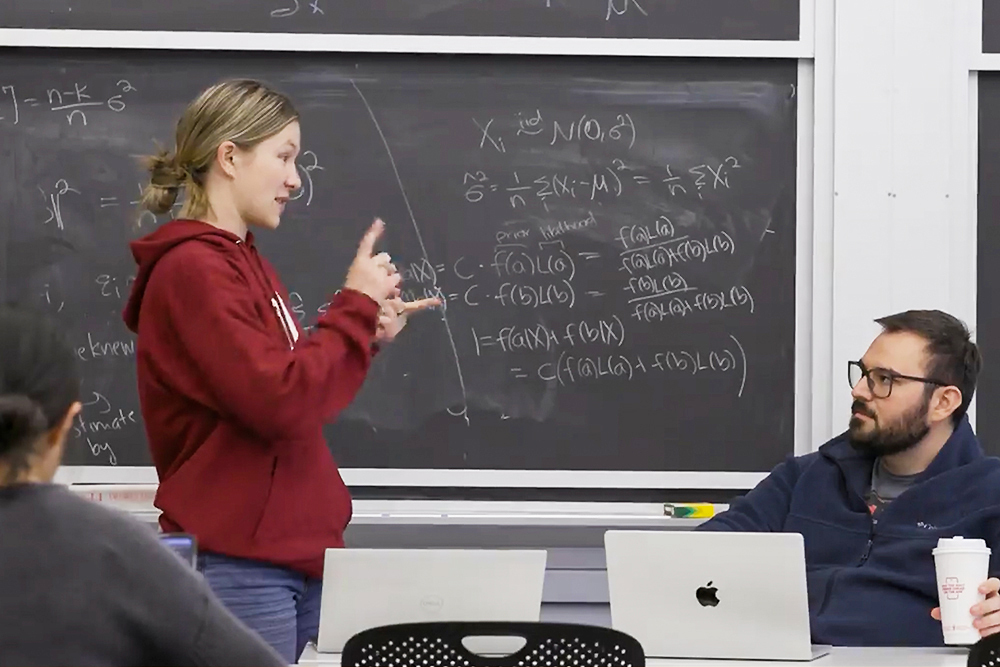
AI optimization benefits mechanical engineers with faster, more accurate designs and simulations. MIT's popular AI and Machine Learning for Engineering Design course explores new product creation and engineering challenges through advanced AI and optimization strategies.

Media sites combat declining traffic as AI companies scrape content. Financial Times CEO proposes news alliance for negotiations.

Anthropic agrees to pay $1.5bn in landmark settlement with authors over pirated copies used to train chatbots, marking a potential turning point in AI copyright battles.
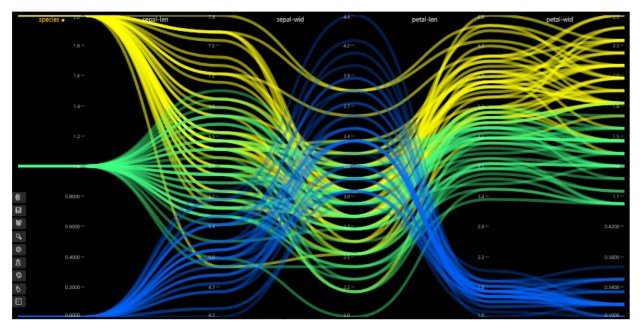
Thorsten Kleppe showcases stunning data visualizations in his PDF on modern data visualization techniques. The paper delves into color choices, line design, opacity, and more for creating impactful visuals.
Coventry city council reviews £500,000-a-year Palantir AI deal over links to Israeli military and US immigration crackdown. Workers and unions protest, citing concerns over company's involvement with Israel Defense Forces and NHS data management.
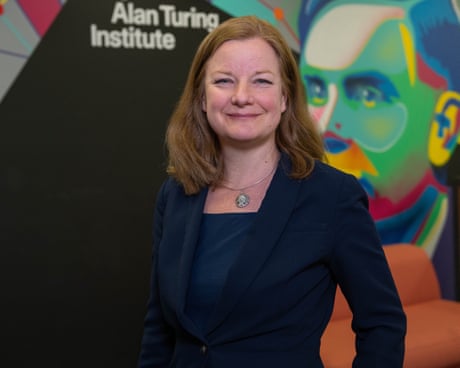
Jean Innes, CEO of the Alan Turing Institute, steps down amid staff revolt and government pressure for strategic change. Time for a 'new chapter' at the UK's top AI research body.

3D printing has evolved from experimental to practical, but its environmental impact remains a concern. MIT researchers developed SustainaPrint, a toolkit that combines eco-friendly and strong filaments to reduce plastic use without sacrificing strength.

Melania Trump shifts focus to AI in education, launching taskforce with top tech leaders at the White House. The "Presidential AI Challenge" aims to integrate artificial intelligence into childhood education.
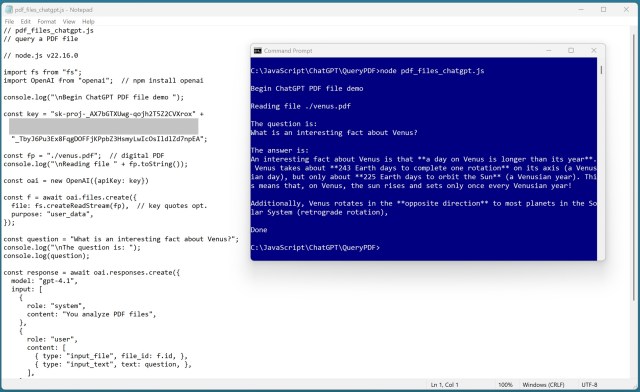
Using OpenAI's ChatGPT API, a demo was created to analyze PDF files, with a transition from Python to JavaScript. The program successfully extracted unique information about Venus from PDFs, showcasing the API's capabilities.

Melania Trump highlights AI's impact on US economy, praises private-sector investment at White House AI taskforce meeting. Discussion with tech CEOs focuses on saturating US schools with AI to prepare for the future.
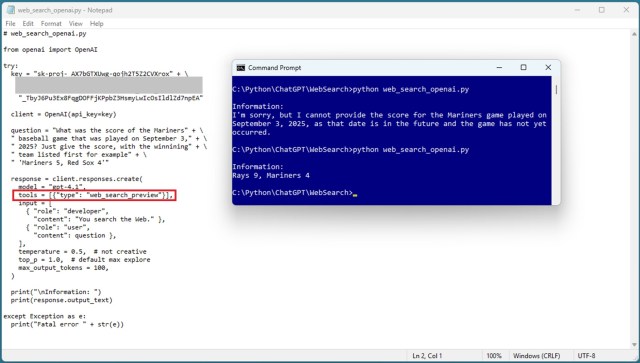
OpenAI's Responses API allows GPT-4 to search the Web for real-time information, making AI-powered responses more accurate and up-to-date. Despite AI's incredible capabilities, there are still risks of incorrect answers, highlighting the importance of human oversight in AI technology.

Fable to recreate lost 43 minutes of Orson Welles' The Magnificent Ambersons using AI tools from Showrunner platform. Hollywood studio RKO destroyed missing portions of the auteur's legendary film in 1942.

NVIDIA Blackwell RTX brings GeForce RTX 5080 power to cloud gaming, unlocking high resolutions and frame rates. New games like Battlefield 6 and Hell Is Us are launching in the cloud, offering immersive experiences with stunning visuals and gameplay.

Storyboarding is evolving with AI foundation models like Amazon Nova Canvas and Amazon Nova Reel, offering new ways to create visuals and clips. Maintaining character consistency and stylistic coherence presents challenges, but practical solutions are explored in this series, including techniques for fine-tuning Amazon Nova Canvas for exceptional visual results.