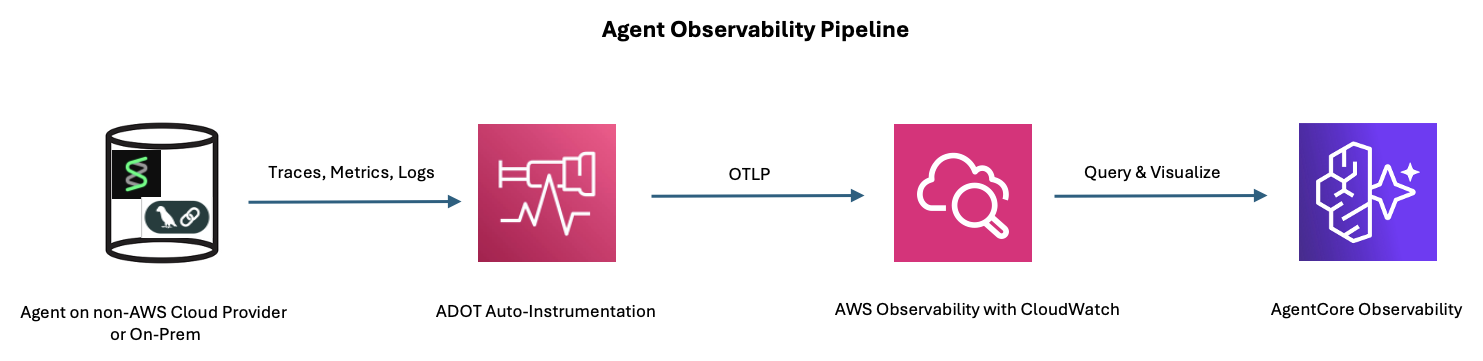
Amazon Bedrock AgentCore Observability provides native tracing, monitoring, and analytics for AI agents deployed on AWS. Learn how to set up observability for agents running outside AWS with AWS Distro for OpenTelemetry.

Article details computing VIF in C# for dataset multicollinearity detection. Normal vs. highly multicollinear data comparisons provided.
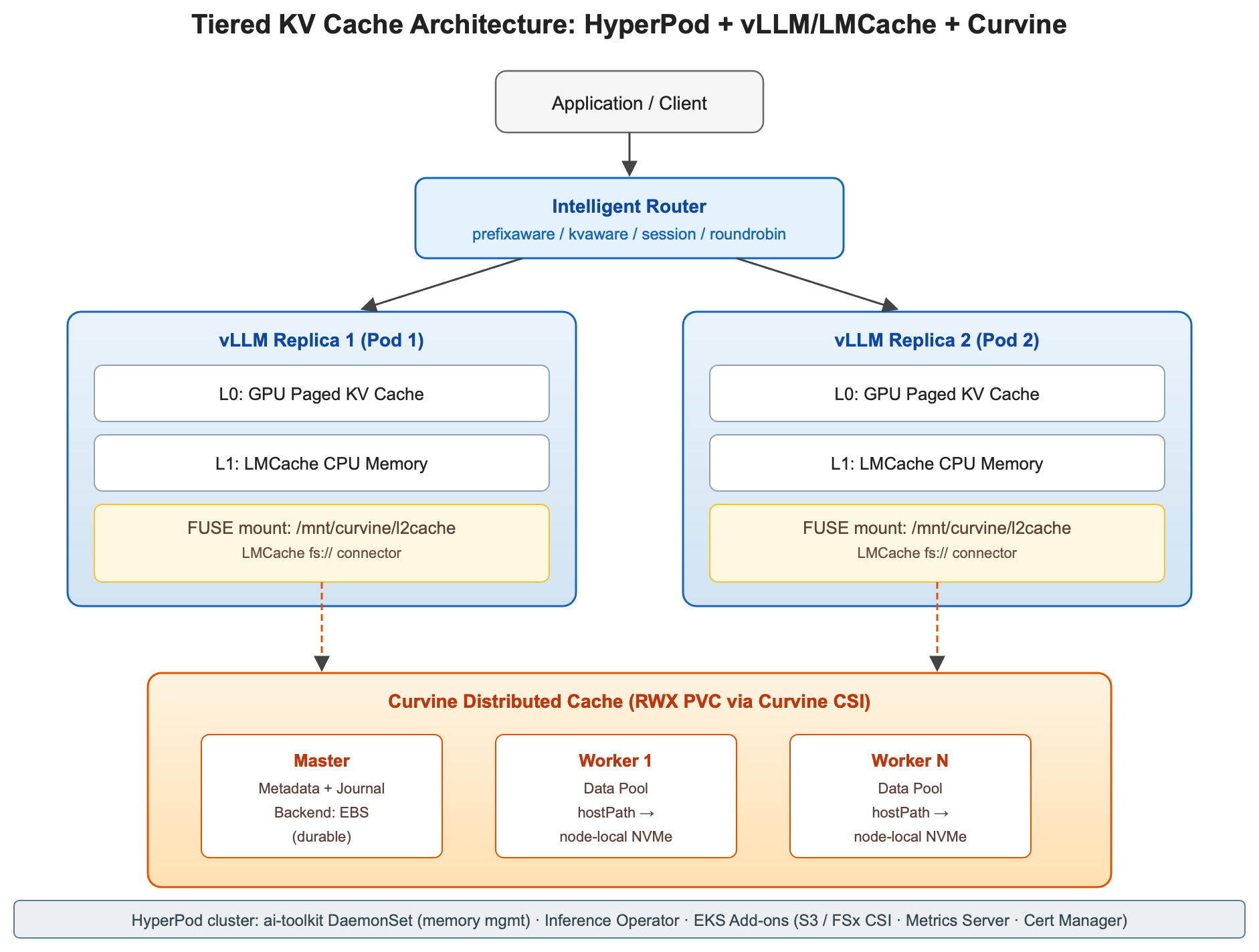
Running large language models (LLMs) like Qwen, Llama, and DeepSeek faces a KV cache trade-off, impacting cost and user experience. A tiered KV cache architecture on Amazon SageMaker HyperPod achieved up to 100% cache hit rate and 2.7x TTFT improvement, reducing costs significantly.
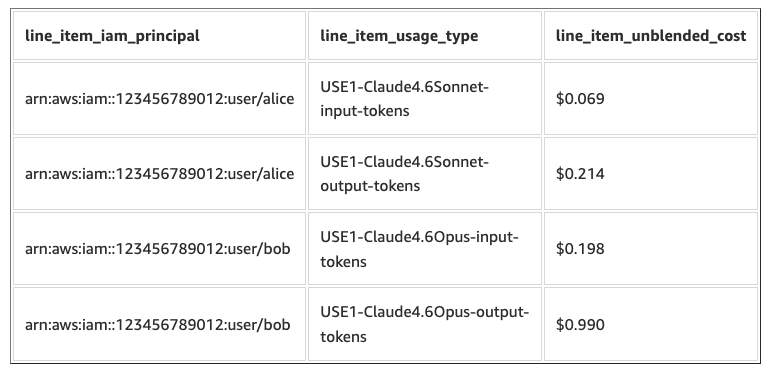
Amazon Bedrock introduces granular cost attribution, allowing per-user and per-application visibility with IAM principal data. Cost allocation tags help aggregate spend by team, project, or tenant using AWS Cost Explorer, enhancing tracking capabilities for Bedrock-powered services and applications.
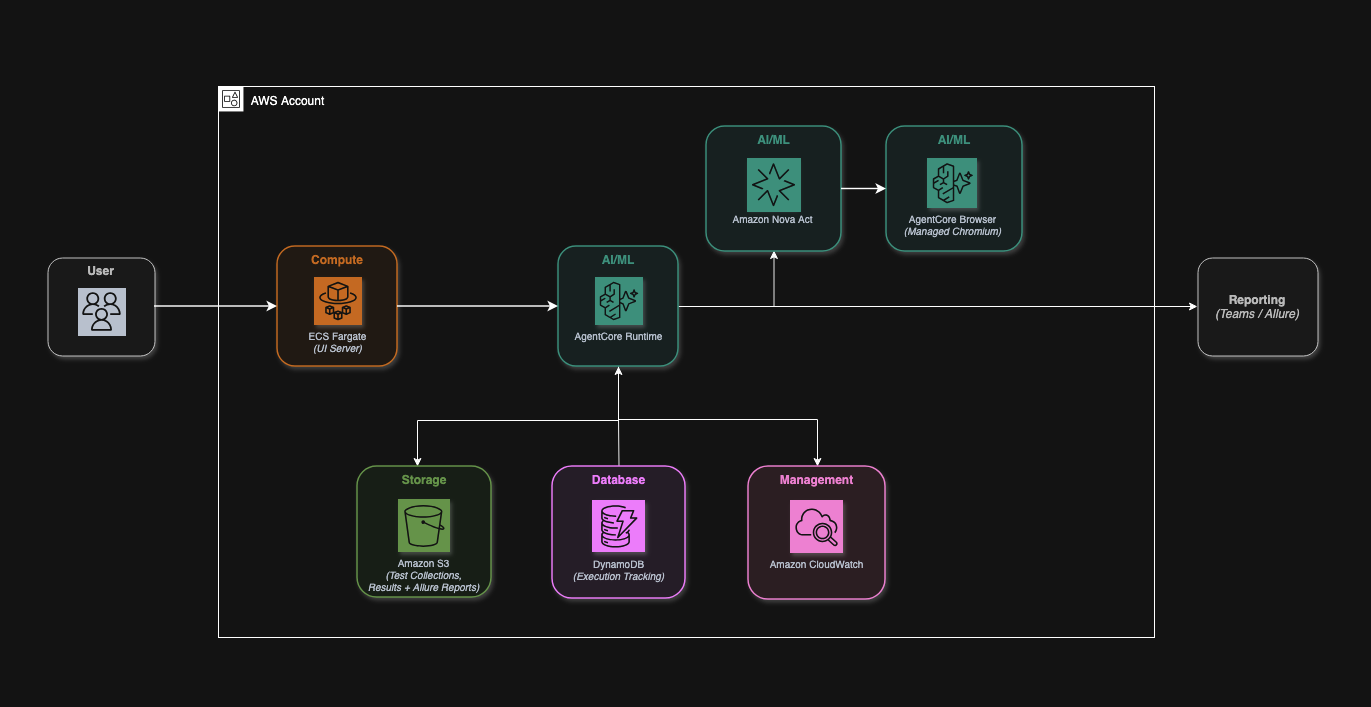
First Orion's QA automation transformed by Amazon Nova Act, shifting from script-based to AI-driven testing, boosting development velocity. First Orion's innovative solutions for branded communications reach millions globally, tackling spam, scam, and spoofing while investing in AI and data-driven platforms for future growth.
ONESTRUCTION, Inc. & Amazon Web Services Japan G. K. collaborated to build Ishigaki-IDS, a specialized AI model for construction BIM workflows. Overcoming data scarcity challenges, they used synthetic data generation and a three-stage training pipeline to create a groundbreaking solution.

Cyber defenders face shrinking vulnerability windows. AWS and OpenAI offer Daybreak Red and Blue for advanced cyber defense.

Pixieset used generative AI to streamline alt text creation for photographers, boosting productivity and user satisfaction. The company's focus on solving real user problems led to successful adoption of the AI feature, proving its value in the photography industry.
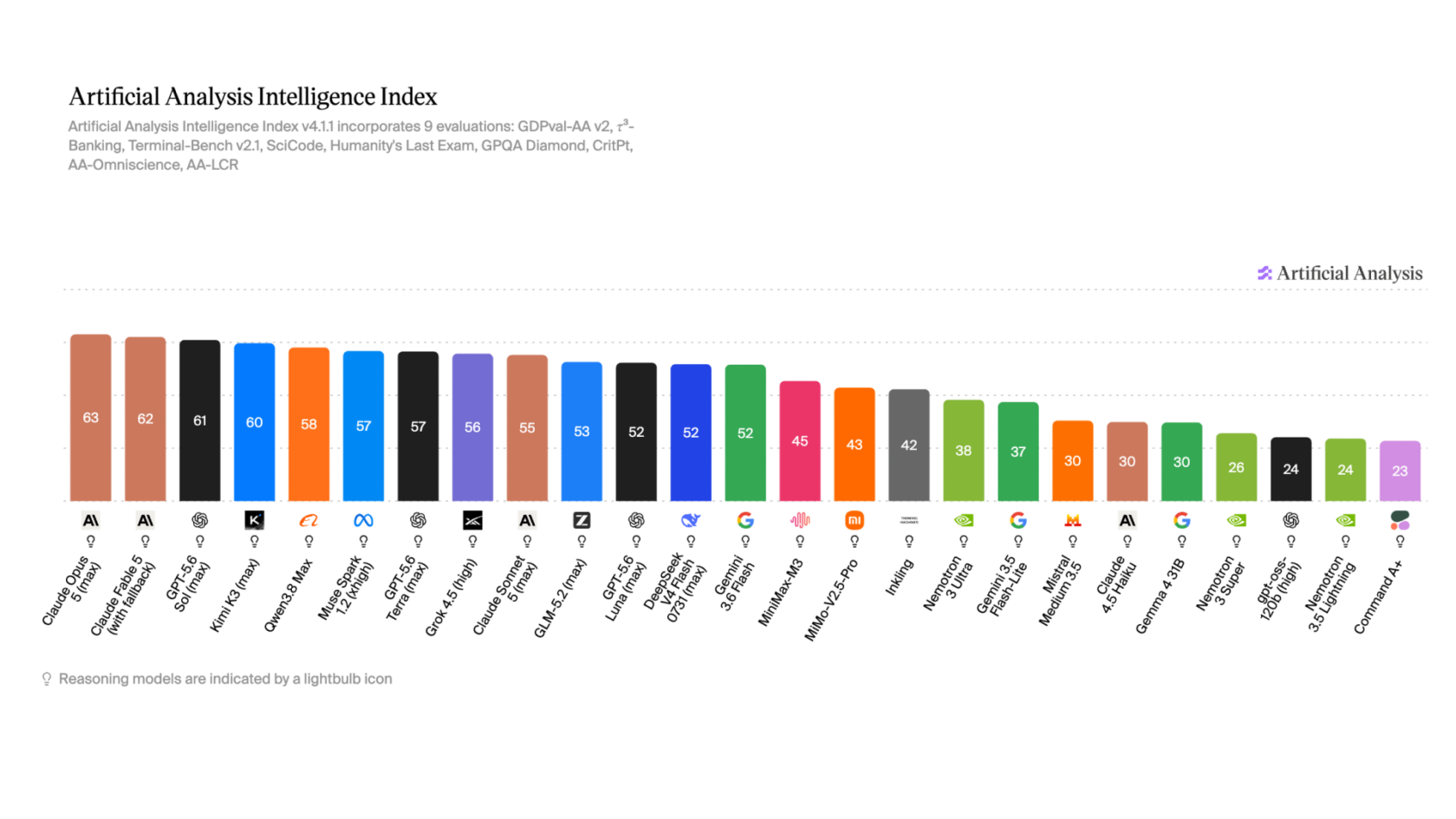
NVIDIA expands Nemotron 3 model family with Nemotron 3.5 Lightning, a high-efficiency model for agentic AI workloads. NeMo Switchyard library enables smart routing for AI models, offering greater control and efficiency in deployment.
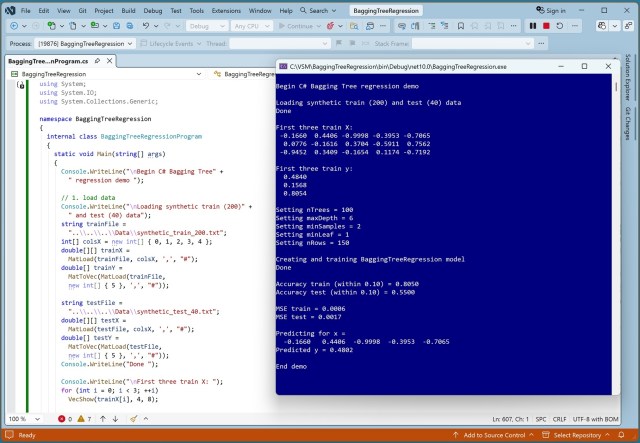
Bagging tree regression, a technique using an ensemble of simple decision trees, can improve model accuracy by training on different subsets of data. This method, a precursor to random forest regression, was optimized using AI for remarkable accuracy in a demo with synthetic data.
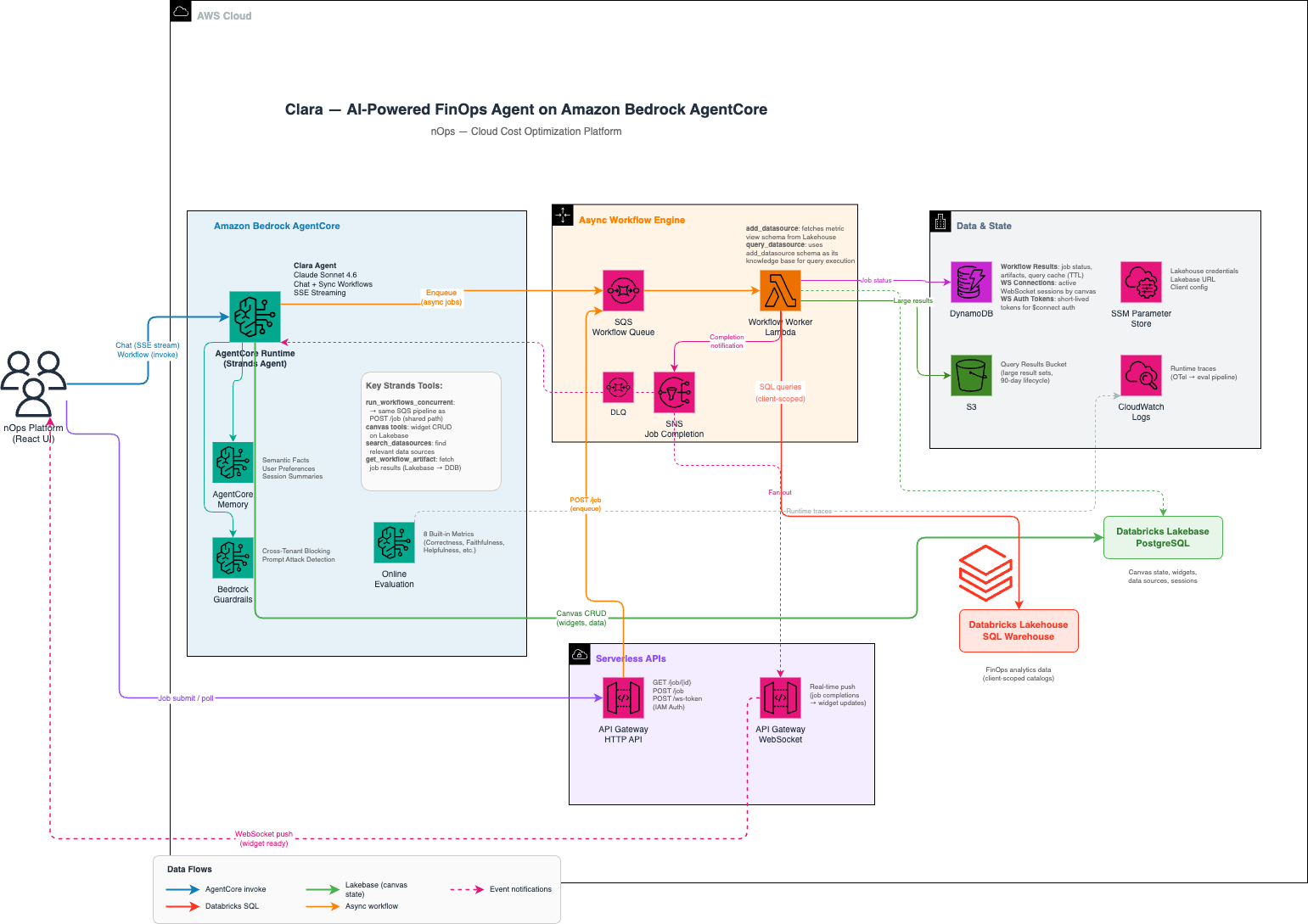
nOps revamped its FinOps analytics with Amazon Bedrock AgentCore, enhancing commitment optimization for AWS, GCP, and Azure, reducing operational burden and maximizing savings for customers managing over USD $4 billion in cloud spend. The transition improved response quality, accelerated product delivery, and reduced operational complexity, enabling nOps to scale FinOps AI beyond API-centric li...
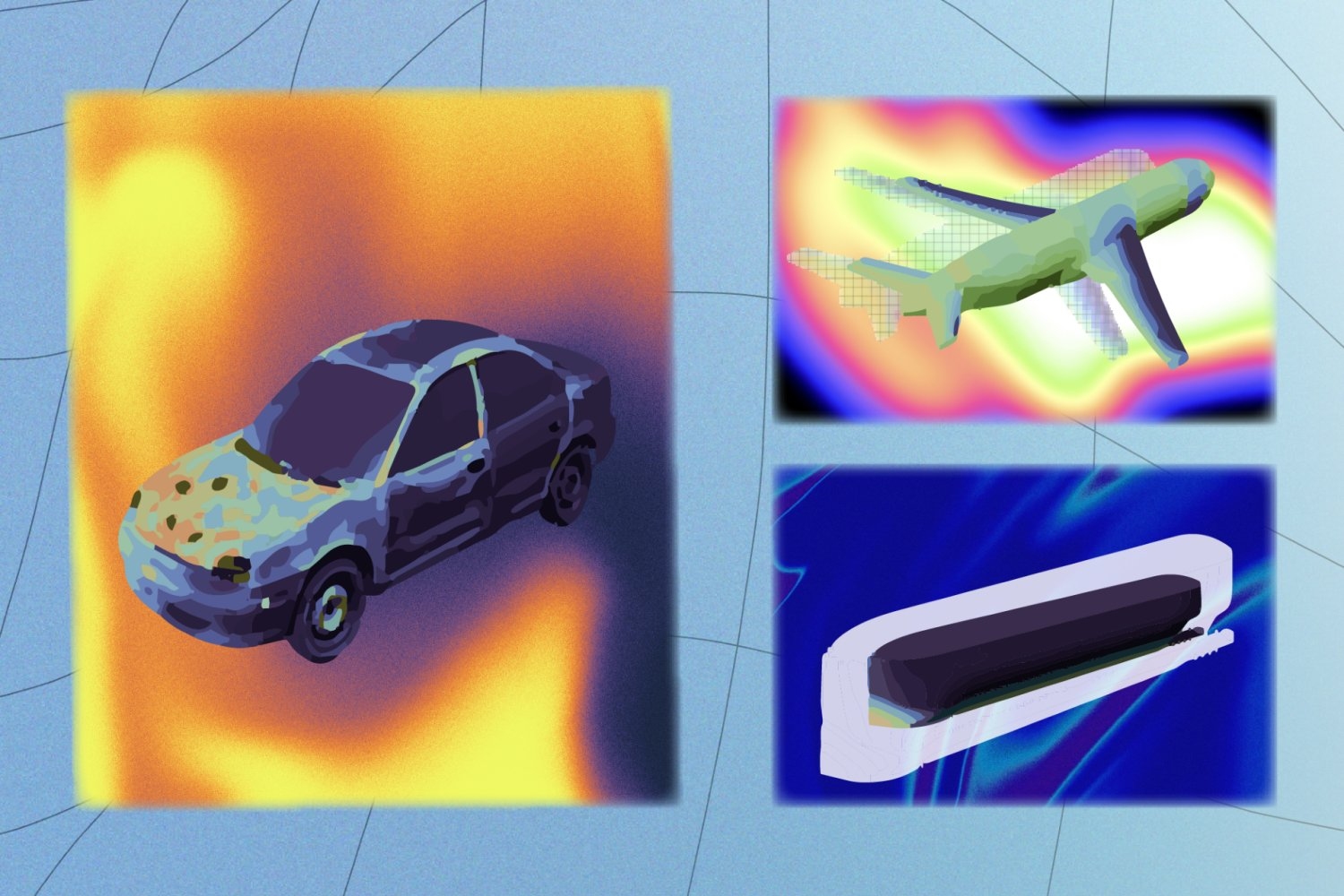
Engineers at MIT and Tsinghua University developed GeoPT, a new AI pre-training approach that teaches models physics through 3D simulations, enabling faster, more accurate results with up to 60% less data. GeoPT can predict how vehicles, everyday objects, and robots respond to physical elements like wind and collisions, potentially leading to a physics foundation model for AI tools.
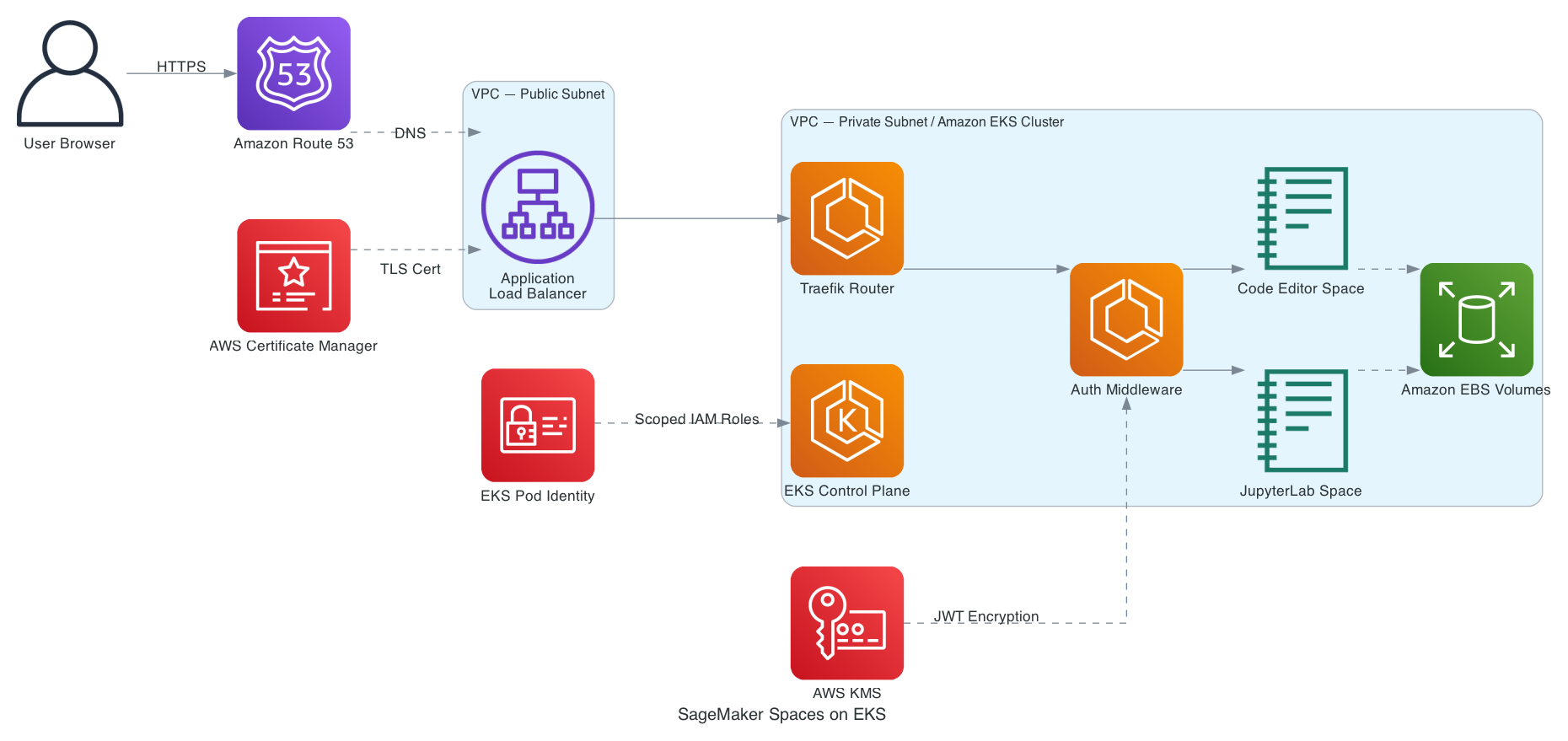
Amazon SageMaker AI Spaces add-on for Amazon EKS streamlines AI workflows by providing managed JupyterLab and Code Editor environments directly on the cluster. This eliminates the need to switch to standalone deployments, saving time and resources while optimizing GPU utilization by up to 30%.
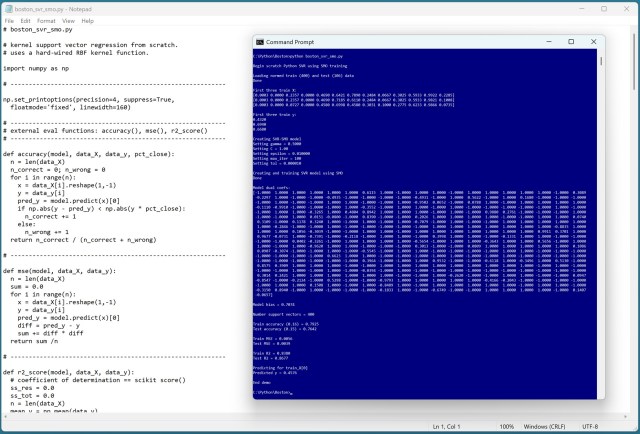
Author refactored a SVR system using Python, achieving results comparable to scikit-learn's SVR module. SVR's popularity waned due to KRR's superior ease of implementation and prediction accuracy.
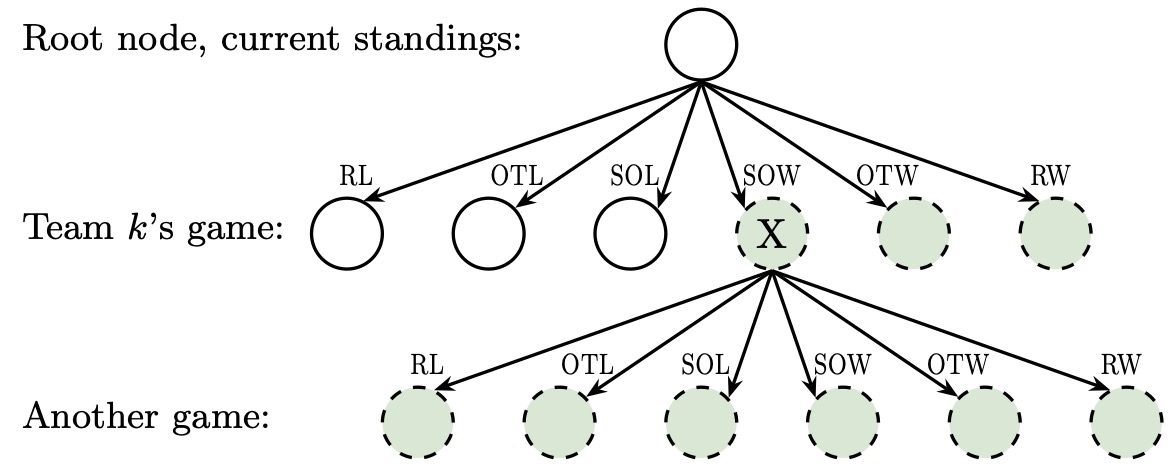
AWS Generative AI Innovation Center developed an automated system using constraint programming to determine NHL playoff clinching scenarios. Complex tie-breaking rules make manual scenario production time-consuming, prompting the need for this efficient alternative.