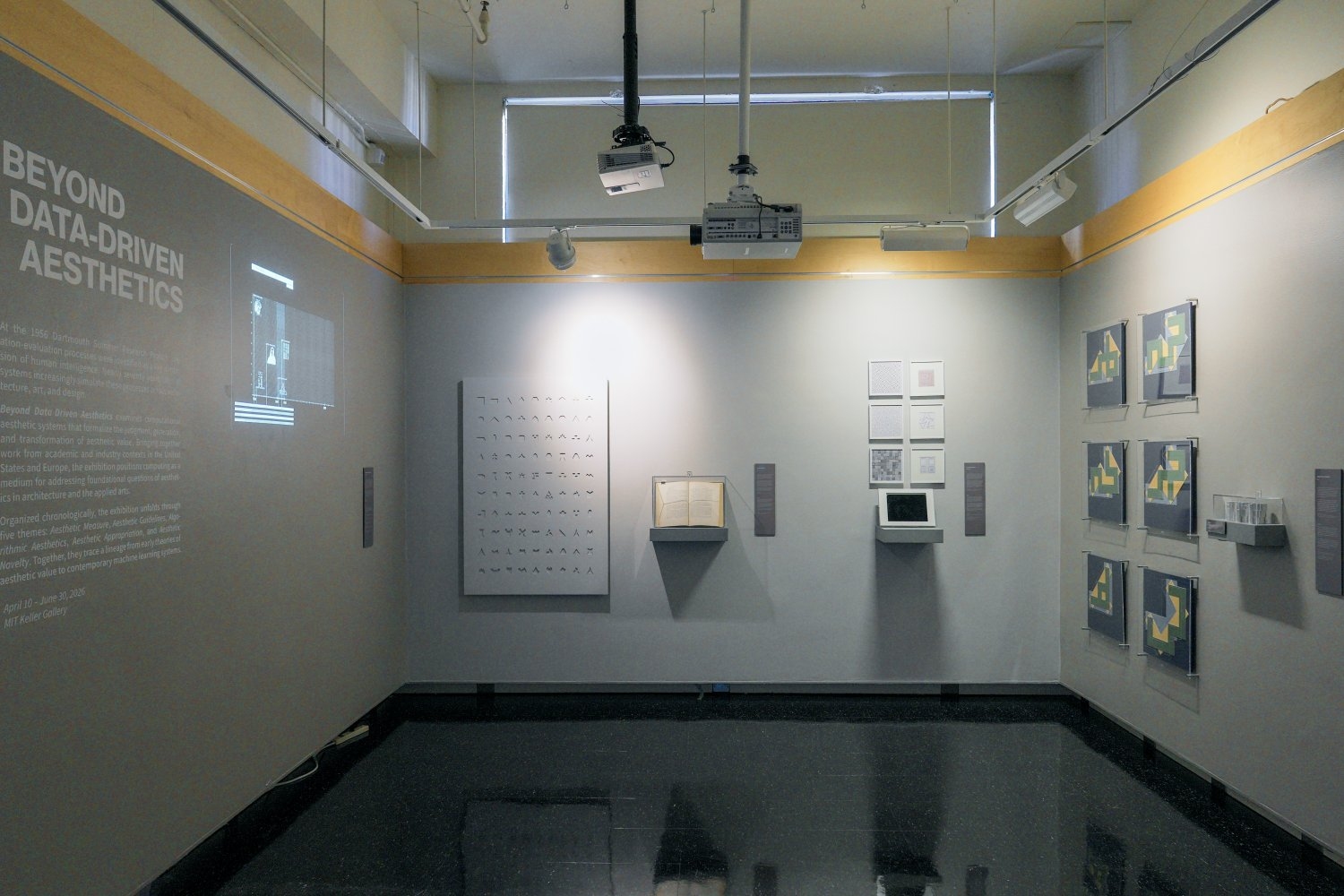
"Beyond Data-Driven Aesthetics" by MIT alumnus Alexandros Haridis explores transforming computing into creative production in architecture. The exhibition translates algorithms and machine-learning systems into physical installations, questioning the intersection of computation and aesthetics.
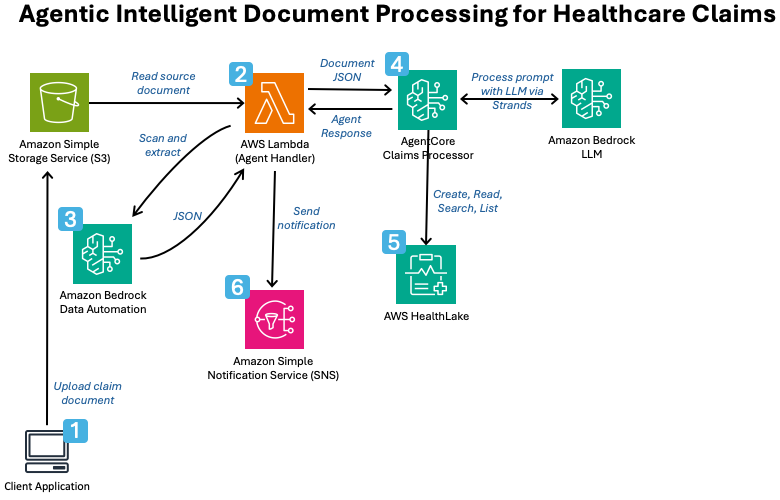
Automated claims processing pipeline using Amazon Bedrock reduces manual errors in healthcare forms, improving accuracy and efficiency. AI-powered services streamline document extraction and validation, creating FHIR resources in AWS HealthLake for faster processing.
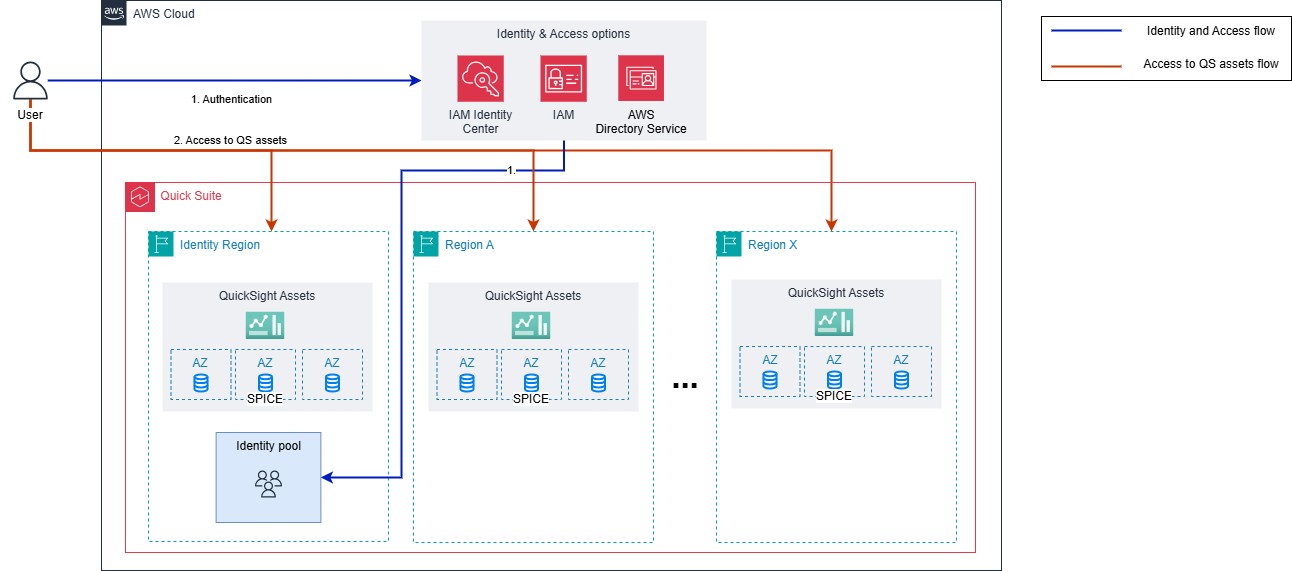
Amazon Quick Sight offers AI-powered BI capabilities for end-user productivity. A well-designed backup strategy is crucial for critical business decisions and disaster recovery.
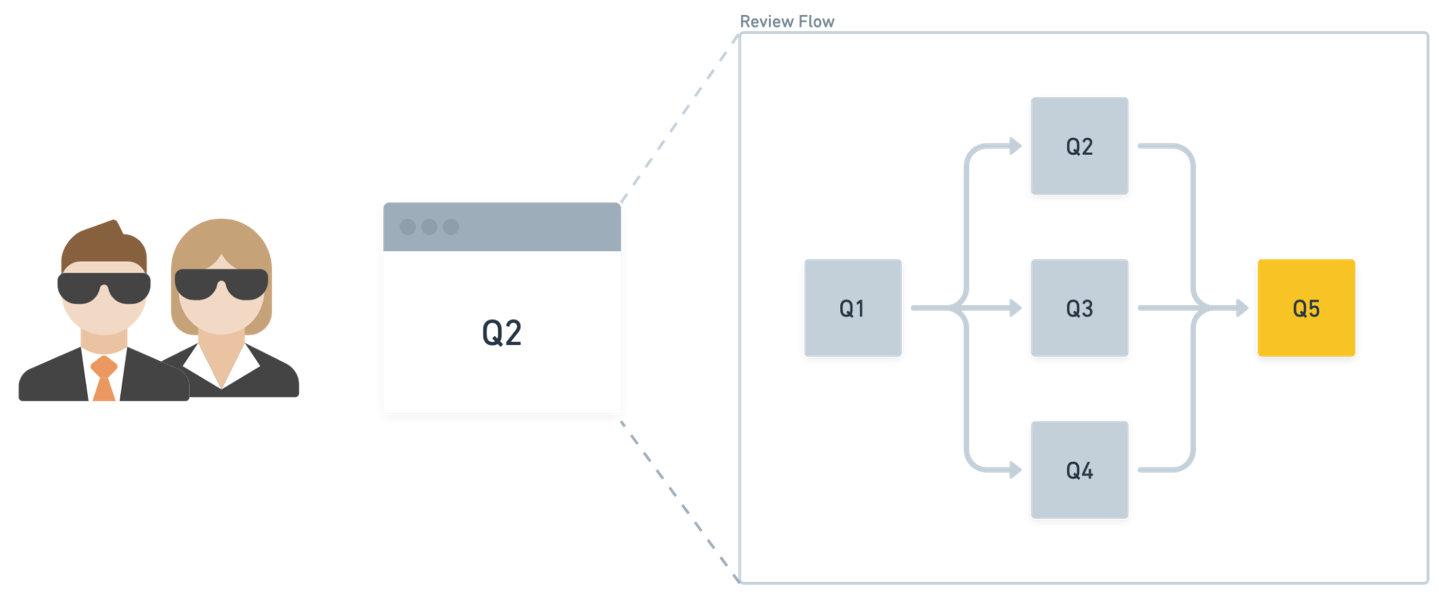
Stripe built a production-grade AI system on AWS that reduced review handling time by 26%. The system achieved over 96% helpfulness ratings with human oversight, scaling compliance operations without compromising quality.

David Autor, renowned labor economist, appointed head of MIT Department of Economics, aims to advance AI in research and teaching. Autor, a recipient of numerous prestigious awards, will lead the department through budget tightening and a shifting political landscape.
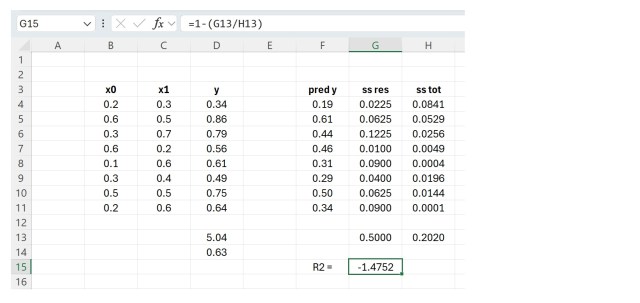
Common ways to evaluate a machine learning regression model include MSE, accuracy, and R2. R2 is a key metric but can be negative, with no theoretical limit to how low it can go.

MIT researchers have developed a new approach, Masked IRL, to teach robots tasks with minimal human effort, using language models to clarify instructions and reduce demonstration data by nearly five times. The system enables robots to understand ambiguous prompts and safely complete chores in various settings, such as homes, offices, and factories.
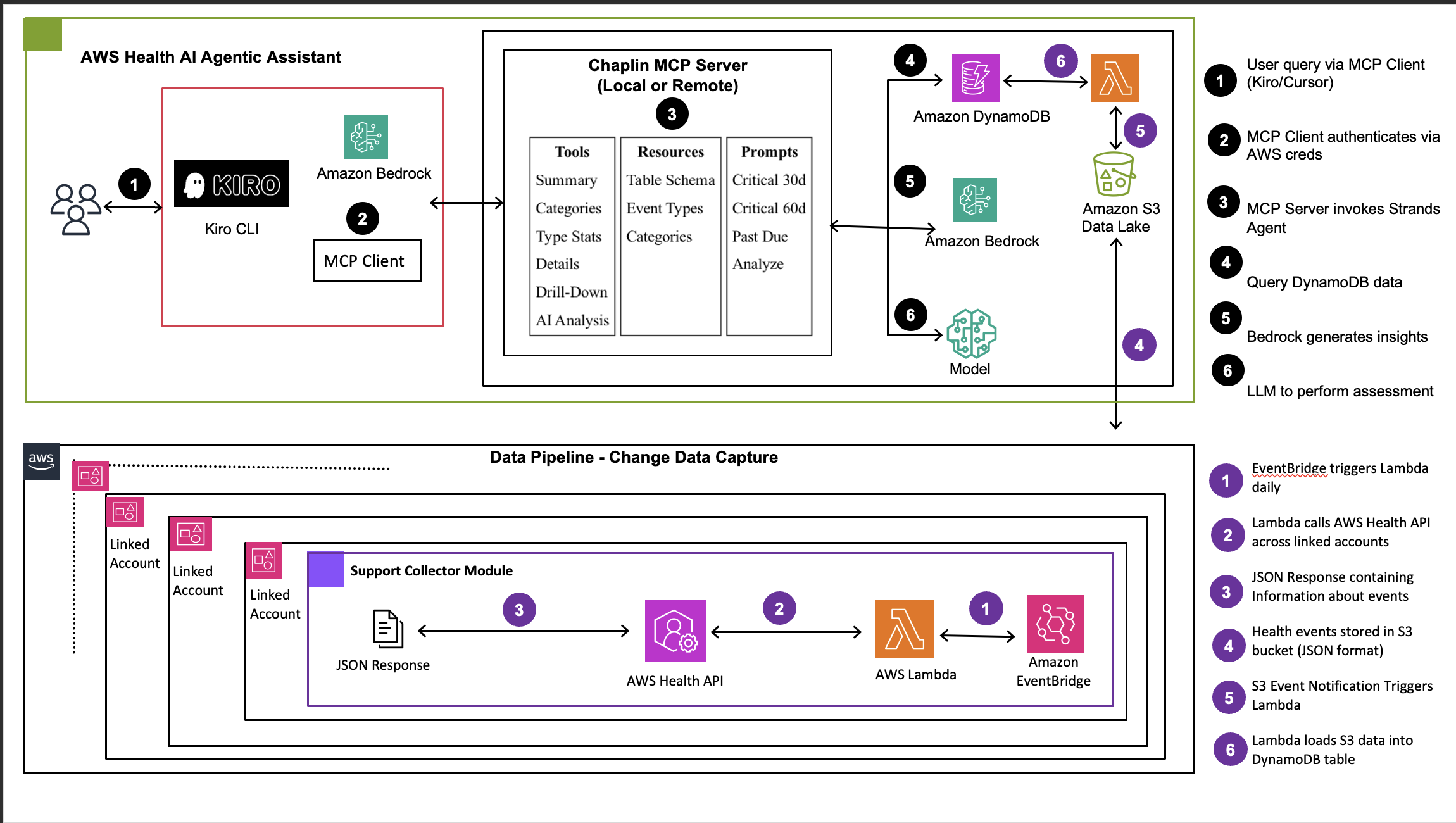
Chaplin, an open-source solution, uses AI agents to provide self-service health event analytics for AWS users. Teams can ask questions in natural language and receive precise answers without depending on AWS Support.

Scientific American highlights the importance of early-career American scientists in driving innovation and prosperity. MIT faculty emphasize the need for continued public investment in curiosity-driven research to ensure future scientific advancements and societal impact.
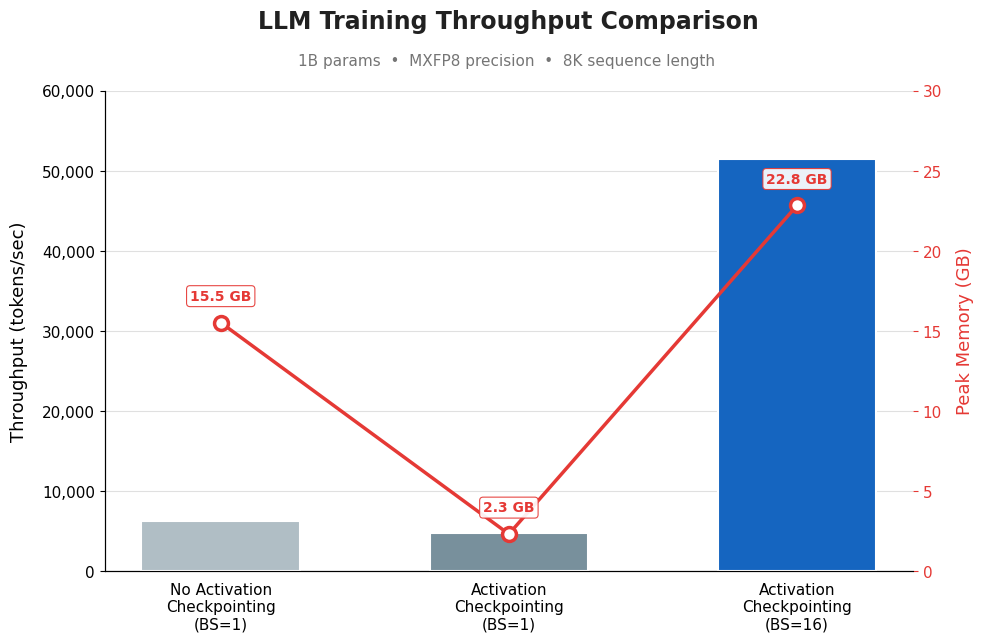
Training large AI models on Amazon SageMaker AI with NVIDIA Blackwell GPUs removes constraints like limited batch sizes and sequence lengths, allowing for faster iteration cycles and reduced infrastructure costs. Blackwell's expanded memory and precision formats optimize training jobs, enabling longer sequence lengths and larger batch sizes for improved throughput and efficiency.
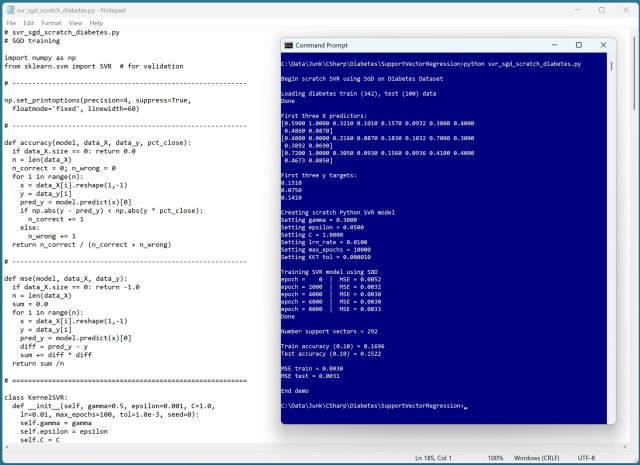
Practicing coding skills, a developer tests a from-scratch SVR model on the scikit Diabetes Dataset, comparing results with the scikit library SVR module. Normalizing predictor values and using kernel SVR, the experiment highlights the power of the kernel version over linear SVR.
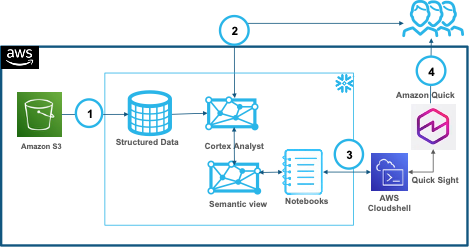
Data teams often struggle with reconciling numbers, leading to slower decision-making and decreased confidence in analytics. Amazon Quick Sight datasets on Snowflake semantic views streamline data interpretation, reducing the risk of AI hallucinations and enabling natural-language queries for more efficient analysis.
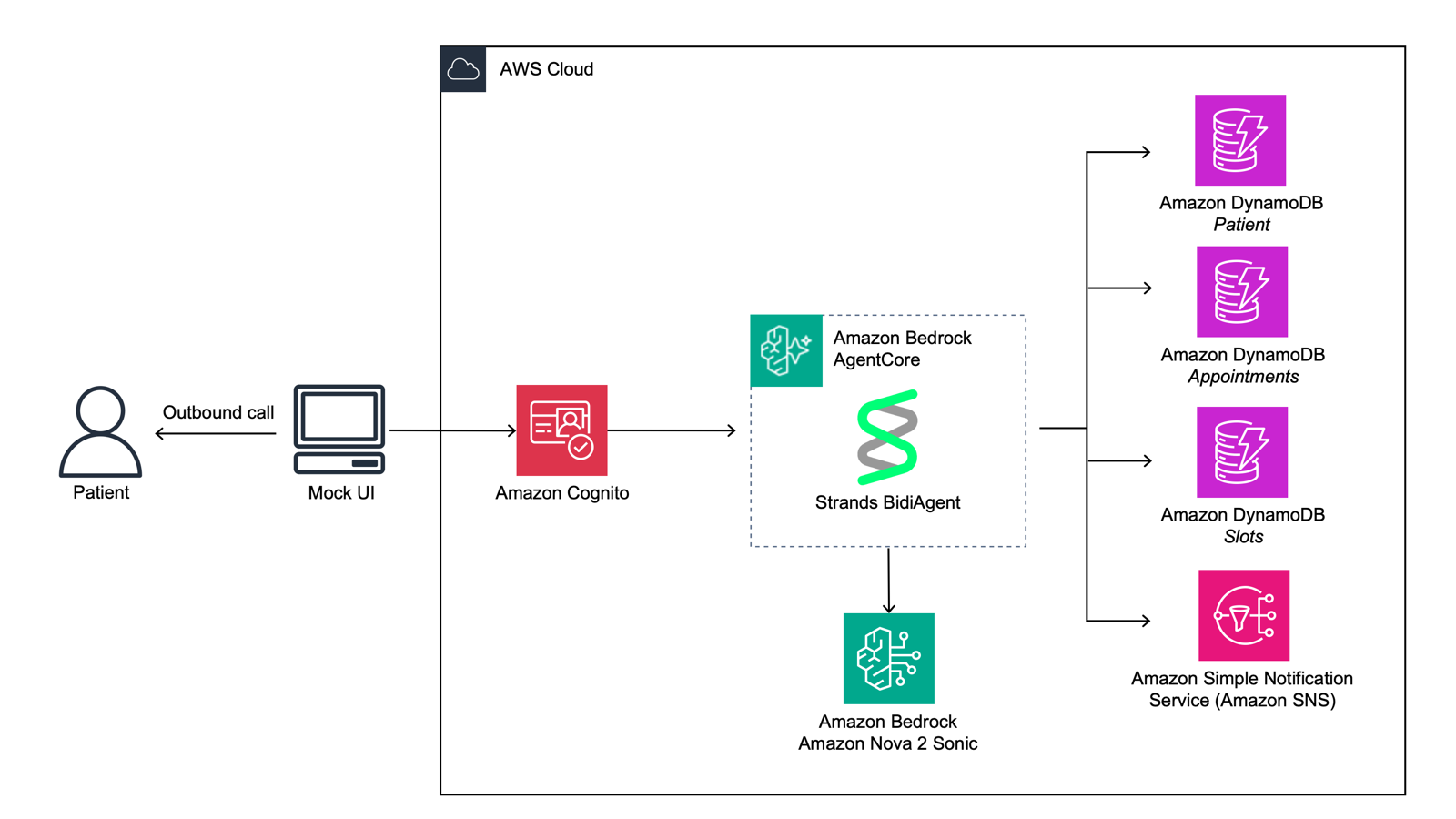
Build a voice agent using Amazon Nova 2 Sonic & Bedrock AgentCore to reduce healthcare appointment no-show rates. Nova 2 Sonic preserves vocal context for natural conversations, improving patient interaction.
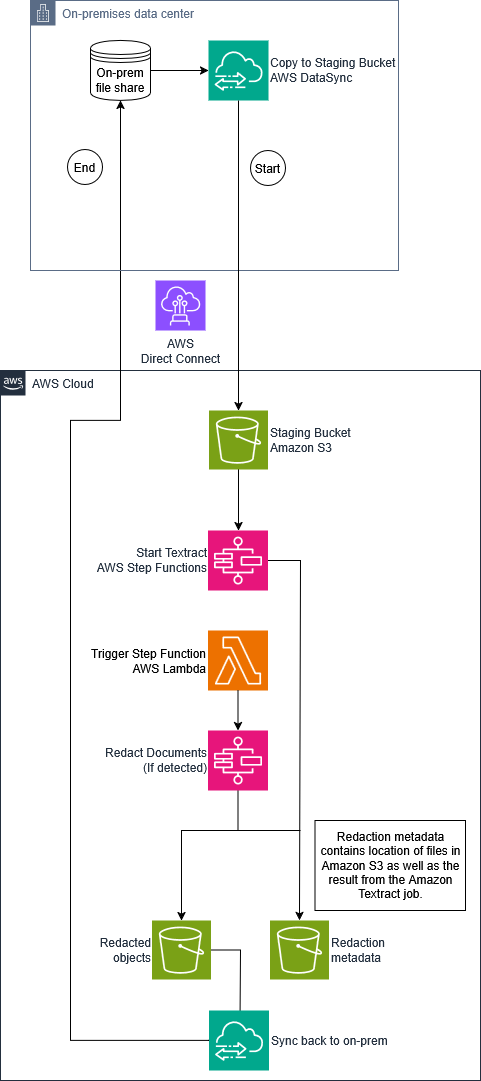
Huntington National Bank streamlined redacting sensitive data from millions of documents using Amazon Textract, cutting processing time from years to months. The solution ensured encryption, compliance, and accuracy above 95%, showcasing the power of AWS services in large-scale document processing.
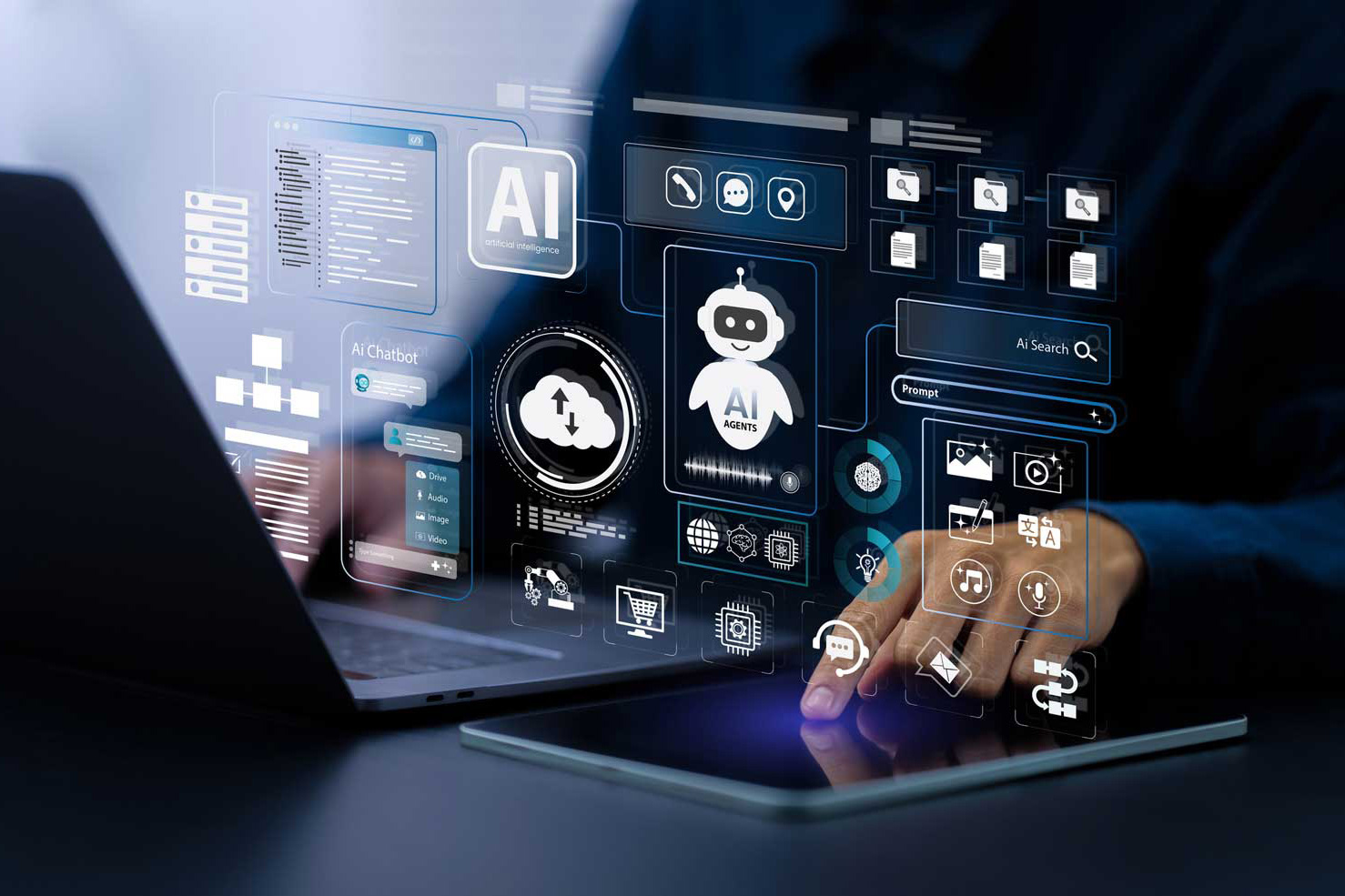
Researchers from MIT and Microsoft developed Murakkab, an intelligent system that automates the design and optimization of complex agentic workflows, reducing energy usage and costs while improving performance. This new method allows developers to describe tasks in plain language, letting the system choose the best models, tools, and hardware configurations dynamically based on user priorities.