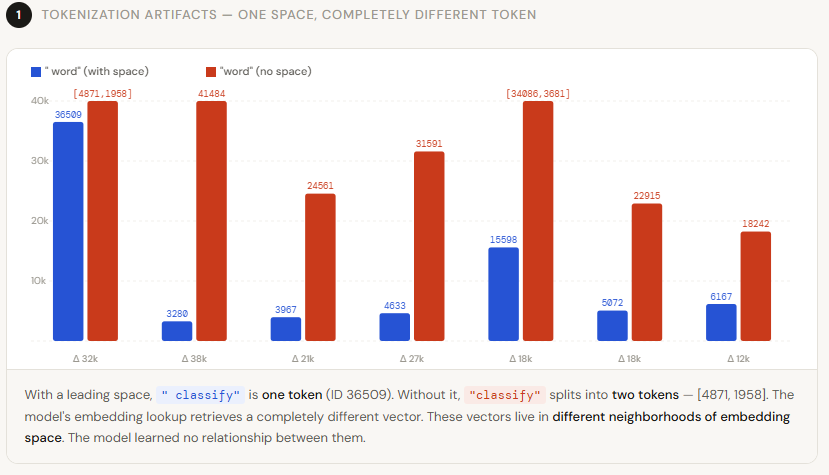
Tokenization drift occurs when small formatting changes lead to unpredictable shifts in model behavior. Leading spaces create different token IDs, impacting attention computation and model performance.
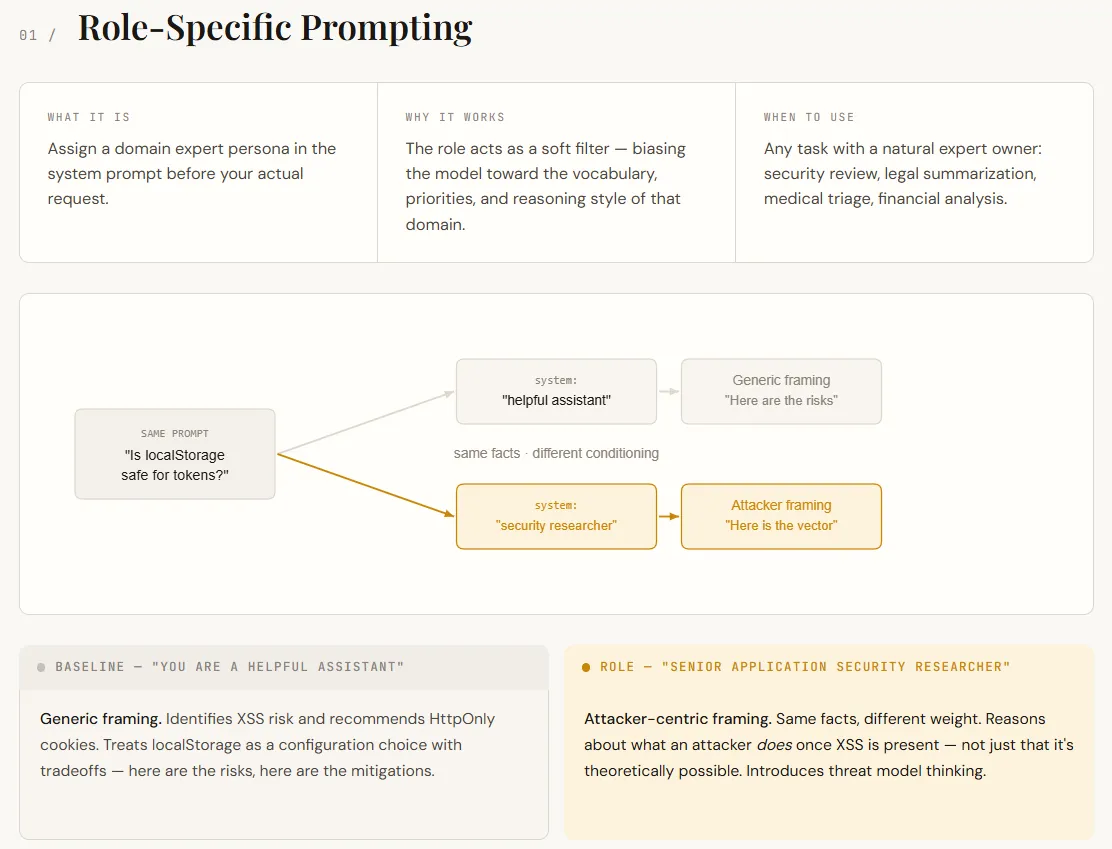
Developers now prioritize prompting in LLMs for reliability in production systems. Five techniques, including role-specific prompting and JSON prompting, improve output quality without model changes.
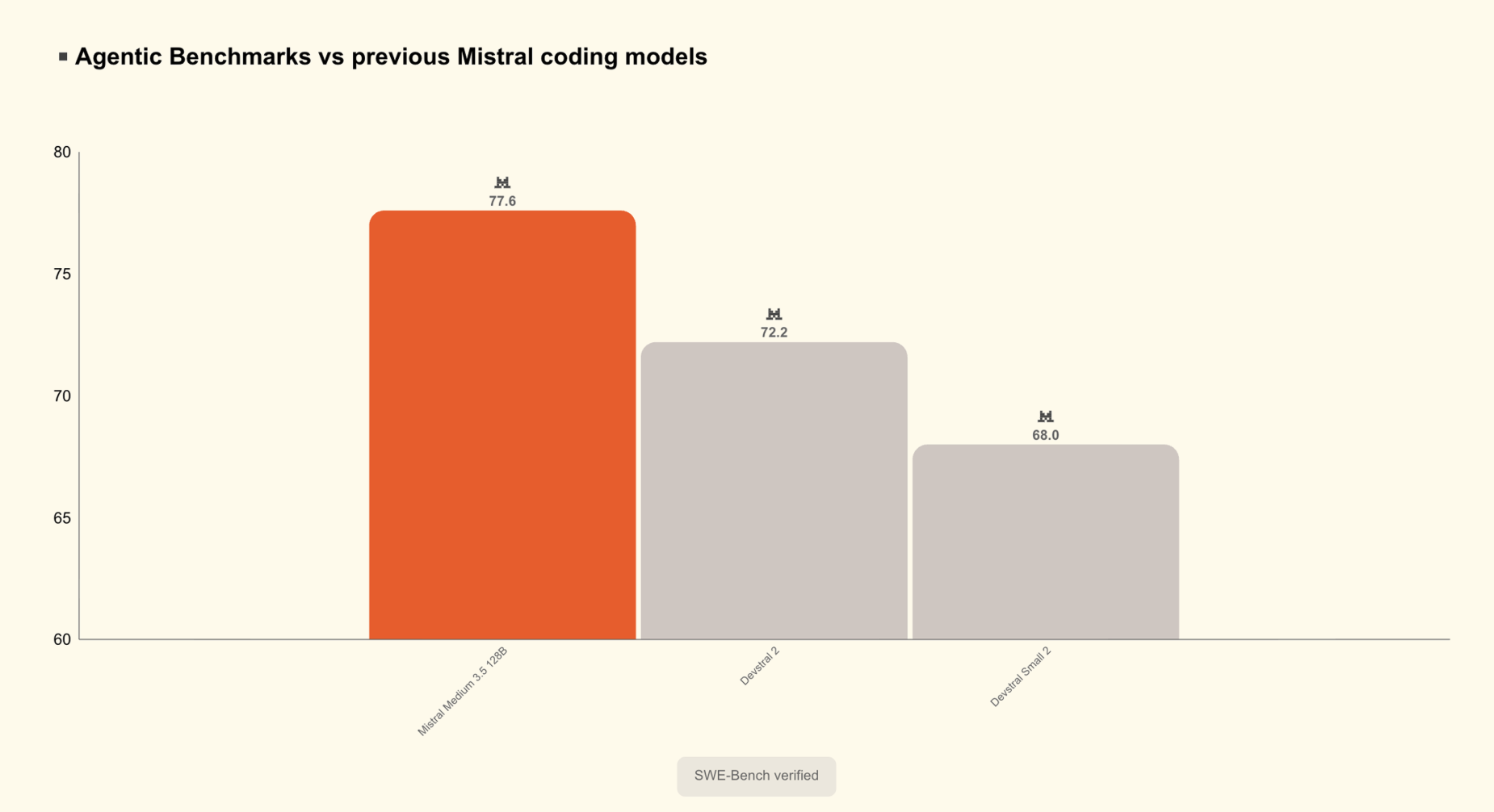
Mistral AI unveils remote agents in Vibe, a coding assistant platform, powered by the new Mistral Medium 3.5 dense model. The cloud-based agents can run tasks autonomously, enhancing productivity and workflow efficiency in coding sessions.
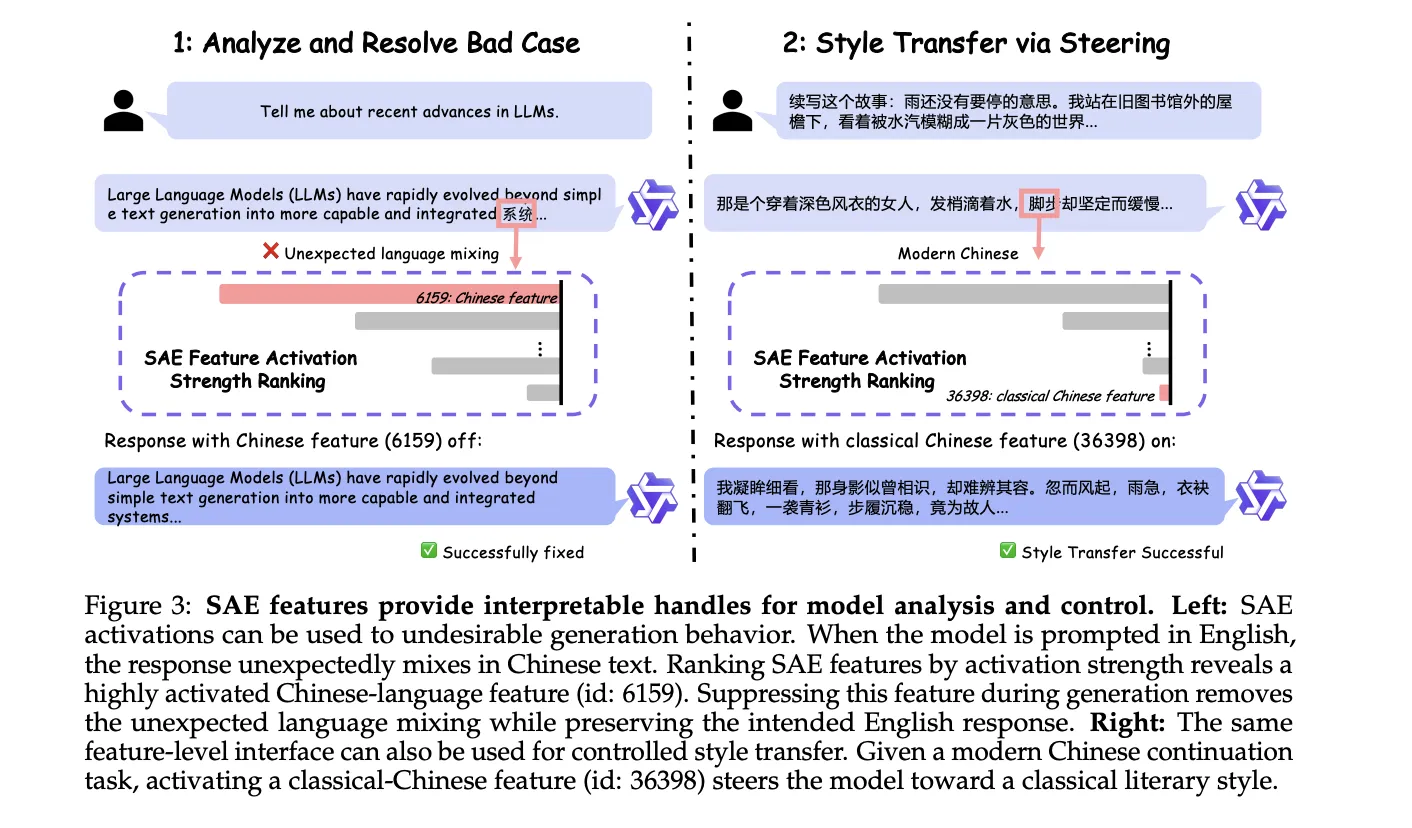
Qwen Team released Qwen-Scope, an open-source suite of sparse autoencoders to diagnose and steer large language models. Engineers can influence model output without modifying weights, pushing models towards or away from specific behaviors.

Beacon Biosignals, founded by Jake Donoghue PhD ’19 and former MIT researcher Jarrett Revels, uses EEG technology to monitor brain activity during sleep at home. The company's FDA-cleared device has been used in over 40 clinical trials globally to study conditions like major depressive disorder and Alzheimer’s disease.
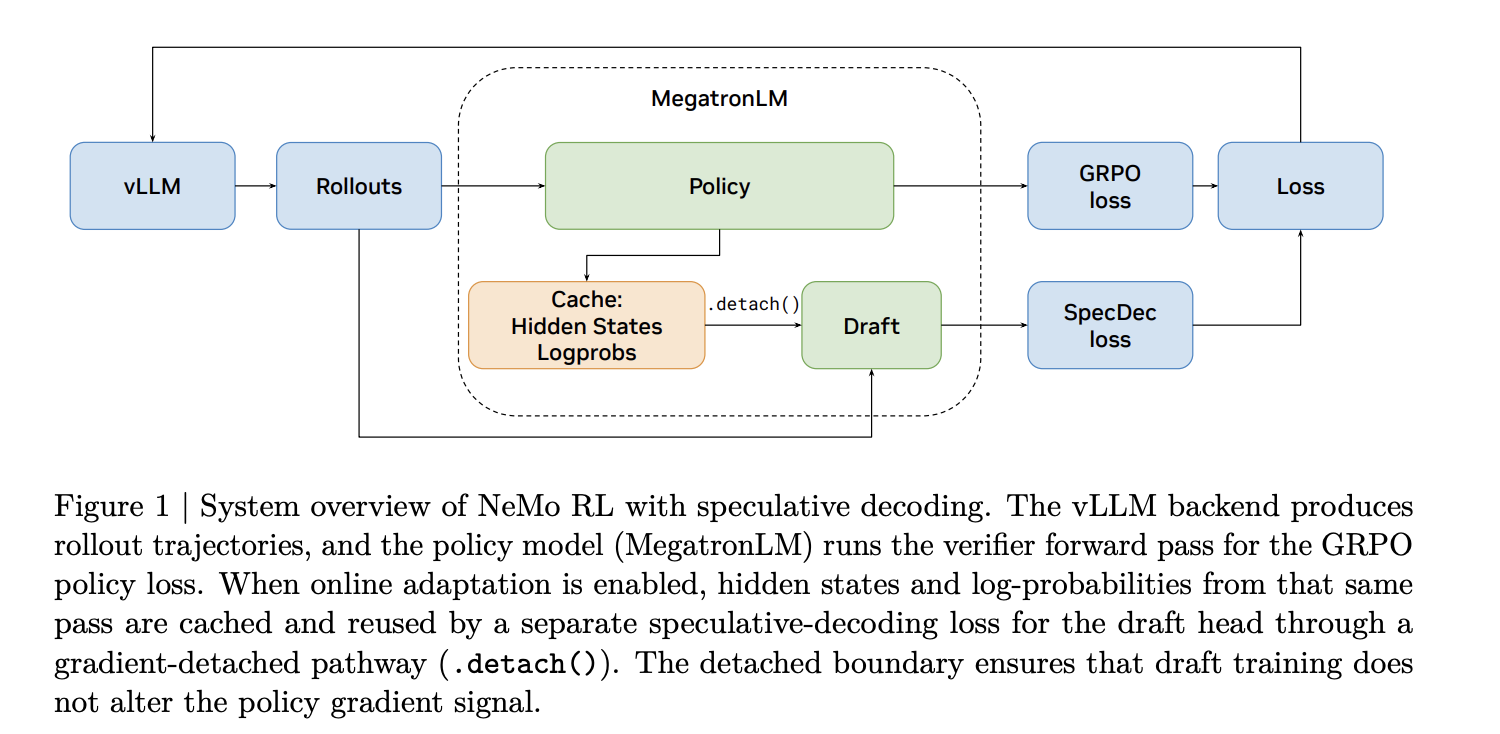
Researchers from NVIDIA propose integrating speculative decoding into the NeMo RL training loop to accelerate rollout generation, preserving exact output distribution. This technique significantly reduces the bottleneck of rollout generation, improving efficiency without compromising training fidelity.
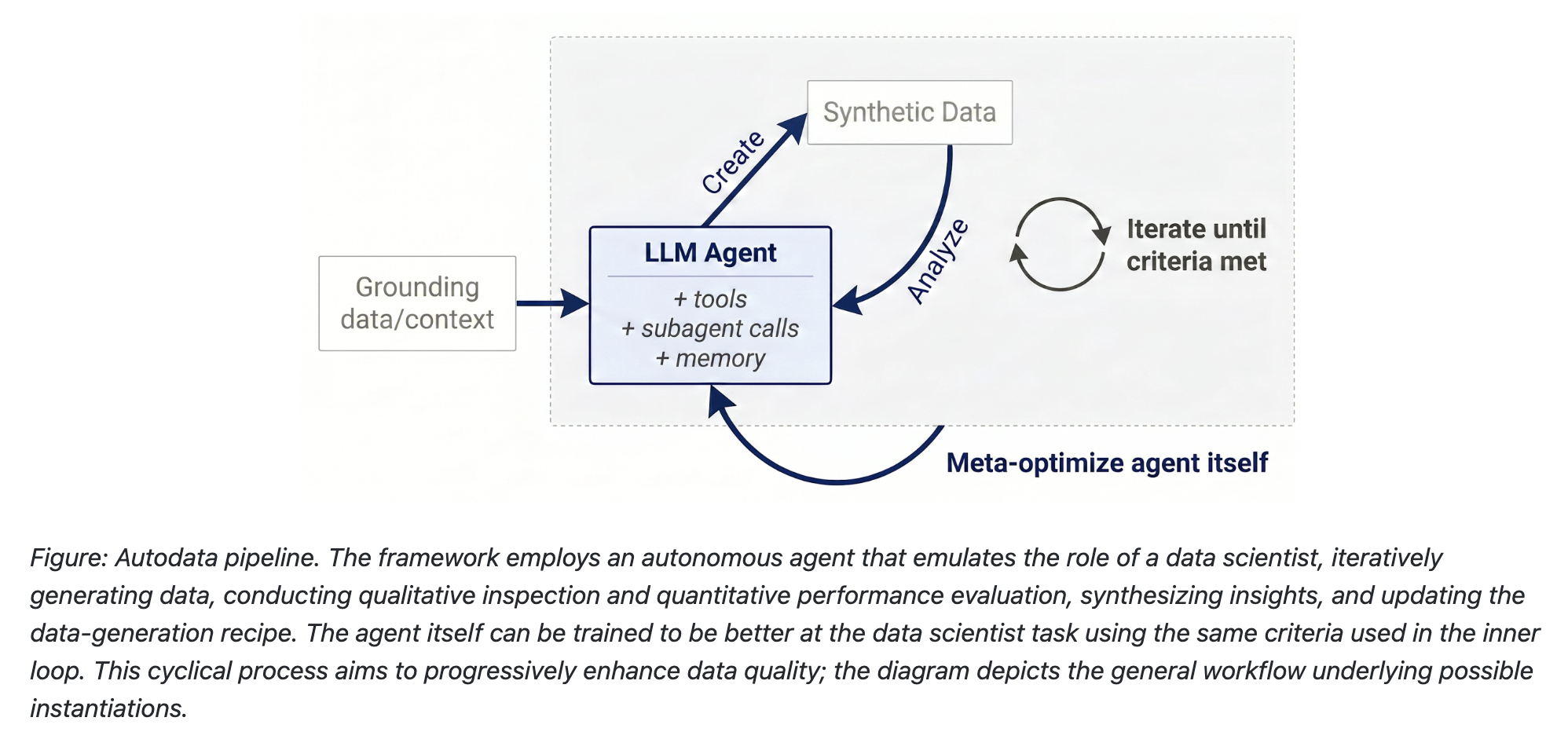
Meta AI's RAM team tackles data quality bottleneck with Autodata, outperforming synthetic data methods. Autodata allows AI agents to autonomously build, evaluate, and refine training data in a feedback-driven iterative process.

MIT senior Olivia Honeycutt's research focuses on the intersection of human thinking, language learning, technology, and social group interaction. She explores how language shapes our perception of the world and ourselves, delving into areas like neurolinguistics and AI at MIT.
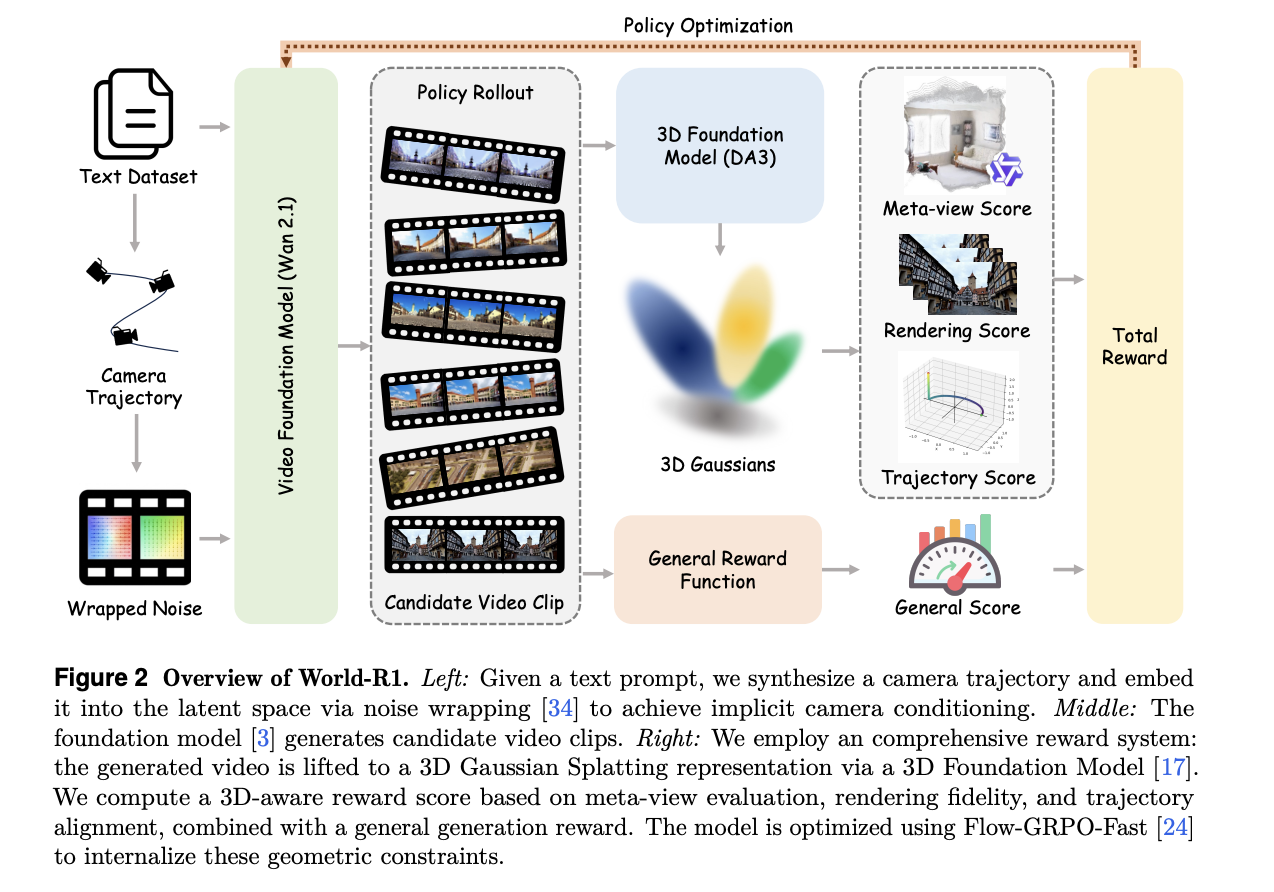
Researchers from Microsoft Research and Zhejiang University introduce World-R1, a framework aligning video generation with 3D constraints through reinforcement learning. World-R1 improves video quality by eliciting latent 3D knowledge without changing the base architecture or increasing inference cost.
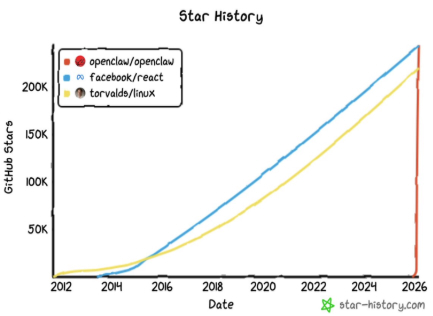
OpenClaw, a self-hosted AI assistant, quickly became a GitHub sensation with over 250,000 stars in 60 days. NVIDIA collaborates to enhance security and robustness of the project, introducing NemoClaw for safer long-running agents.
Cursor is democratizing AI coding with its SDK, allowing developers to integrate powerful coding agents into their systems programmatically. The SDK offers the same runtime and infrastructure as Cursor's own products, simplifying the process of building and maintaining coding agents.
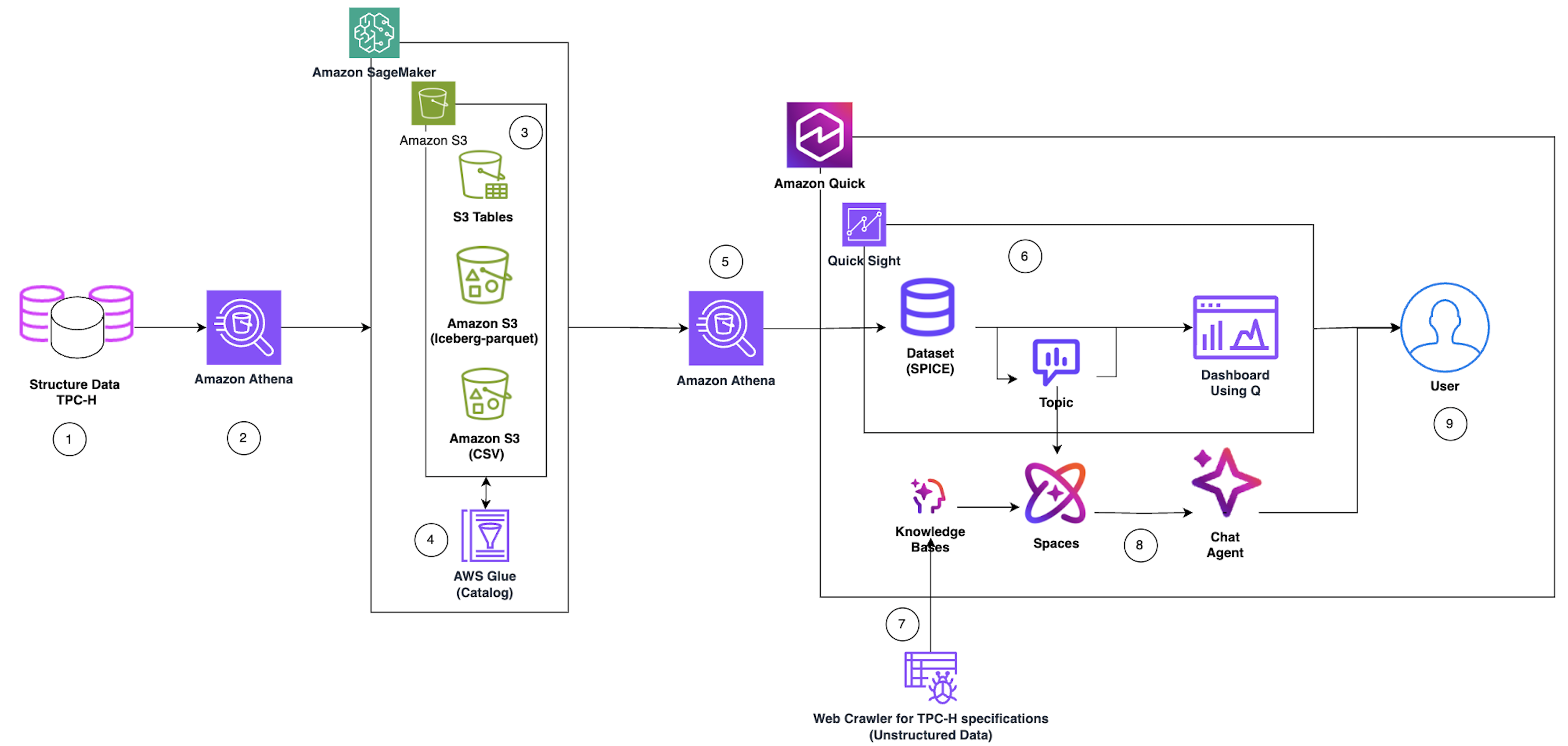
Amazon Quick's AI assistant transforms data analytics for modern enterprises, enabling self-service capabilities and natural language queries. The integrated architecture leverages Amazon S3, SageMaker, and AWS Glue for lakehouse, democratizing data access while ensuring security and scalability.
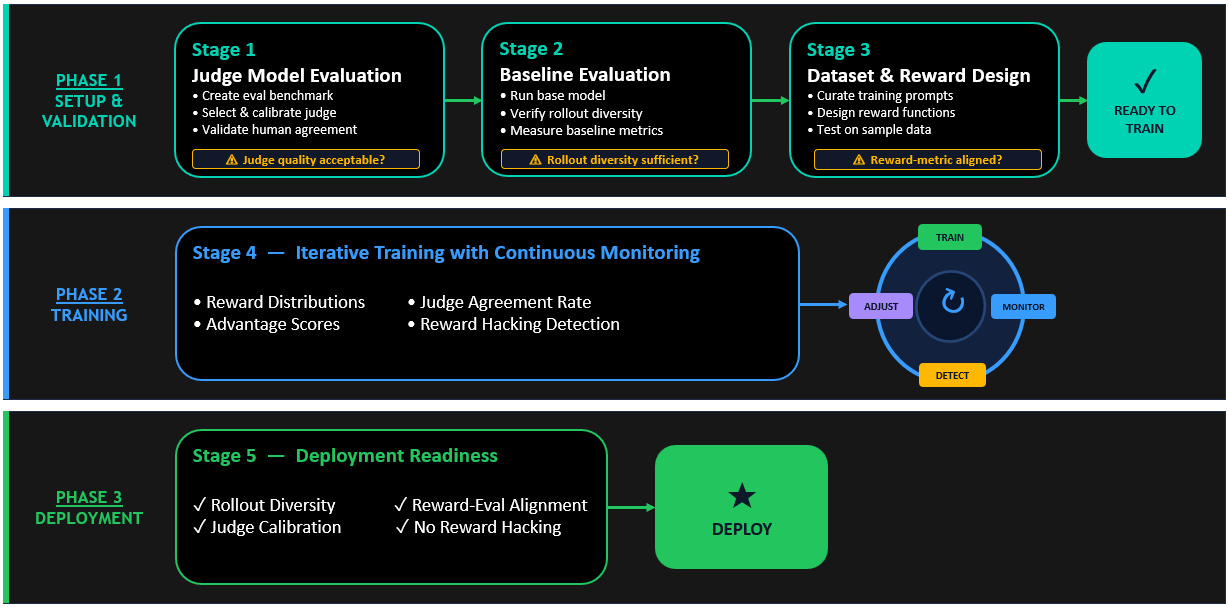
Reinforcement Fine-Tuning (RFT) enhances Large Language Models (LLMs) with automated reward signals, improving accuracy and trust. Using LLM-as-a-judge in RFT provides context-aware feedback, explainability, and accelerates iteration for better alignment.
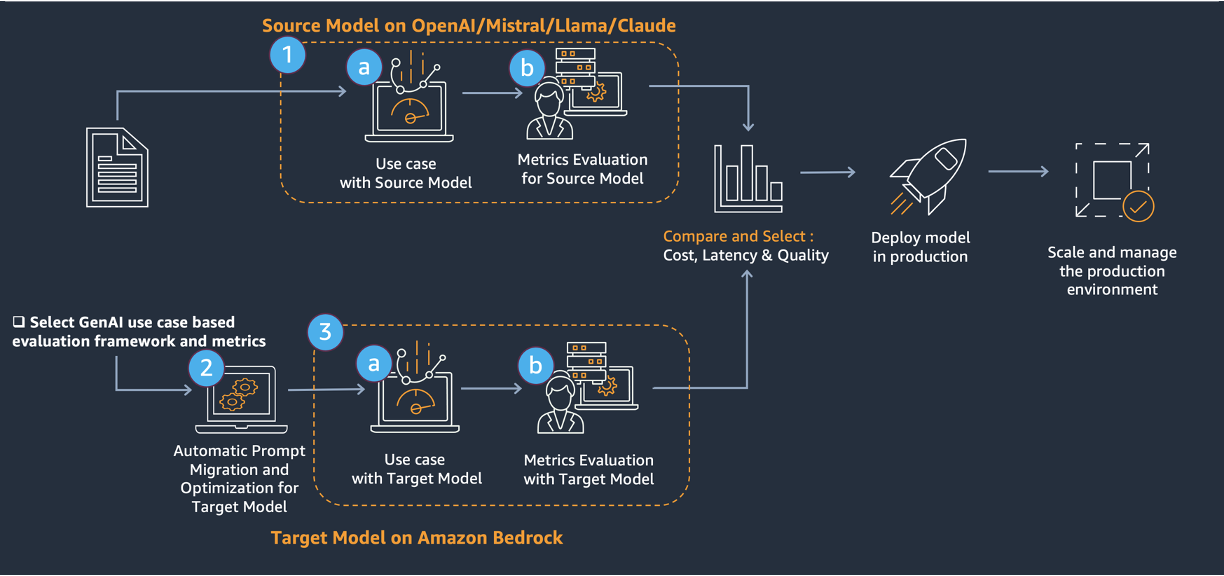
Organizations must maintain model agility for AI optimization. A systematic framework for LLM migration or upgrade streamlines transitions and facilitates continuous improvement.
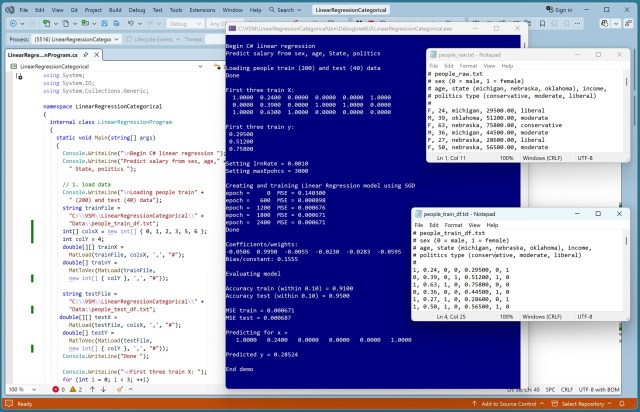
Linear regression with categorical predictors should use drop-first encoding for closed form training. Drop-first encoding is preferred for interpretability and model simplicity in linear regression.