
Google DeepMind’s WeatherNext AI can now predict a cyclone’s track and intensity three days out as accurately as older models could just two days ahead – giving a full extra day of warning. By generating multiple possible storm scenarios, it can also help identify rare but potentially dangerous events, such as rapid intensification.

In 2025, AI moved from hype to reality, becoming a core force shaping how we create content, browse the web, work, and make decisions. This article explores the biggest shifts: the rise of agentic AI and vibe coding, tightening regulation, and the growing battle over quality and trust.

NASA and IBM have created Surya, a powerful AI model that can predict solar flares and space weather. By providing early warnings, it helps safeguard satellites, power grids, and renewable energy systems from damaging solar storms – a perfect example of how AI helps protect technology and drive green innovation.

Skydweller is a solar-powered drone designed for long-endurance missions. With AI-powered radar, self-healing systems, and the ability to fly autonomously for up to 90 days straight, it sets a new standard for persistent aerial surveillance and data collection.

A new advanced neural system that mimics the brain’s learning processes promises to create faster, more efficient, and energy-saving AI. By leveraging Hebbian learning and spike-timing-dependent plasticity, this innovation could enhance AI performance while significantly reducing environmental and economic costs.

Nowadays, users can create DEMs with just one click, thanks to radar satellites providing continuous, high-precision data on the Earth's surface and increasingly fast and accessible open-source software. This allows for effective monitoring of terrain changes and natural phenomena.

The solar-powered Zephyr drone has set world records for endurance and altitude, staying aloft for 64 days at heights of up to 75,000 feet. With applications ranging from earth observation to mobile phone base stations, Zephyr provides critical connectivity in remote areas.

Much like the invigorating passage of a strong cold front, major changes are afoot in the weather forecasting community. The end game? An entirely new way to forecast weather based on artificial intelligence that can run on a desktop computer.

The integration of high-throughput computational screening and ML algorithms empowers scientists to surpass traditional limitations, enabling dynamic exploration of materials. This combination has led to the discovery of new materials with unique properties.

Lincoln Laboratory is actively advancing efforts to diminish the energy consumption of AI models. Their objectives encompass fostering transparency in energy usage and enhancing the efficiency of AI model training.

Inspired by ants, researchers from the Universities of Edinburgh and Sheffield are developing an artificial neural network to help robots recognize and remember routes in complex natural environments.

IBM and NASA deploy an open-source geospatial AI model on Hugging Face. They aim to broaden accessibility to NASA satellite data and expedite the pace of climate-related discoveries.

Solar cells based on hybrid organic-inorganic perovskites are a rapidly developing area of alternative energy. These molecules initiated the development of a new class of photovoltaic devices – perovskite solar cells.
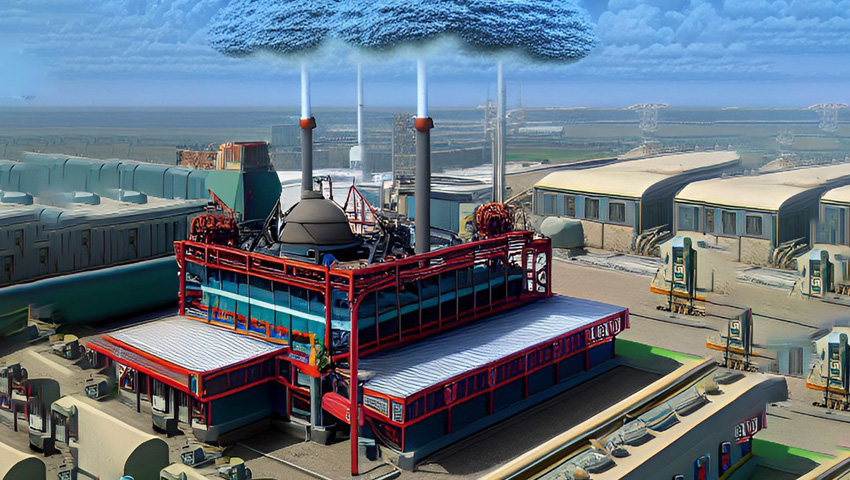
A team of scientists has developed a machine learning solution to forecast amine emissions from carbon-capture plants using experimental data from a stress test performed at an actual plant in Germany.

New research from the Pacific Northwest National Laboratory uses machine learning, data analysis and artificial intelligence to identify potential nuclear threats.
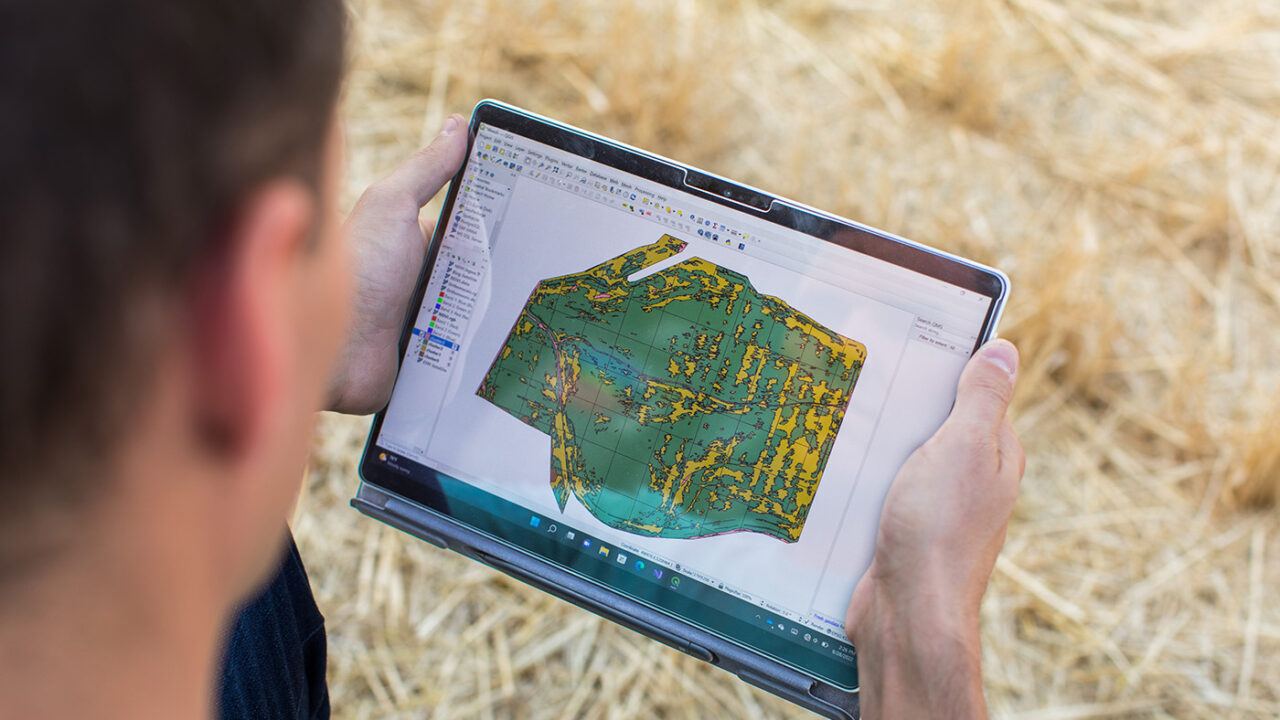
By 2050 humanity will have to almost double the global food supply to make sure that every dweller of the planet has enough food. With climate change going at increasing speed, water resources drop and arable lands erode, doing that sustainably will be a huge challenge for us.
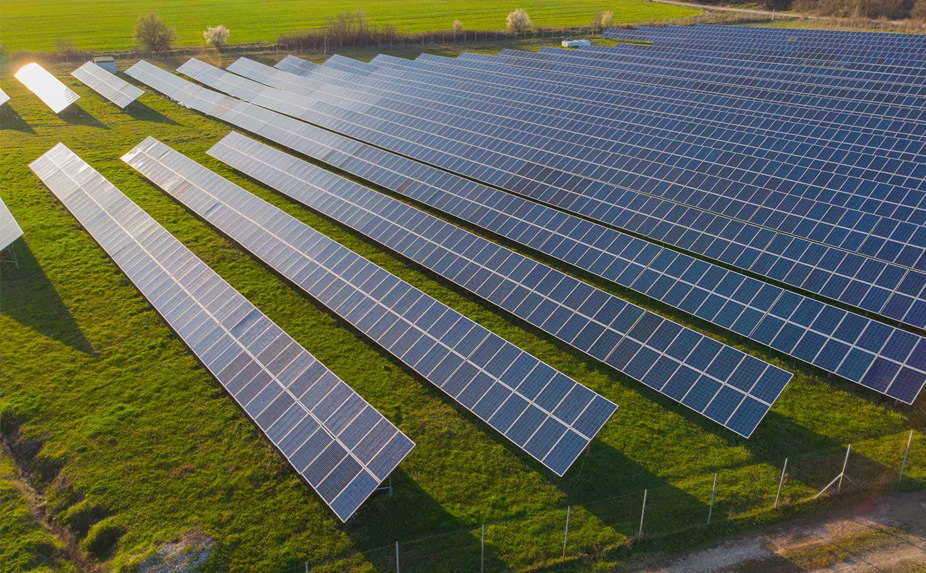
The Nature Conservancy reconsidered its marketing strategy via digital transformation with the help of SAS Customer Intelligence 360. As a result this international environmental nonprofit had its best year ever for membership revenue. That as nothing else contributes to advancing its mission of creating a more sustainable future.