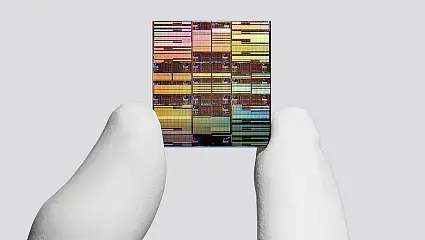
IBM has announced what it calls the world’s first sub-1 nanometer semiconductor technology, packing nearly 100 billion transistors onto a fingernail-sized chip. The new architecture, called “nanostack,” could significantly improve the performance and energy efficiency of next-generation AI processors and data center hardware.
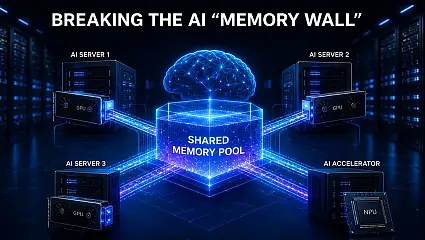
South Korean researchers may have just solved one of AI’s biggest limitations – the “memory wall” that slows down massive AI systems. Their new Ethernet-based technology allows AI servers to share memory in real time, potentially unlocking faster, cheaper, and nearly limitless AI infrastructure.

Scientists have engineered a transneuron – an artificial neuron capable of mimicking the activity of multiple regions of the human brain. This advancement could accelerate the development of robots with human-like perception, adaptability, and learning.

For the first time ever, a quantum computer has beaten the world’s fastest supercomputer! Google researchers announced Quantum Echoes, a breakthrough algorithm that runs on their new Willow quantum chip.

A self-powered artificial synapse can mimic human color vision with 10-nanometer resolution using dye-sensitized solar cells. This technology enables energy-efficient AI systems capable of advanced color recognition and logic processing.
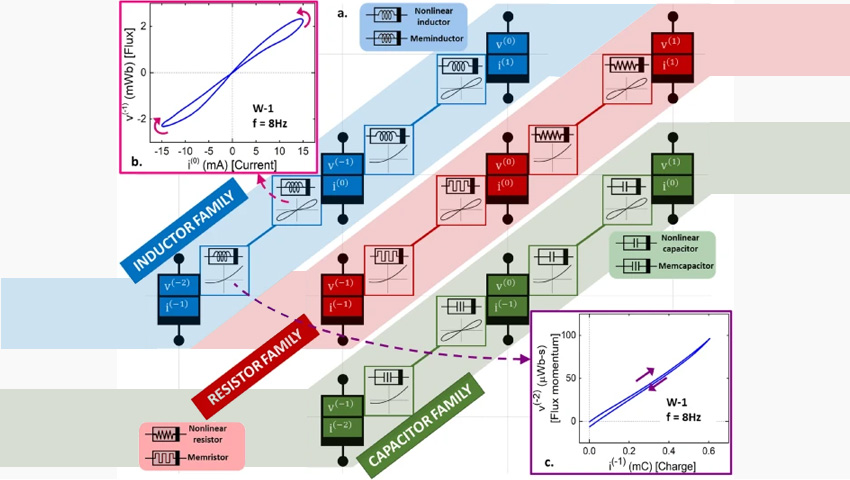
The meminductor joins the previously discovered memristors and memcapacitors in a line of circuit elements that can store and recall previous current or voltage values.
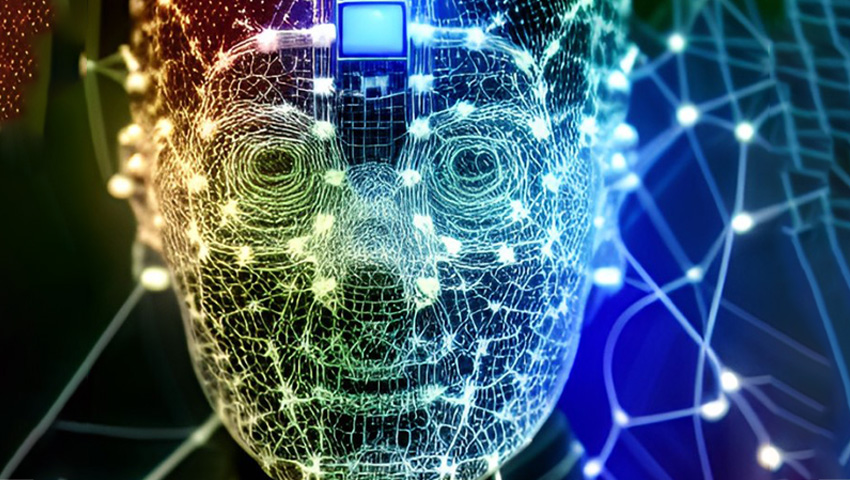
Researchers have recently created a new neuromorphic computing system supporting deep belief neural networks (DBNs) - a generative and graphical class of deep learning models.
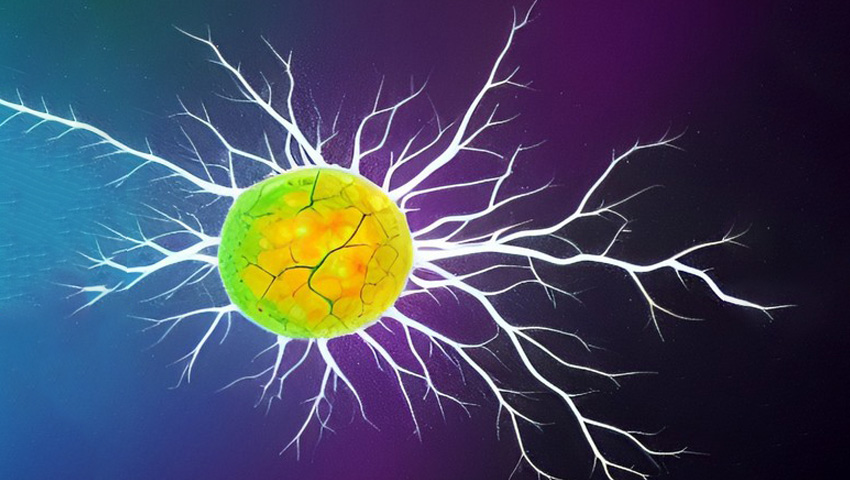
Scientists have developed the first bio-realistic artificial neuron that can effectively interact with real biological neurons.
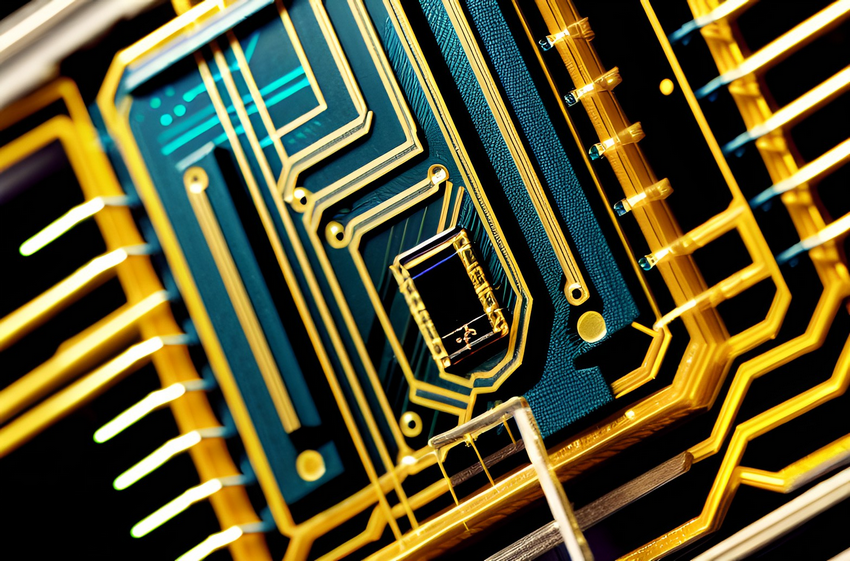
A group of researchers have created a Bayesian machine, an AI approach that performs computations based on Bayes' theorem, using memristors. It is significantly more energy-efficient than existing hardware solutions, and could be used for safety-critical applications.