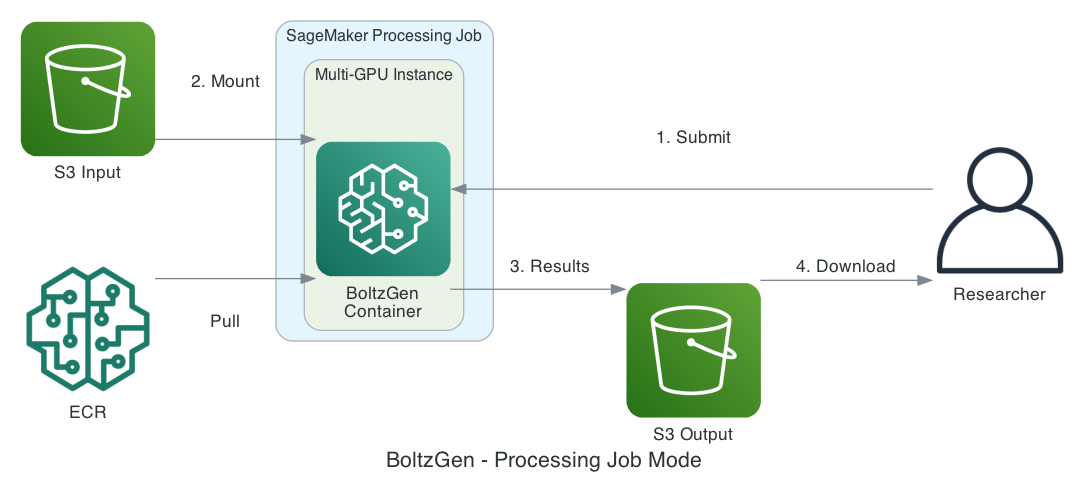
BoltzGen on Amazon SageMaker AI streamlines protein binder design, managing GPU infrastructure. SageMaker AI handles compute lifecycle, reducing operational overhead for design iteration.

AWS focuses on security with AI services like Amazon Bedrock, offering top performance and privacy. Anthropic's Claude Mythos models bring new cybersecurity capabilities, emphasizing the importance of balancing innovation with safeguarding against misuse.
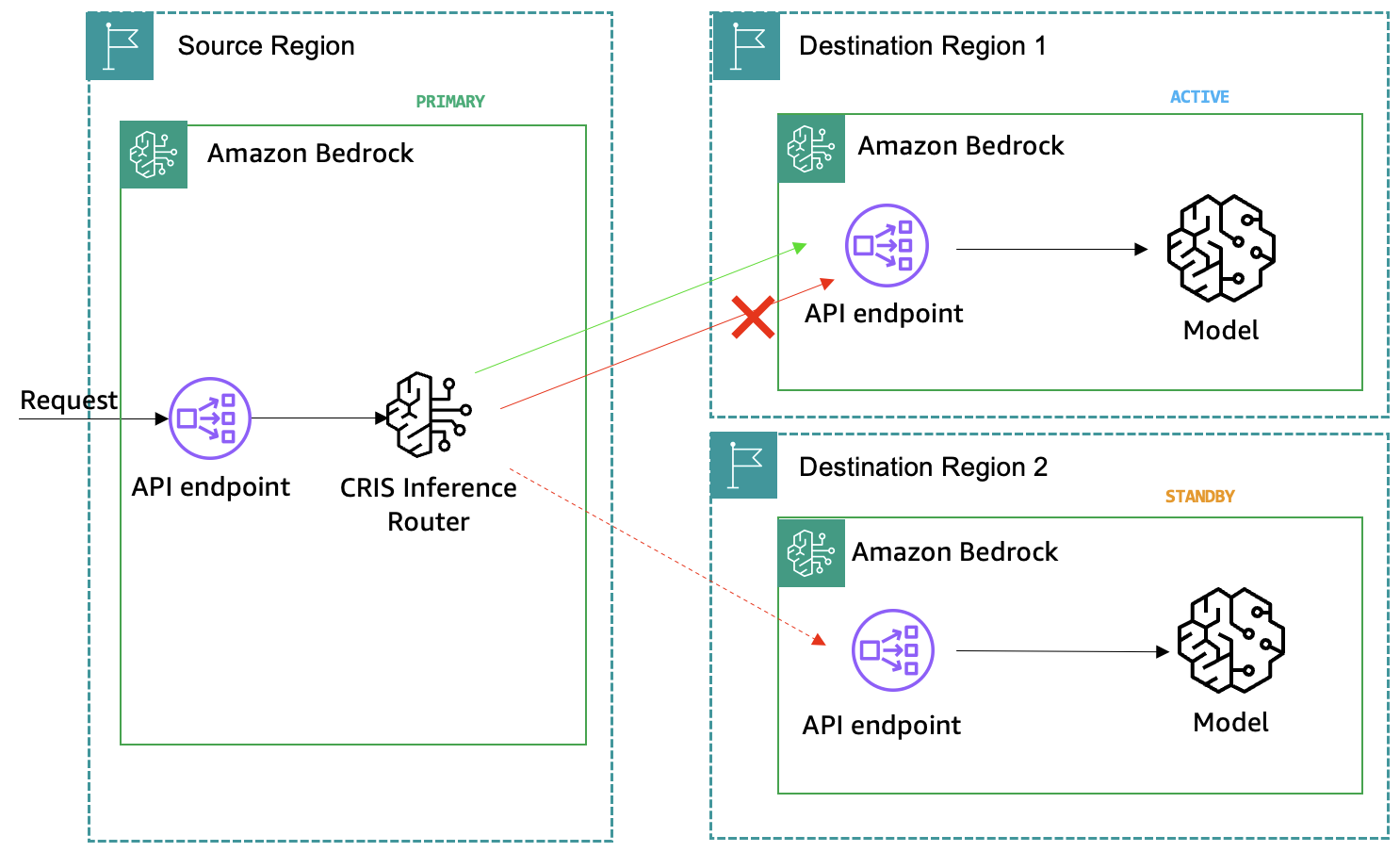
Implementing resilience patterns for Large Language Model (LLM) inference is crucial as generative AI workloads scale. Amazon Bedrock offers features like cross-Region inference for maintaining availability, response time, cost, and throughput in production.
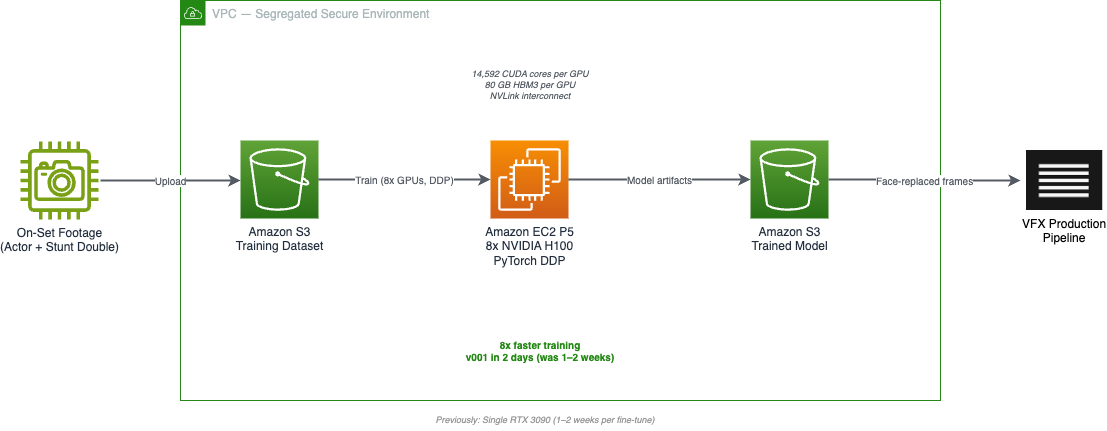
Outpost VFX achieves 8x faster AI model training using AWS infrastructure, overcoming single-GPU limitations. Collaboration with AWS Generative AI Innovation Center modernizes face replacement workflow for high-end VFX production.
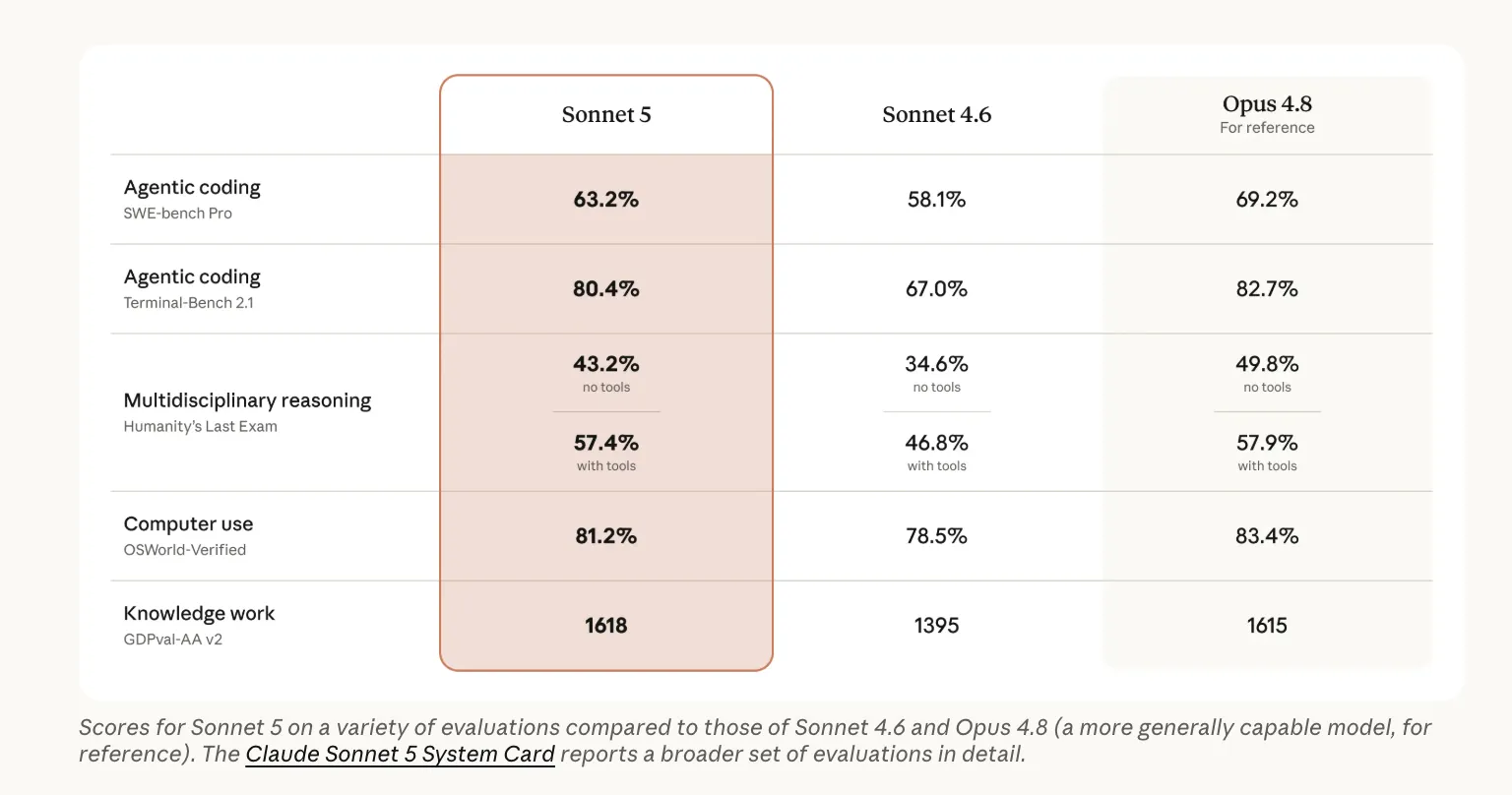
Anthropic releases Claude Sonnet 5, a highly agentic model surpassing Sonnet 4.6. Offers superior benchmarks at lower costs.
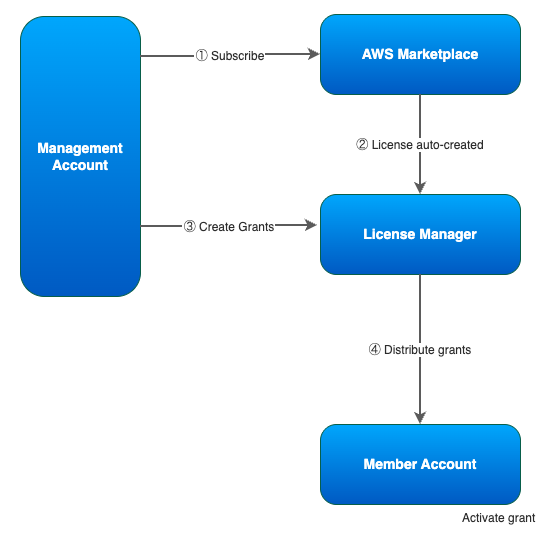
Manage AI model access across multiple AWS accounts using managed entitlements for Amazon Bedrock, eliminating the need for AWS Marketplace permissions in member accounts. This approach streamlines distribution, ensuring teams can access third-party models like Anthropic Claude or Cohere while maintaining centralized governance and avoiding operational overhead.
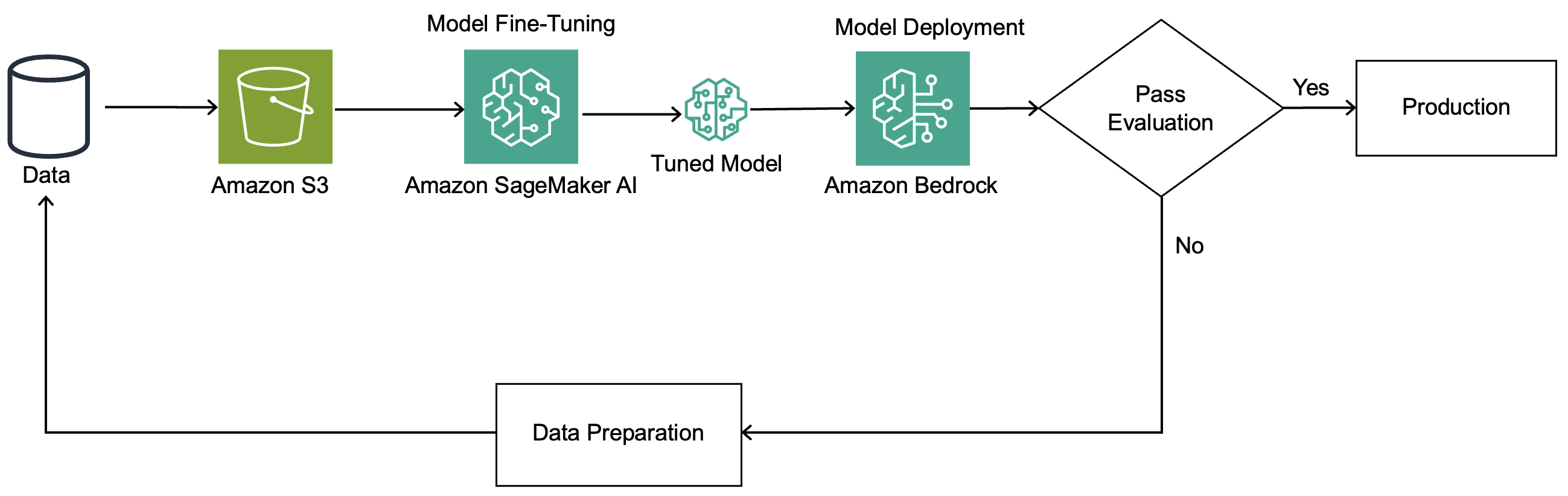
Fine-tune Amazon Nova models with Amazon SageMaker AI to automate accurate data extraction, reduce costs, and improve efficiency. Parcel Perform collaborated with AWS GenAIIC to optimize Nova models, achieving up to 94.77% extraction accuracy, reduced costs by 50%, and improved latency for ecommerce logistics operations.
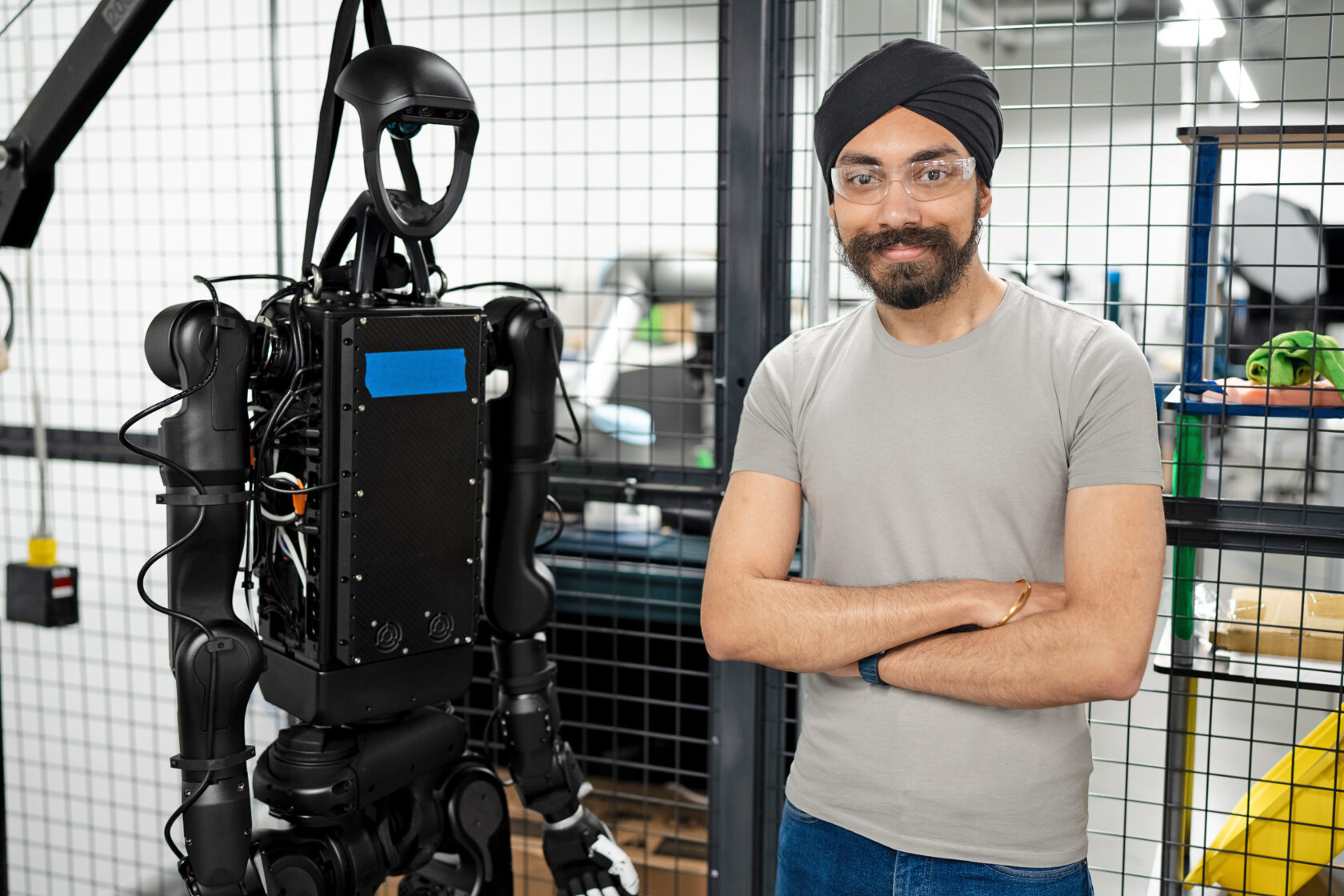
Singh leads NVIDIA Isaac ROS, enhancing robotics with CUDA libraries. Isaac ROS offers modular packages for perception, mapping, and motion planning, empowering developers in the evolving field of robotics.
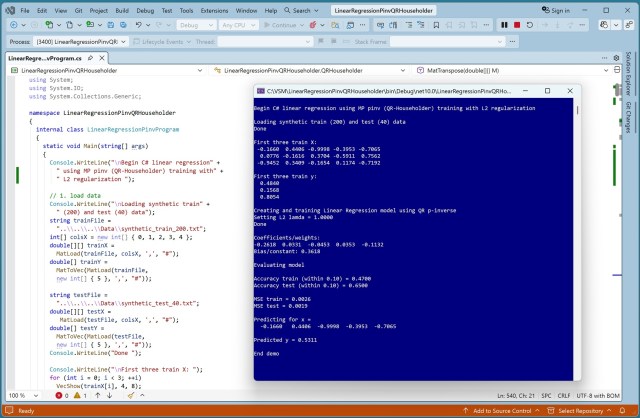
Implementing L2 regularization in linear regression using MP pseudo-inverse via QR-Householder, with a demo showing modest improvements. The technique, though complex and rarely beneficial, can be applied to various linear models for experimental purposes.
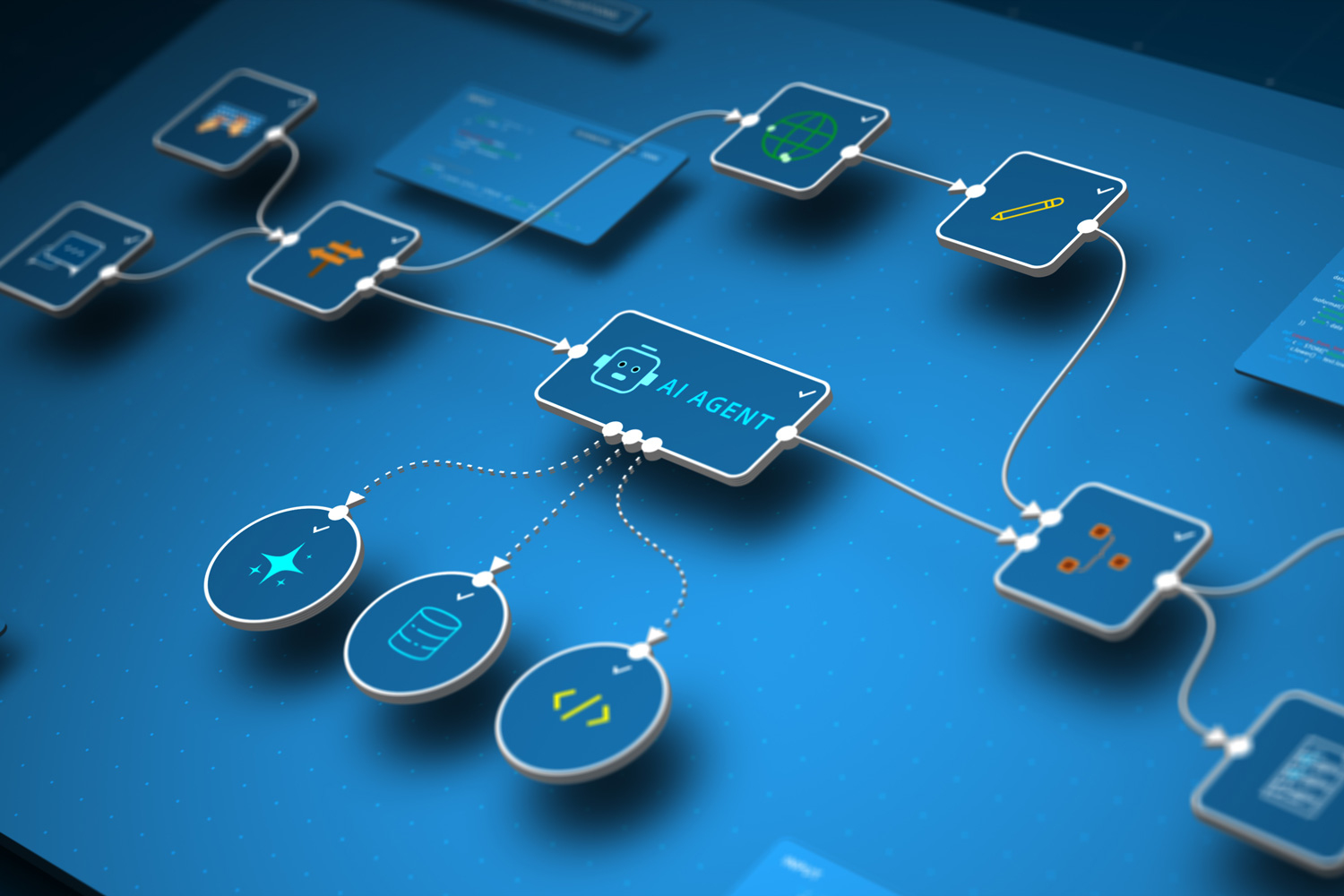
Automated AI agents are on the rise, with 35% of businesses already using them and 44% planning to. MIT expert Phillip Isola explains agentic AI's actions in the world, differentiating it from generative AI like ChatGPT and Claude.
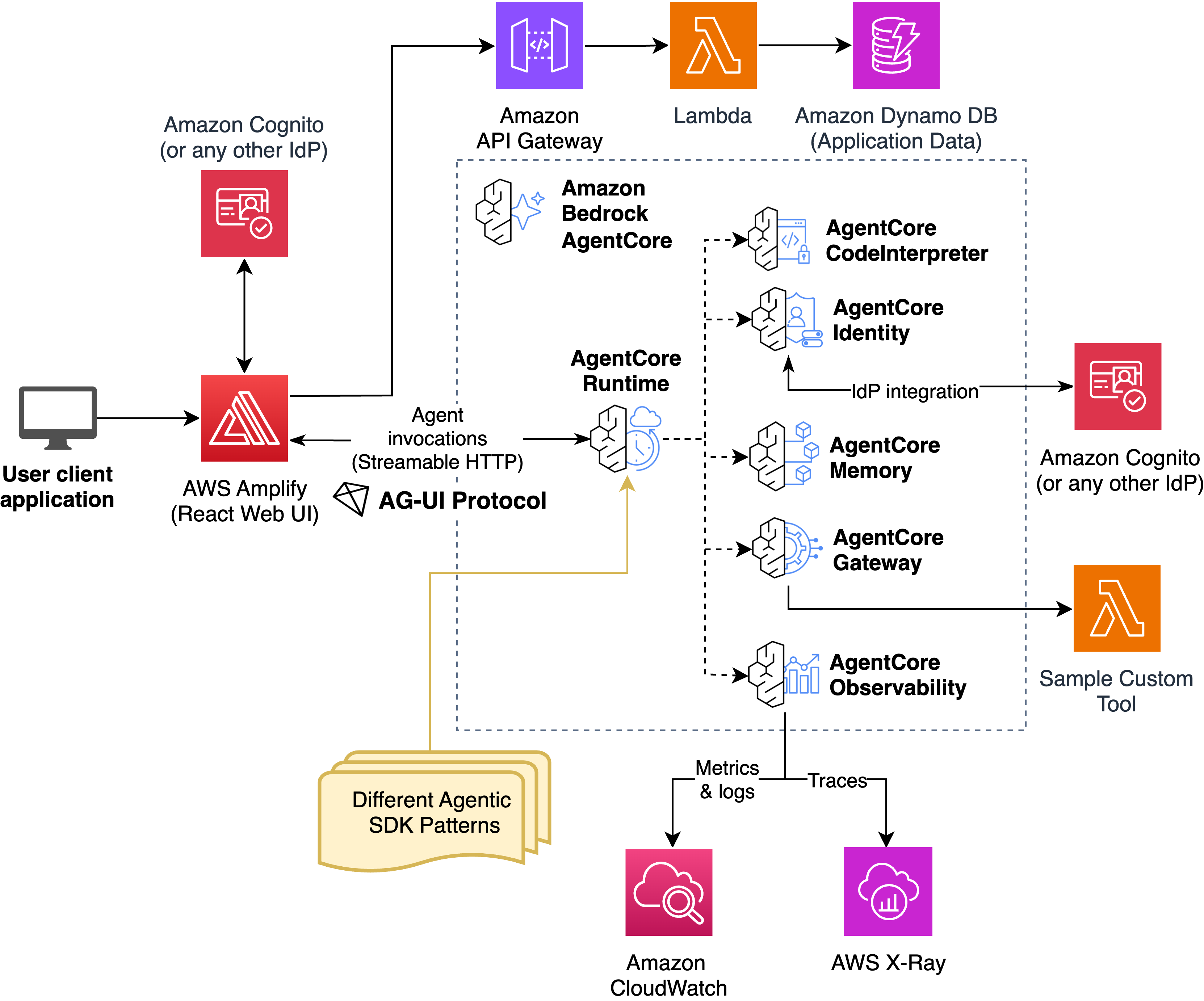
AI agents go beyond chat with AG-UI protocol, enabling interactive chart rendering and real-time updates. Amazon Bedrock AgentCore offers a secure platform for building AI agents with AG-UI integration, connecting backend frameworks with frontend libraries seamlessly.
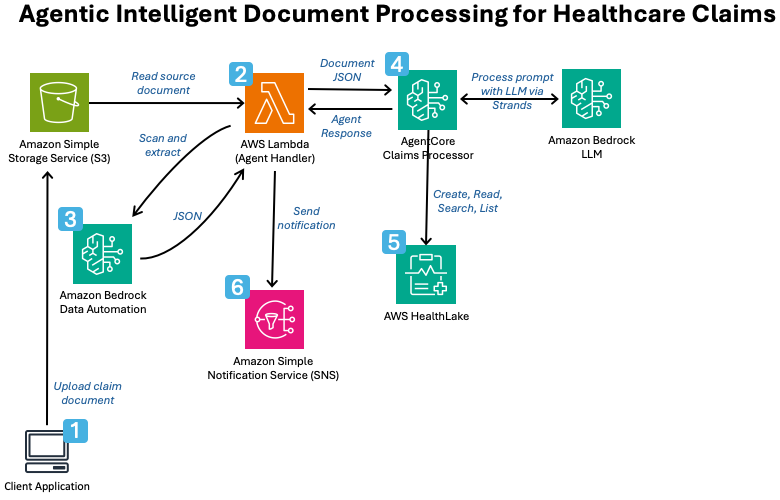
Automated claims processing pipeline using Amazon Bedrock reduces manual errors in healthcare forms, improving accuracy and efficiency. AI-powered services streamline document extraction and validation, creating FHIR resources in AWS HealthLake for faster processing.
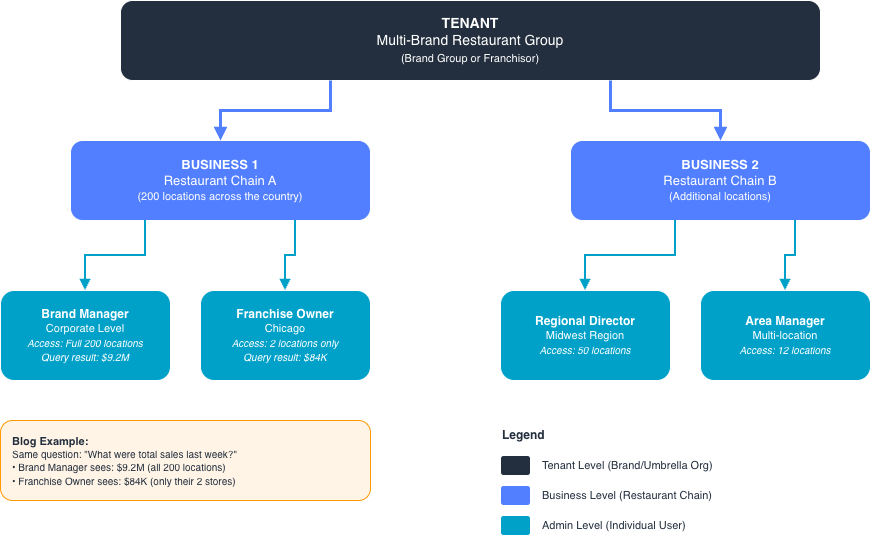
PAR Technology Corporation supports 300+ restaurants with data-driven decisions. Their innovative LLM analytics system enforces strict row-level security, ensuring accurate results for each user.
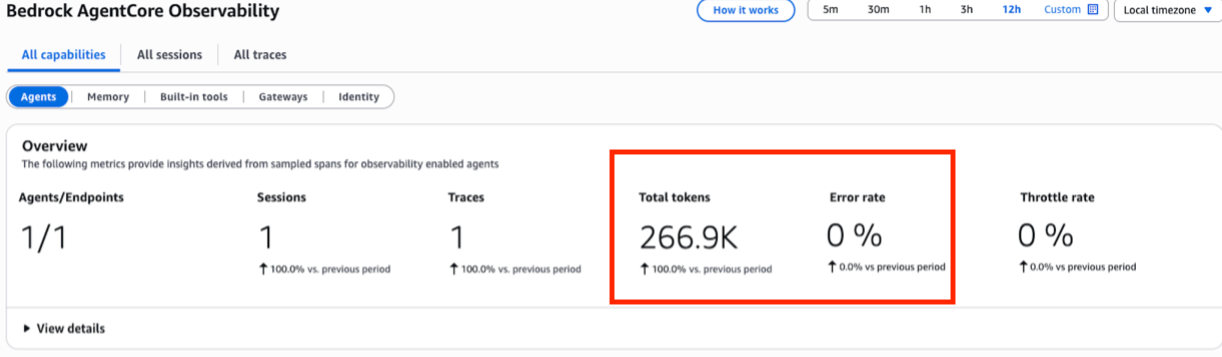
Amazon Bedrock AgentCore Observability helps debug AI agent failures by providing visibility into agent execution, allowing you to trace reasoning steps and identify failures. Understanding quality, reliability, and efficiency failure patterns helps narrow down investigations quickly.

MIT's Music Technology and Computation Graduate Program showcased innovative research projects, blending artful engineering with music performances. The event highlighted AI co-improvising agents, sound-art installations, EEG signals for musical tunes, and the program's interdisciplinary approach to shaping the future of expression.