
MIT researchers have developed a machine-learning technique that precisely collects and models the underlying acoustics of a location from just a limited number of sound recordings.
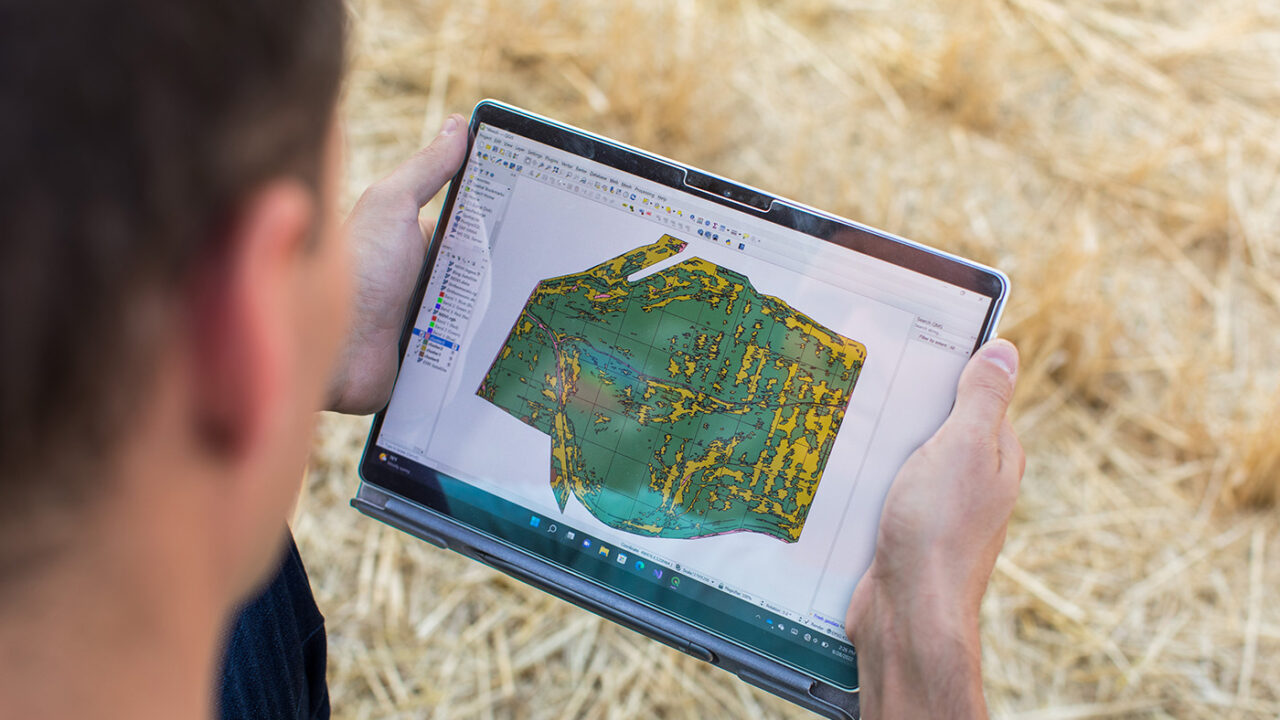
By 2050 humanity will have to almost double the global food supply to make sure that every dweller of the planet has enough food. With climate change going at increasing speed, water resources drop and arable lands erode, doing that sustainably will be a huge challenge for us.
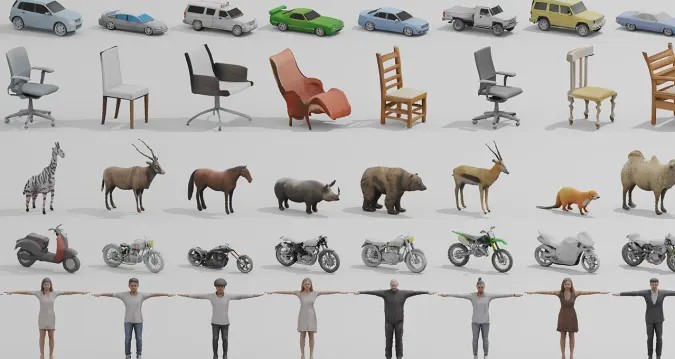
During the last decade, one of the biggest issues in the gaming industry is the explosive growth of the AAA video games production cost. Studios are always on the look-up for technologies that could help bring down the cost of game development. Recent advances in the neural image generation models bring some hope that the realization of this dream may be not so far away.
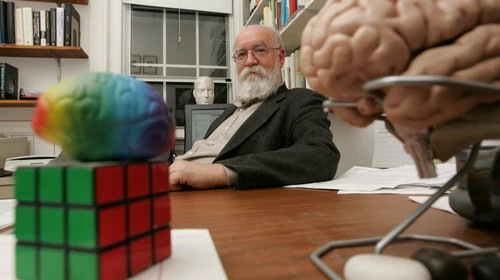
Can computers think? Can AI models be conscious? These and similar questions often pop up in discussions of recent AI progress, achieved by natural language models GPT-3, LAMDA and other transformers. They are nonetheless still controversial and on the brink of a paradox, because there are usually many hidden assumptions and misconceptions about how the brain works and what thinking means. There is no other way, but to explicitly reveal these assumptions and then explore how the human information processing could be replicated by machines.
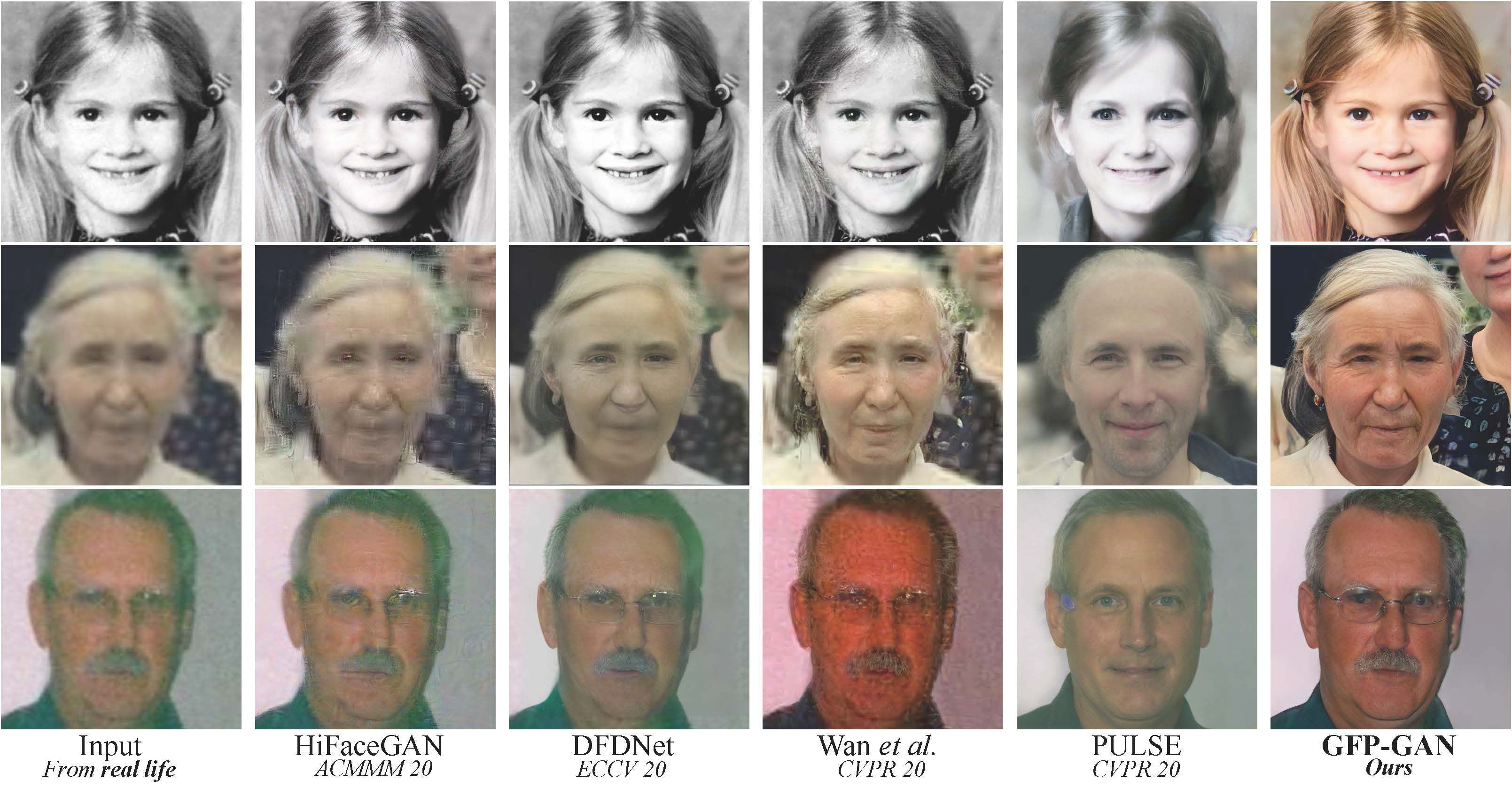
Now you won’t surprise anyone with filters that improve the quality of photos. But the restoration of old portraits still leaves much to be desired. Older photos tend to be too blurry, so normal image sharpening methods won't work on them.
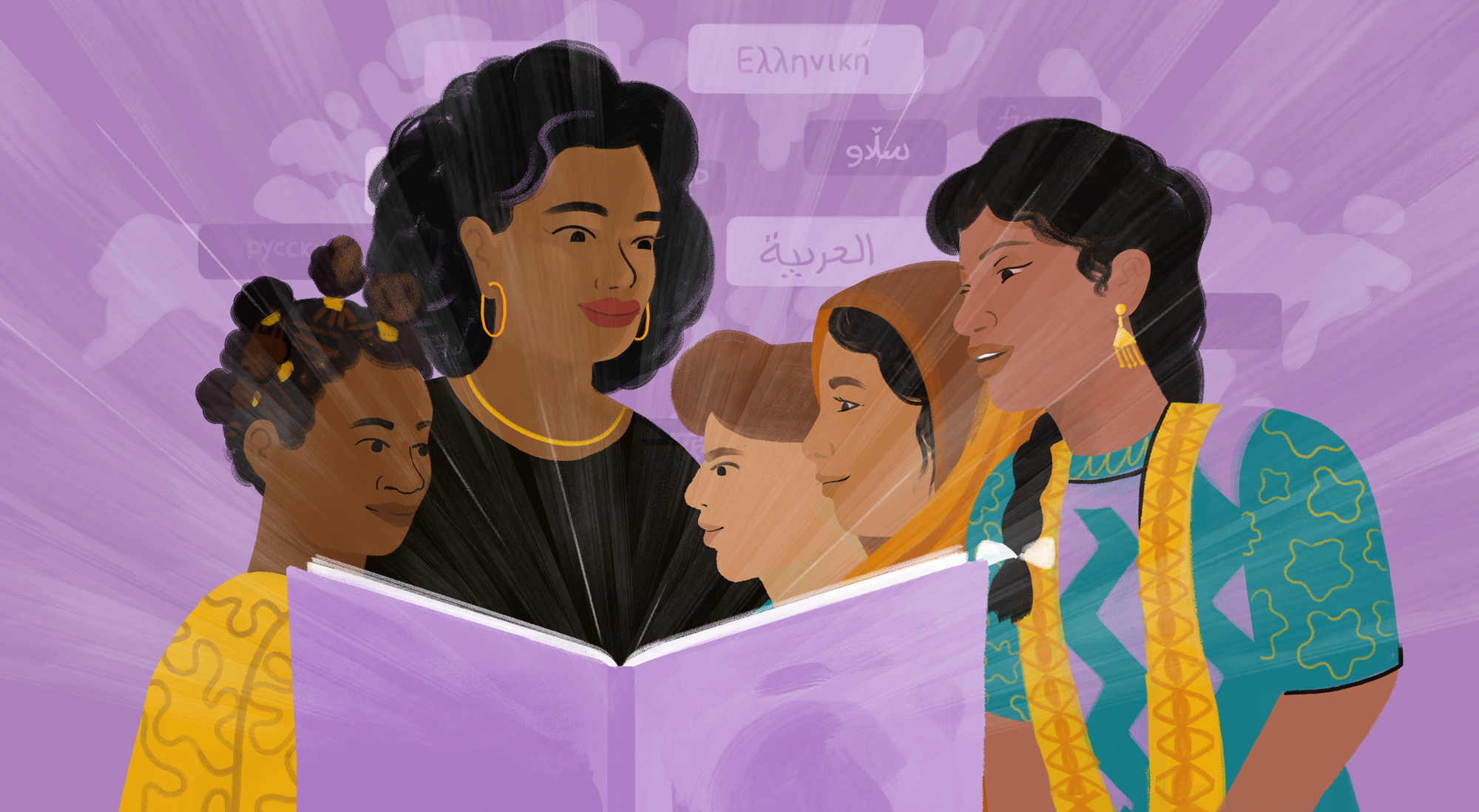
Facebook has released the NLLB project (No Language Left Behind). The main feature of this development is the coverage of more than two hundred languages, including rare languages of African and Australian peoples. In addition, Facebook has applied a new approach to the machine learning model, where the translation is carried out directly from one language to another, without intermediate translation into English.
A group of scientists using machine learning "rediscovered" the law of universal gravitation.
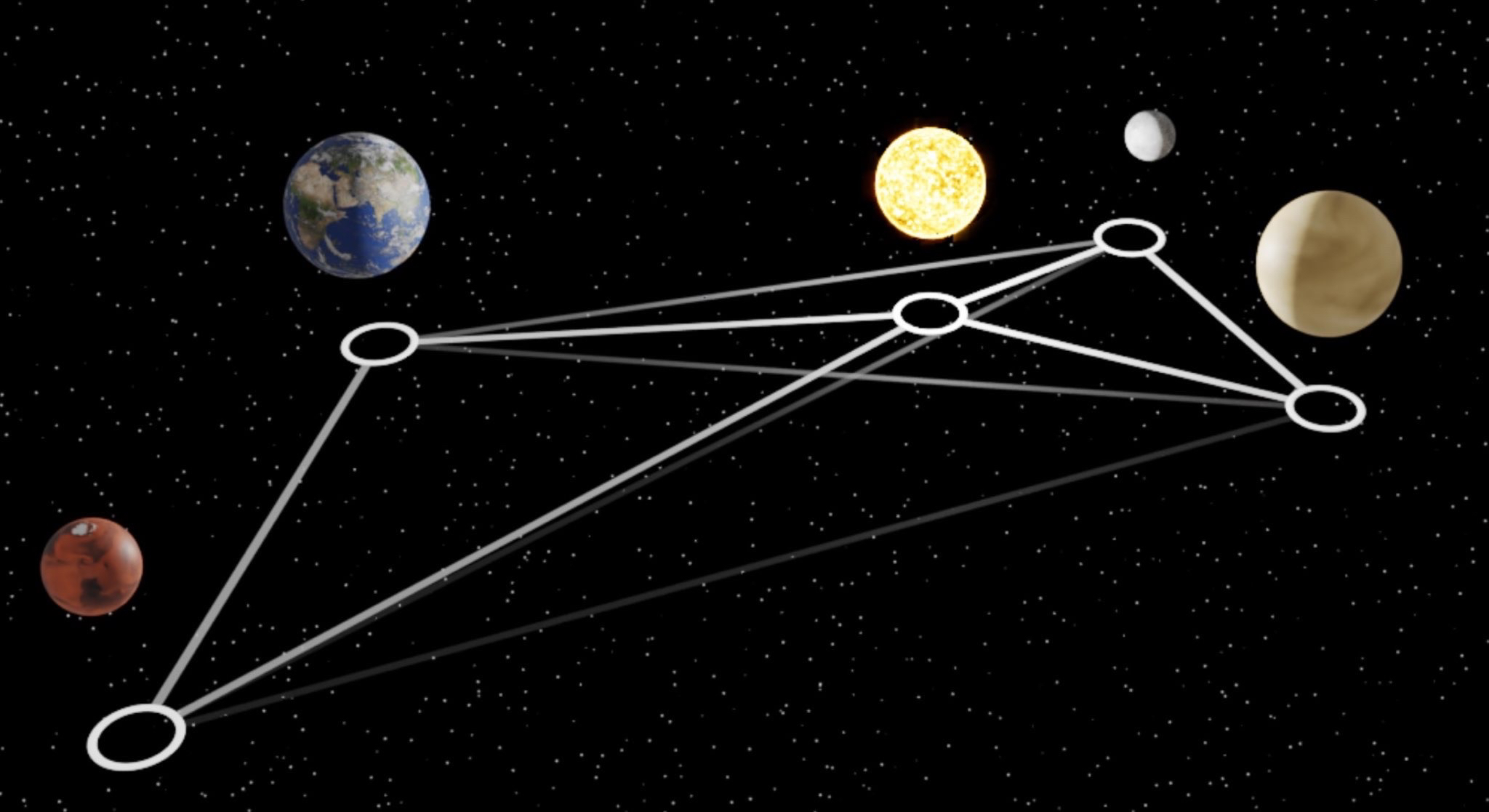
A group of scientists using machine learning "rediscovered" the law of universal gravitation.

Ukraine started using Clearview AI facial recognition software to identify dead Russian soldiers and Ukrainian people who were killed in the conflict. Hoan Ton-That, the company's chief executive, told Reuters that Ukraine's defense ministry began using the software in March this year.
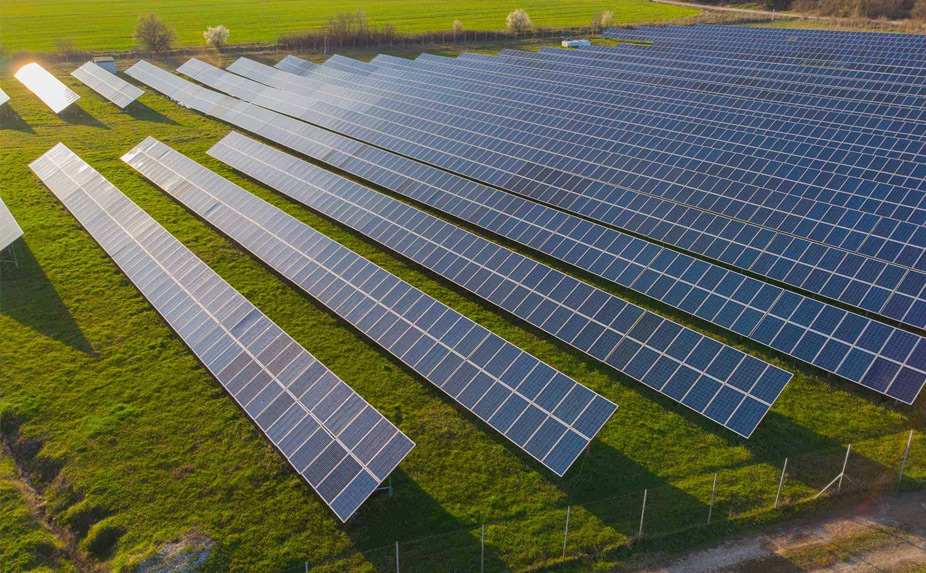
The Nature Conservancy reconsidered its marketing strategy via digital transformation with the help of SAS Customer Intelligence 360. As a result this international environmental nonprofit had its best year ever for membership revenue. That as nothing else contributes to advancing its mission of creating a more sustainable future.
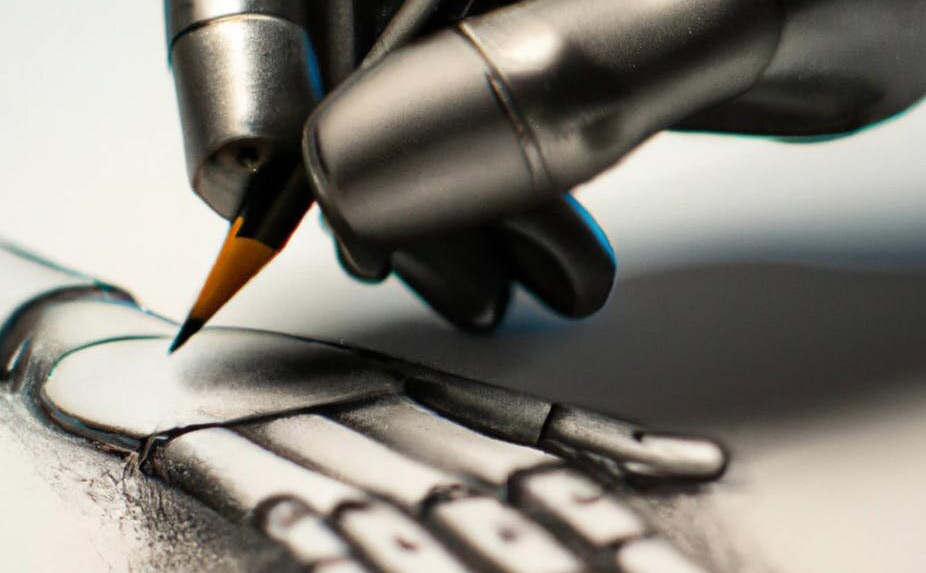
Have you ever seen a photo of an avocado-shaped teapot or read a clever article that deviates slightly from the topic? If so, then you may have discovered the latest trend in artificial intelligence (AI). DALL-E, GPT, and PaLM machine learning systems are making a name for themselves as innovative tools that are able to accomplish creative tasks.
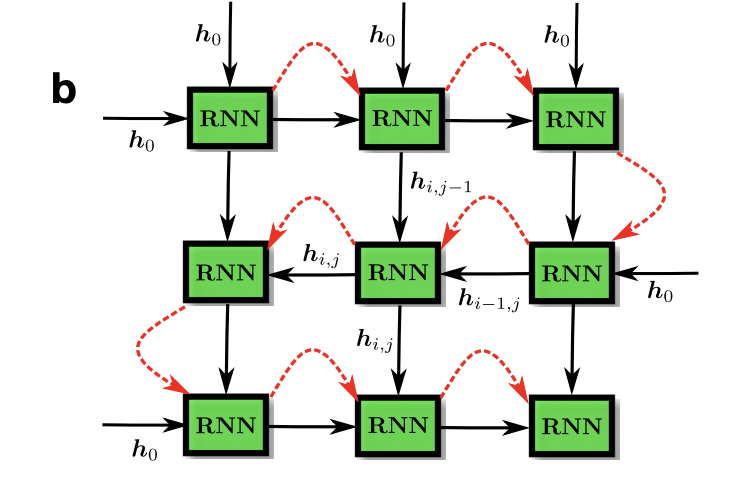
Optimization problems involve determining the best viable answer from a variety of options, which can be seen frequently both in real life situations and in most areas of scientific research. However, there are many complex problems which cannot be solved with simple computer methods or which would take an inordinate amount of time to resolve.
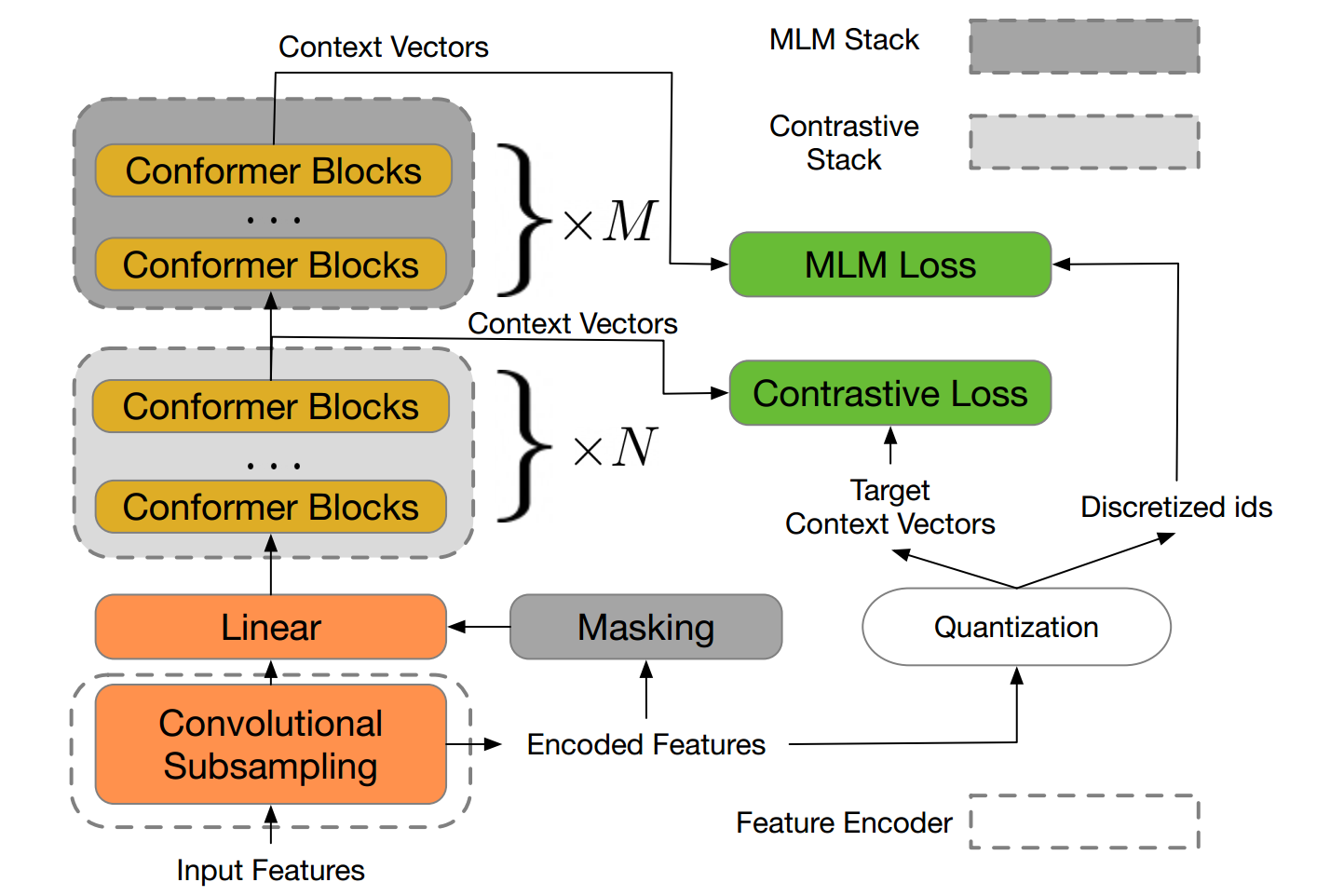
Motivated by the success of masked language modeling (MLM) in pre-training natural language processing models, the developers propose w2v-BERT that explores MLM for self-supervised speech representation learning.
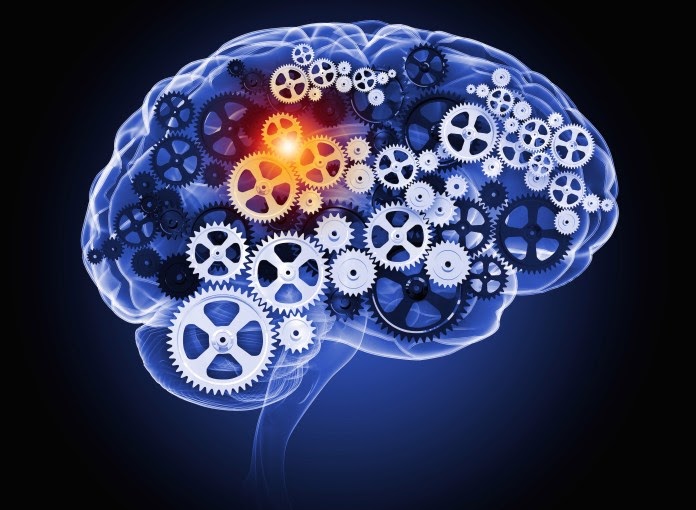
“We find that DALL·E also allows for control over the viewpoint of a scene and the 3D style in which a scene is rendered” OpenAI explains. Produced images can range from illustrations to objects, and also adjusted real-world pictures.
“Employers and employees alike need to change their perspective. The future of work is already here and the introduction of technology does not affect work in a uniform way. We must acknowledge where it supplements existing work and invest in a targeted reskilling approach that recognises the new roles technology is creating and ensures human and machine labour complement one another.